Best time to go to Vietnam
Vietnam is a country of breathtaking diversity, stretching over 1,600 kilometres from the misty mountains of the north to the tropical sun-soaked islands of the south. For Australians, it has become one of the most popular international destinations, offering a vibrant mix of bustling street markets, serene rice terraces, and world-class beaches. However, because of its long, narrow shape, Vietnam is home to three distinct climate zones. This means that while you are basking in the sun in Ho Chi Minh City, it might be drizzling in Hanoi. Timing your trip is essential to ensure you get the most out of your itinerary, whether you're cruising through Ha Long Bay or exploring the ancient streets of Hoi An.
Where in Vietnam do you want to go?
While we’ll discuss more broadly about where to to in Vietnam on this page, the state is vast and each destination’s “best time” varies a bit”.
Select specific destinations for a more detailed look at their prime times to visit, or scroll down to see more general information about Vietnam as a whole.
TL;DR
When is the best time to visit Vietnam?
Weather in Vietnam
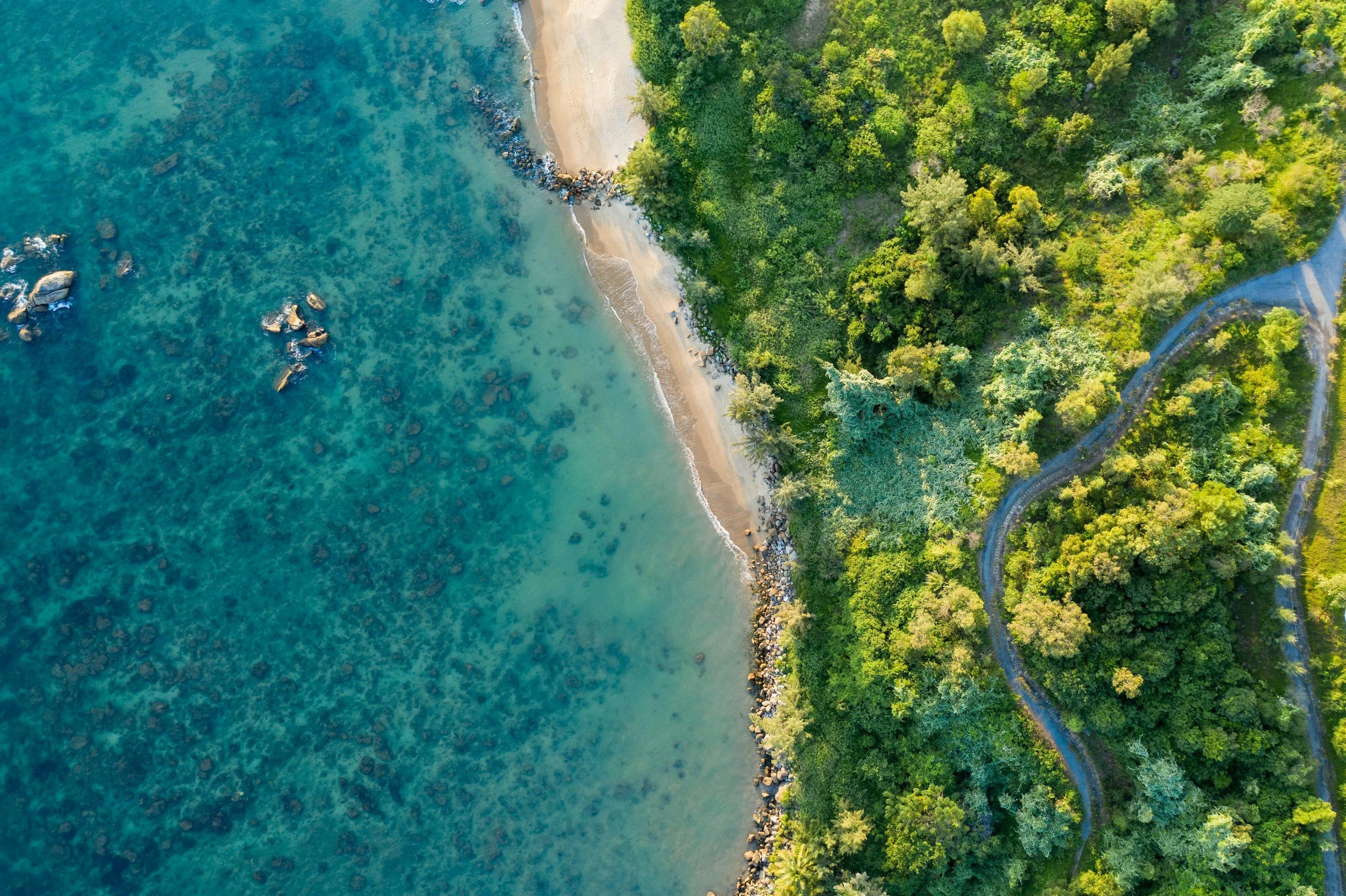
For the most reliable weather, aim for March and April. During these months, the north is warming up and drying out, the central coast is sunny and perfect for the beach, and the south is in its dry season. If you are heading to the north (Hanoi and Sapa), October to November is also fantastic for clear skies and manageable humidity. For those chasing a beach holiday in Central Vietnam (Hoi An and Da Nang), the best weather is between February and August. Conversely, the south (Ho Chi Minh City and the Mekong Delta) is at its best from December to April, before the afternoon monsoon rains arrive in May.
Prices in
Vietnam
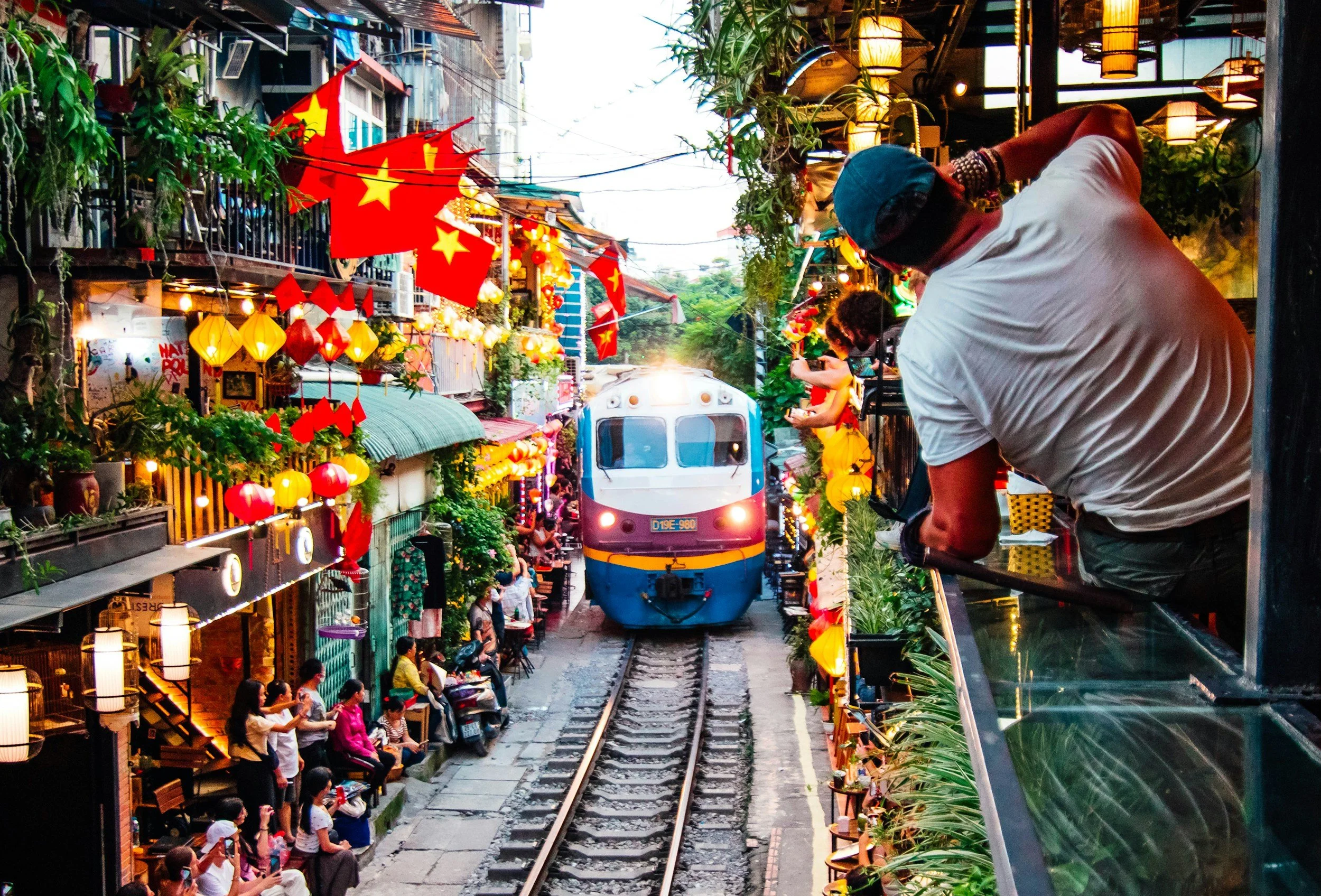
The cheapest time for Australians to visit Vietnam is typically during the low season from May to September. Aside from the July school holidays, you will find that luxury hotels and boutique villas often offer significant discounts. Airfares from major cities like Sydney, Melbourne, and Perth are generally at their lowest in May and November. To save on your budget, try to avoid travelling during Tet (the Vietnamese Lunar New Year) in late January or February. During this time, transport costs spike, and many shops and restaurants close for the week-long holiday, making it more expensive and less convenient for tourists.
Crowds in Vietnam
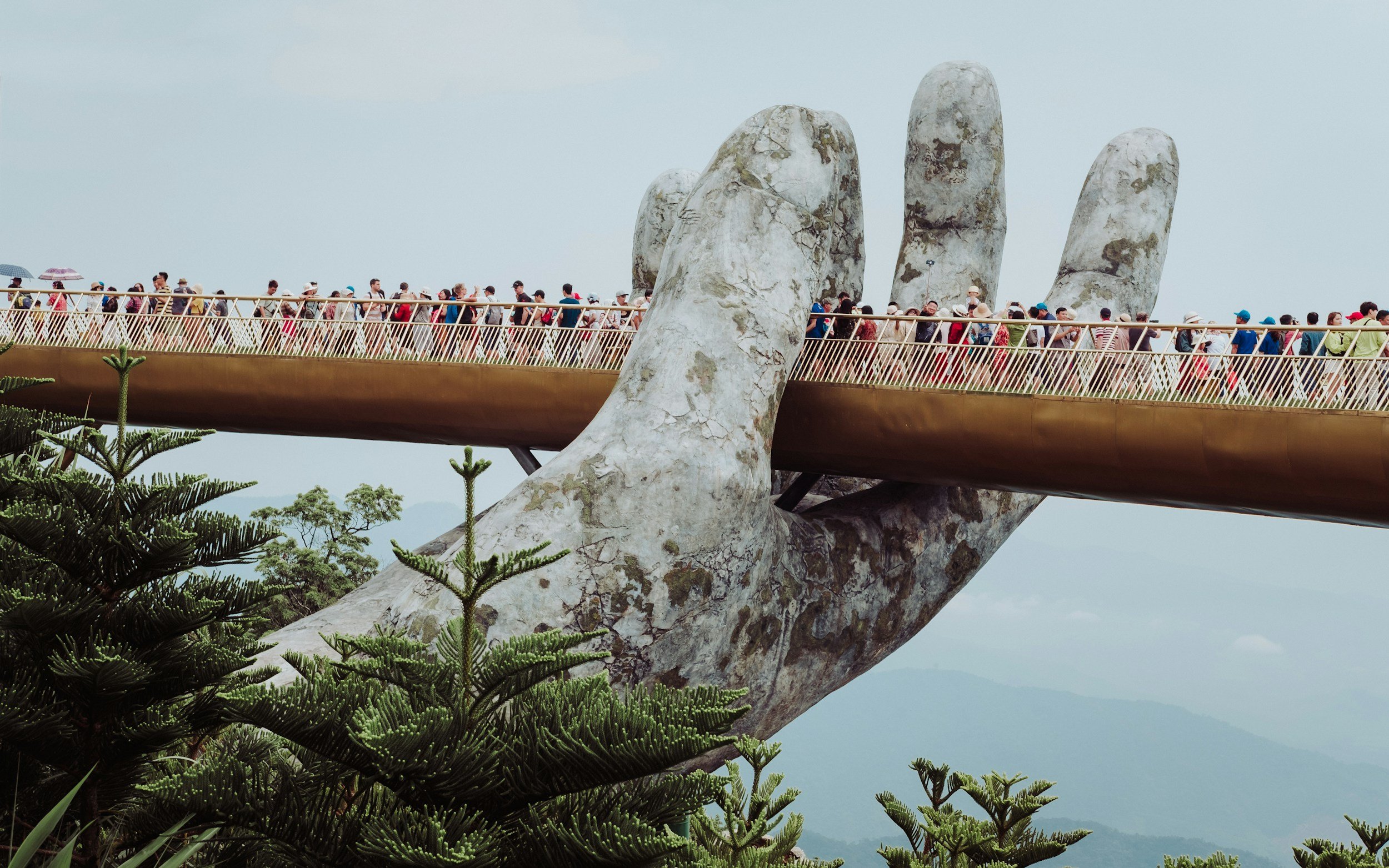
Vietnam is at its busiest during the high season from December to February, coinciding with the Australian summer holidays and the festive season. You can also expect significant crowds during Tet, when millions of locals travel to visit family. The April to August period is another peak time for domestic tourism, particularly at beach destinations like Nha Trang and Da Nang. For a quieter, more authentic experience, consider the "shoulder" months of May or October. During these times, the tourist trail is far less congested, allowing you to enjoy the serenity of the temples and rural landscapes in peace.
Events and festivals in Vietnam
Vietnam's cultural calendar is filled with vibrant celebrations, often tied to the lunar cycle and the nation's rich history.
-
When is it? January or February
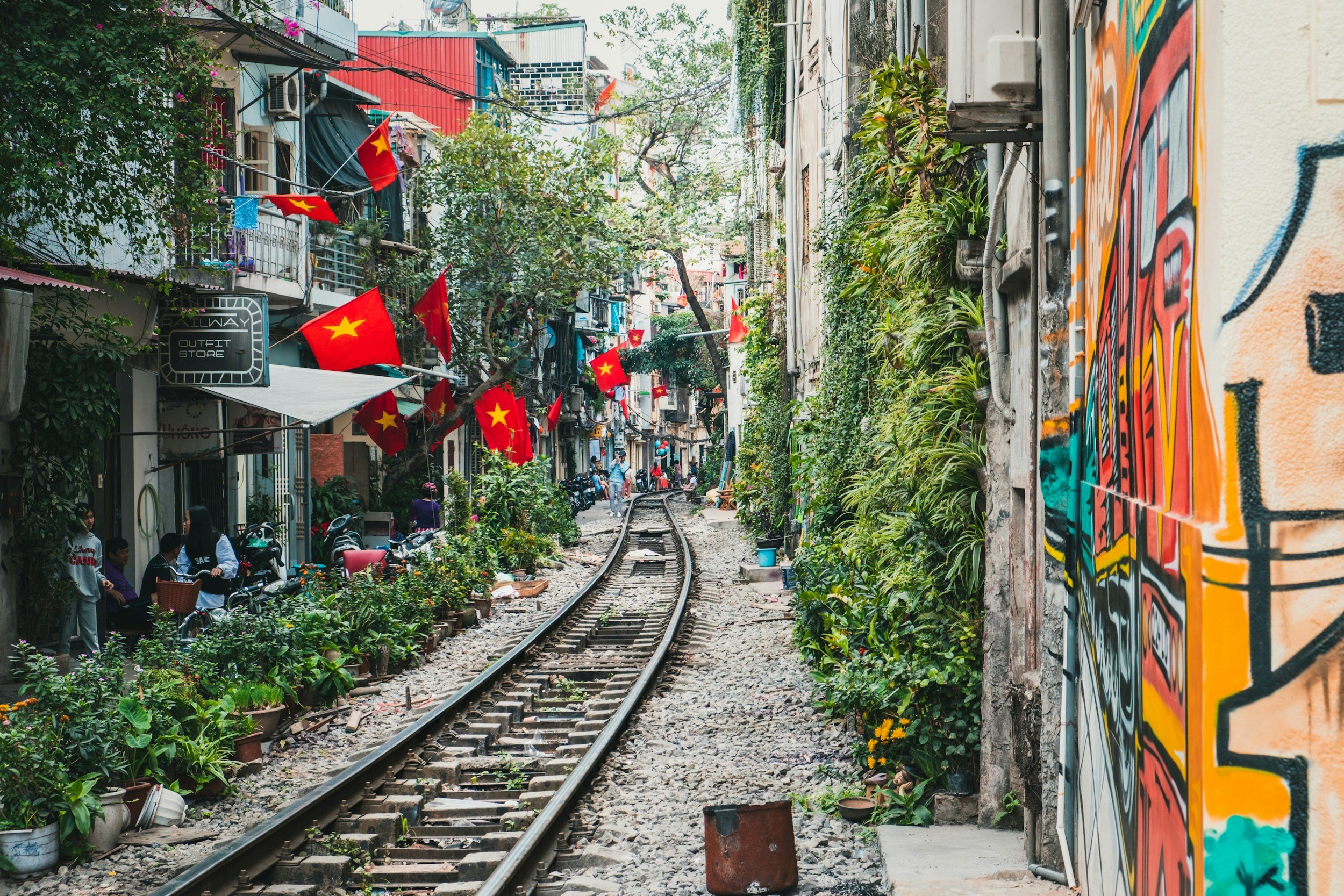
The Lunar New Year is Vietnam's most important festival, featuring fireworks, flower markets, and traditional feasts.
-
When is it? April
A major public holiday marked by parades and patriotic displays across the country.
-
When is it? September-October
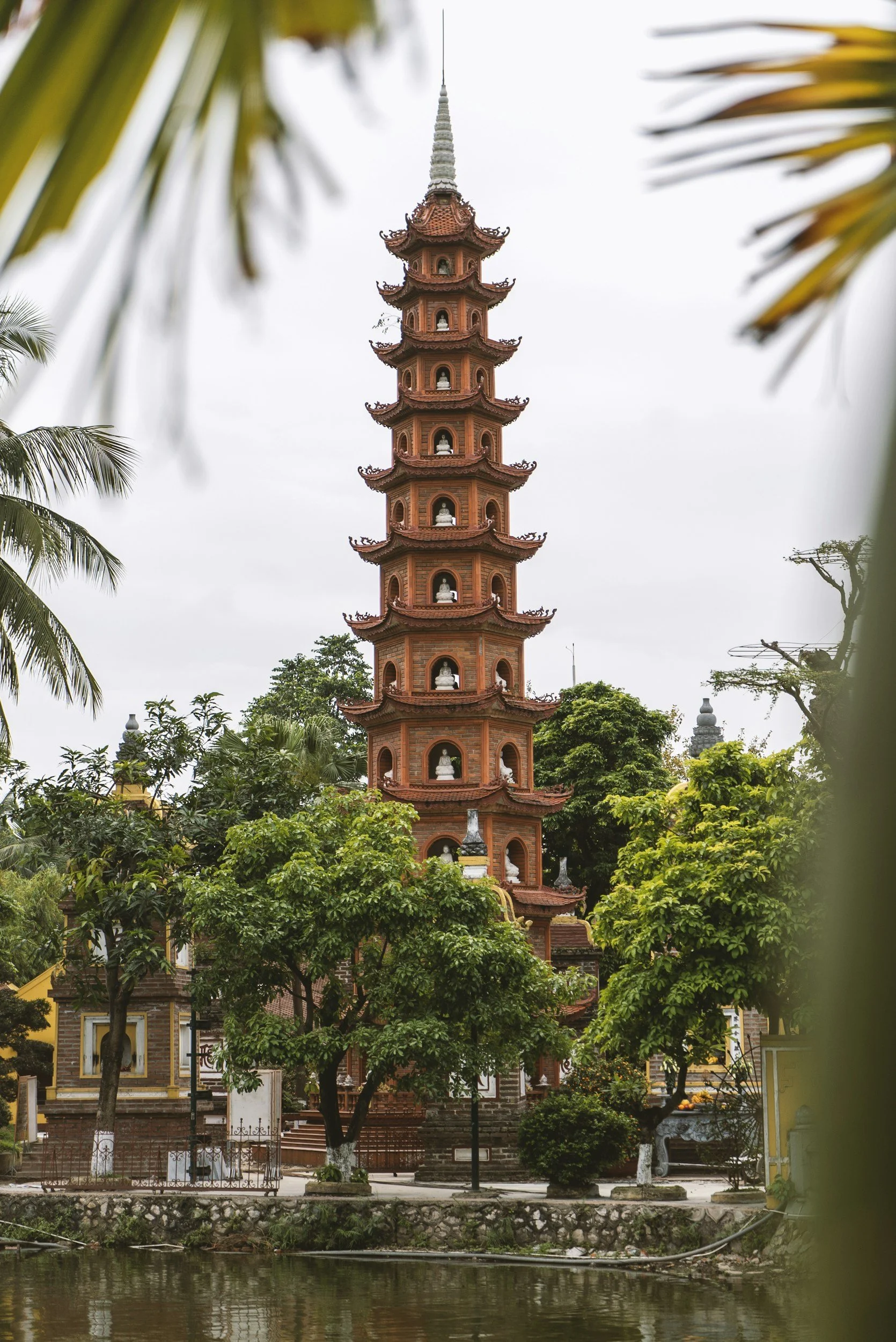
A family-oriented festival with lion dances and mooncakes, particularly magical in Hoi An.
Travelling to Vietnam in each season
Because Vietnam spans so many latitudes, "seasons" mean different things depending on where you are. Here is what to expect across the country throughout the year.
Spring
When is it? March to May
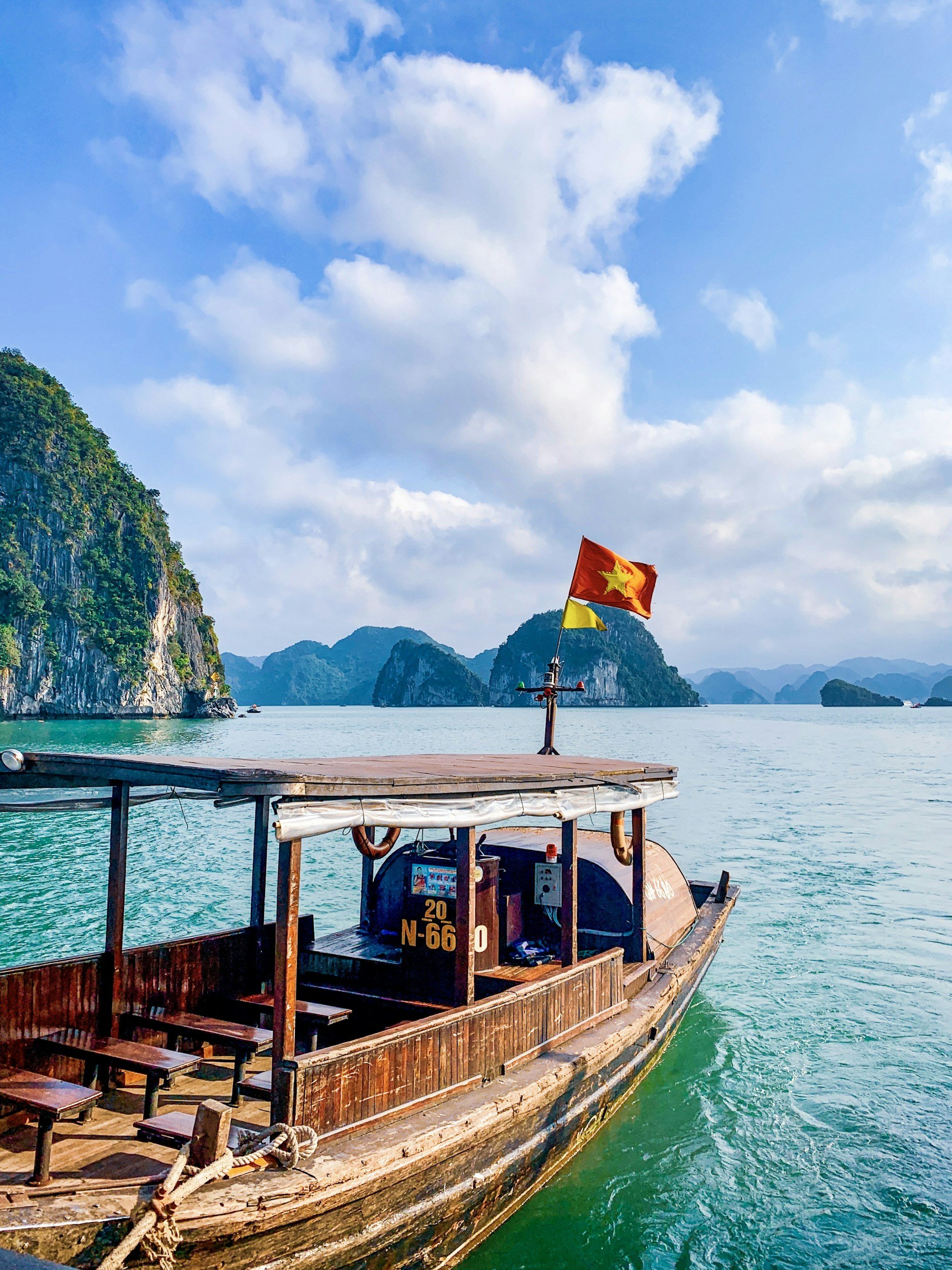
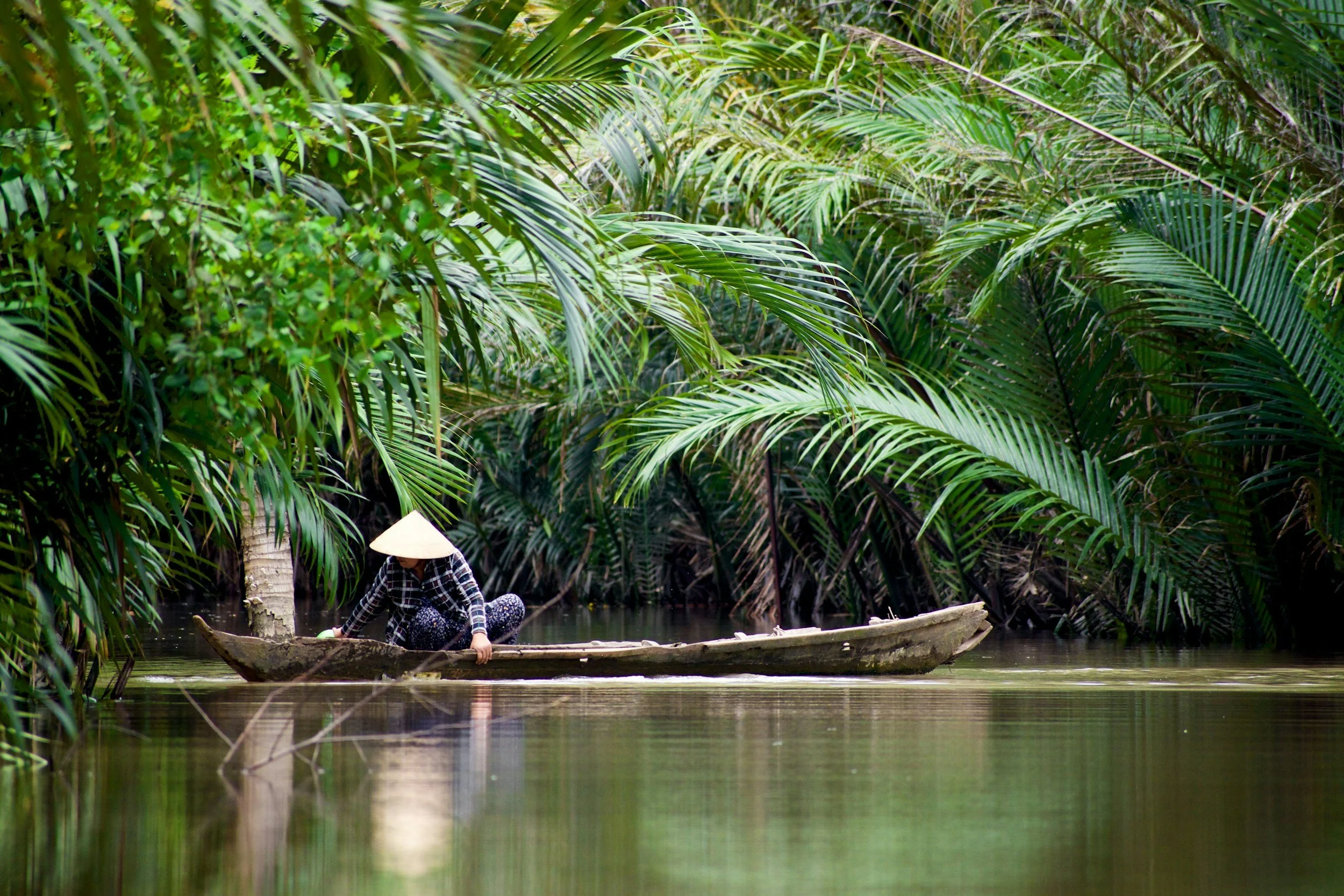
Spring (March to May) is arguably the best time to see the whole country, with moderate temperatures and low rainfall. It is peak season for hiking in the northern mountains and enjoying the central beaches, though you should expect higher prices and busier attractions in the main tourist hubs.
Summer
When is it? June to August
Summer (June to August) brings high temperatures and the start of the rainy season in the north and south, often resulting in short, heavy afternoon bursts. However, this is the prime time for the central coast, making it a great window for an affordable beach holiday in Da Nang or Nha Trang despite the humidity.
Autumn
When is it? September to November
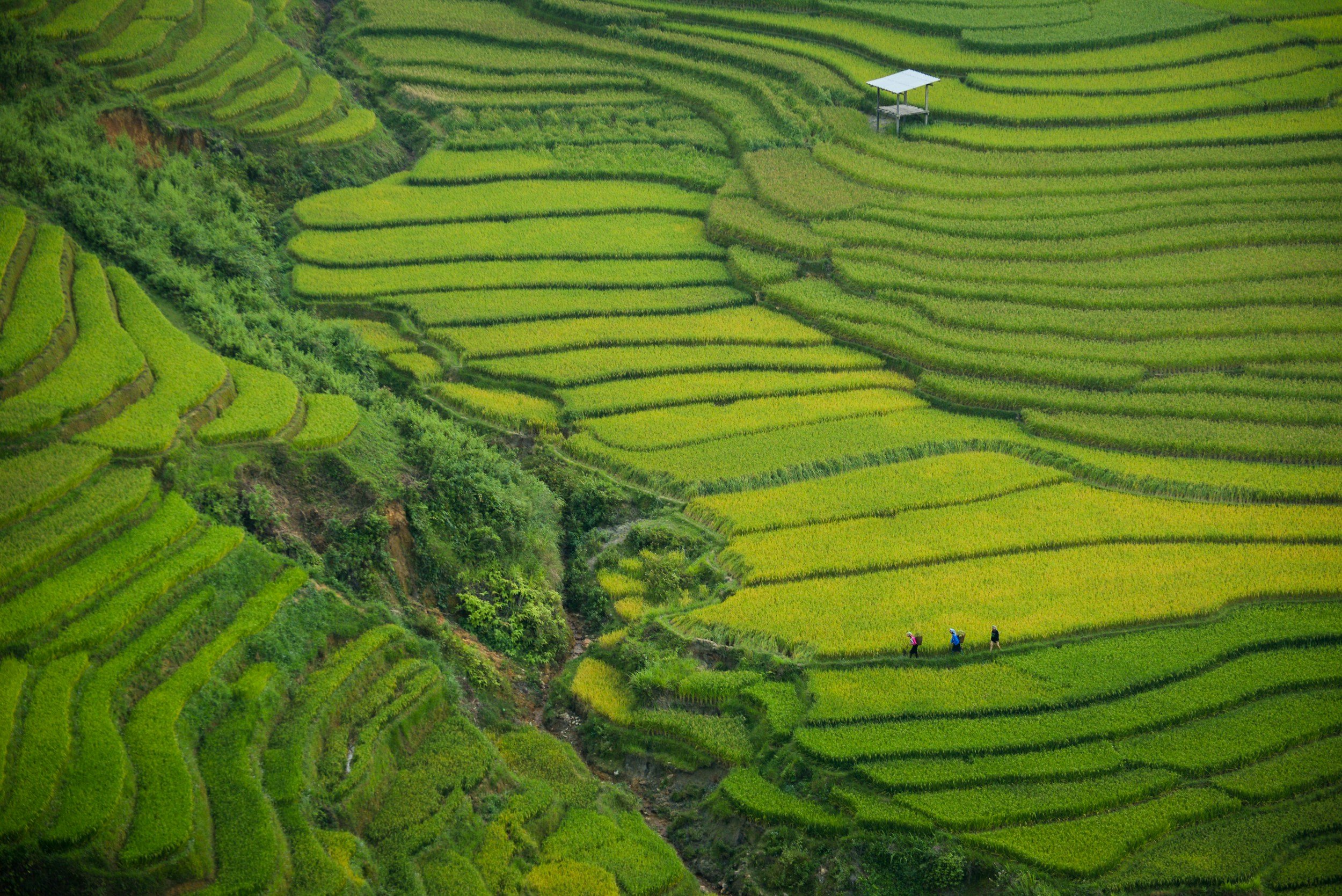
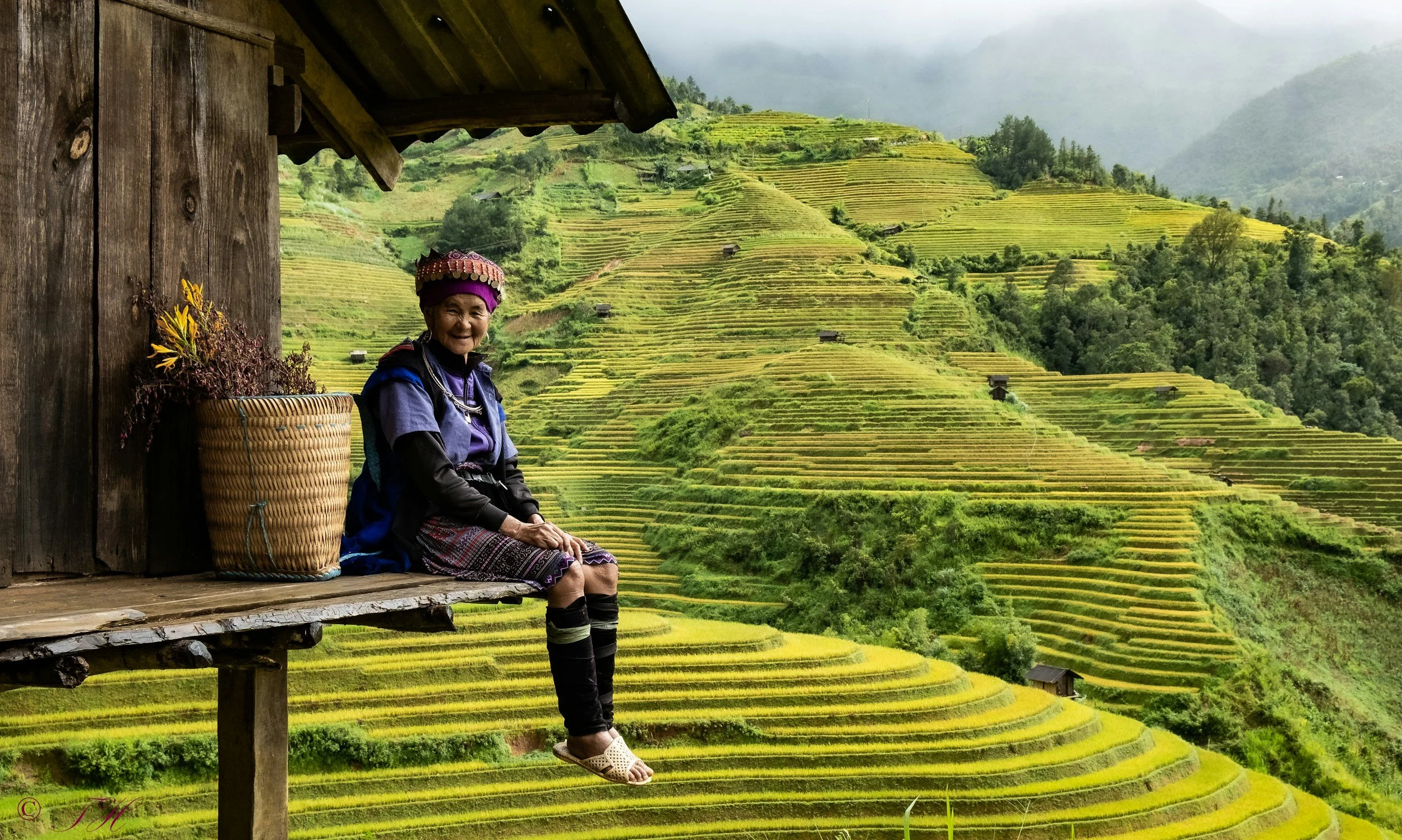
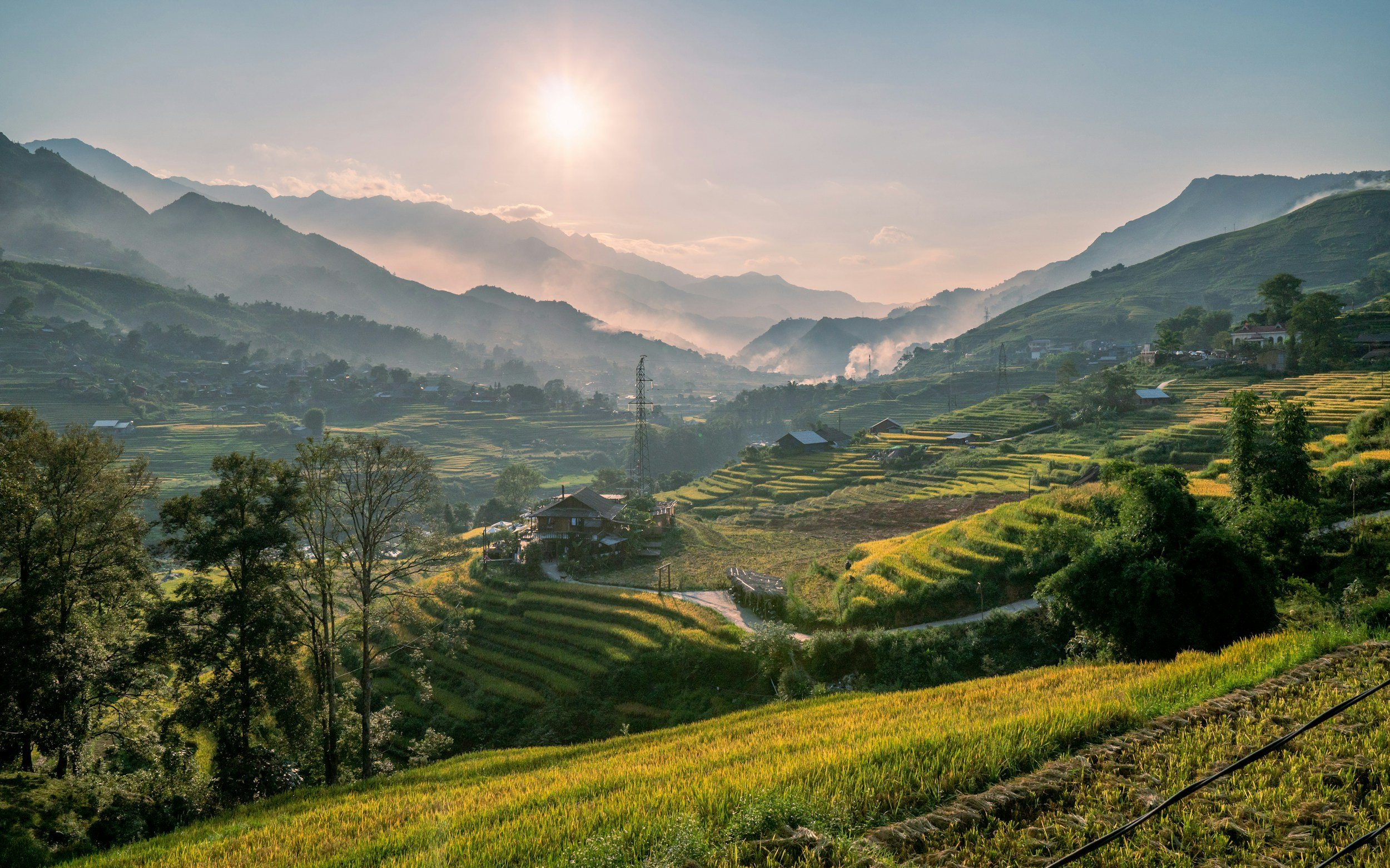
Autumn (September to November) sees the north enter its most beautiful phase with golden rice harvests and cool, clear air. Central Vietnam can be prone to typhoons and heavy rain during this time, so it is a season where you need to be flexible with your travel plans, especially around Hoi An.
Winter
When is it? December to February
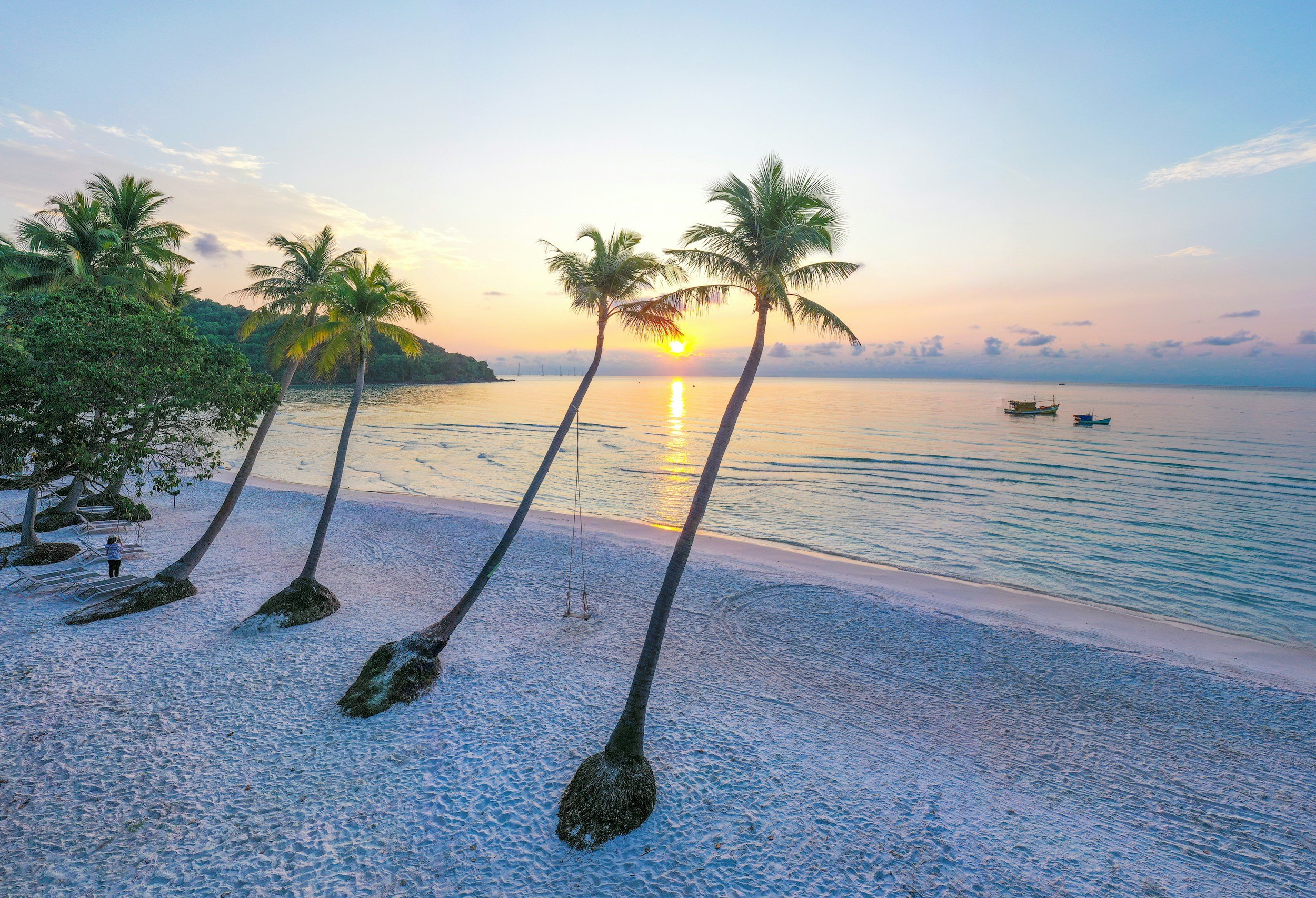
Winter (December to February) is cool and misty in the north—Sapa can even see frost—while the south remains hot and sunny. It is the peak season for Australians escaping the southern heat, offering perfect conditions for exploring the Mekong Delta and the southern islands like Phu Quoc.
Overall, when is the best value time to visit Vietnam?
For the best balance of weather, price, and atmosphere, the best value time to visit Vietnam is in May or October. These shoulder months offer a "Goldilocks" scenario for savvy travellers. In May, the winter crowds have long since departed, and while the heat is rising, you can find incredible deals on high-end accommodation before the domestic summer rush begins.
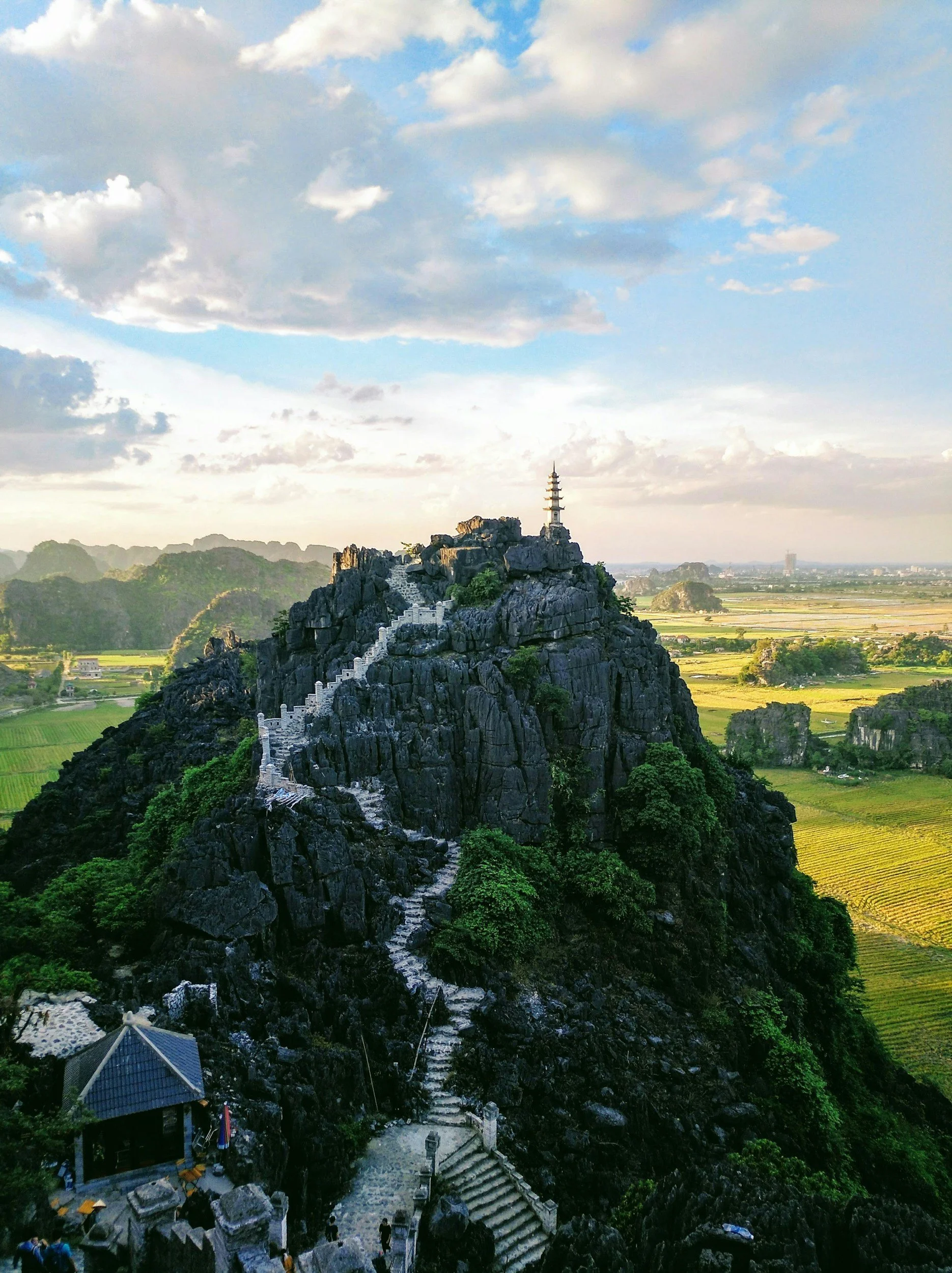
October is another excellent choice; the northern landscapes are at their most photogenic, and the high-season price hikes for the end-of-year holidays haven't yet kicked in. By travelling during these windows, you will enjoy a more relaxed pace at iconic sites like the Cu Chi Tunnels or Halong Bay, and your dollar will stretch much further at the local markets and boutique hotels.
102m+
people in Vietnam
Country
in Asia