Best time to go to Barcelona
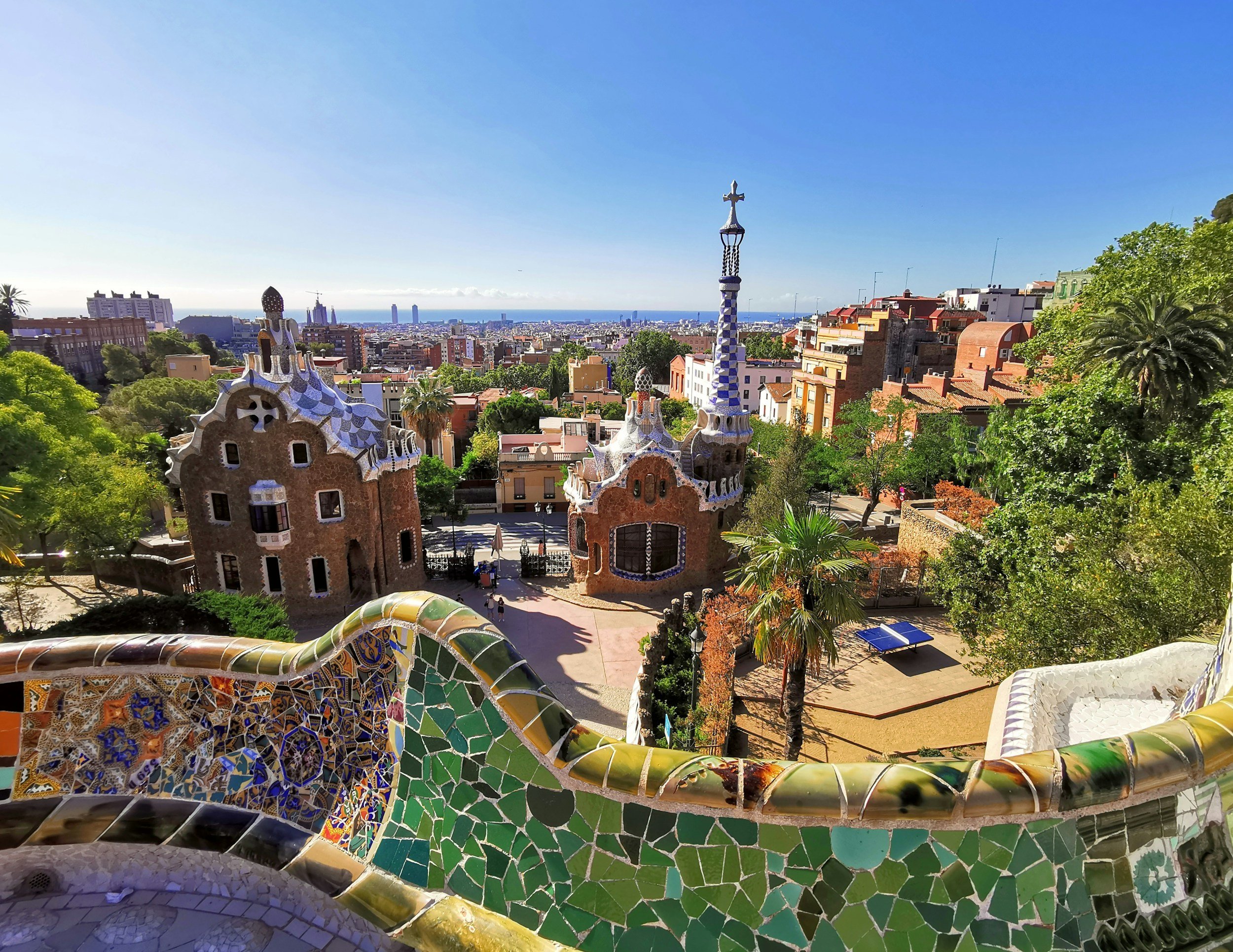
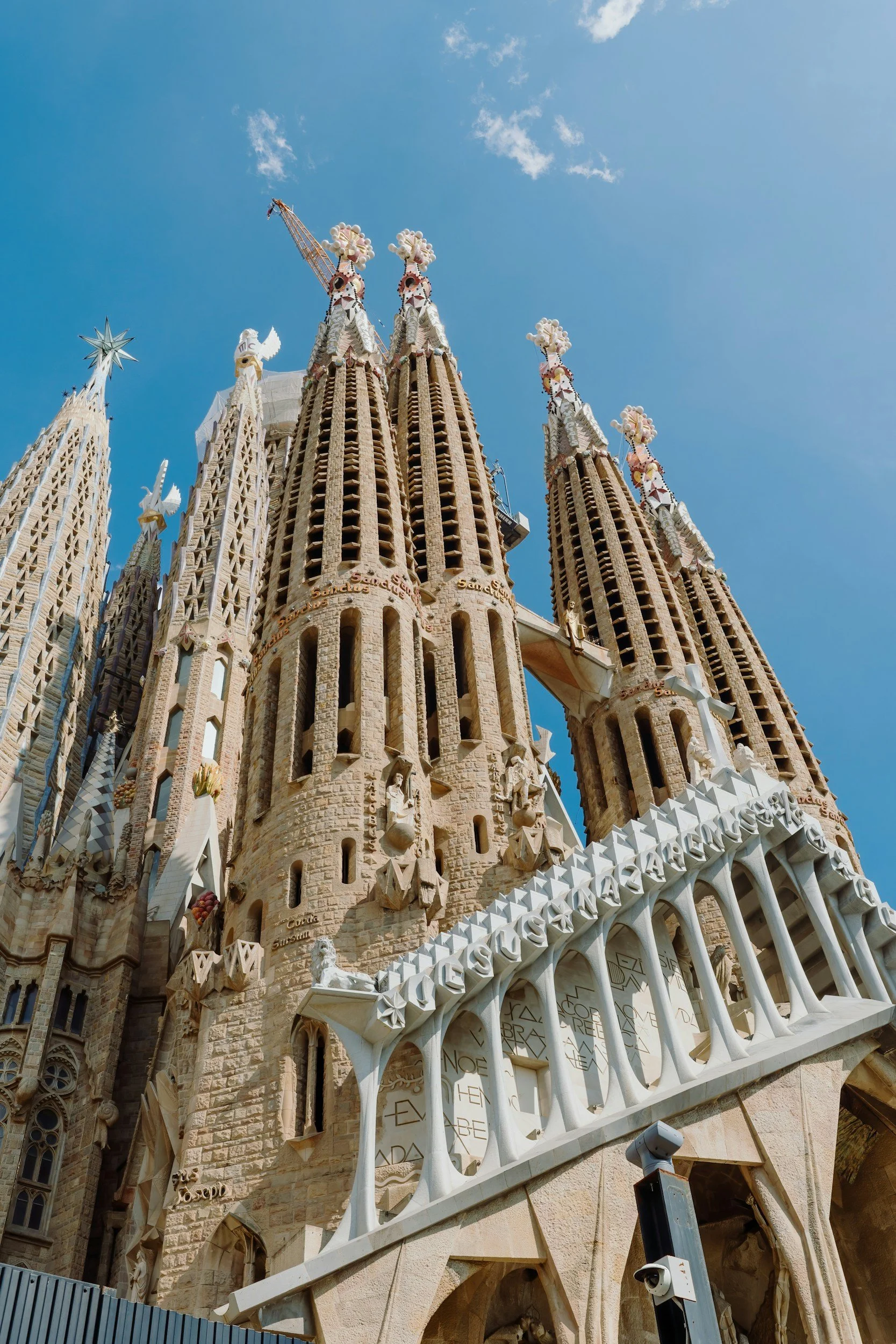
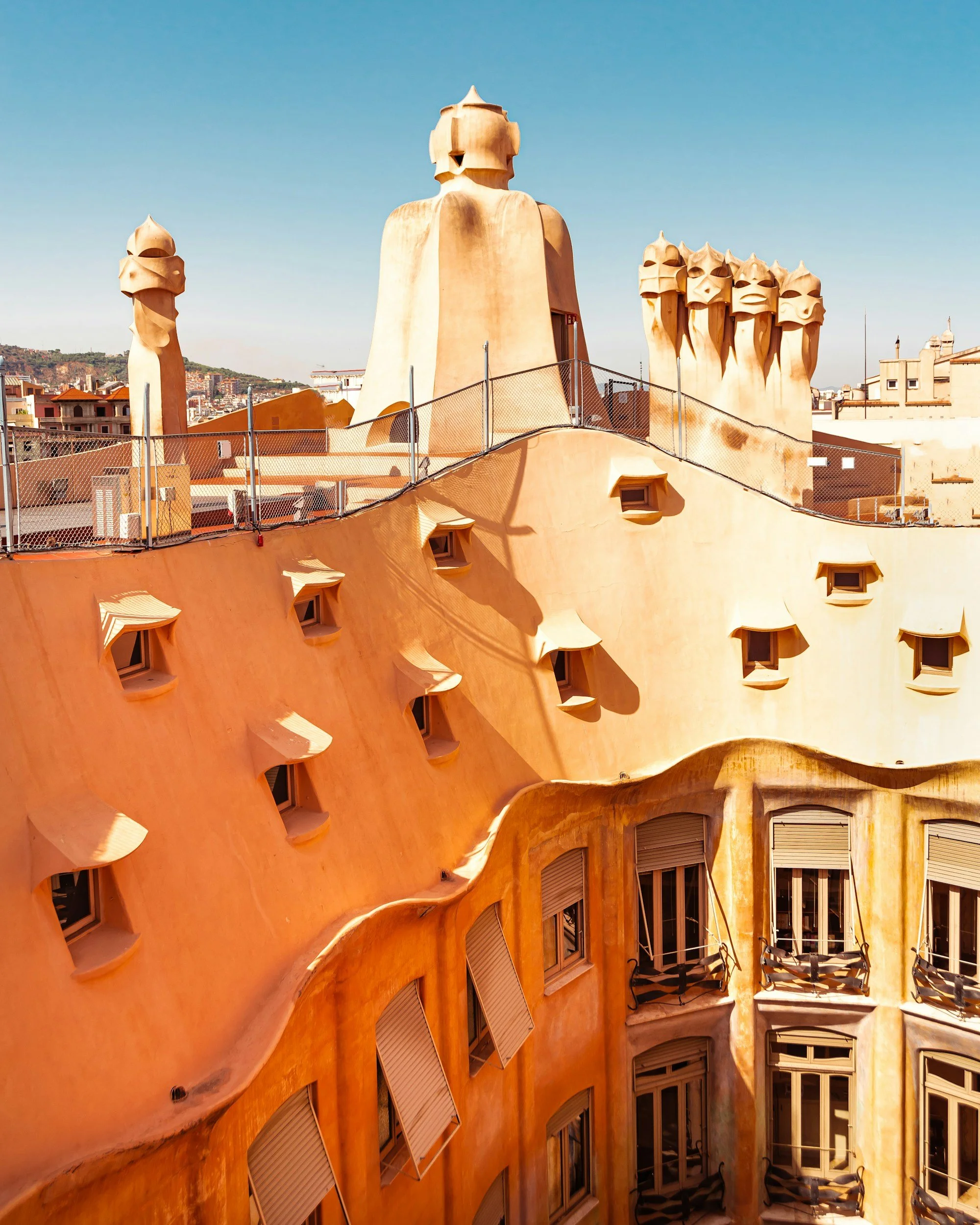
Barcelona is a vibrant Mediterranean city famous for Gaudí's architectural masterpieces, beaches, vibrant neighbourhoods, and electric energy. From the whimsical Sagrada Familia basilica to Park Güell's colourful mosaics, the Gothic Quarter's medieval streets, Las Ramblas' bustling atmosphere, and Barceloneta's sandy beaches, Barcelona captivates visitors with art, culture, and Catalan identity. The city experiences a Mediterranean climate with hot, dry summers and mild winters. Summer brings beach season and vibrant street culture, making it the most popular time. However, spring and autumn offer lower crowds and reasonable prices, whilst winter offers a quieter, more authentic experience
TL;DR
When is the best time to visit Barcelona?
Weather in Barcelona
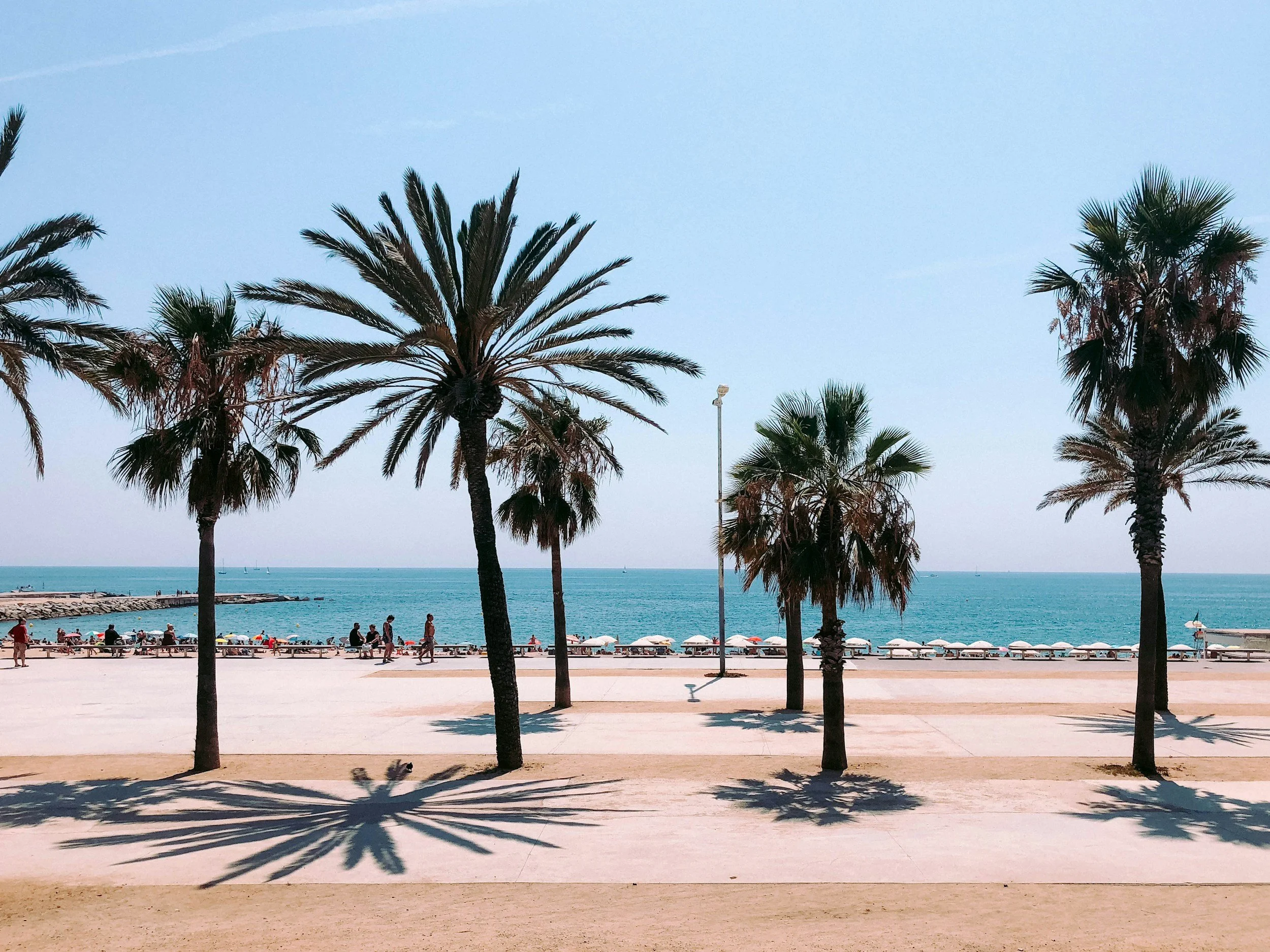
April through May and September through October offer ideal conditions in Barcelona, with temperatures around 17–26°C, blooming flowers in spring, golden light in autumn, and minimal rainfall. This is genuinely Barcelona's best season for beach swimming and sightseeing. June through August is hot (25–32°C), sometimes sweltering, with minimal rainfall but also peak crowds.
November through March is mild (10–17°C), rainy, with occasional cold days. For comfortable beach swimming and exploration, stick to April through May and September through October.
Prices in Barcelona
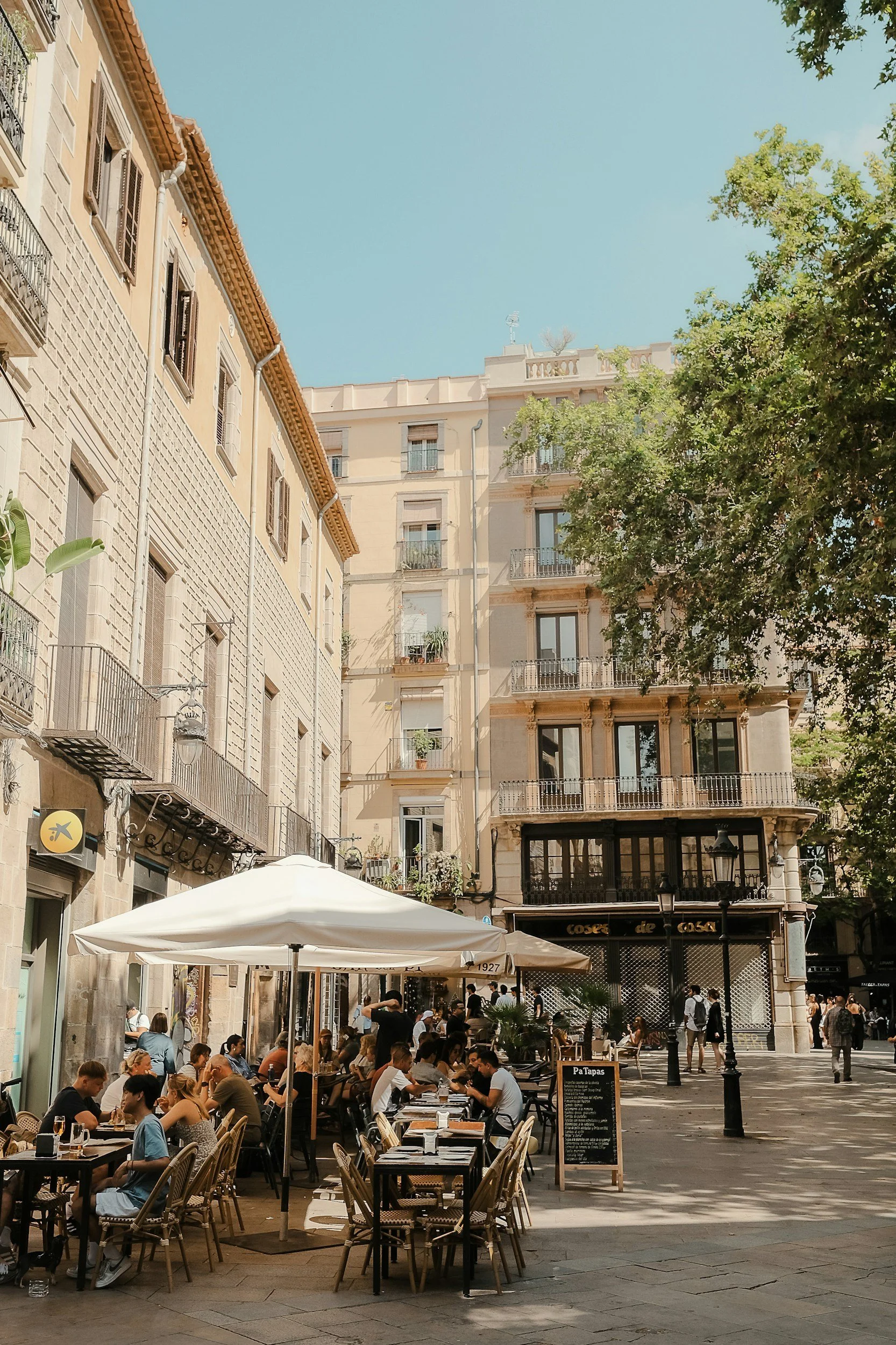
November through March is lower season with cheaper accommodation, dining, and attractions, though December and early January holidays push prices up.
April through May and September through October are moderate to high season with reasonable prices for accommodation, dining, and attractions. June through August are peak season with elevated prices, sometimes dramatically higher. Flight prices from Australia are fairly stable year-round. For best value with pleasant weather, visit April–May or September–October.
Crowds in Barcelona
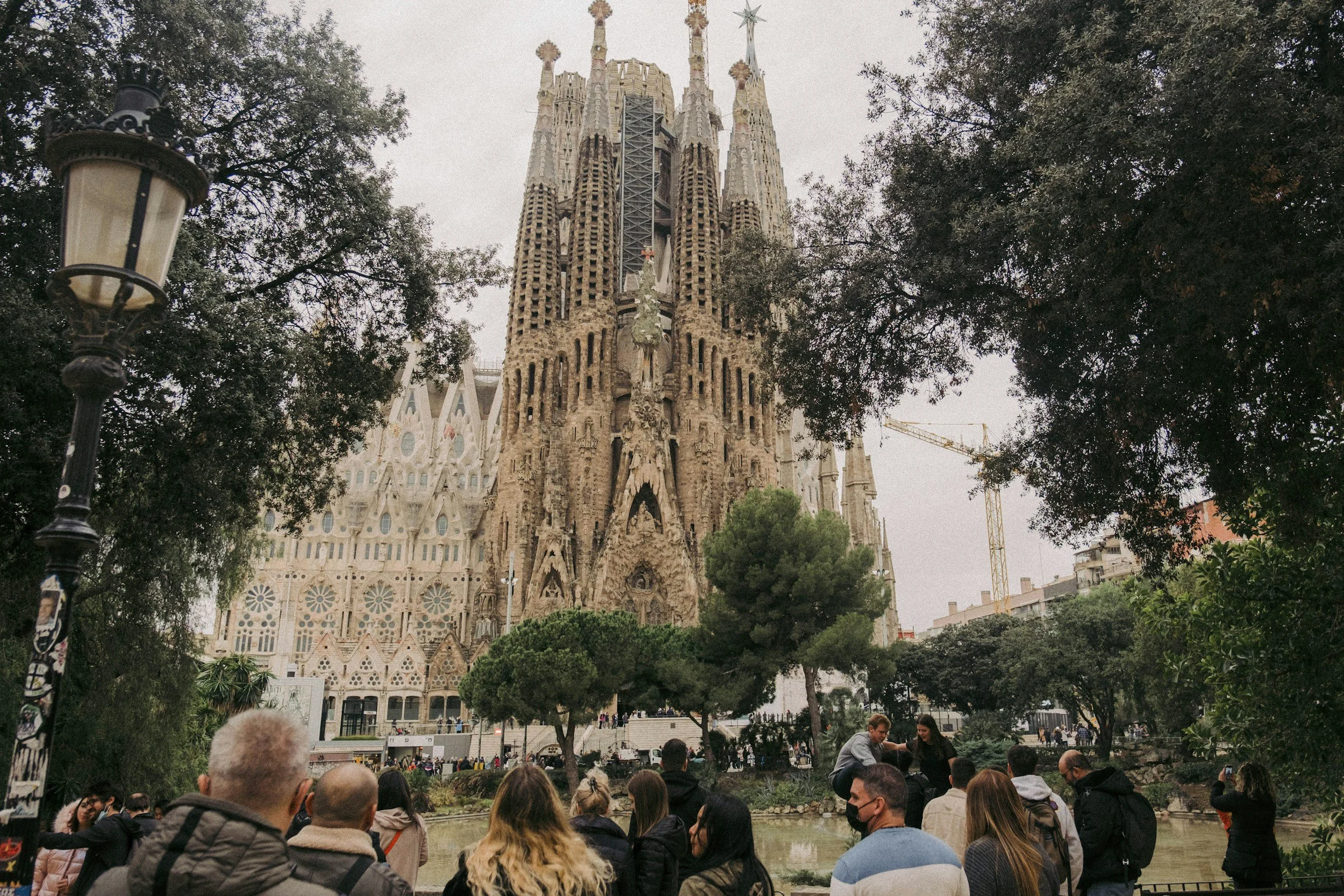
November through March are quiet, particularly January–February. April through May and September through October are moderately to heavily busy with tourists. June through August is absolutely packed with international tourists, particularly at Gaudí sites and beaches.
Barcelona is one of Europe's most visited cities, so expect crowds even in shoulder seasons. For fewer crowds with pleasant weather, visit April–May or September–October.
Events and festivals in Barcelona
-
When is it? June
Major international music festival with diverse genres and performances.
-
When is it? July
Celebration of Catalan culture with music, theatre, and performances.
-
When is it? May and September
Fire festival with fire-breathing dragons and processions.
Barcelona celebrates cultural, artistic, sporting, and seasonal events throughout the year.
Travelling to Barcelona in each season
Barcelona's seasons offer distinct experiences from spring renewal to summer beaches and winter culture.
Spring
When is it? March to May
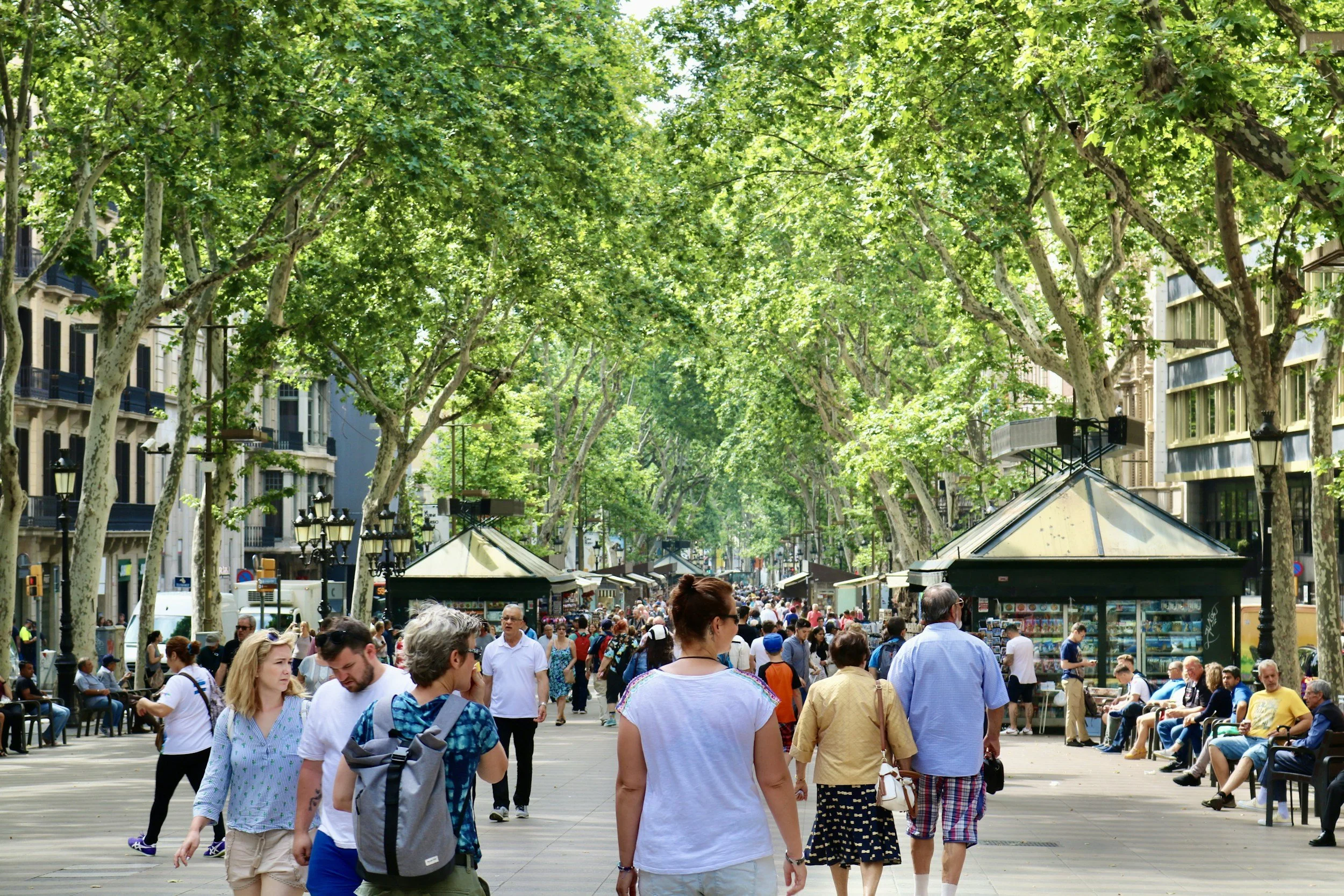
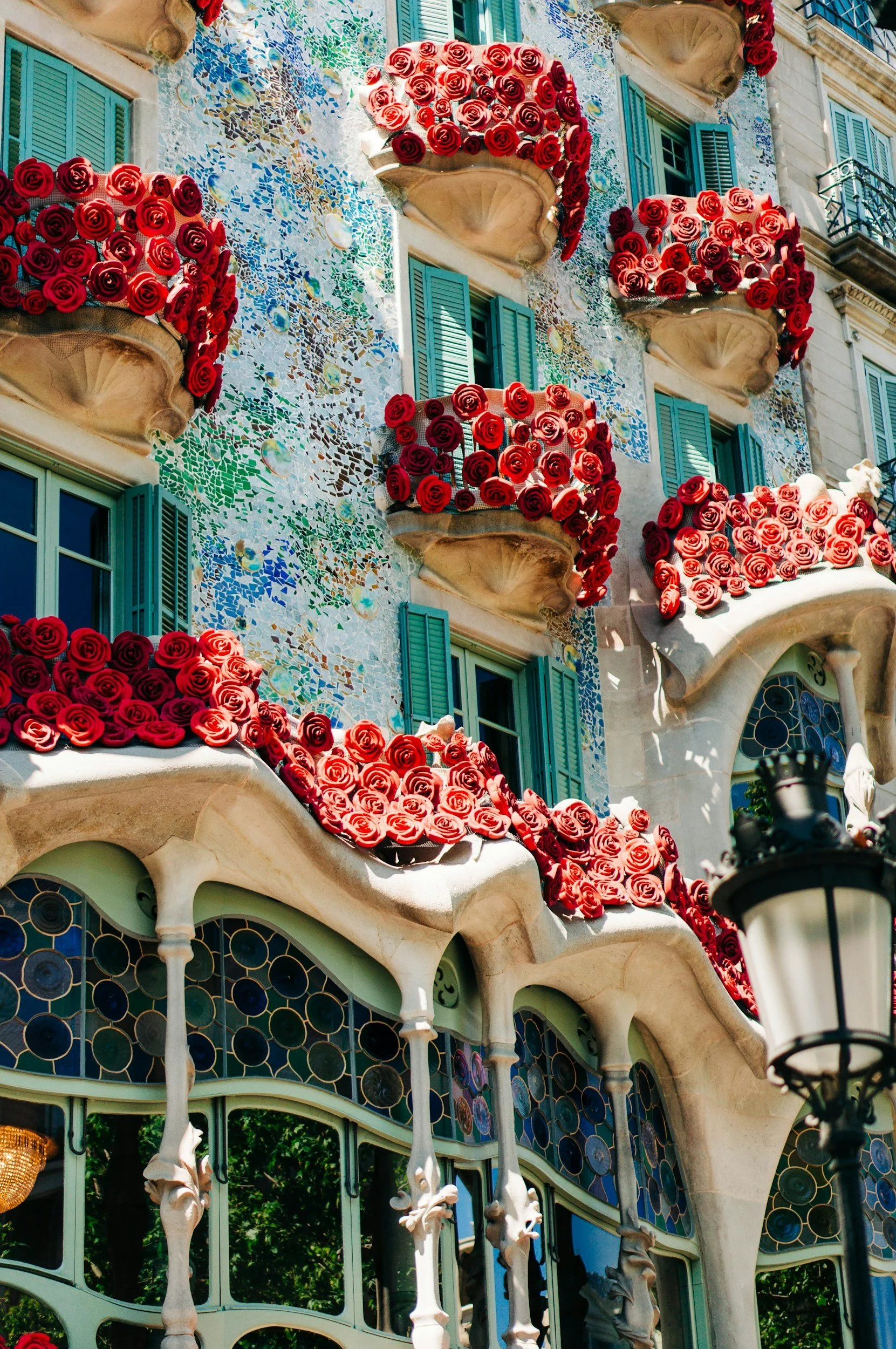
Spring brings warming temperatures (17–26°C), blooming flowers, increasing daylight, and natural energy. Crowds are moderate to heavy, building towards peak season. Prices are reasonable. Correfoc (May) brings fire festivals. This is excellent for beach visits, exploring Gaudí sites, and enjoying outdoor café culture without summer crowds.
Summer
When is it? June to August
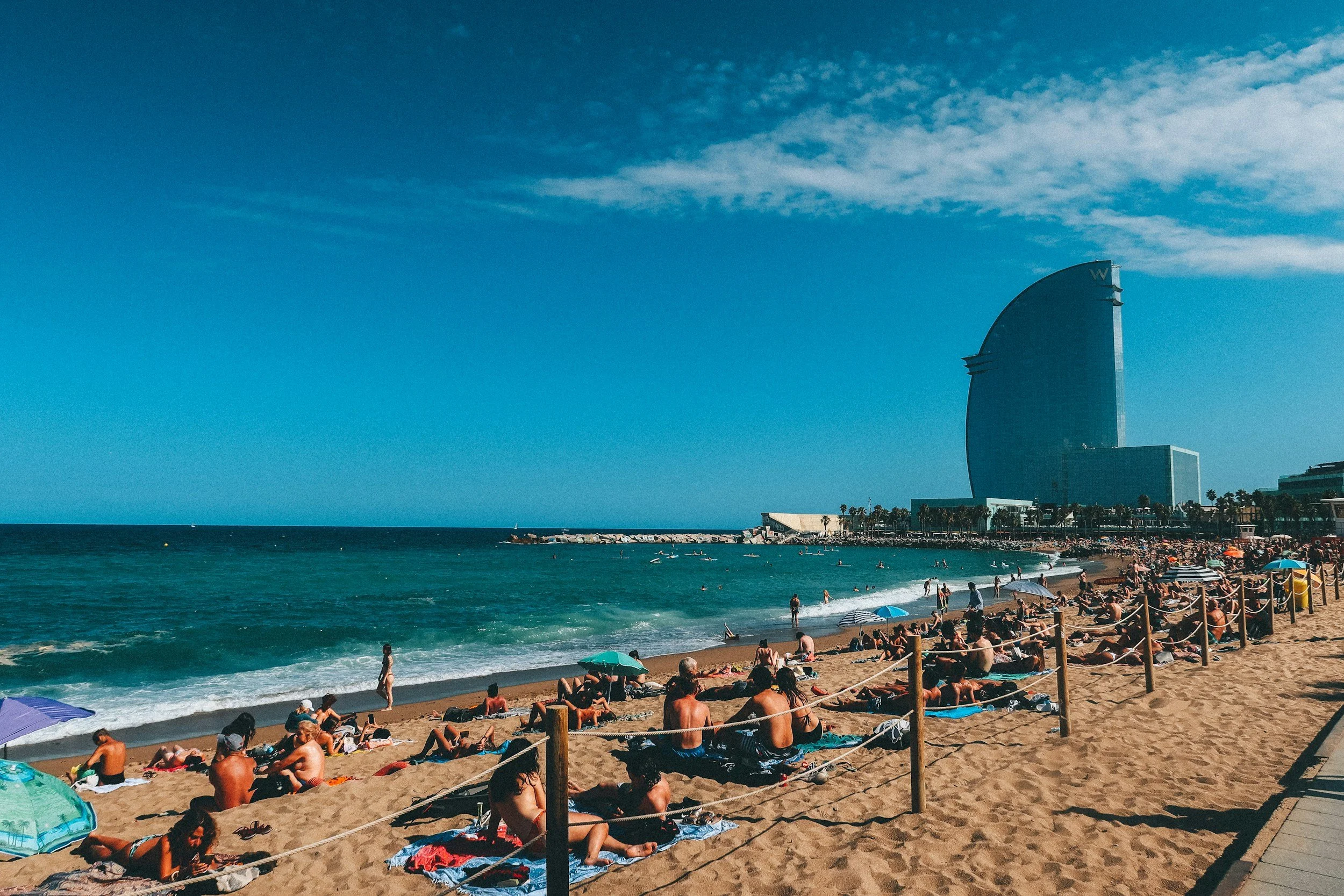
Summer is hot (25–32°C) with longest daylight and perfect beach weather. Crowds are at their absolute peak, particularly July and August. Prices are elevated. Beaches are packed with swimmers. Primavera Sound Festival (June), Sonar Festival (June), and Festa de la Versòlia (July) bring cultural energy. Open-air dining is vibrant. This suits beach lovers unconcerned about overwhelming tourism.
Autumn
When is it? September to November
Autumn brings pleasant temperatures (22–26°C), golden light, and significantly decreasing crowds. Prices moderate but remain reasonable. Sea temperatures remain warm for swimming. La Mercè Festival (September) celebrates Barcelona's patron saint with spectacular events. Barcelona International Jazz Festival (October/November) features international performers. This rivals spring for pleasant weather with notably fewer crowds.
Winter
When is it? December to February
Winter is mild (10–17°C), occasionally rainy, with frequent sunny days. Crowds are significantly reduced, particularly January–February. Prices are lowest, including accommodation and dining. Barcelona feels more like a living city than a museum. Christmas markets brighten November–December. However, occasional rain and cool weather limit beach activities. This suits those seeking authentic Barcelona and willing to accept occasional rain.
Overall, when is the best value time to visit Barcelona?
For the best overall value, visit between April and May or September and October. You'll enjoy pleasant weather, manageable crowds, and reasonable prices – an excellent balance for beaches and culture. For maximum budget savings, visit November or January–February for significantly lower accommodation prices, accepting cooler, occasionally rainy conditions and no beach swimming.
1.73m+
people in Barcelona
City
in Spain