Best time to go to England
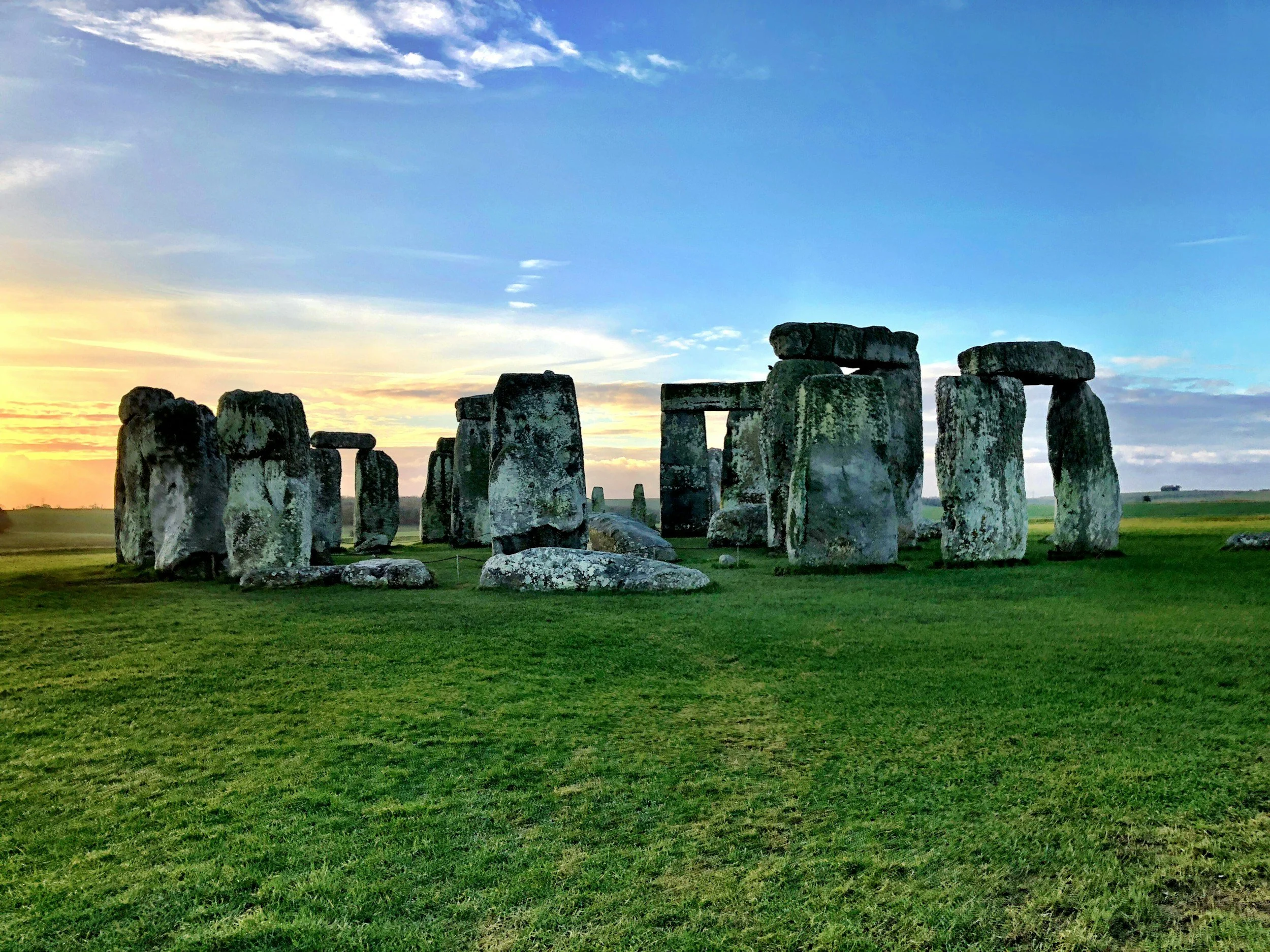
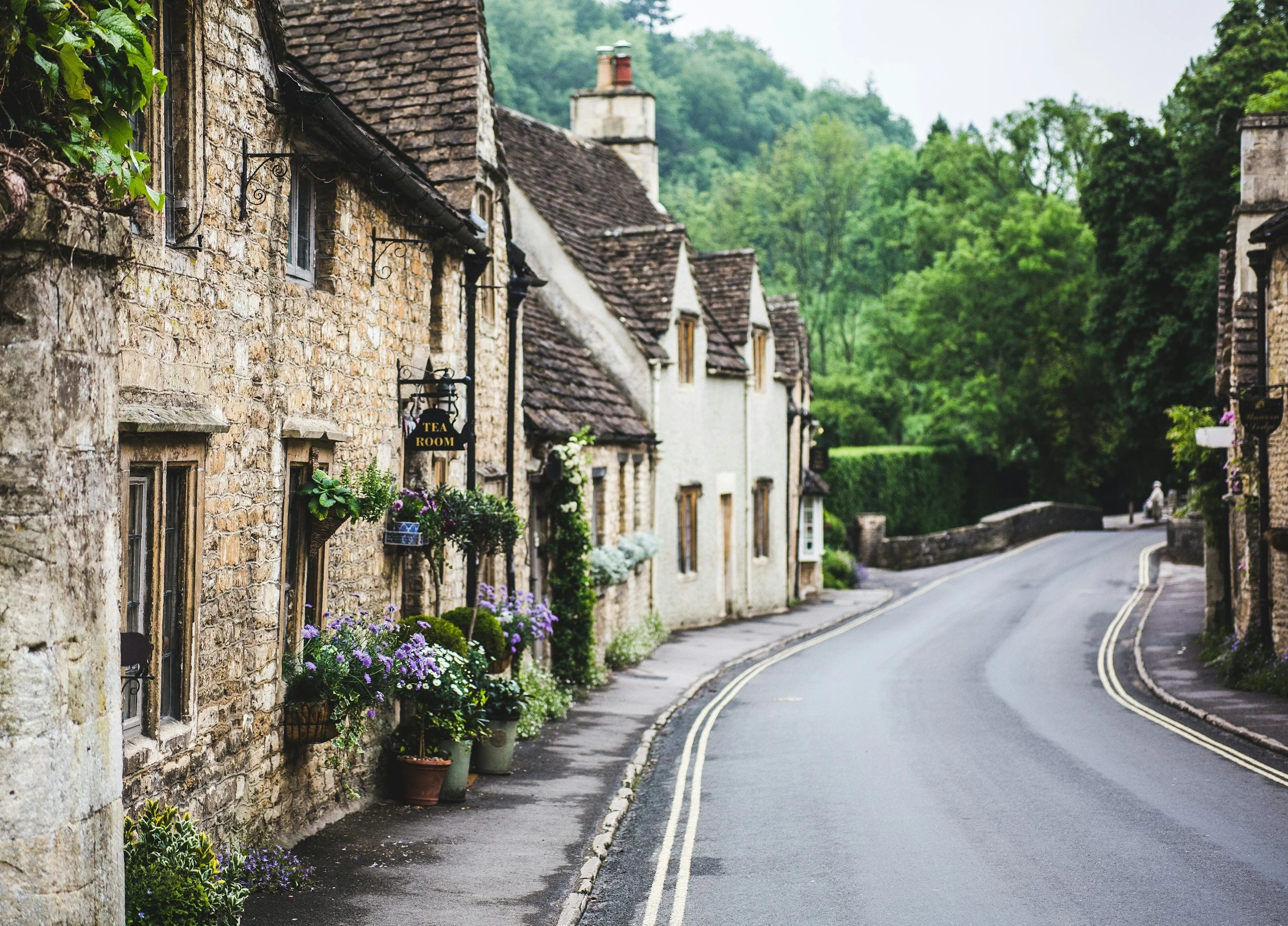
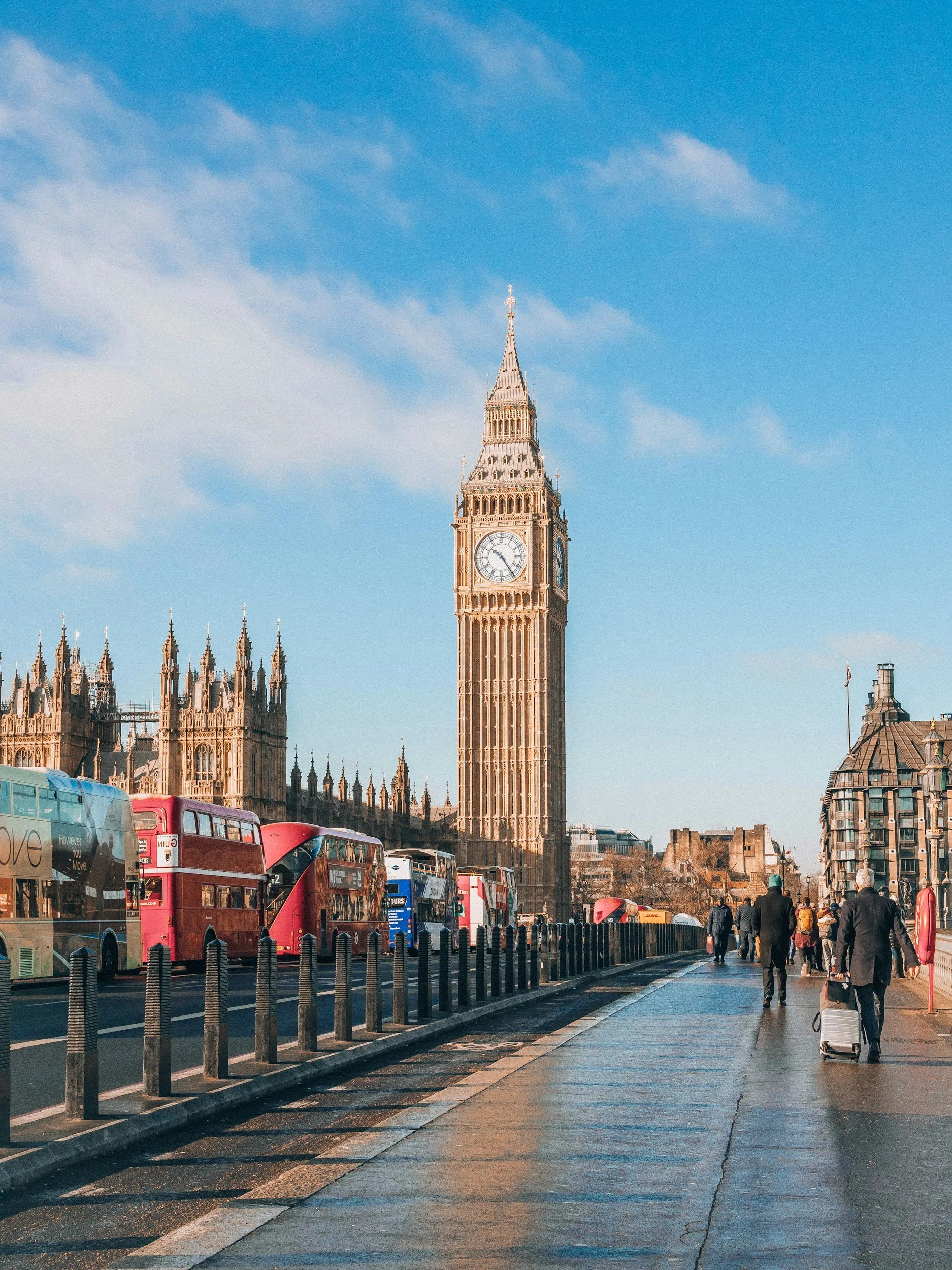
England is the heart of the United Kingdom, home to iconic landmarks like Big Ben, Tower Bridge, and Stonehenge, alongside world-class museums, historic cathedrals, and charming countryside villages. From London's bustling energy to the Cotswolds' rolling hills and Cornwall's dramatic coastline, England offers diverse experiences. The country's temperate maritime climate creates mild but frequently rainy conditions year-round. Spring and autumn are traditionally considered ideal, with comfortable temperatures and lower rainfall. However, each season offers distinct appeal, and travellers willing to embrace England's weather can visit any time of year.
Where in England do you want to go?
While we’ll discuss more broadly about where to to in England on this page, the state is vast and each destination’s “best time” varies a bit”.
Select specific destinations for a more detailed look at their prime times to visit.
TL;DR
When is the best time to visit England?
Weather in England
May through September offers the most pleasant weather in England, with temperatures around 15–22°C, longer daylight hours (extending past 9 PM in summer), and the lowest rainfall. This is genuinely England's best season for comfortable sightseeing and outdoor activities.
If you prefer warmer conditions and don't mind crowds, June through August is warmest (18–22°C). March through April brings milder temperatures (10–15°C), blooming spring flowers, and occasional rainy days – you're trading some warmth for solitude. October remains pleasant (12–17°C) but increasingly rainy. November through February is cool (3–8°C), grey, and rainy, with occasional frost or snow. For reliable weather, stick to May through September, though any month works if you don't mind frequent rain and are prepared with layers.
Prices in England
December through February is lower season with cheaper accommodation and restaurants, though December holidays push prices up.
May through September is high season with higher accommodation, attractions, and restaurant prices. July and August are peak season (school holidays) with the highest prices. March, April, October, and November are shoulder seasons with moderate pricing – a sweet spot for value without peak season costs.
Flight prices from Australia are fairly stable year-round. If budget is your priority, visit January–February or March, when accommodation prices drop noticeably while you still get spring weather in late March and April.

Crowds in England
December through February are quieter, particularly January–February outside Christmas period.
May through September is busy with international and domestic tourists. July and August is extremely crowded, particularly at major attractions and popular regions like the Cotswolds and Cornwall. March, April, October, and November are moderately busy – fewer crowds than summer but still plenty of visitors.
Major attractions like the Tower of London and Westminster Abbey always have queues, but they're shorter outside peak season. For a quieter experience with still-decent weather, visit April, May, or October.
Events and festivals in England
Throughout the year, England boasts cultural, sporting, and seasonal events. So, no matter what time of year you travel, there’s always something doing.
-
When is it? June
Major music festival with diverse genres and performances.
-
When is it? June-July
World's most prestigious grass court tennis tournament.
-
When is it? November-December
Markets, ice skating, and festive celebrations take place in vities throughout England.
Travelling to England in each season
England's seasons create distinct atmospheric experiences, from spring flowers to summer energy and quiet winter exploration.
Spring
When is it? March to May
Spring brings gradually warming temperatures (10–18°C), blooming flowers in parks and gardens, longer daylight hours, and awakening energy throughout the country. Crowds are moderate, building towards peak season. Prices are reasonable, particularly in March and April. Easter holidays (variable timing) bring family crowds. This is excellent for exploring cities, countryside, and enjoying outdoor café culture.
Summer
When is it? June to August
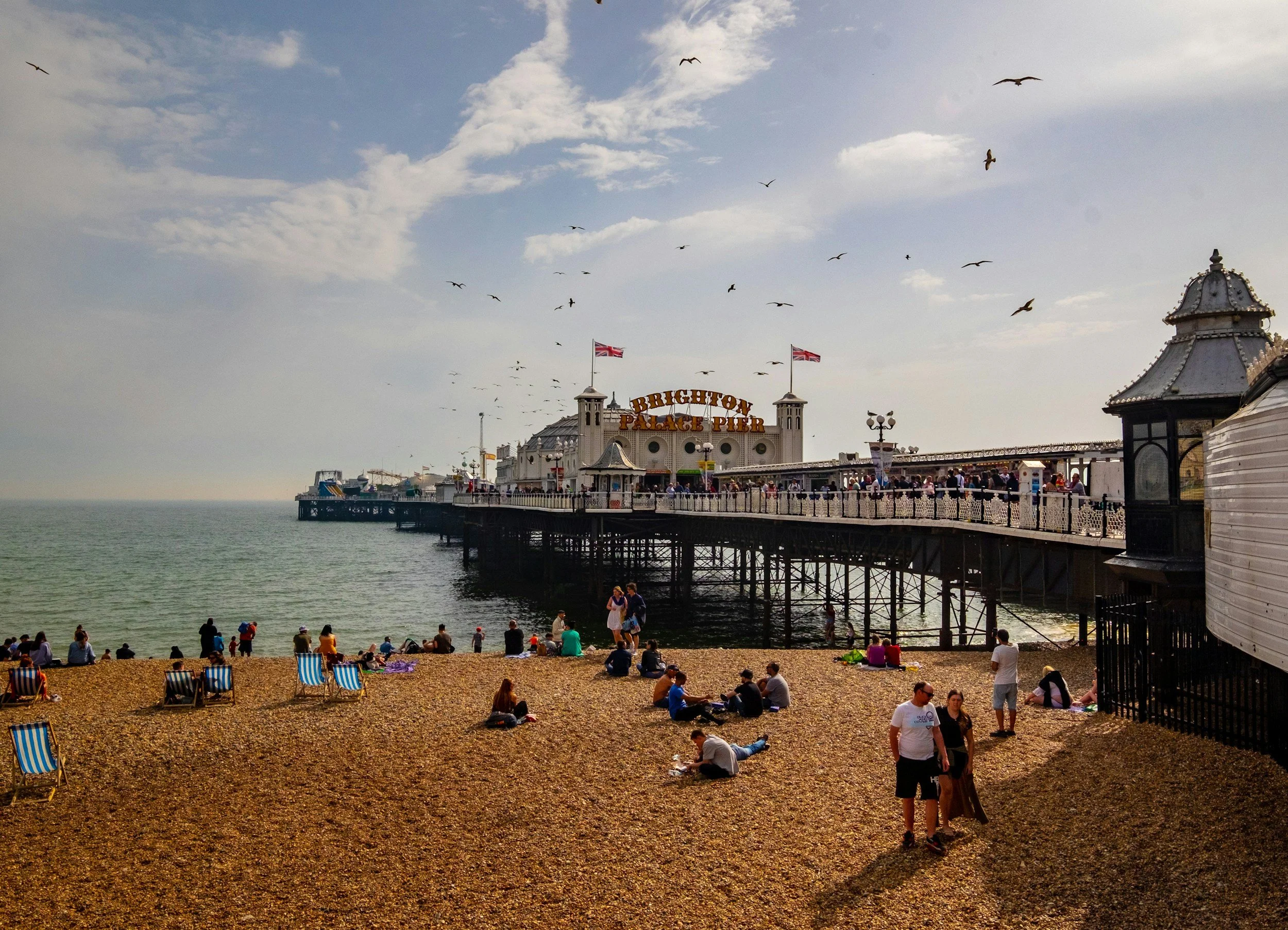
Summer is warmest (18–22°C) with longest daylight hours and outdoor activities throughout the country. Crowds are at their peak, particularly July and August during school holidays. Prices are highest. Open-air theatre, concerts, and festivals are abundant. Parks and gardens are at their most beautiful. This suits those enjoying lively, crowded England despite higher costs.
Autumn
When is it? September to November
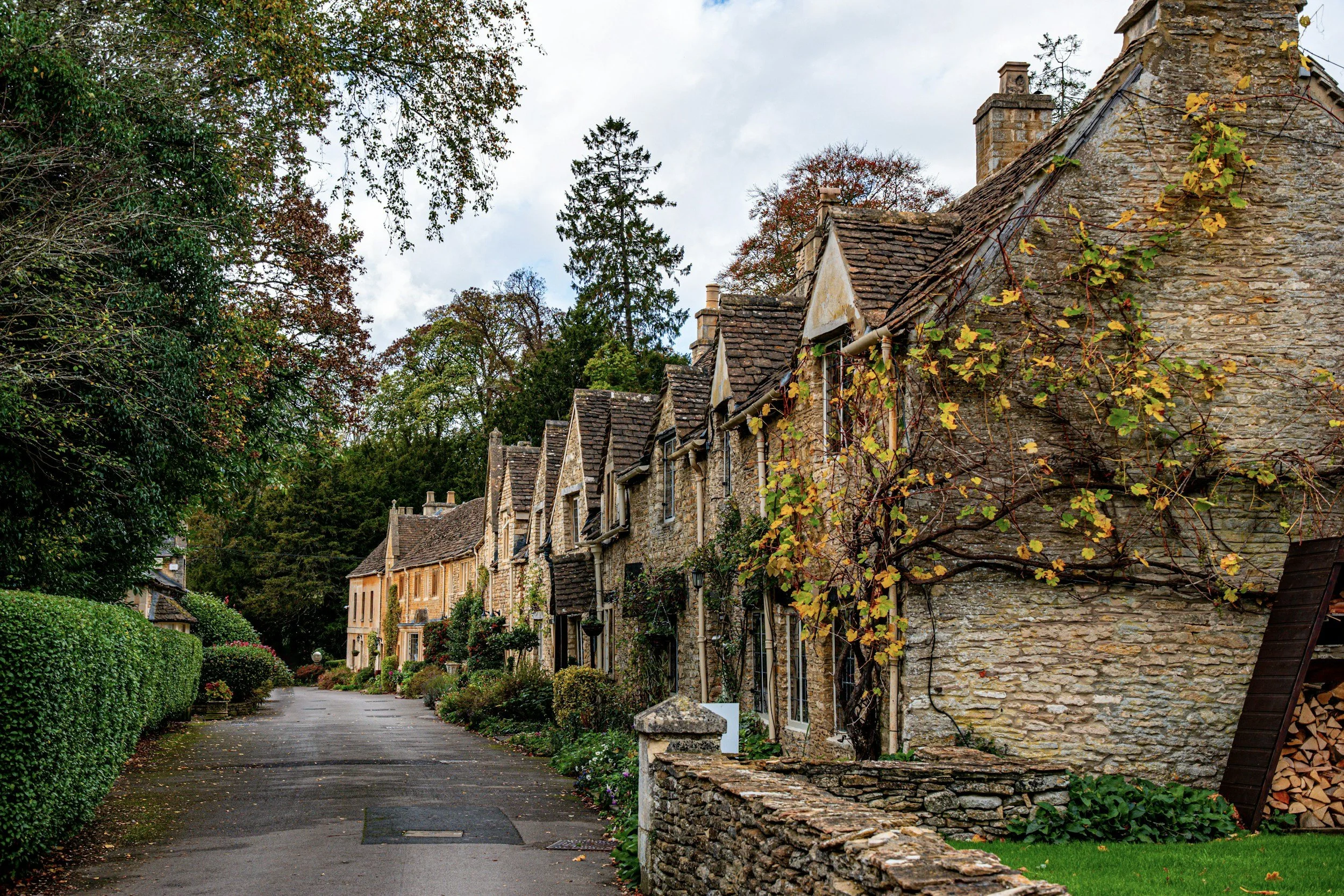
Autumn brings pleasant temperatures (12–18°C), golden light, and decreasing rainfall. Crowds thin significantly after peak season. Prices are moderate to reasonable. September features London Fashion Week. October offers increasingly autumnal landscapes. This rivals spring as England's best season for comfortable visiting with fewer crowds.

Winter
When is it? December to February
Winter is cool (3–8°C), often grey and rainy, with occasional frost or snow. Crowds are minimal outside December holidays. Prices are lowest. Christmas markets, decorations, and ice skating create festive atmosphere. However, short daylight hours (around 8 hours in December) and frequent rain limit outdoor activities. This suits those seeking quiet England and willing to embrace cold, grey weather.
Overall, when is the best value time to visit England?
For the best overall value, visit between May and September, accepting higher prices as trade-off for reliable weather and longer daylight. If budget is your priority, visit March–April or October–November for moderate pricing with still-pleasant weather and fewer crowds than peak season. For maximum savings, visit January–February for the lowest accommodation prices, though you must accept cold, grey, potentially rainy conditions and many attractions having reduced hours.

56m+
people in England
Country
in the United Kingdom