Best time to go to Philippines

With over 7,000 islands to explore, the Philippines is a tropical playground that offers everything from world-class surfing to hidden lagoons and vibrant city life. For most Australian travellers, the best time to visit the Philippines overall is between December and February. During these months, the country enters a "cool dry" phase where the humidity is lower, the skies are clear, and the temperatures are comfortable for both beach hopping and city exploring. This window avoids the scorching heat of the later dry season and the unpredictability of the typhoon months.
If you are a keen diver or surfer, your ideal timing might shift slightly. Divers will find the calmest, clearest waters from March to May, while surfers should aim for August to November to catch the best swells on the eastern coasts like Siargao.
TL;DR
When is the best time to visit the Philippines?
Head over between December and February for the most reliable weather, or aim for March to May if you want peak sunshine and don't mind the heat.
Weather in the Philippines
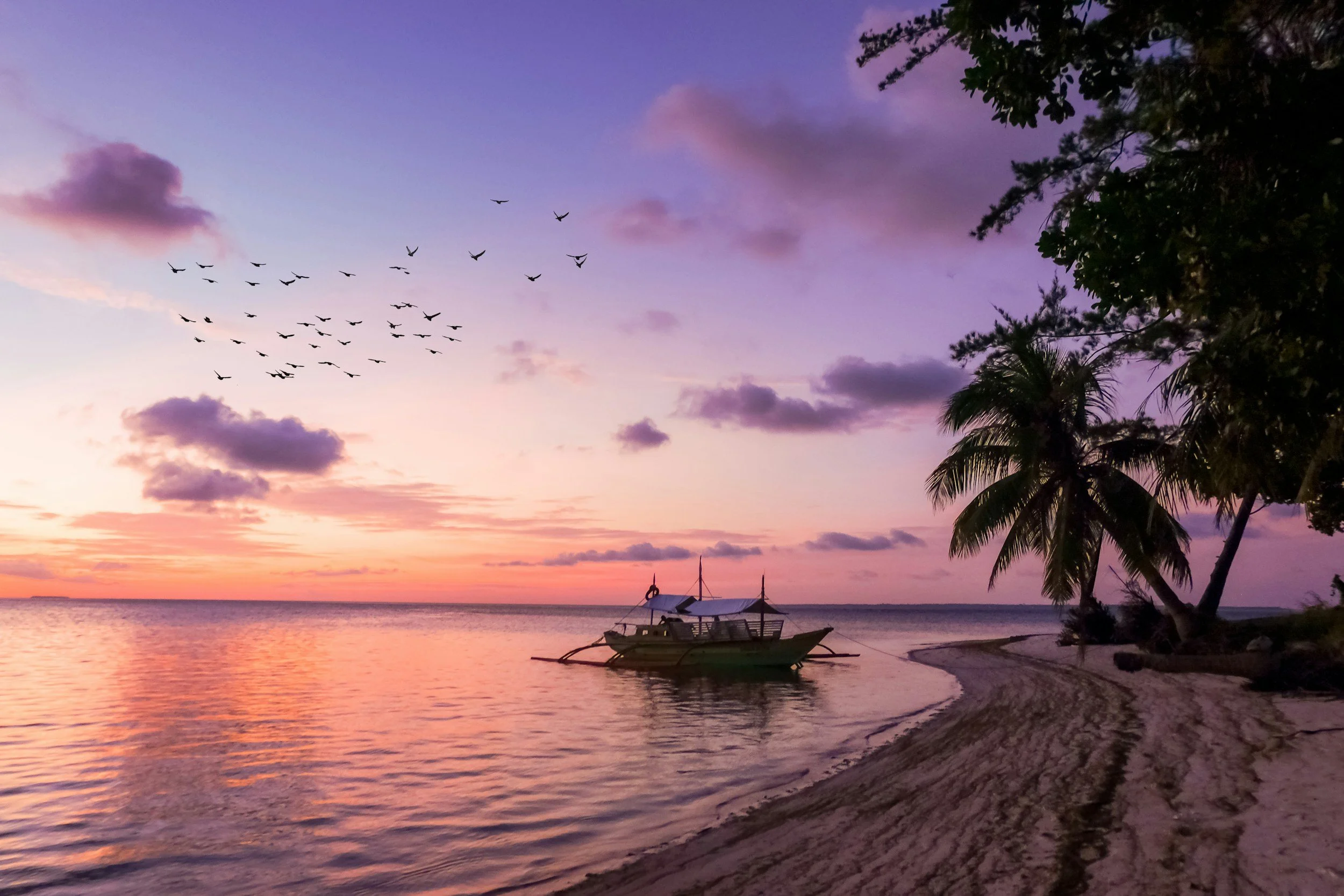
The Philippines essentially has two seasons: dry and wet. For the best weather, you should plan your trip during the dry season (November to May). This is the prime time for beach lovers, as you’ll enjoy plenty of sun and minimal rain in popular spots like Boracay and Palawan. From March to May, the heat intensifies, with temperatures often climbing into the mid-30s. The wet season (June to October) brings higher humidity and a greater risk of typhoons, particularly in the northern regions. However, rain often falls in short, heavy bursts, leaving pockets of sunshine throughout the day.
Prices in the Philippines
For Australians keeping an eye on the budget, the cheapest time to fly to the Philippines is typically during the low season months of August and September. During this period, flight prices from cities like Sydney, Melbourne, and Perth often drop significantly. You will also find excellent discounts on luxury resorts that would otherwise be at capacity. However, be prepared to pay a premium during "Super Peak" periods, which include Christmas, New Year, and Holy Week (the week leading up to Easter). During these times, domestic travel demand is massive, and accommodation prices can double.
Crowds in the Philippines
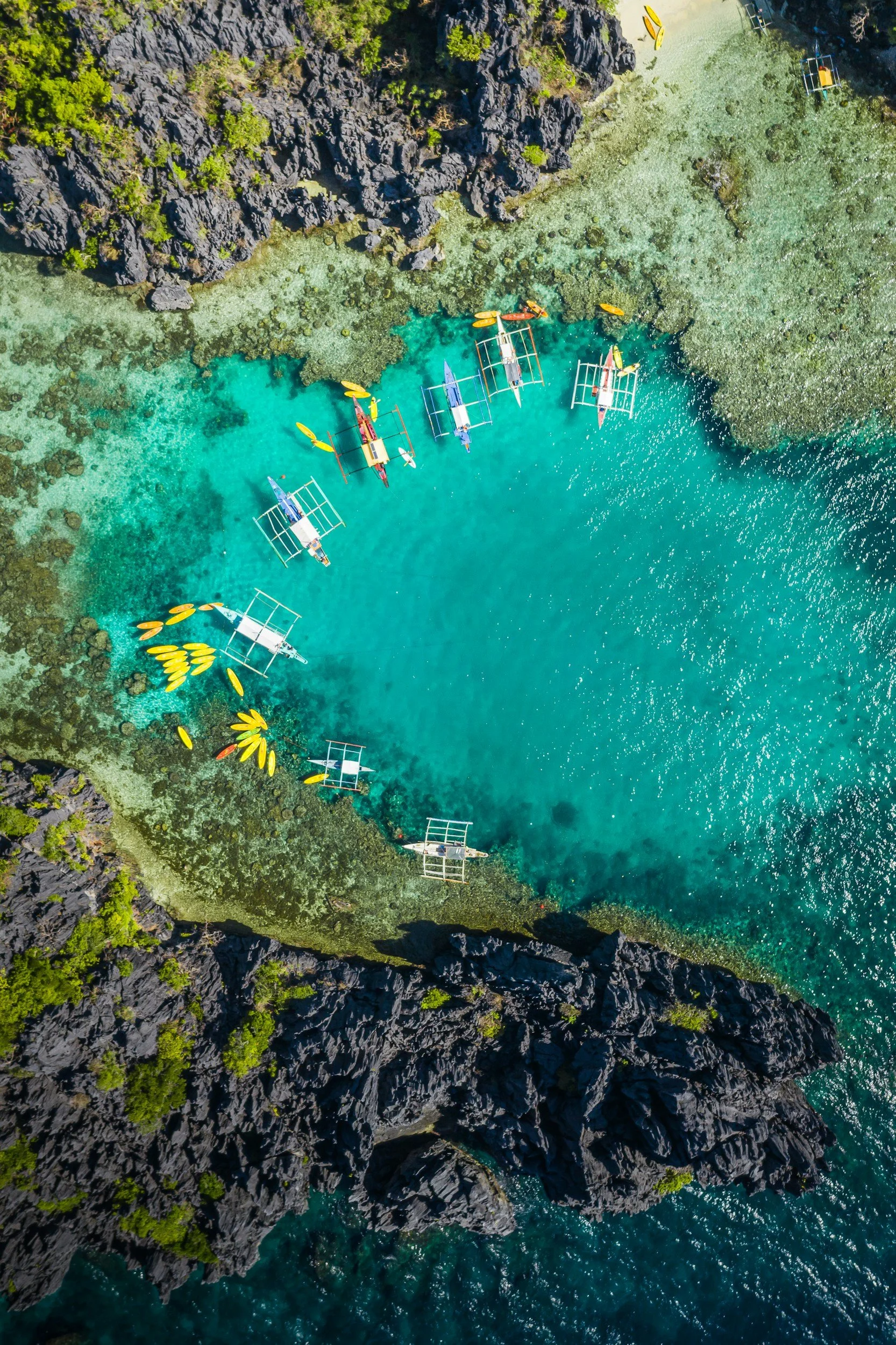
If you prefer a quieter holiday, aim for the shoulder months of May and October. You’ll avoid the massive influx of tourists seen during the peak dry season while still enjoying relatively stable conditions. The busiest times are undeniably December and January, as well as Holy Week, when both international travellers and locals flock to the beaches. Popular destinations like El Nido and Boracay can feel quite congested during these peaks. For a more secluded experience, consider exploring the southern Visayas during the "green season" when the crowds are significantly thinner.
Events and festivals in the Philippines
The Philippines is famous for its "fiestas," which are vibrant, high-energy celebrations of culture and faith that occur year-round across the archipelago.
-
When is it? January
Known as the "Mother of All Festivals," featuring tribal costumes and soot-painted dancers.
-
When is it? February
A month-long flower festival featuring giant floral floats.
-
When is it? December
A stunning display of massive, intricately lit Christmas lanterns.
Travelling to December in each season
Because the Philippines is an archipelago, the "seasonal" experience can vary depending on which island group you visit, though the general weather patterns remain fairly consistent.
Spring
When is it? March to May
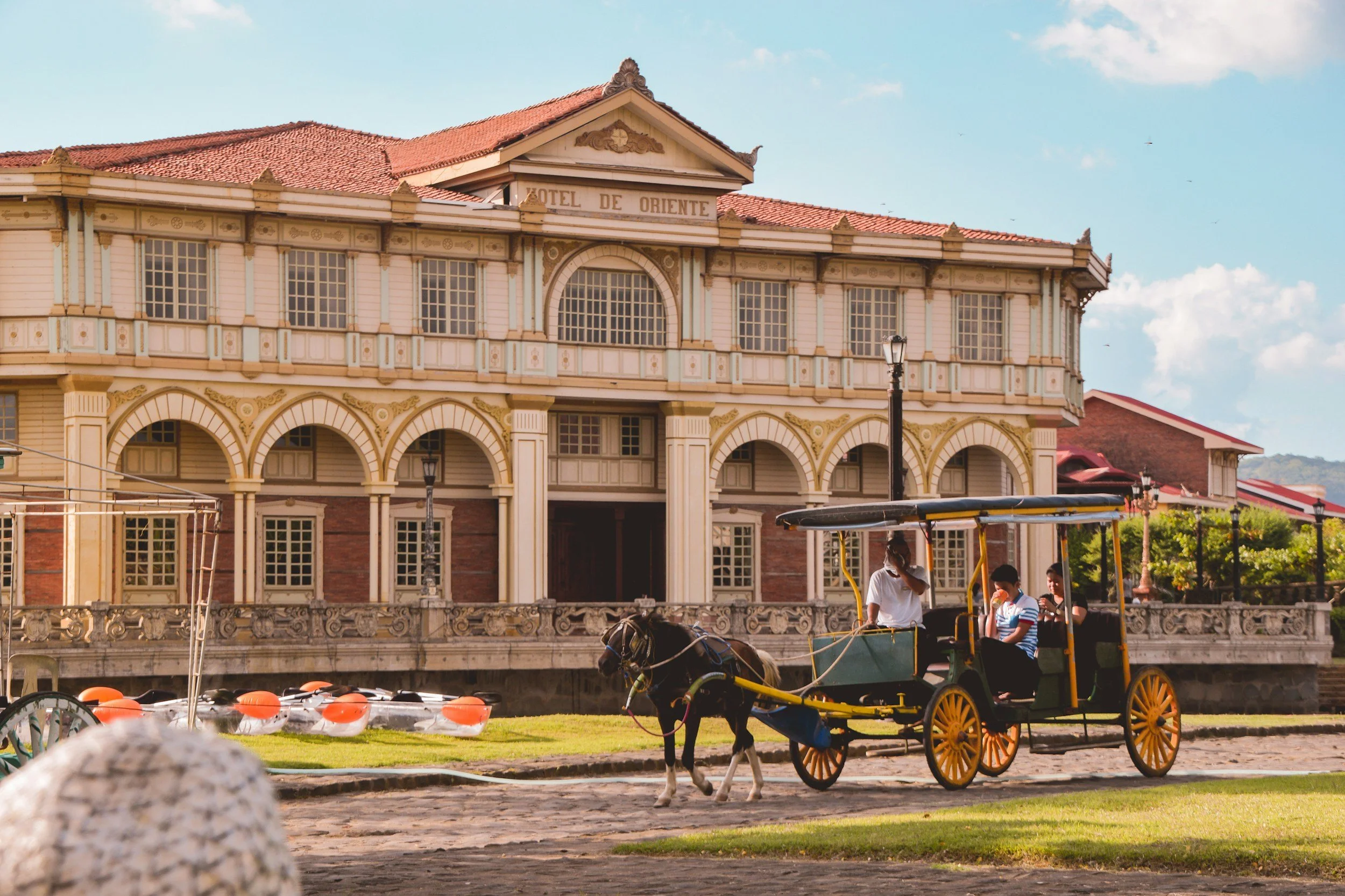
In the Philippines, spring (March to May) is the height of the "hot dry" season, where you can expect glorious sunshine and very warm sea temperatures. It is the busiest time for domestic travel due to school holidays and Holy Week, so expect crowded beaches and higher prices. This is the premier time for diving and snorkelling, as underwater visibility is at its absolute best.
Summer
When is it? June to August
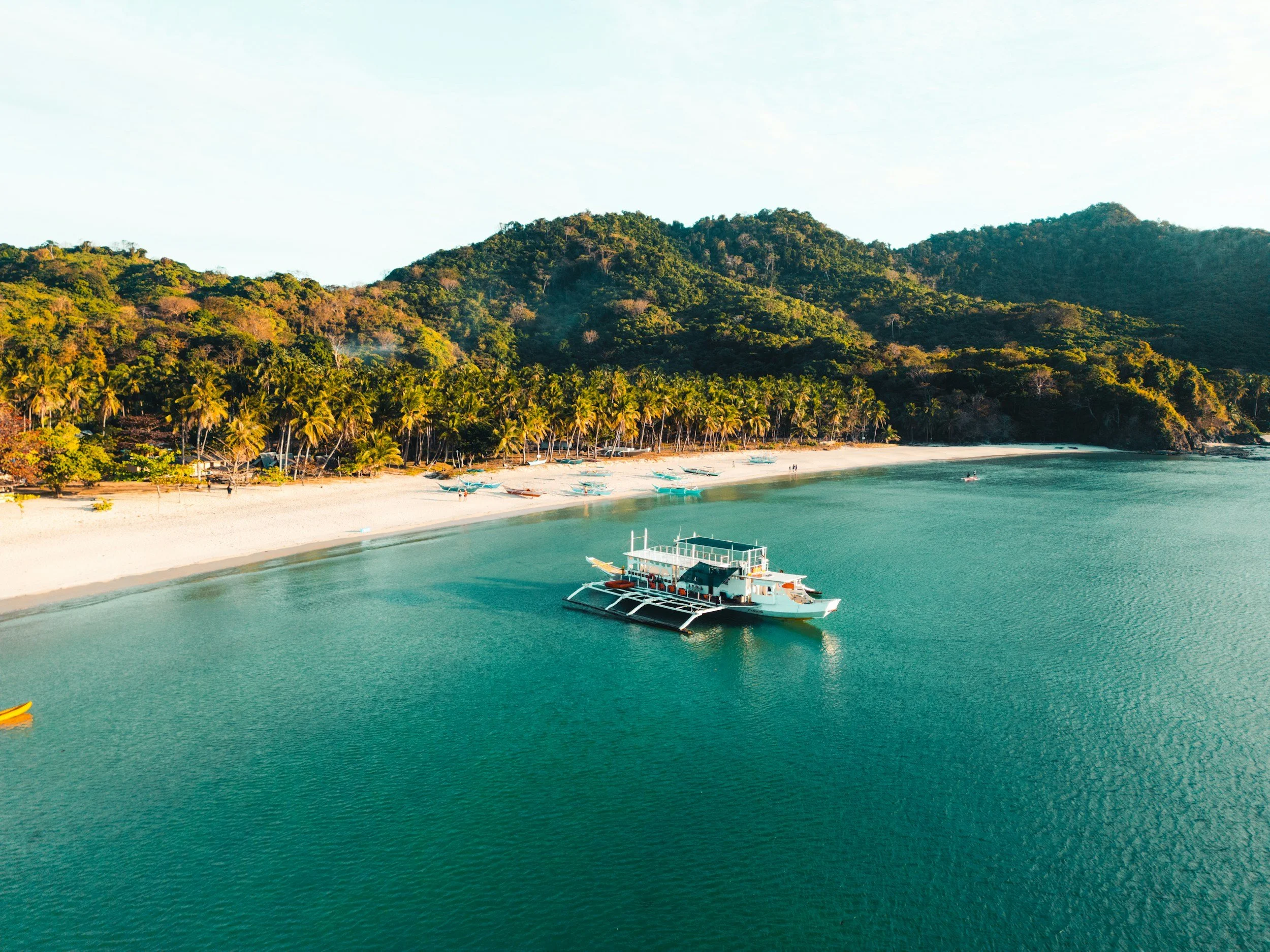
Summer (June to August) marks the beginning of the rainy season, though the southern islands often remain drier than the north. You’ll find much lower prices on accommodation and flights from Australia, making it a great time for budget travellers who don't mind the occasional tropical downpour. Festivals like the Kadayawan in Davao keep the energy high even during the wetter months.
Autumn
When is it? September to November
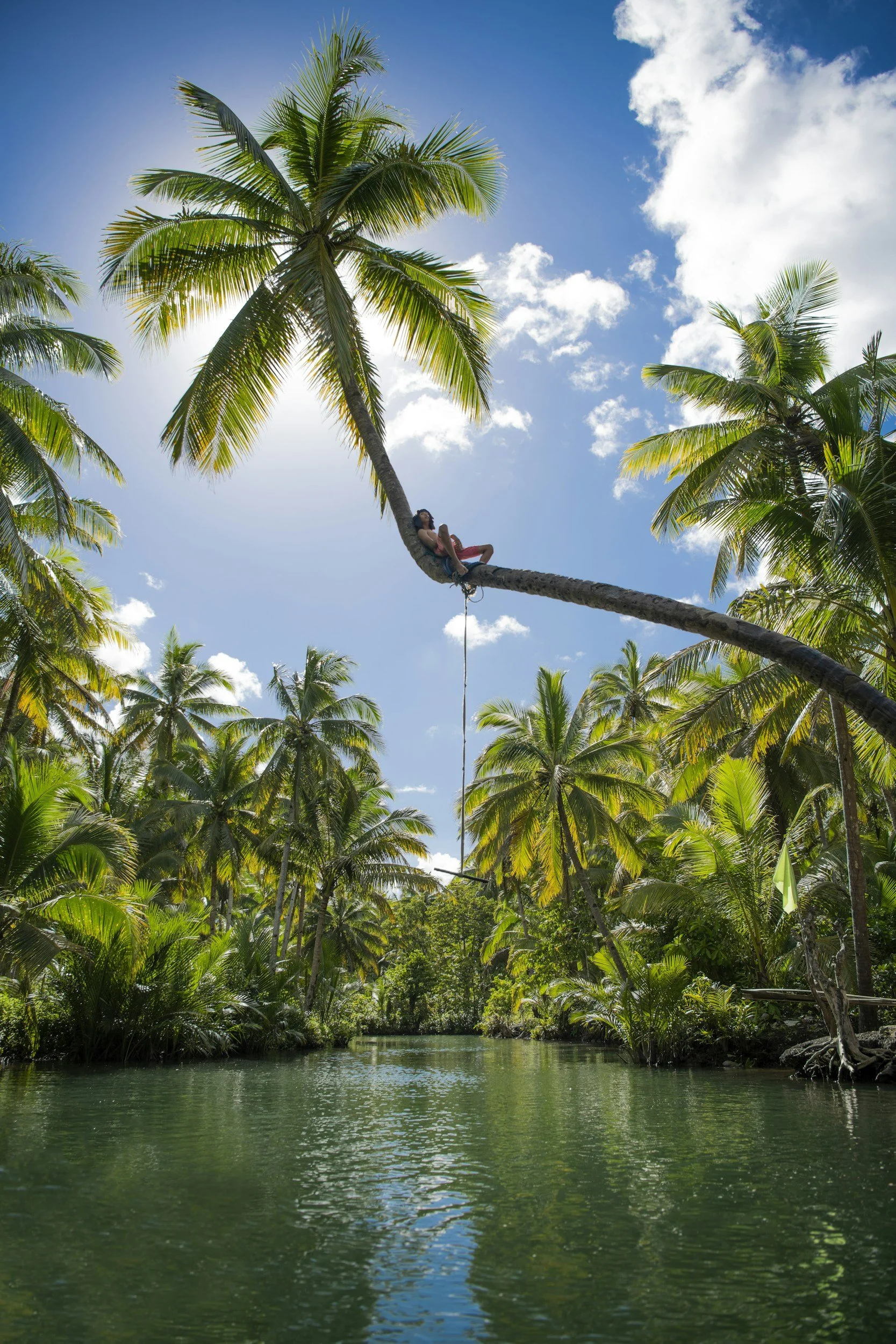
Autumn (September to November) is a transitional period where the rains begin to taper off, particularly toward late October. This is the peak season for surfers, especially on the island of Siargao, as the "Cloud 9" swells reach their legendary status. Crowds are generally thin, and you can find great value deals before the Christmas rush begins in December.
Winter
When is it? December to February
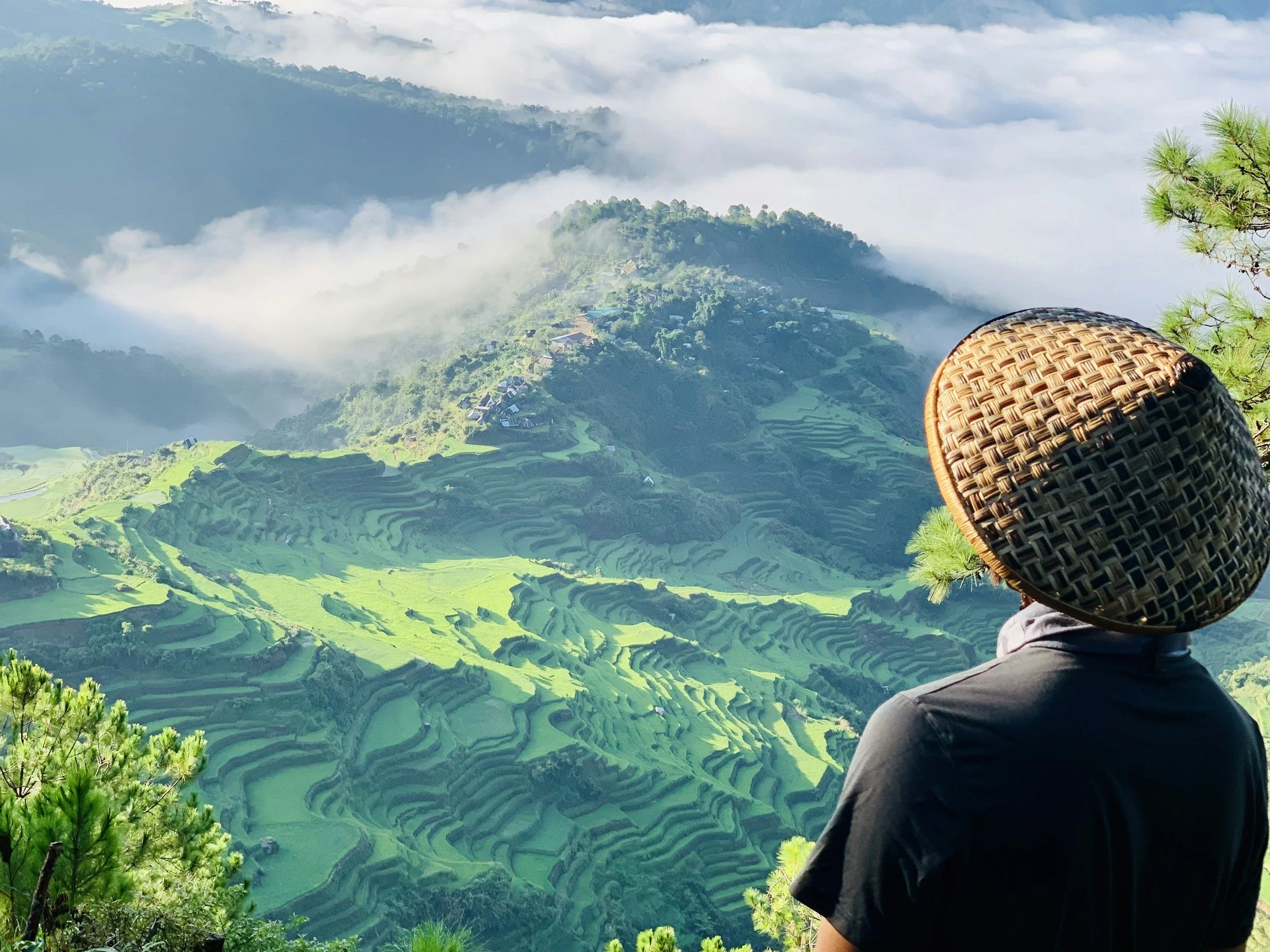
Winter (December to February) is widely considered the "Goldilocks" zone for Philippines travel, offering the most comfortable temperatures and dry skies. This is the most popular time for international tourists to visit, leading to a festive atmosphere but also busier resorts and higher airfares. It is the perfect time for trekking the Cordillera rice terraces or lounging on the white sands of Palawan.
Overall, when is the best value time to visit the Philippines?
For the ultimate balance of fair weather and fair prices, the best value time to visit the Philippines is in November or May. November sees the end of the monsoon season, meaning the landscape is lush and green, but the peak-season prices haven't quite kicked in yet. Similarly, May marks the end of the dry season; while it can be quite warm, you can often snag "shoulder season" discounts just as the crowds begin to disperse.
By choosing these months, you’re less likely to experience the travel disruptions common in the peak of the wet season, yet you’ll avoid the "Super Peak" surcharges of the Christmas and Easter periods. It is the "sweet spot" that allows your Australian dollar to go a lot further while still ensuring you get that quintessential tropical island experience.a
112m+
people in the Philippines
Country
in Asia