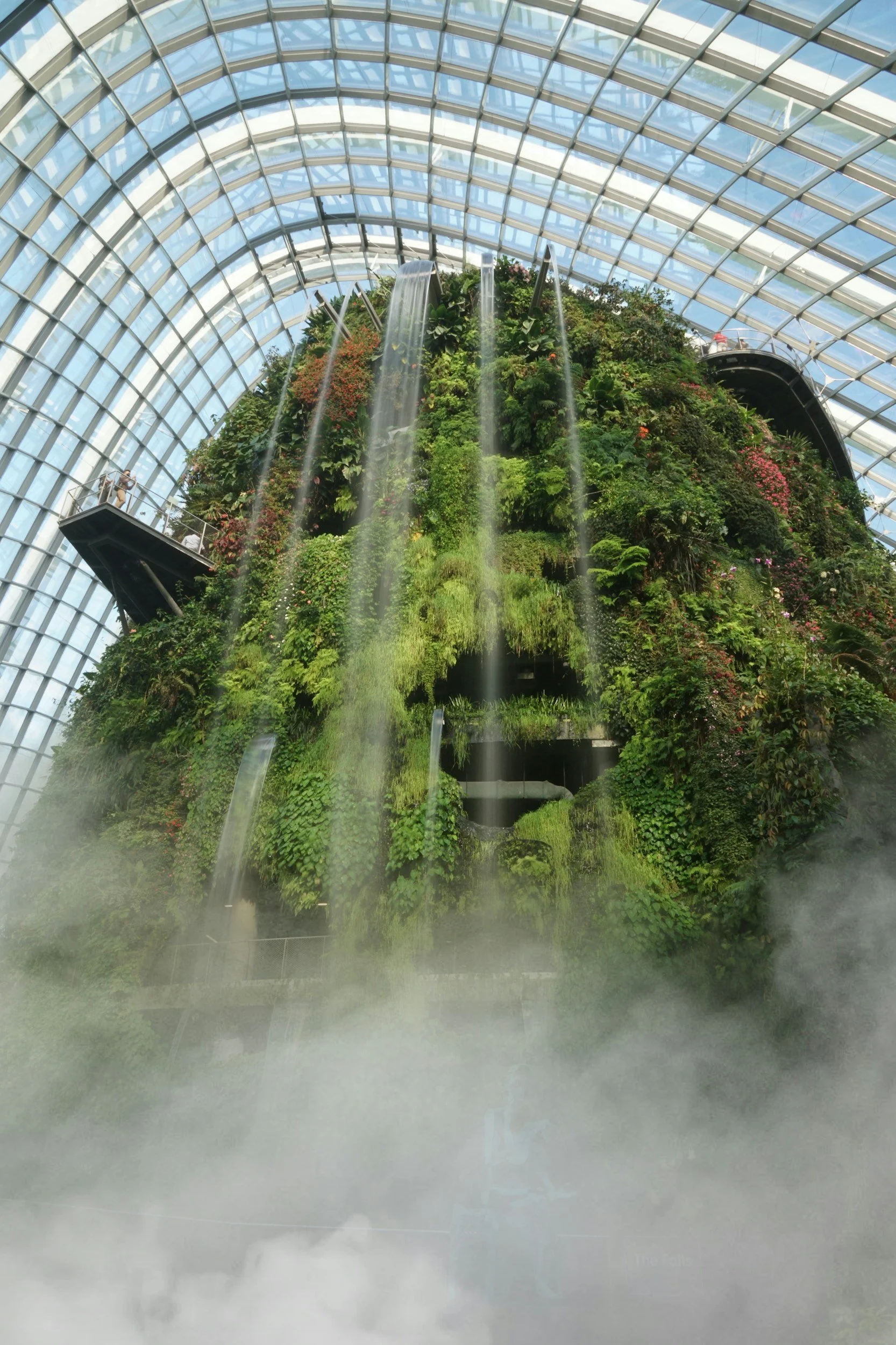
Best time to go to Singapore
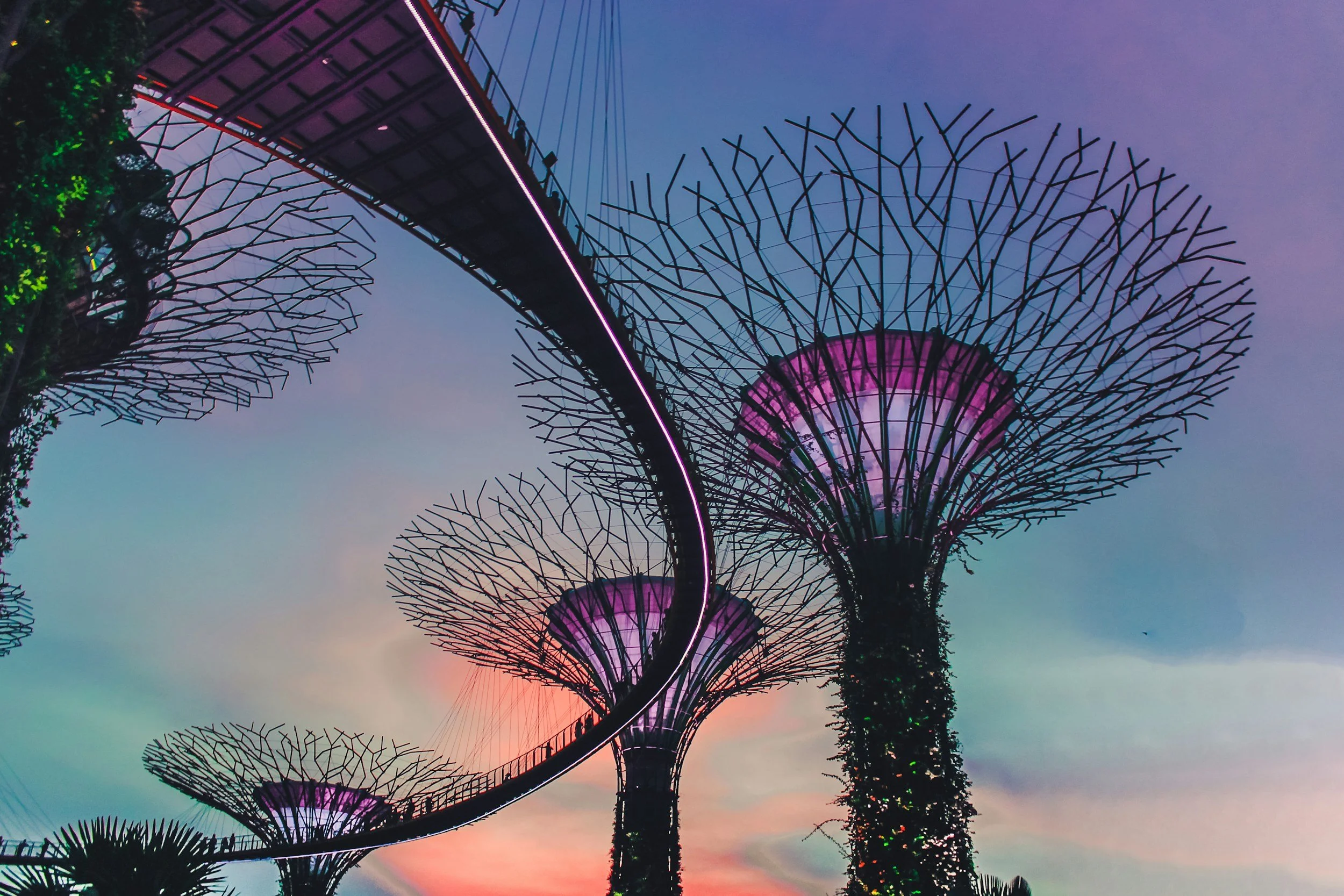
Singapore is much more than a convenient stopover on the way to Europe; it is a world-class destination where futuristic architecture meets lush tropical gardens and legendary street food. For Australians, it is a tantalisingly close escape that offers a blend of high-end shopping on Orchard Road and family fun on Sentosa Island. However, because Singapore sits just north of the equator, the "seasons" work a little differently than they do back home. Rather than hot summers and cold winters, the city experiences tropical heat year-round, with the main variations coming from the monsoon rains. Whether you are chasing the Great Singapore Sale or looking for the best light for photos at Gardens by the Bay, timing your visit can help you avoid the steepest humidity and the biggest crowds.
TL;DR
When is the best time to visit Singapore?
Weather in Singapore
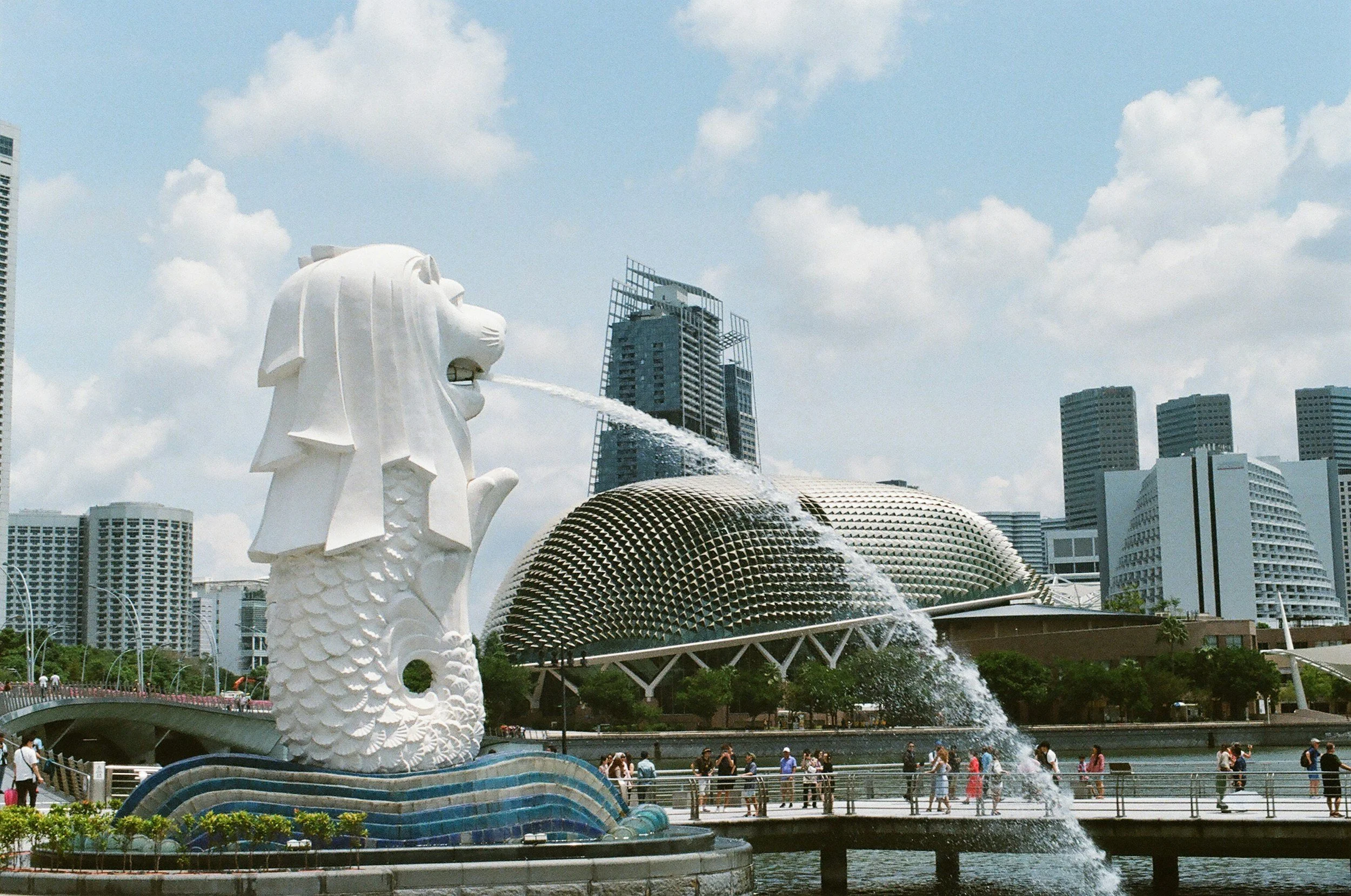
Singapore is warm and humid all year, with temperatures consistently hovering between 25°C and 32°C. Because it is a tropical island, you should always expect a little rain, but the driest months are February and March. This is the perfect time for Aussies looking for outdoor adventures, as the humidity is at its most manageable and the risk of a washout is low. Conversely, the "wet season" peaks from November to January during the Northeast Monsoon, where you can expect sudden, heavy downpours in the afternoons. While there is no snow in sight, the rain provides a refreshing break from the tropical heat.
Prices in Singapore
For the best flight and hotel deals from Australia, aim for the off-peak months of August to October. Aside from the Formula 1 weekend in September, this period sees a dip in demand, meaning your Aussie dollar will stretch further on boutique accommodation and flights from cities like Perth or Sydney. Avoid the December and January peak, as Christmas festivities and the Lunar New Year send prices skyrocketing. Additionally, keep an eye on the Australian school holiday periods in July and late September, as the "hop across the ditch" becomes a popular family route, causing airfares to spike.
Crowds in Singapore
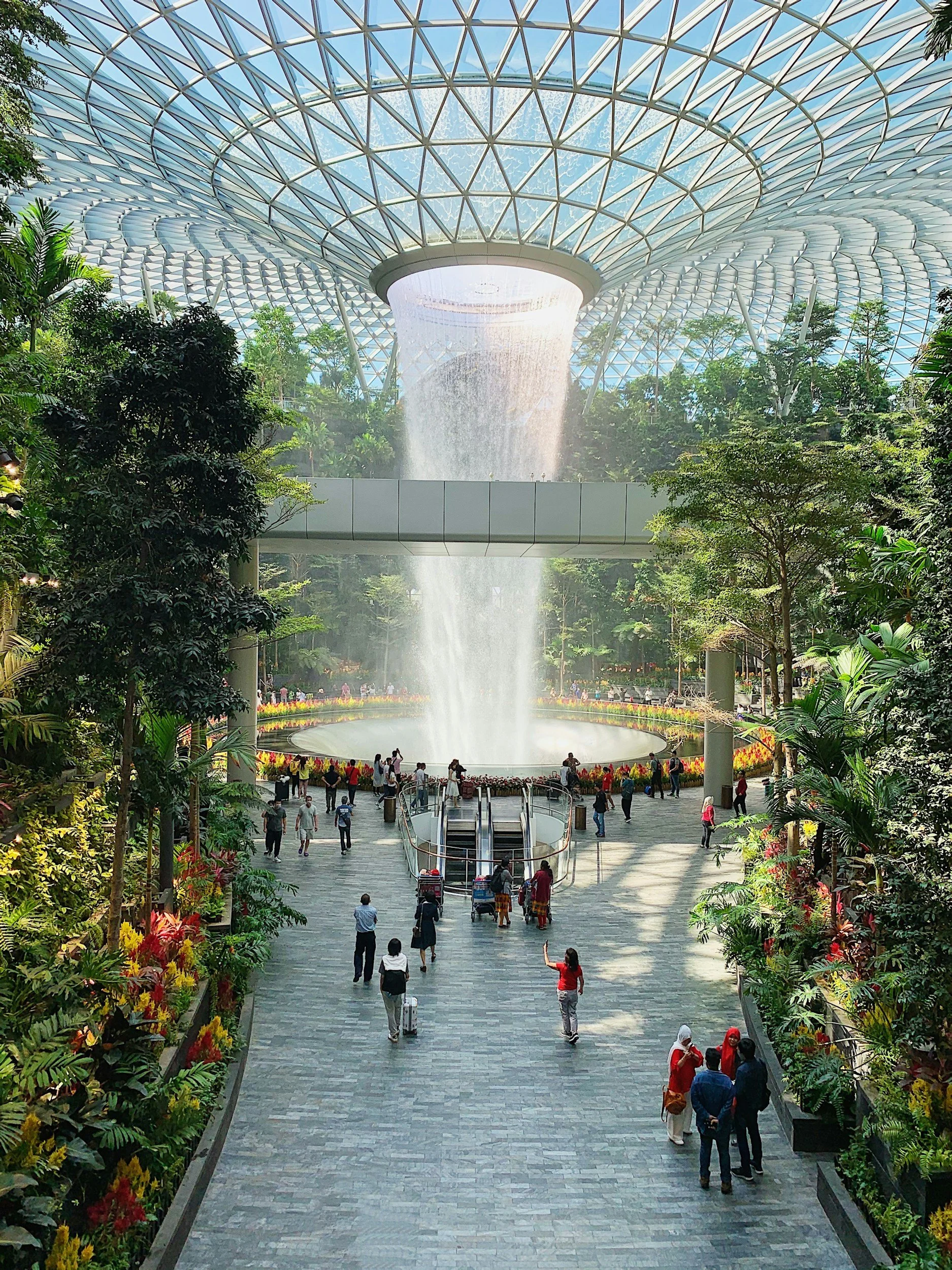
Singapore is a global hub, so it is rarely "quiet," but the crowds are at their thinnest in April and May, and again from August to October. The busiest times coincide with major cultural events and holidays; late January to February for Chinese New Year brings a massive influx of visitors to Chinatown, while June and July are packed with families during the Singaporean and Australian school holiday break. If you want to visit popular spots like Universal Studios or the S.E.A. Aquarium without the long queues, try to avoid these peaks and aim for a mid-week visit during the shoulder seasons.
Events and festivals in Singapore
Singapore’s social calendar is incredibly diverse, reflecting its multicultural heritage and status as a global entertainment hub.
-
When is it? January or February
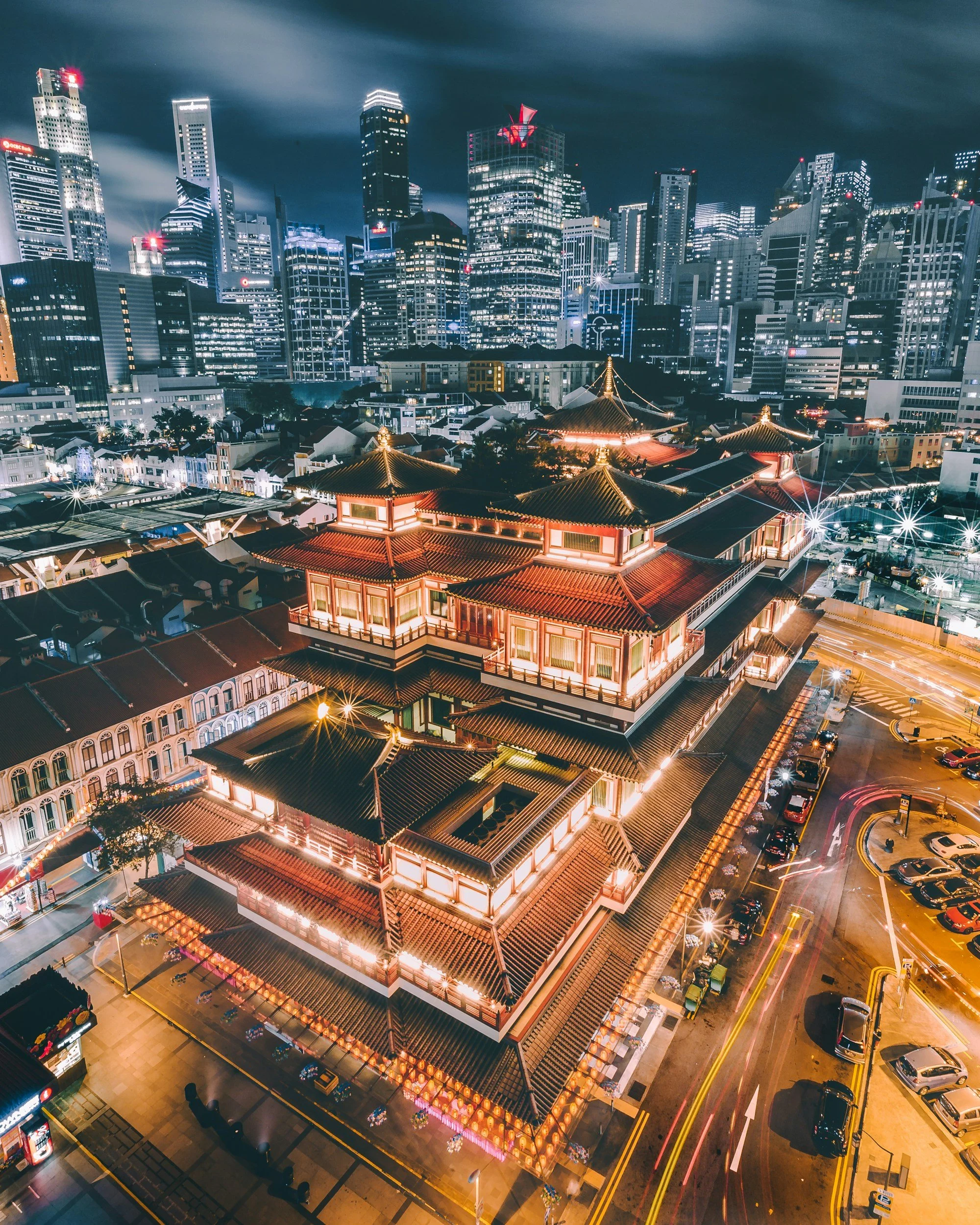
The Year of the Horse brings vibrant light-ups, night markets, and dragon dances to Chinatown.
-
When is it? March
Celebrating the end of Ramadan with spectacular light displays and food bazaars in Geylang Serai.
-
When is it? September
The famous night race that turns the Marina Bay area into a high-octane street circuit.
Travelling to Singapore in each season
In Singapore, "seasons" are less about the temperature and more about the monsoons and the local holiday vibes. At just 137km to the north, the city-state sits pretty much bang on the equator so doesn’t really get much variation when it comes to seasons.
Spring
When is it? March to May
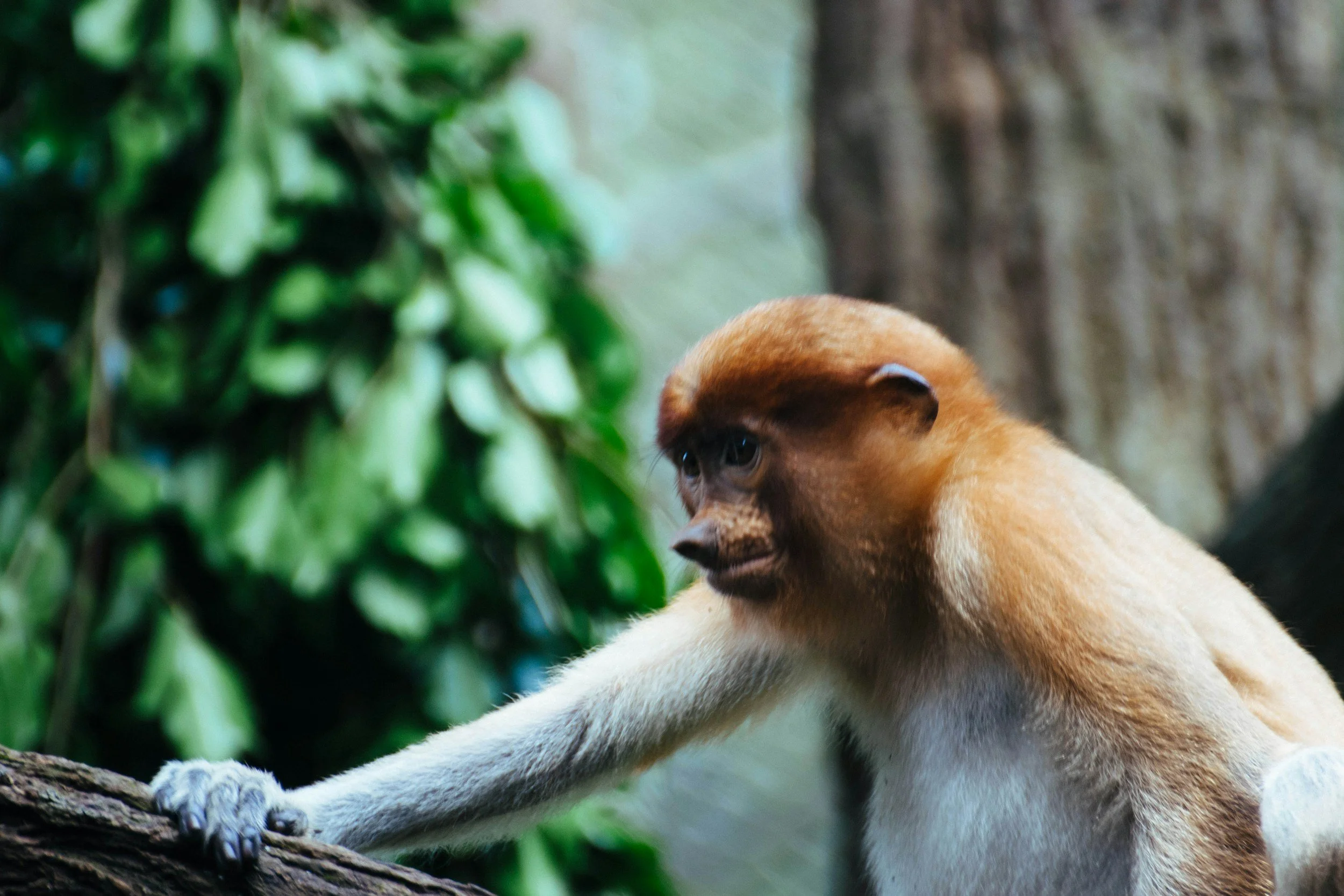
Spring (March to May) offers some of the best weather for Aussies, with less rain and clear, blue skies perfect for the Singapore Zoo. While the humidity begins to creep up in May, pricing is generally moderate outside of the Easter break, and the city’s gardens are in full, lush bloom.

Summer
When is it? June to August
Summer (June to August) is relatively dry in Singapore, but very hot. It also coincides with local and some international mid-year school holidays, so expect more families at places like attractions and theme parks on Sentosa Island and slightly higher hotel rates.

Autumn
When is it? September to November
Autumn (September to November) is dominated by the excitement of the Formula 1 Grand Prix in September, which brings a electric atmosphere but also the year's highest hotel prices. Outside of the race weekend, October and November are great value months, though you’ll want to pack an umbrella as the pre-monsoon rains start to arrive.
Winter
When is it? December to February
Winter (December to February) is the festive peak, with Orchard Road dripping in Christmas lights and the Lunar New Year soon following. This is the wettest time of the year, so plan for plenty of indoor activities like exploring the Jewel at Changi or the National Gallery, but the cooler "monsoon surges" offer a welcome reprieve from the heat.
Overall, when is the best value time to visit Singapore?
For Australians looking to balance great weather with their travel budget, the best value time to visit Singapore is August or early November. By choosing August, you miss the mid-year school holiday rush and the expensive Grand Prix crowds, yet you still enjoy relatively dry weather and can catch the festivities of National Day.
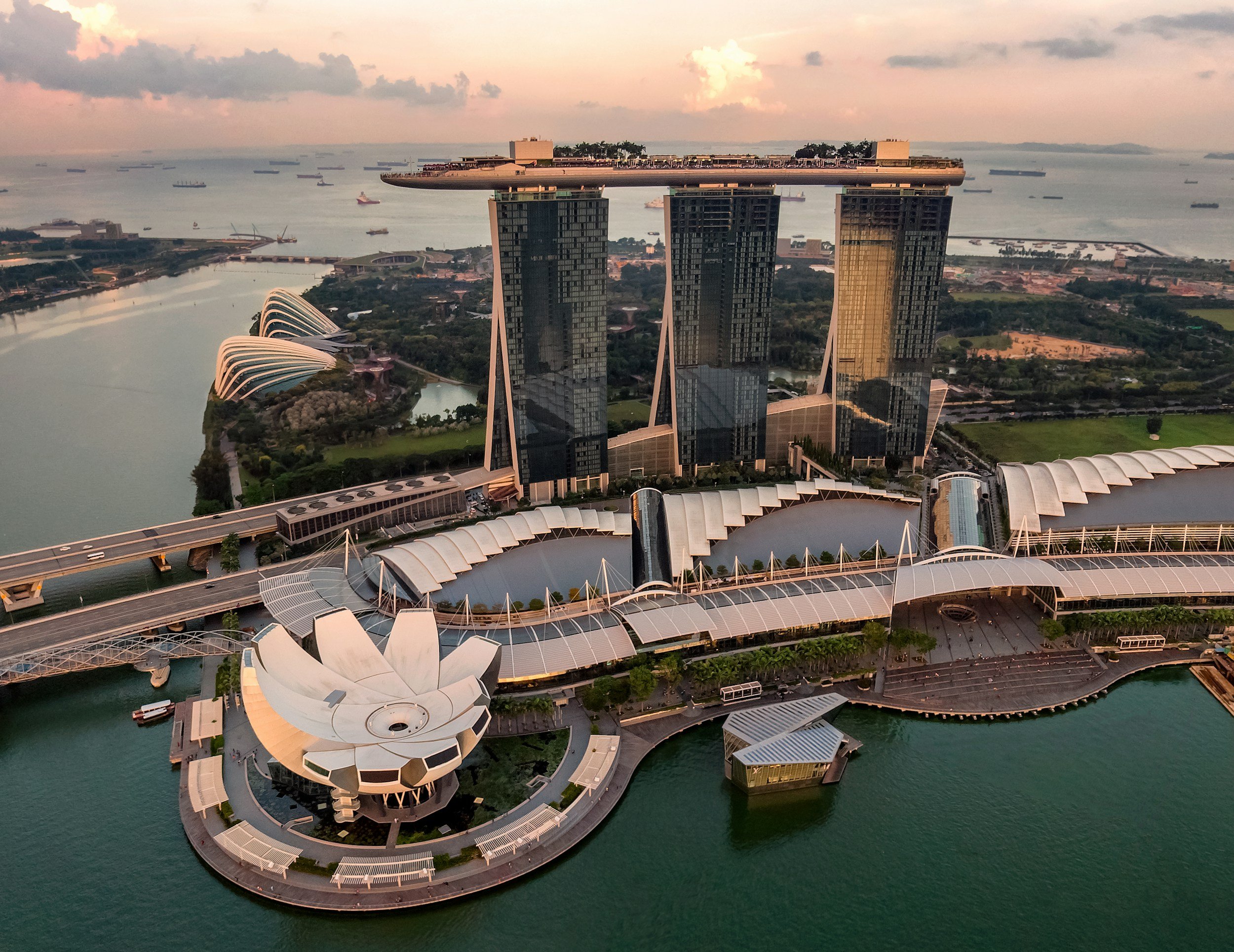
Alternatively, early November offers a fantastic window where you can enjoy the Deepavali "Festival of Lights" in Little India before the heavy December monsoon rains and the Christmas price hikes begin. During these periods, you are more likely to find competitive flight deals from Australia and can often snag a room at iconic hotels like Marina Bay Sands or The Fullerton for a fraction of the peak-season cost. It’s the perfect way to enjoy a luxury city break without the premium price tag.
6m+
people in Singapore
Country
in Asia