Best time to go to Chiang Mai
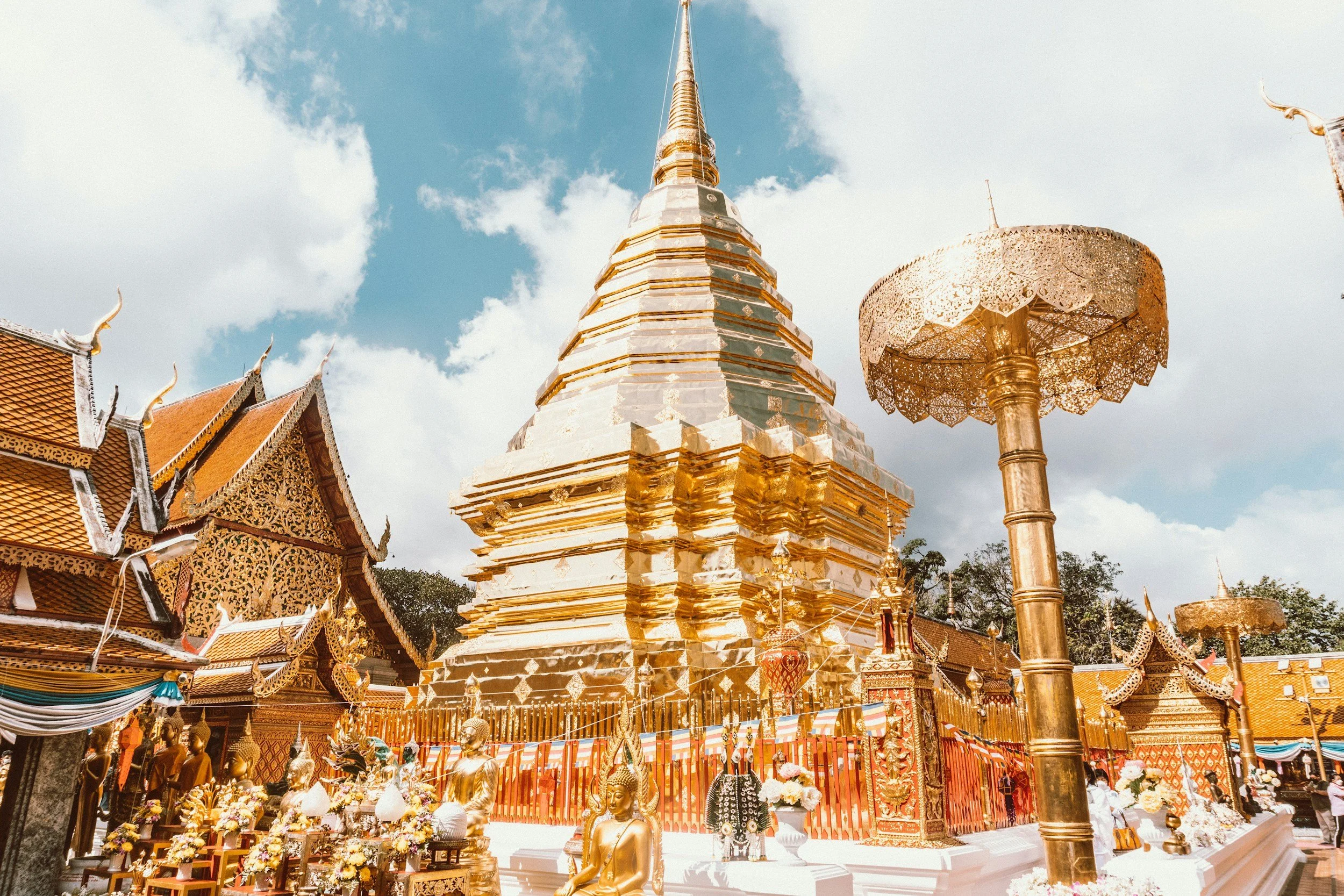
Chiang Mai, the cultural heart of Northern Thailand, offers a starkly different experience from the bustling streets of Bangkok or the turquoise waters of the southern islands. Surrounded by misty mountains and ancient temples, this city is a favourite for Australian travellers seeking authentic Thai culture, incredible street food, and mountain adventures. However, because of its northern location and higher elevation, timing your trip is crucial. Unlike the tropical south, Chiang Mai experiences distinct seasons that can significantly impact your ability to enjoy outdoor activities like trekking or temple hopping.
Whether you are looking for the vibrant celebrations of the Thai New Year or the serene beauty of the lantern festivals, understanding the local climate and event calendar will help you plan the perfect escape.
TL;DR
When is the best time to visit Chiang Mai?
The best time to visit Chiang Mai is during the cool season from November to February, when the weather is mild and the skies are clear.
Weather in Chiang Mai
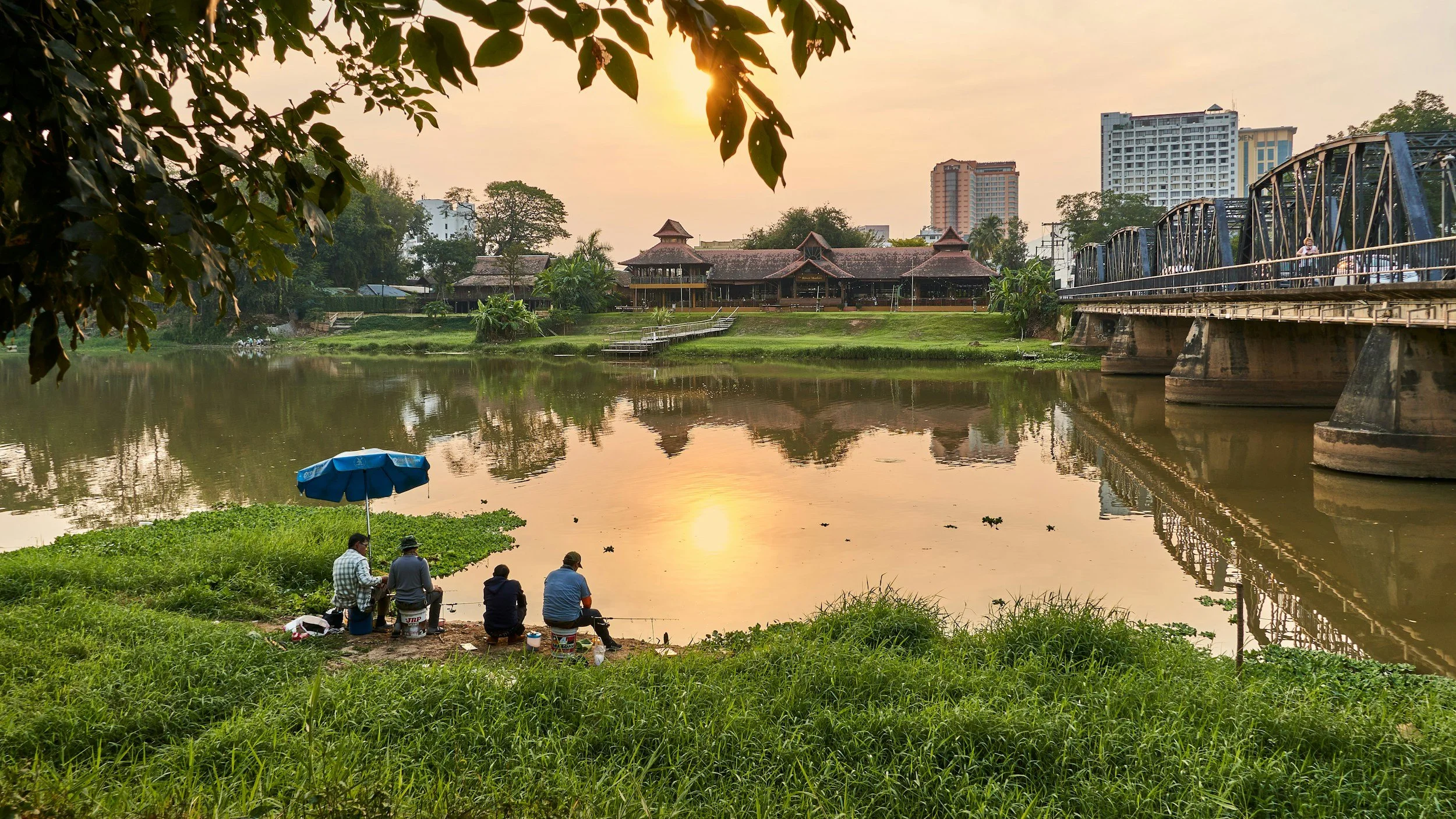
The best weather in Chiang Mai occurs between November and February. During this period, the humidity drops and daytime temperatures hover around a comfortable 25°C to 28°C, while evenings can be quite crisp, sometimes falling below 15°C. This is ideal for trekking in the nearby national parks or exploring the Old City on foot. It is important for Australians to note that Chiang Mai is a mountain destination, not a beach one. You should also be aware of the "burning season" from late February to April, when agricultural burning causes significant haze and poor air quality, which can be uncomfortable for those with respiratory sensitivities.
Prices in Chiang Mai
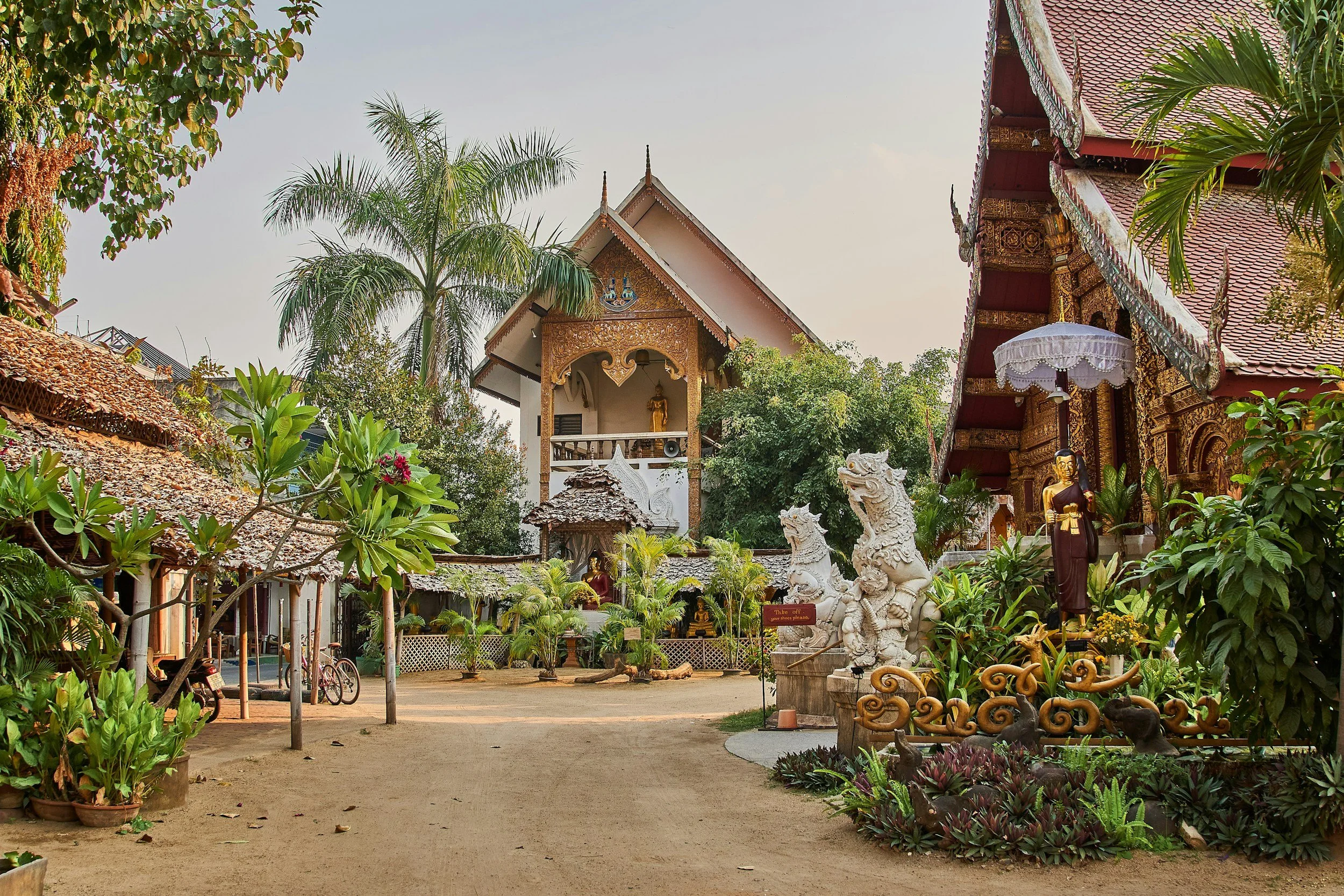
For Australians looking to save on their trip, the most affordable time to visit is during the rainy season from June to September. During these months, you will find the lowest rates for luxury boutique hotels and guest houses, and many tour operators offer seasonal discounts. While flight prices from major Australian hubs like Sydney or Melbourne stay relatively stable, they do spike during the Christmas holidays and the Songkran festival in April. To secure the best value, consider travelling in the "shoulder" months of May or October, when you can enjoy lower prices before the peak season crowds arrive.
Crowds in Chiang Mai
Chiang Mai is at its busiest during the Yi Peng and Loy Krathong festivals in November, as well as the Songkran water festival in mid-April. During these times, the Old City is packed with both international tourists and Thai locals celebrating. The quietest time to visit is during the monsoon season (July to September). While you may encounter afternoon rain showers, you will have the temples and night markets almost entirely to yourself. If you prefer a more relaxed atmosphere but want to avoid the heaviest rain, late October is a fantastic time to see the city as it prepares for the high season.
Events and festivals in Chiang Mai
Chiang Mai is famous for its elaborate festivals, which are deeply rooted in Buddhist traditions and the local Lanna culture. Most major events are colourful, inclusive, and well worth planning a trip around.
-
When is it? April
In Chiang Mai, the Thai New Year is celebrated with a massive, city-wide water fight that lasts for several days.
-
When is it? November
Thousands of paper lanterns are released into the night sky, creating a breathtaking spectacle.
-
When is it? November
A beautiful festival where locals release lotus-shaped baskets with candles into the sea or lakes.
Travelling to Chiang Mai in each season
Chiang Mai’s climate is divided into three main seasons, each offering a different perspective on the city's natural beauty and local life.

Autumn
When is it? September to November
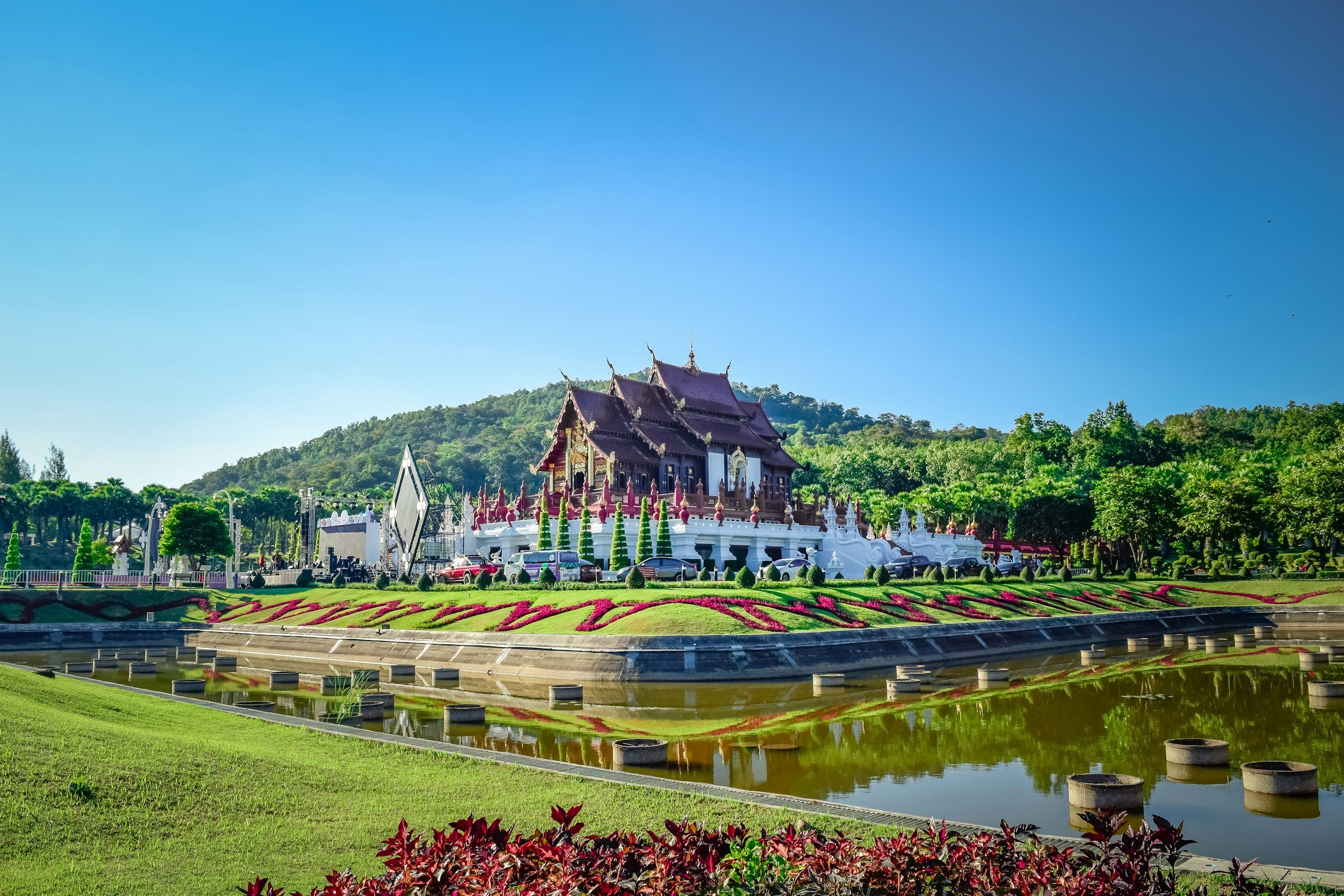
September and October mark the end of the rainy season, with the landscape looking its most vibrant. As the humidity begins to drop in late October, the temperature becomes more pleasant for outdoor adventures. This period offers a peaceful window to see the city before the major festival crowds arrive in November.
Winter
When is it? December to February
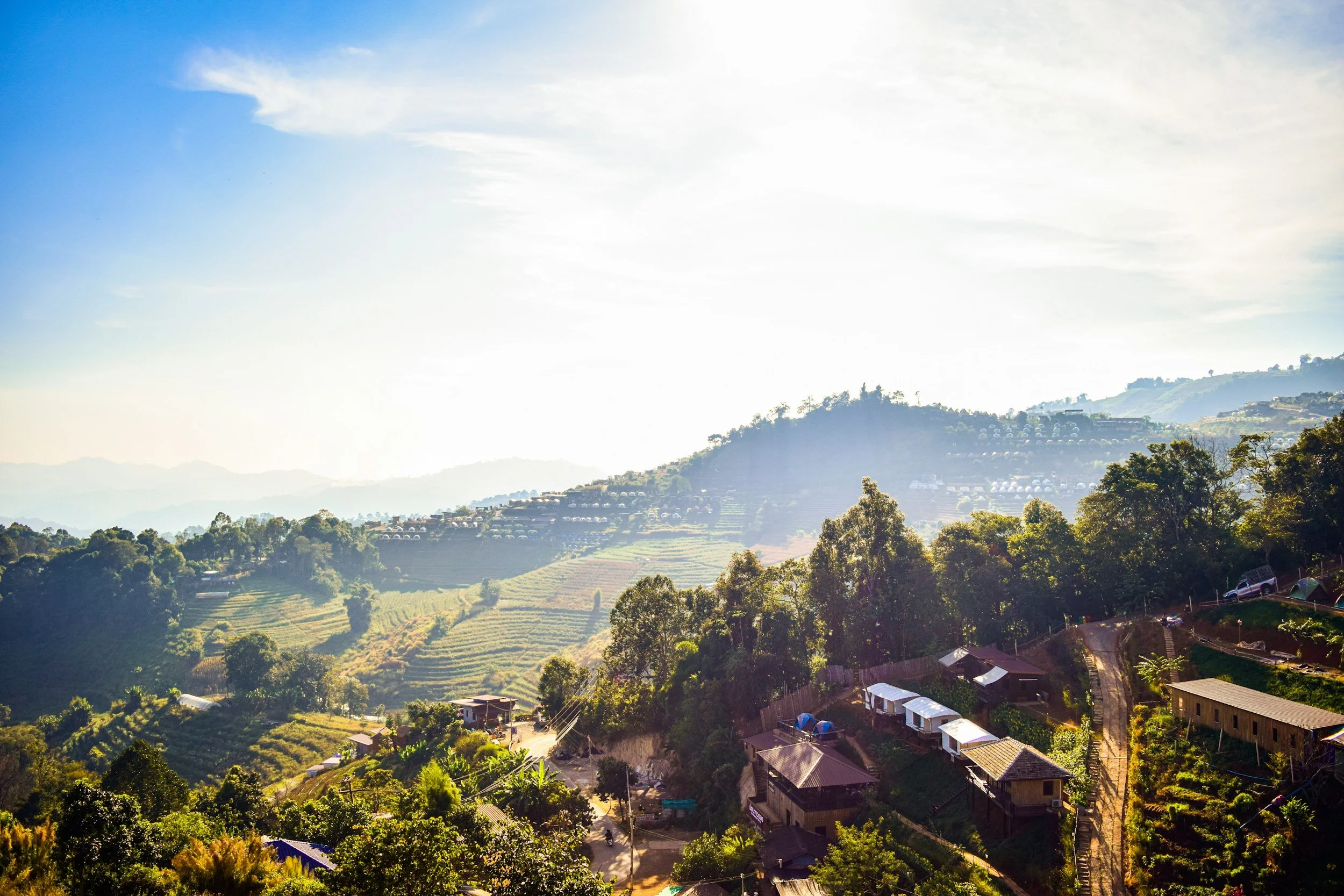
From November to February, Chiang Mai enjoys its "cool season" and peak tourism period. The skies are consistently blue, the humidity is low, and the evenings are refreshingly cool. This is the best time for photography and mountain trekking, though you will need to book accommodation well in advance.
Spring
When is it? March to May
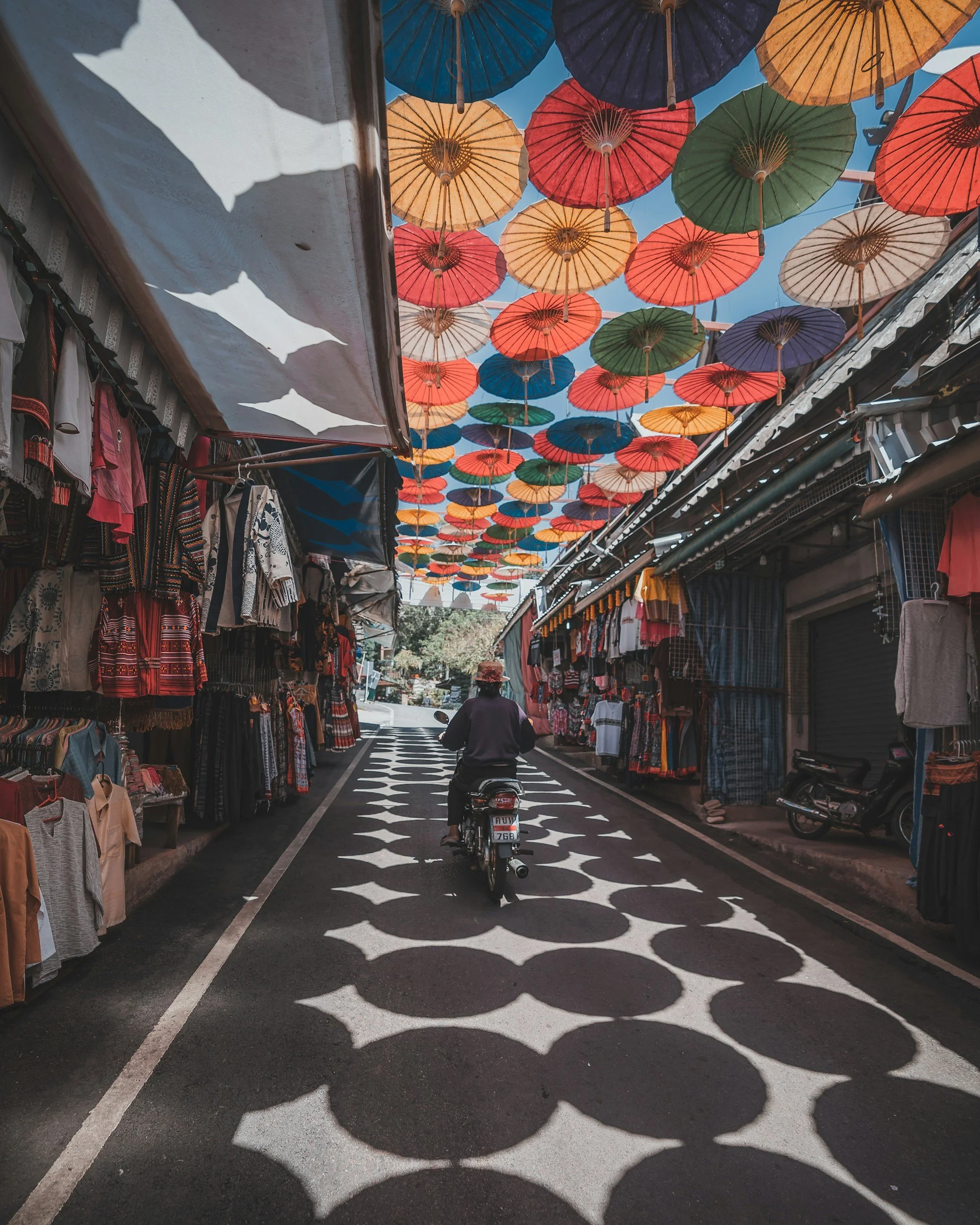
In the context of the Northern Hemisphere spring (March to May), Chiang Mai enters its "hot season." Temperatures frequently soar above 35°C, and the air quality can be poor due to the annual burning season. However, mid-April brings the excitement of Songkran, providing a welcome relief from the heat with its legendary water festivities.
Summer
When is it? June to August
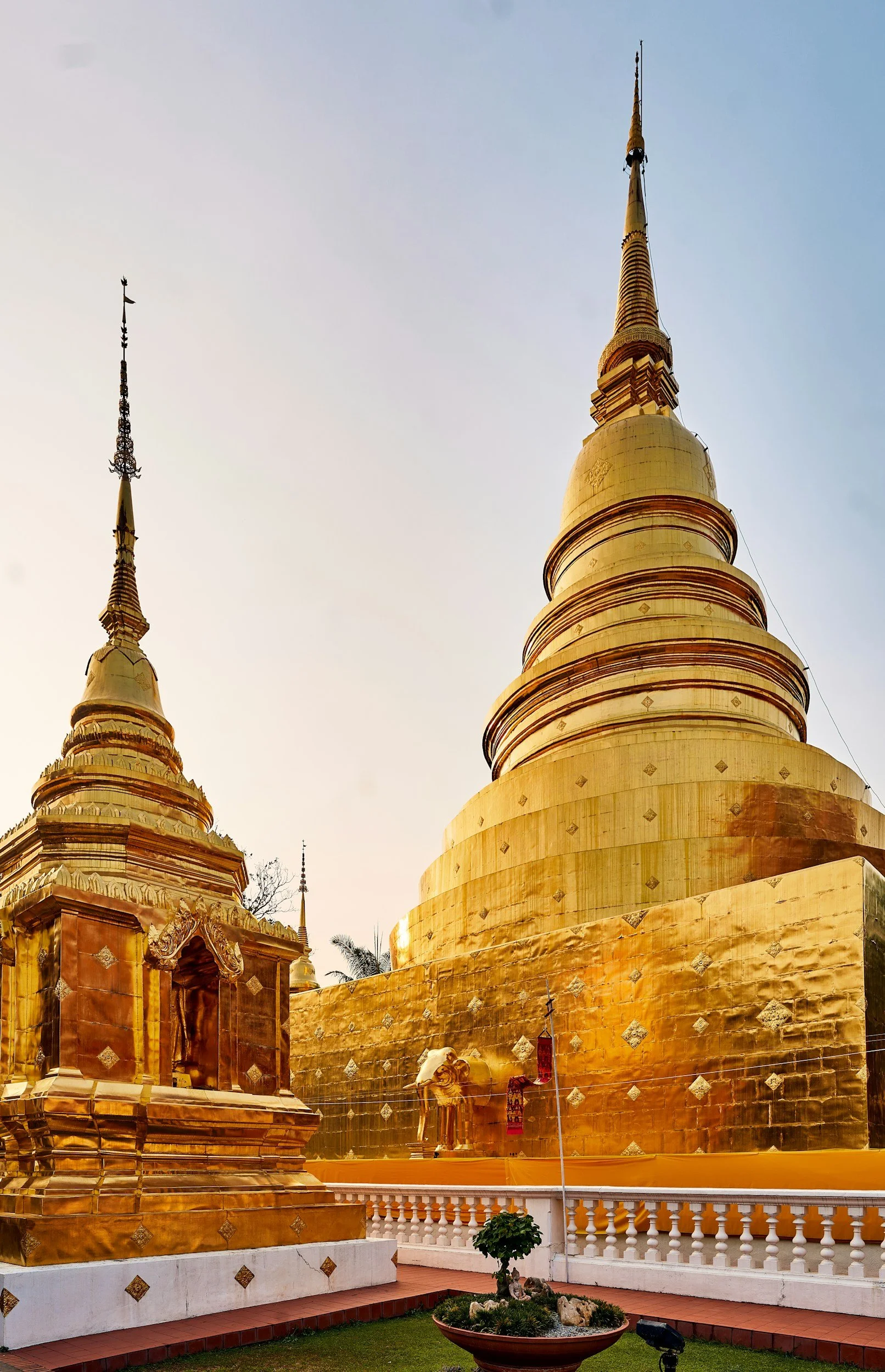
From June to August, the city is lush and green as the monsoon rains begin. While you should expect daily rain showers, they are often heavy but brief, leaving the rest of the day clear for exploring. This is a great time for budget travellers to enjoy high-end resorts at a fraction of the usual cost.
Overall, when is the best value time to visit Chiang Mai?
For the best overall value, we recommend visiting Chiang Mai in late October or early November. By arriving just before the peak of the Yi Peng festival, you can enjoy the lush, post-rain greenery and pleasant temperatures without the maximum price hikes of the mid-winter rush.
Another excellent value window is May, immediately following the hot and smoky season. While the temperature is still warm, the first rains of the year clear the air, and the city becomes much more comfortable for sightseeing. During these times, Australian travellers can enjoy the perfect balance of reasonable flight prices, great accommodation deals, and a city that is vibrant but not overwhelmed by crowds. It is a smart way to experience the cultural richness of Northern Thailand while keeping your travel budget in check.
1.2m+
people in Chiang Mai
City
in Thailand