Best time to go to China

China is vast and incredibly diverse, spanning tropical southern regions to frigid northern deserts. From the Great Wall to the Terracotta Army, Shanghai's skyline to misty mountain temples, China offers something for every traveller. Your ideal travel time depends entirely on which regions you're visiting and what you want to experience. Spring and autumn are generally the most pleasant across most of China, offering mild temperatures and lower humidity. However, China's size means weather varies dramatically by region and altitude, so timing matters significantly depending on your itinerary.
TL;DR
When is the best time to visit China?

Weather in Hanoi
Spring (April–May) and autumn (September–October) offer the most comfortable weather nationwide. Temperatures are mild across most regions, humidity is moderate, and rainfall is minimal. Northern regions like Beijing see pleasant sunny days, whilst southern areas are warm but not sweltering.
Winter (November–March) is cold in the north, with temperatures sometimes dropping below freezing, but southern regions remain mild. Summer (June–August) is hot and humid across most of China, with typhoons affecting southern coastal areas. If you're visiting multiple regions, spring and autumn are safest bets. For specific regions like Tibet, add a month – the best weather there is May–September, with June–August being warmest.
Weather in China

Prices in China
Spring and autumn are peak season, so accommodation and tours cost more, particularly around public holidays (Qingming Festival in April and National Day in October). Winter sees lower prices, especially in tourist hotspots, but cold weather and shorter daylight hours limit outdoor activities. Summer is warm but not dramatically cheaper.
Flight prices from Australia remain fairly consistent year-round, though booking well in advance helps. Domestic train and bus travel is affordable regardless of season. If budget is tight, consider shoulder seasons like late March or early November for better prices than peak months.

Crowds in China
Expect significant crowds during Chinese public holidays (Qingming Festival in early April, National Day from 1–7 October) and summer school holidays (July–August). Spring and autumn outside these holidays are moderately busy. Winter is quietest, particularly January–February, when Chinese domestic tourism drops.
Summer is busy with both international and domestic travellers. If you prefer fewer crowds, visit during winter months (especially February) or outside Chinese holiday periods. Popular sites like the Great Wall and the Forbidden City are manageable in winter but become overwhelming during holiday periods.
Events and festivals in China
China's calendar is filled with traditional festivals and modern celebrations. Major festivals often fall on lunar dates, so dates vary year to year.
-
When is it? January-February
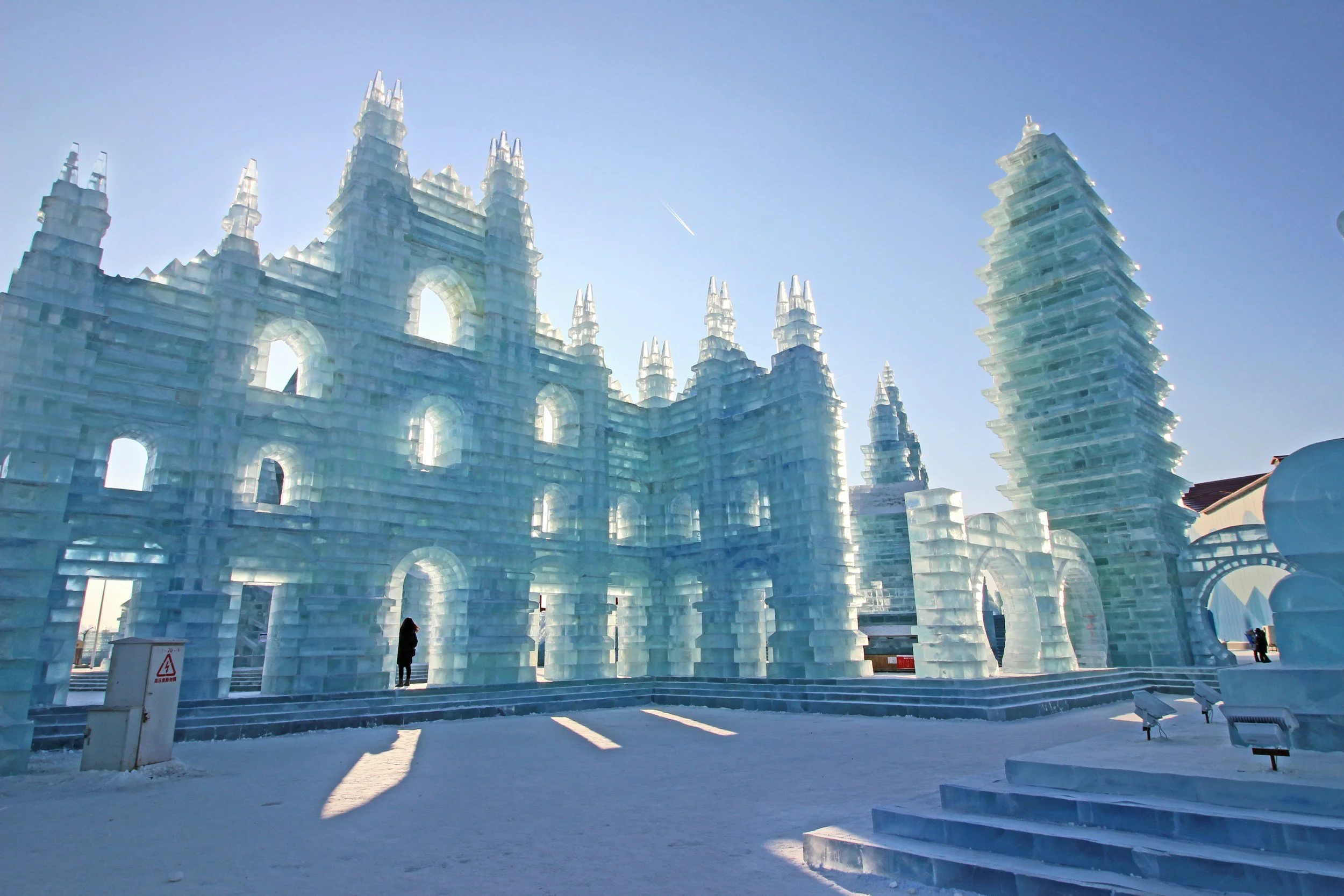
Massive ice and snow sculptures in Harbin, in northern China.
-
When is it? January/February
Major celebration across all of China with fireworks, family gatherings, and reduced opening hours for many attractions.
-
When is it? 1-7 October
Major public holiday with mass celebrations, parades, and extremely crowded tourist sites.
Travelling to C in each season
China's seasons are distinct across regions, so timing your visit affects not just weather but what activities are possible.
Spring
When is it? March to May
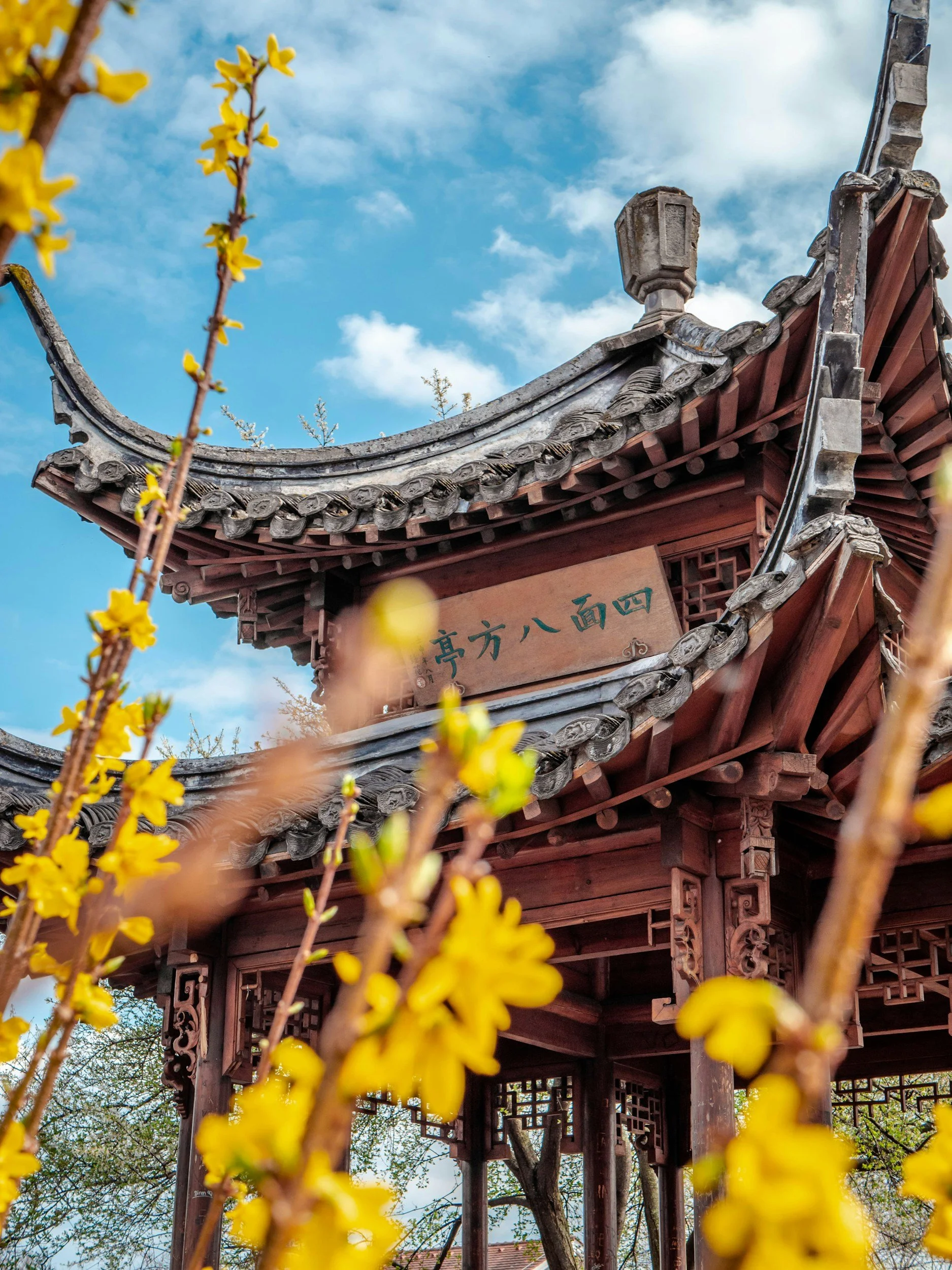
Spring brings comfortable temperatures (10–20°C in the north, 15–25°C in the south) and lower humidity. Cherry blossoms bloom in many regions, creating beautiful landscapes. Crowds build towards April as tourists arrive. Prices rise, especially around Qingming Festival. This is excellent for sightseeing and outdoor activities across most of China.

Summer
When is it? June to August
Summer is hot and humid across most regions (25–35°C), with typhoons affecting the south. Attractions are busy with domestic and international tourists, and prices are relatively high. Despite the heat, it's peak season for mountain regions like Yunnan and for water-based activities. Early summer (June) offers better conditions than July–August.
Autumn
When is it? September to November
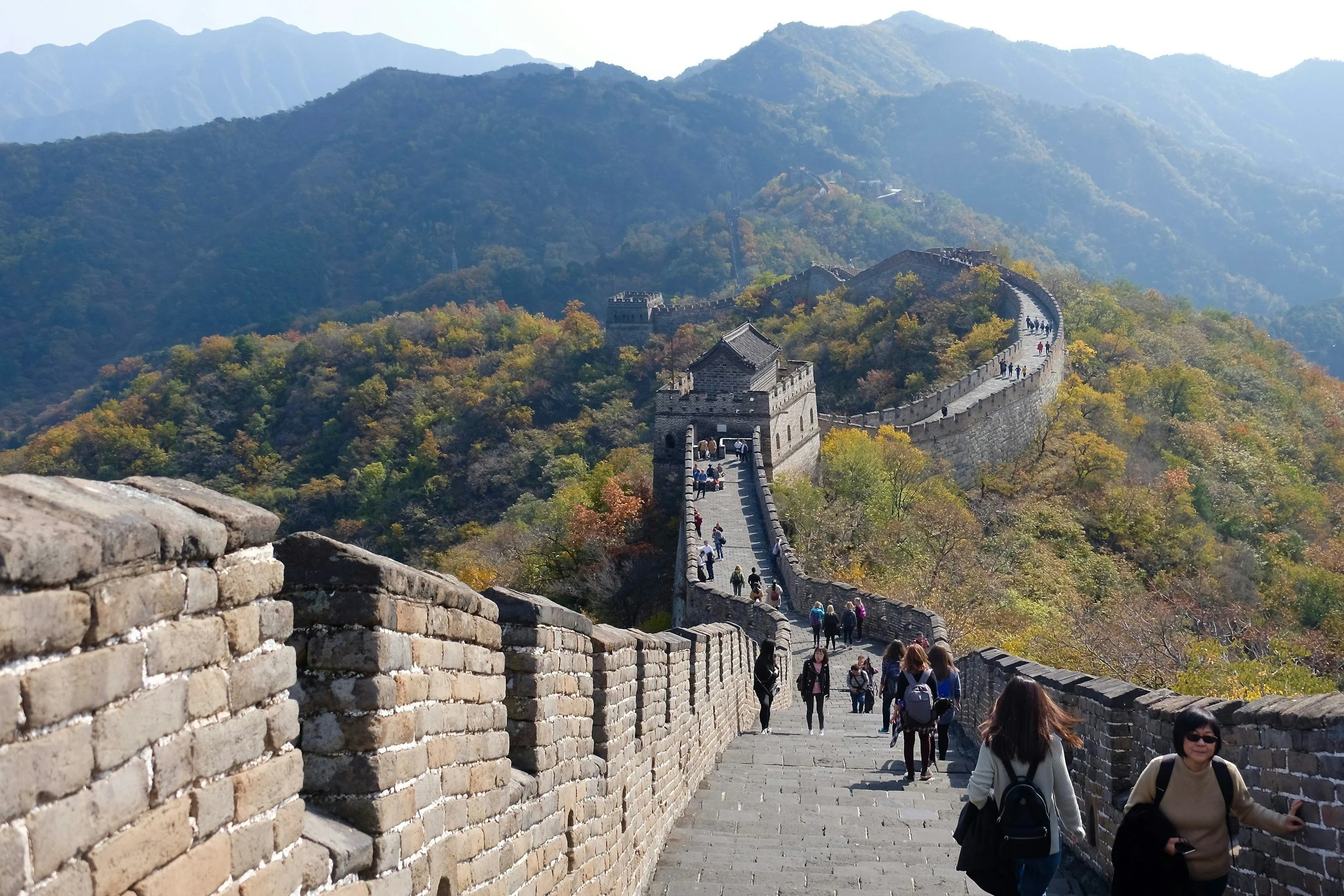
Autumn brings mild, pleasant weather (15–25°C) across most regions and stunning clear skies. Landscapes are beautiful with autumn colours beginning to appear. The season is busy around National Day (1–7 October) with reduced crowds outside this period. Prices are elevated but lower than summer. This is arguably China's best season for overall conditions.
Winter
When is it? December to February
Winter is cold in northern regions (5–10°C, sometimes below freezing) but mild in the south (10–20°C). The north is dry and clear, perfect for sightseeing in cities like Beijing. Domestic tourism drops significantly, reducing crowds. Prices are lowest outside of Chinese holiday periods. Harbin's ice festival draws international visitors, so that city is busier than other winter destinations.
Overall, when is the best value time to visit China
For the best value overall, visit in late March, early May, or November. You'll avoid the peak season crowds and the highest prices associated with Chinese public holidays and summer school breaks, whilst still enjoying pleasant weather. Winter (especially February) offers the lowest accommodation prices, though you'll need to accept colder conditions in northern regions and shorter daylight hours for sightseeing. If you're targeting a specific region like Yunnan or Tibet, adjust your timing for that region's best weather rather than national averages.

1.4b+
people in China
Country
in Asia