Best time to go to Fiji
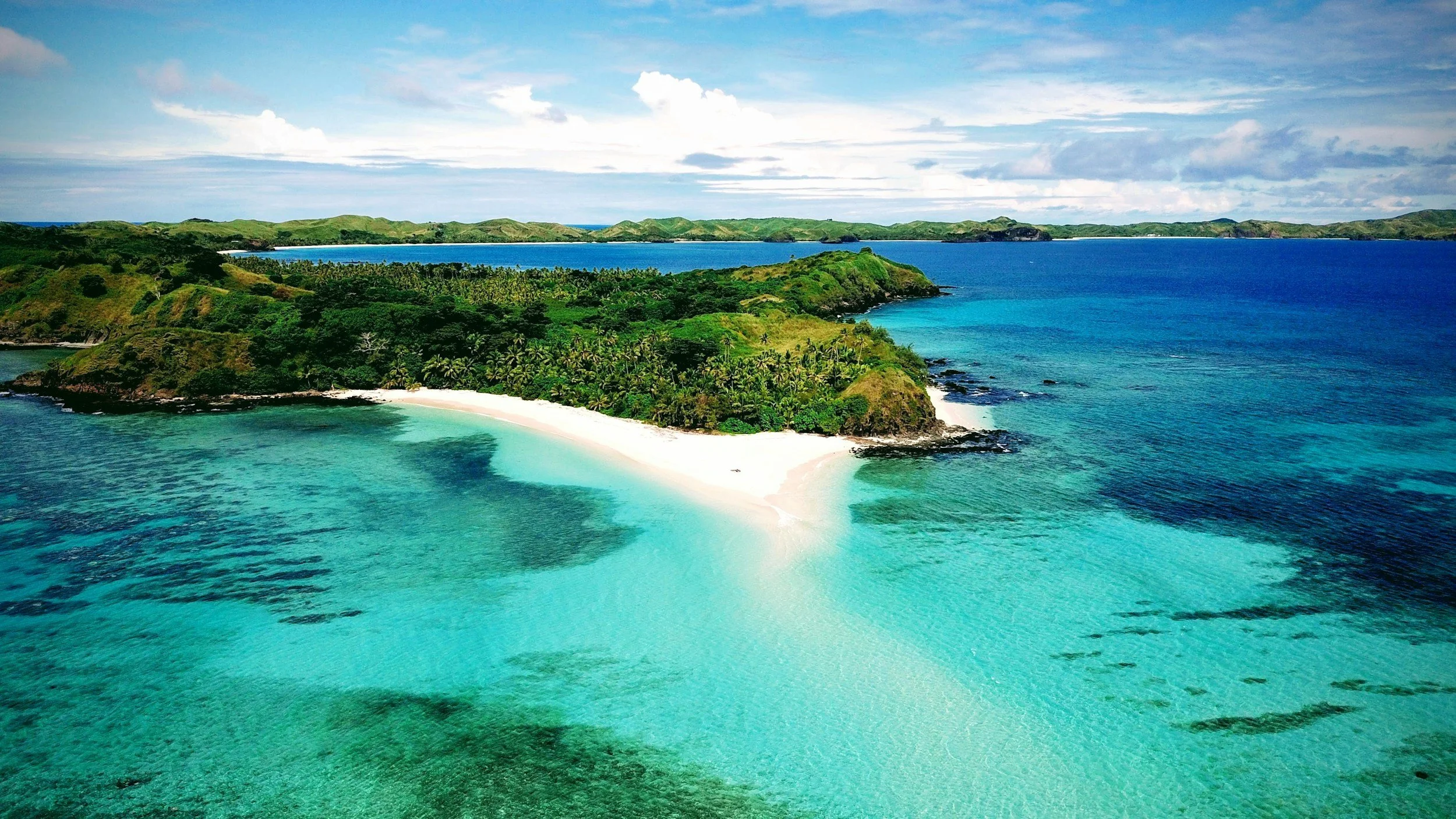
Fiji is the quintessential South Pacific paradise, long held as the go-to tropical escape for Australians. Comprising 333 sun-drenched islands, it offers everything from the luxury resorts of Denarau and the family-friendly Coral Coast to the untouched beauty of the Mamanuca and Yasawa island chains. Whether you are looking to snorkel in "The Soft Coral Capital of the World," enjoy a traditional kava ceremony, or simply relax with a book under a palm tree, Fiji’s "Bula" spirit is welcoming year-round. However, because Fiji has a distinct tropical maritime climate, the experience changes significantly between the sunny, dry months and the lush, humid wet season. Choosing your dates carefully ensures you get the perfect balance of blue skies and island tranquility.
TL;DR
When is the best time to visit Fiji?
The best time to visit Fiji is during the dry season (May to October). You will be rewarded with clear blue skies, lower humidity, and the best water visibility for diving and snorkelling.
Weather in Fiji
For the ultimate beach holiday, you want to aim for the dry season (May to October). During these months, Fiji enjoys its most stable weather, with daytime temperatures averaging a comfortable 26°C to 27°C. The humidity is significantly lower than the rest of the year, and the trade winds provide a cooling breeze that makes the tropical heat very pleasant. In contrast, the wet season (November to April) is hotter and much more humid, with temperatures often hitting 30°C. While you can expect heavy tropical downpours—often in the late afternoon—this is also the period with the highest risk of cyclones, particularly from January to March.
Prices in Fiji
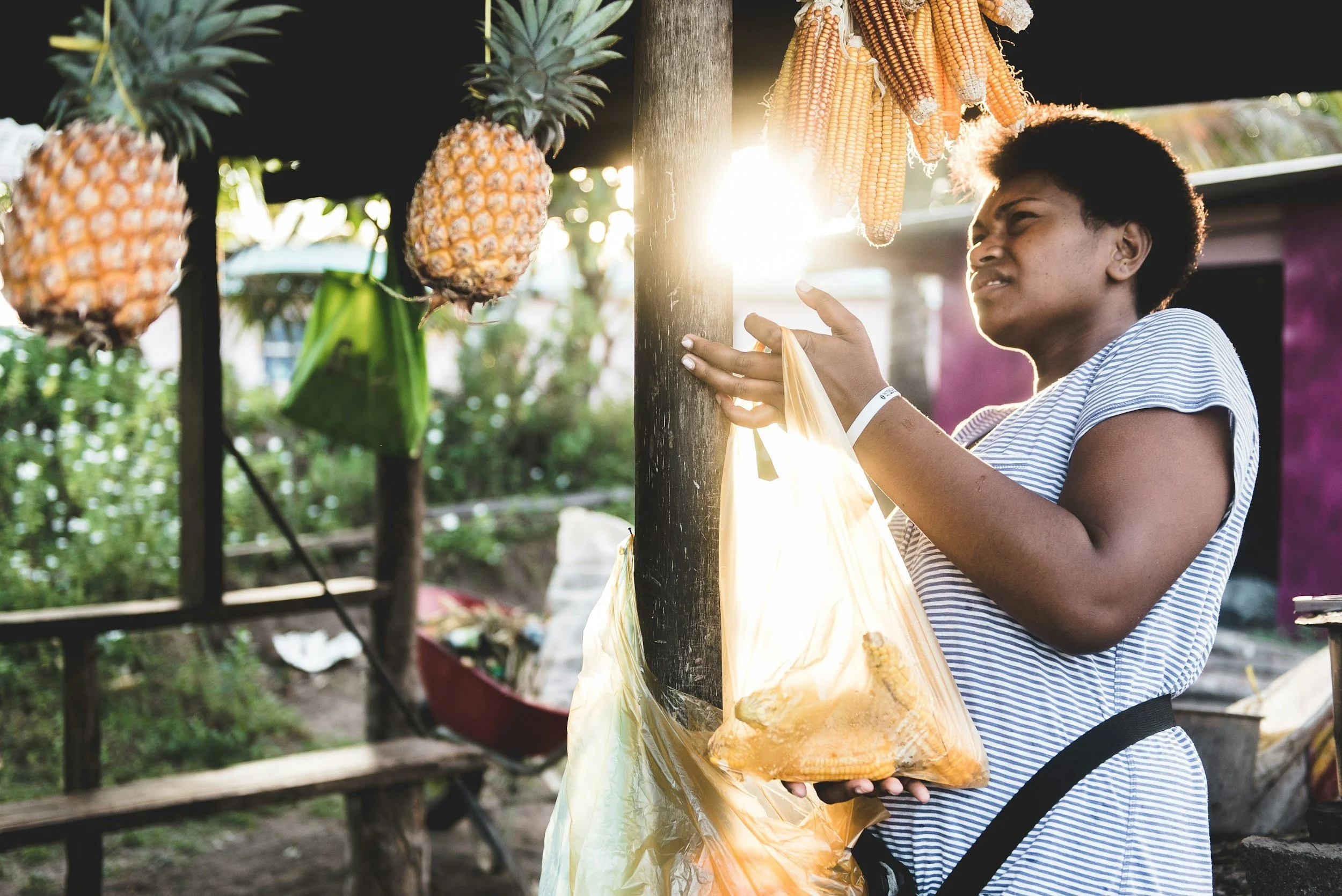
If you are hunting for a bargain, the wet season (specifically February and March) is the cheapest time to visit. With the Christmas rush over and the monsoon rains at their peak, many high-end resorts offer massive discounts, "kids eat free" deals, and room upgrades to lure travellers. Flights from Australia's east coast also tend to drop in price during November and early December. However, you should avoid the Australian school holiday periods (July and late September) and the Christmas/New Year window, as these are the most expensive times for flights and accommodation due to the high demand from Aussie families.

Crowds in Fiji
Fiji is at its busiest from June to August, coinciding with the Australian winter and the mid-year school holidays. During this time, the larger resorts on Viti Levu can feel quite energetic and full. For those seeking a quieter, more romantic escape, the "shoulder" months of May, June, and October are the perfect choice. You still get the benefits of the dry season weather, but the islands are much less crowded. To truly escape the masses, head to the more remote Yasawa Islands, where the limited number of boutique resorts ensures a sense of seclusion even during the busier months.
Events and festivals in Fiji
Fiji’s cultural calendar is a vibrant mix of indigenous Fijian traditions and the colourful influence of its large Indo-Fijian community.
-
When is it? January
A must-see for rugby fans, featuring top-tier domestic and international sevens teams.
-
When is it? July
A week-long charity festival in Nadi featuring multi-cultural dances, food stalls, and a festive parade.
-
When is it? August
Suva’s biggest event, celebrated for over 60 years with music, arts, and the crowning of the "Miss Hibiscus" queen.
Travelling to Fiji in each season
Fiji's tropical climate is generally divided into two main seasons, but the transitions between them offer very different island vibes for Australians.
Spring
When is it? September to November
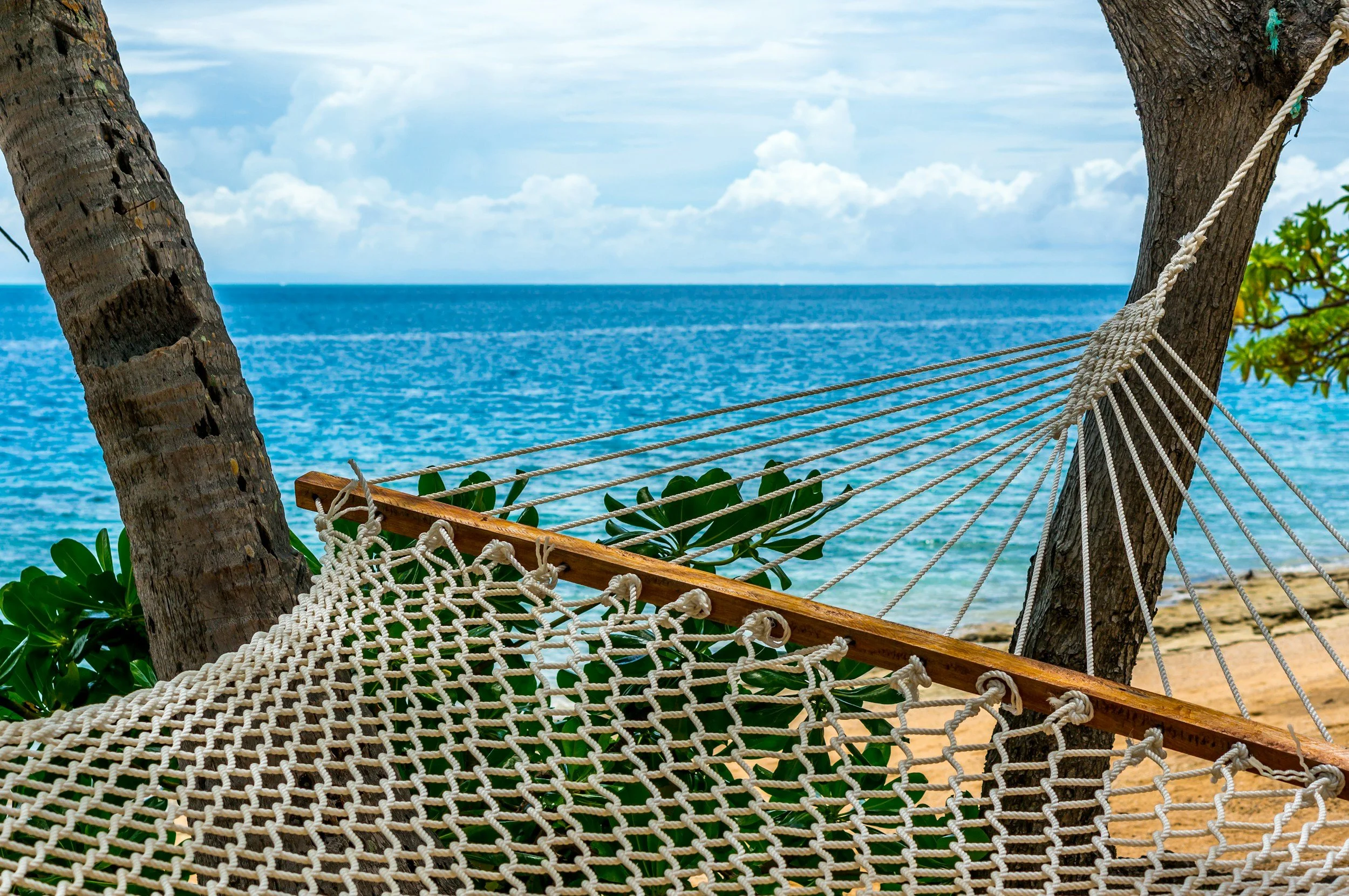
Spring (September to November) marks the tail end of the dry season and the beginning of the tropical "build-up." You can expect warm, sunny days with a slight increase in humidity by November, making it a great time for value as the peak winter crowds have finally returned home.
Summer
When is it? December to February
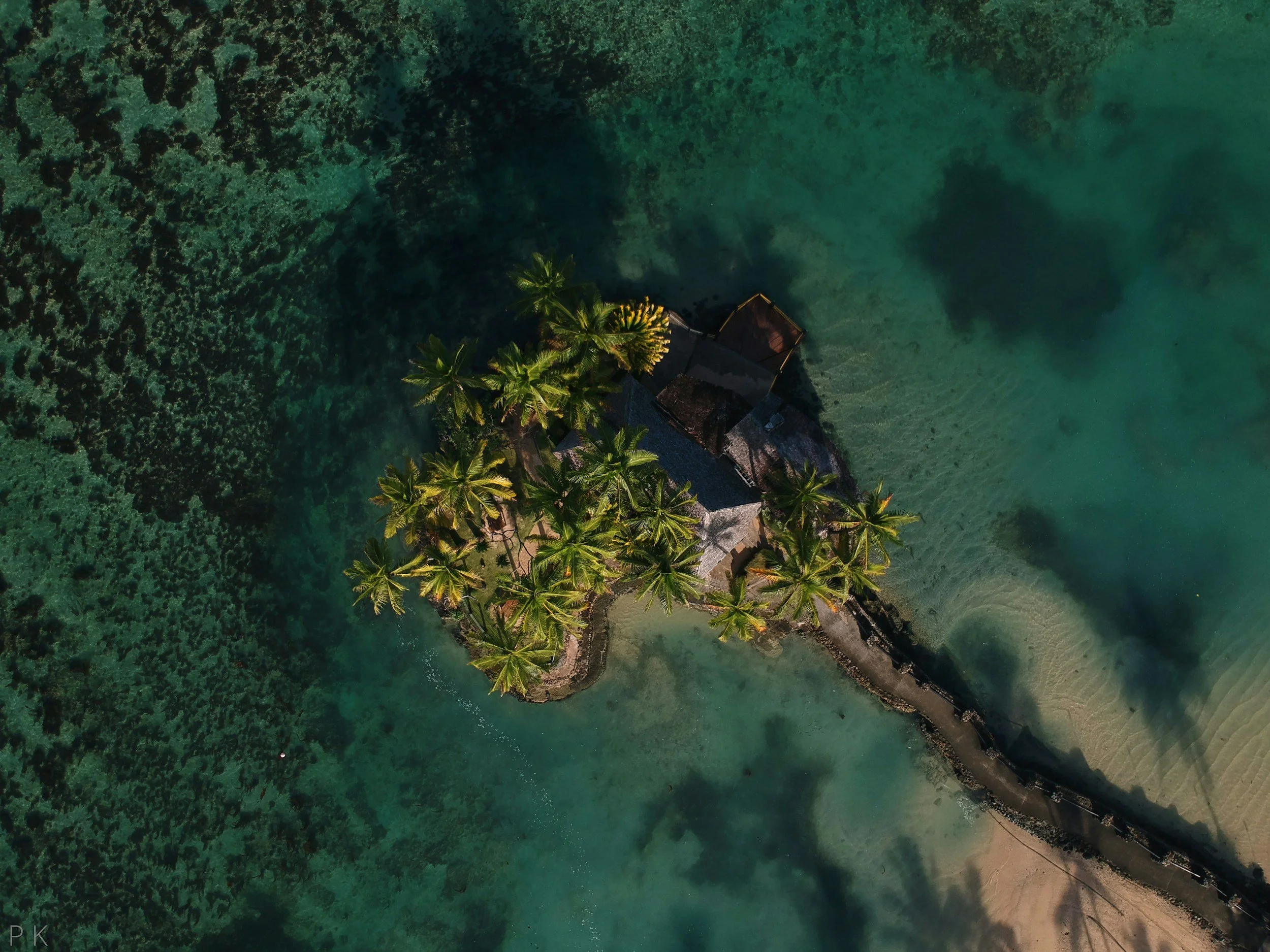
Summer (December to February) is the height of the wet season, bringing lush green landscapes and the warmest ocean temperatures of the year. While it is the season for tropical rain and higher humidity, it is also "party season" at the resorts, with high energy and festive celebrations over the Christmas and New Year break.
Autumn
When is it? March to May
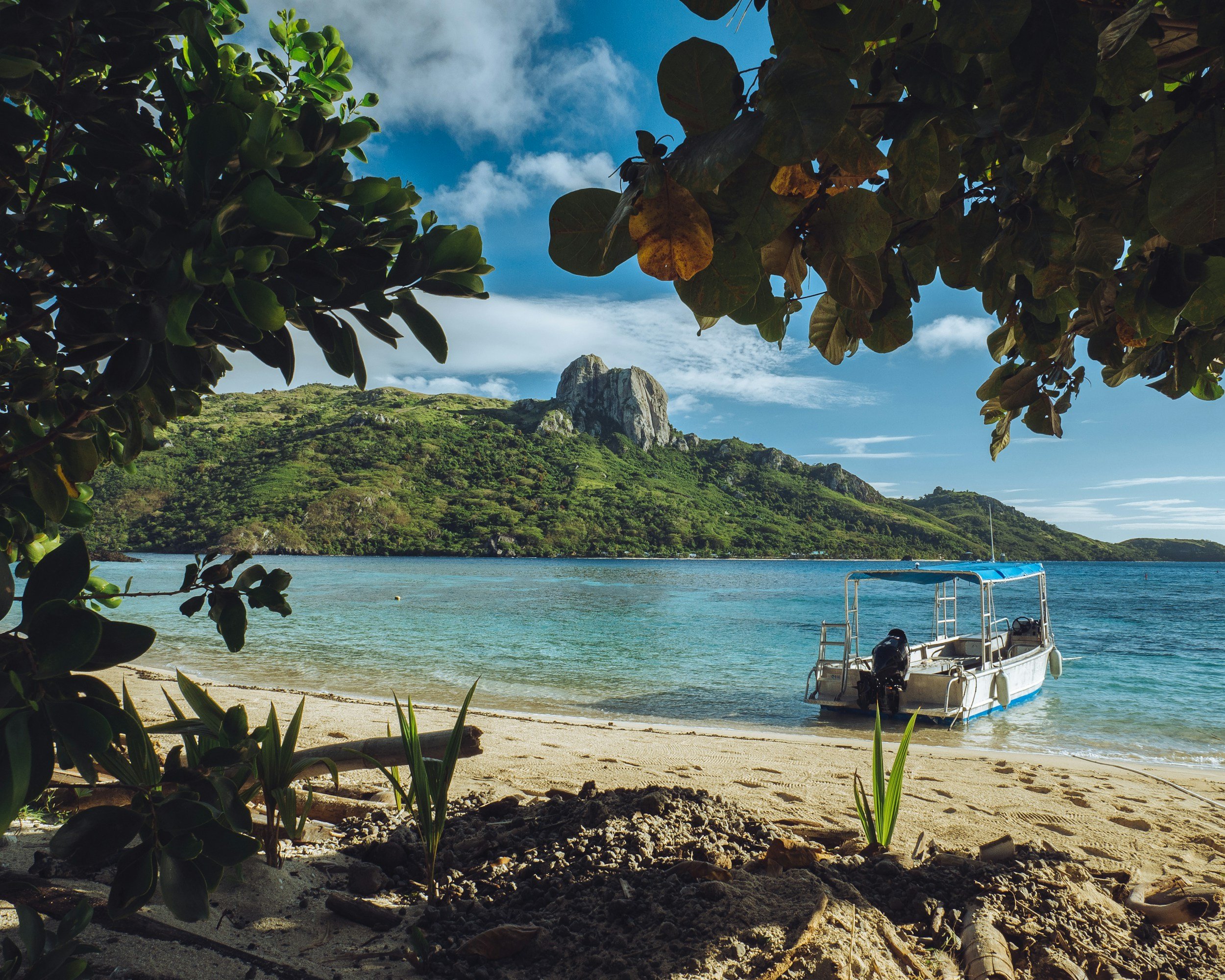
Autumn (March to May) is a beautiful time of transition as the monsoonal rains begin to taper off and the skies clear. By May, the humidity drops significantly, and the "Change of Seasons" offers a peaceful window to enjoy the islands at a lower price point before the winter peak arrives.
Winter
When is it? June to August
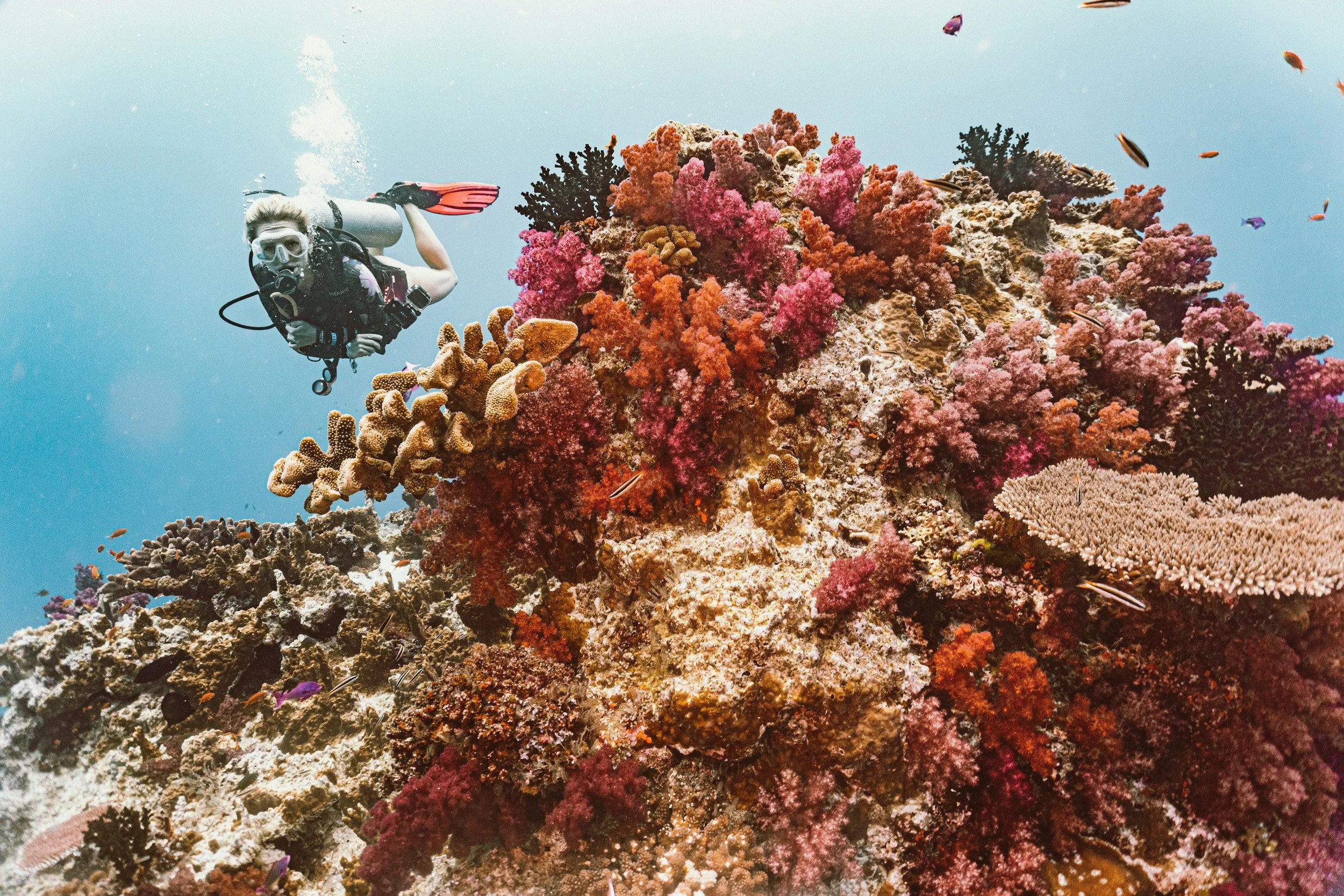
Winter (June to August) is the absolute peak of the dry season, offering the most "postcard-perfect" weather imaginable for an island getaway. With clear blue skies and minimal rain, it is the best time for outdoor adventures like surfing the Mamanuca breaks or diving the Great Astrolabe Reef.
Overall, when is the best value time to visit Fiji?
For the best value, we recommend visiting Fiji in May or October. These shoulder-season months sit perfectly between the expensive winter peak and the humid heights of the wet season. In May, the dry season is just beginning, meaning you get the benefit of beautiful weather and calm seas, but often at a 15–20% discount compared to the July rush.
October is another excellent "sweet spot." The weather remains predominantly dry and sunny, and the ocean is slightly warmer than in the mid-winter months, which is ideal for long snorkelling sessions. Since most Australian families have finished their September school holiday trips, you’ll find the resorts are much quieter and the flight prices from the mainland are far more competitive. It is the smartest way to enjoy the "Bula" lifestyle without the peak-season premium.

935k
people in Fiji
Country
in the South Pacific