Best time to go to Sapa
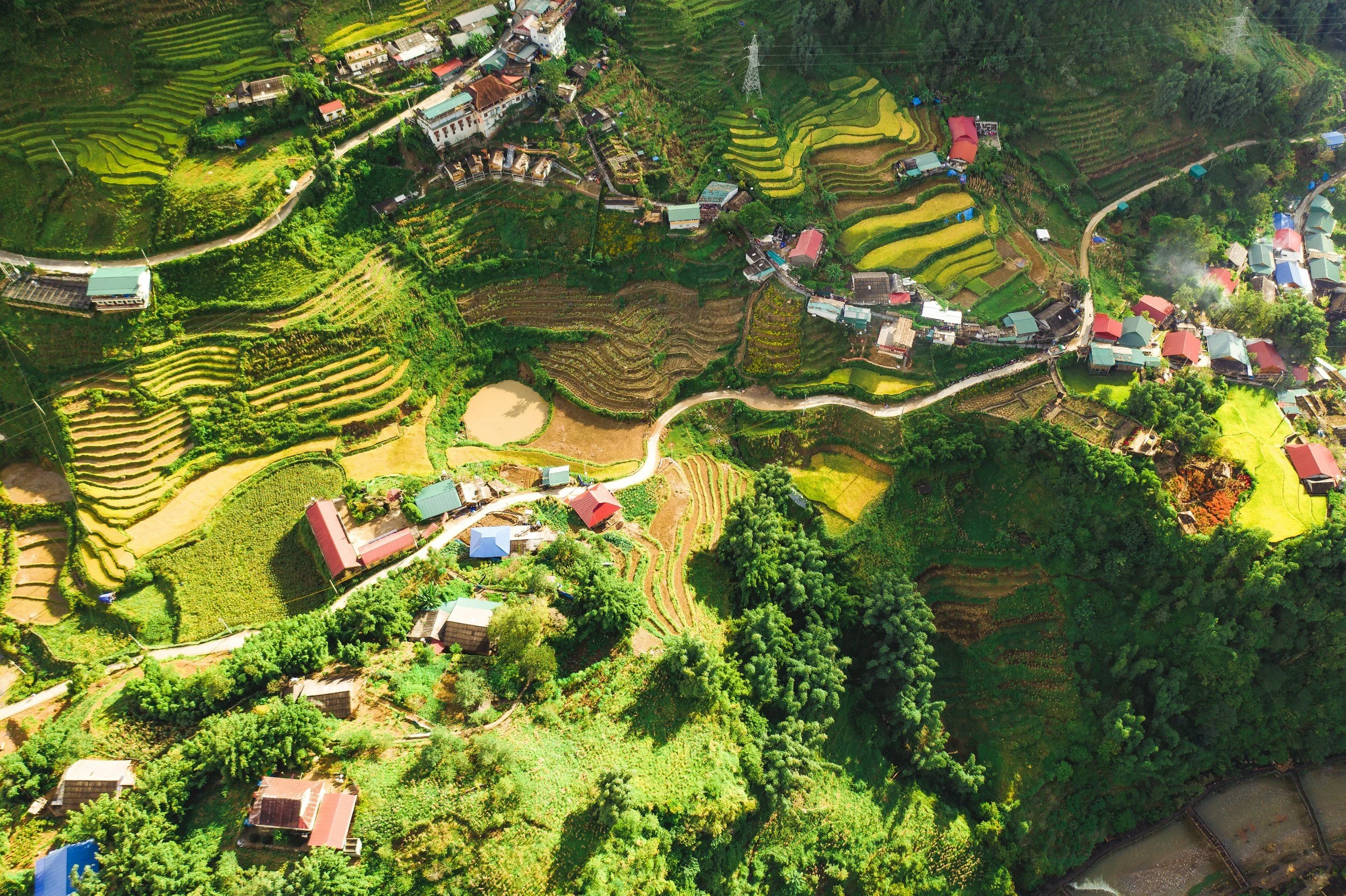
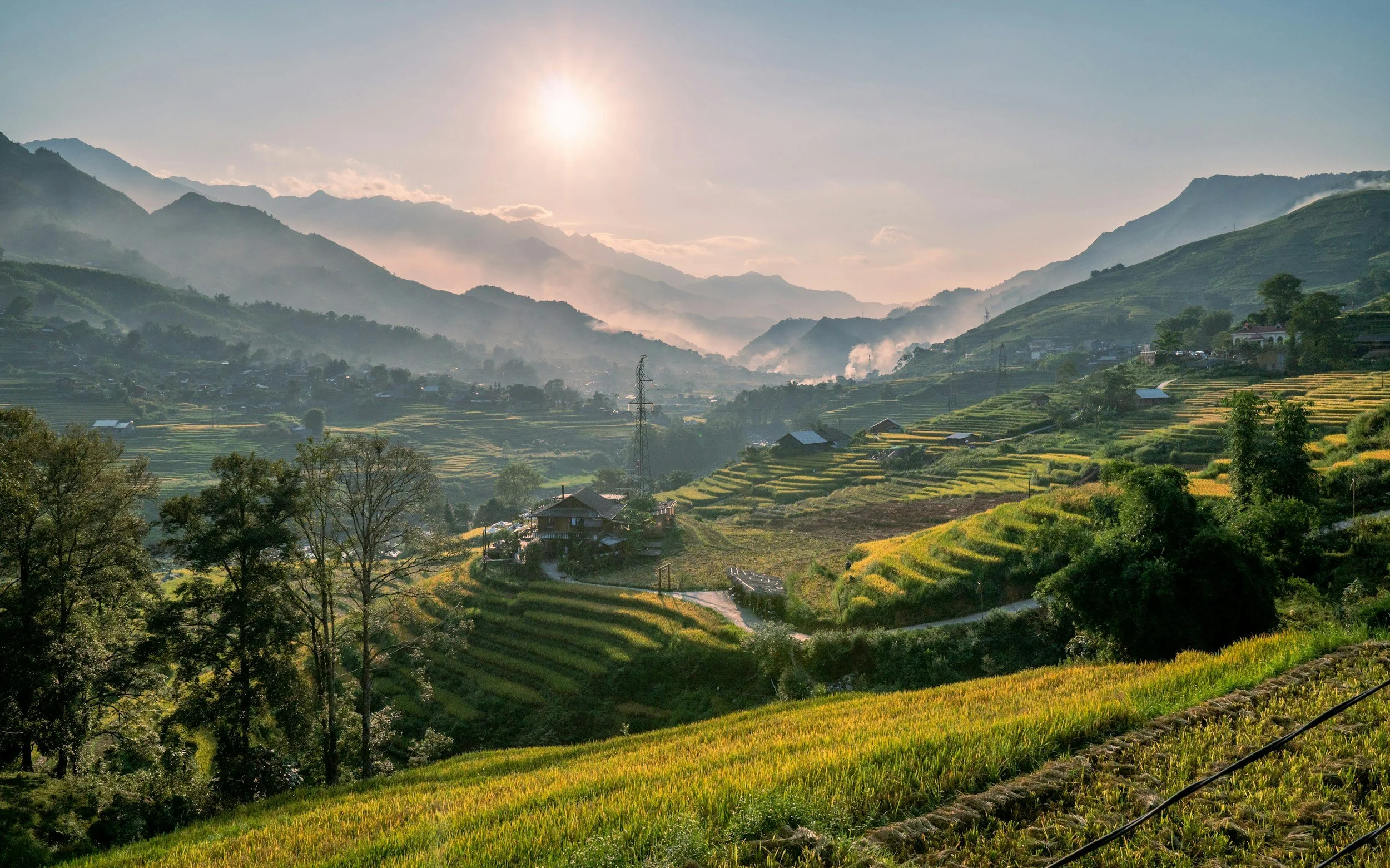
Sapa is a stunning mountain town in northwestern Vietnam that's famous for its dramatic terraced rice fields, misty landscapes, and vibrant hill tribe culture. The town sits at 1,600 metres above sea level, making it one of Vietnam's coolest destinations. Most travellers visit during the dry season when the views are clearer and the weather is more pleasant, though each season offers something unique. The terraced fields and surrounding mountains create constantly changing scenery, so timing your visit depends on what kind of experience you're after – whether that's hiking in comfortable conditions or capturing moody, atmospheric photos.
TL;DR
When is the best time to visit Sapa?
Weather in Sapa
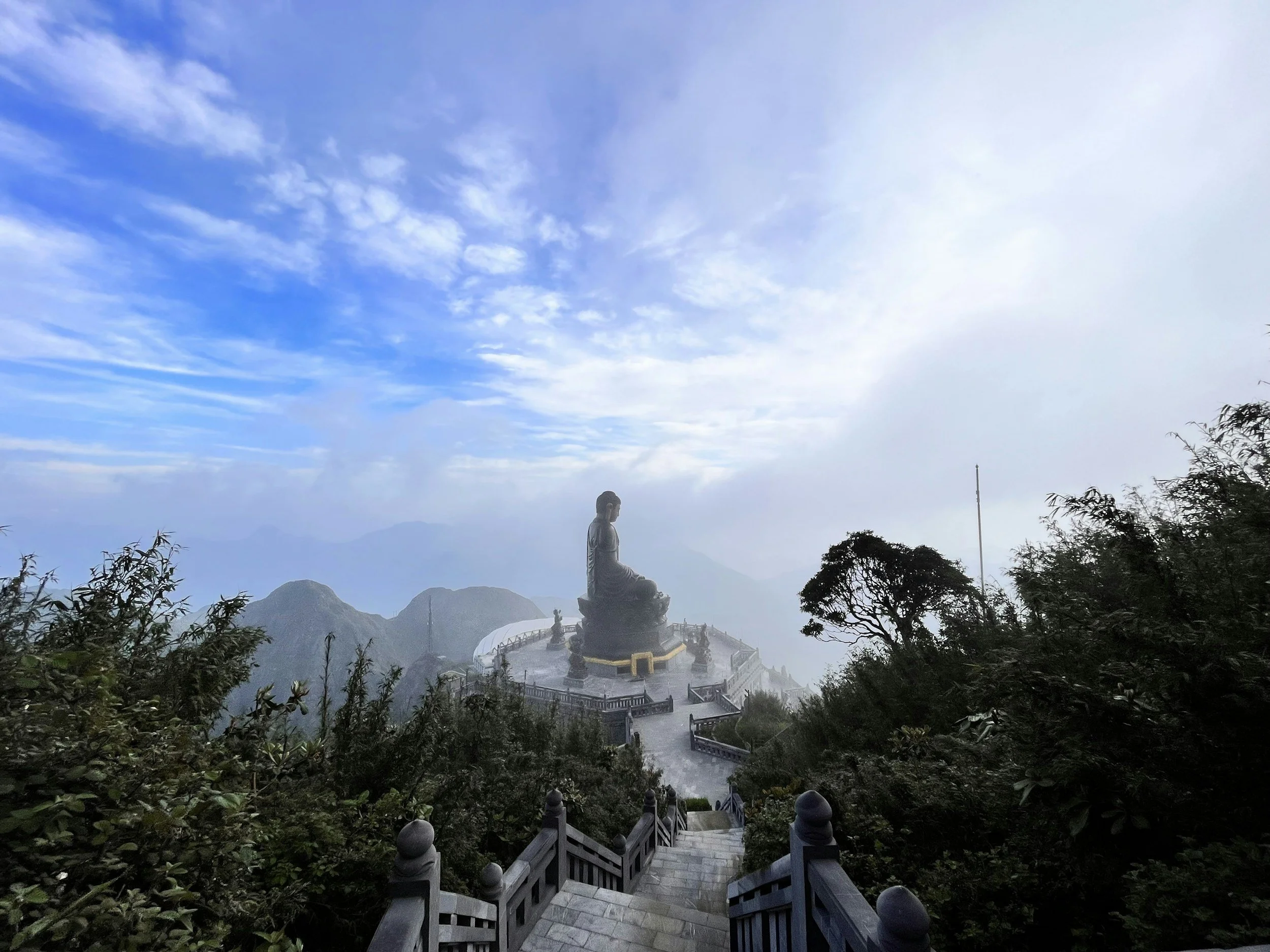
The best time for weather is September through November, when temperatures are mild (around 15–20°C), humidity is lower, and visibility is excellent for enjoying the landscape. December and January are also dry but can be quite cold, especially at night.
May through August is the rainy season, which transforms the rice fields into brilliant green but makes hiking challenging and muddy. February through April can be pleasant but often features fog and lower visibility. If you're keen on hiking and photography, aim for the cooler, drier months when paths are more manageable and mountain views aren't obscured by mist.
Prices in Sapa
September to November and February to March tend to offer the best value, as accommodation and tour prices drop slightly outside peak season. During December and January, prices climb as international tourists escape northern hemisphere winter. The rainy season (May–August) brings cheaper rates, but fewer travellers mean less competition for budget options.
Flights from Australia to Hanoi (the closest major airport) are consistent year-round, though booking in advance always helps. Local food and attractions remain affordable throughout the year, so your biggest variable cost will be accommodation and guiding services.
Crowds in Sapa
Sapa is busiest during December and January when international visitors arrive for dry season trekking. September through November sees moderate crowds – plenty of other travellers but not overwhelming. The rainy season (May–August) is quietest, with far fewer visitors willing to trek through mud and mist.
Local Vietnamese school holidays also drive brief spikes in domestic tourism. If you prefer a quieter experience with a more authentic feel, visit during the rainy season or shoulder months like August or April, though you'll trade some convenience for solitude and better prices.
Events and festivals in Sapa
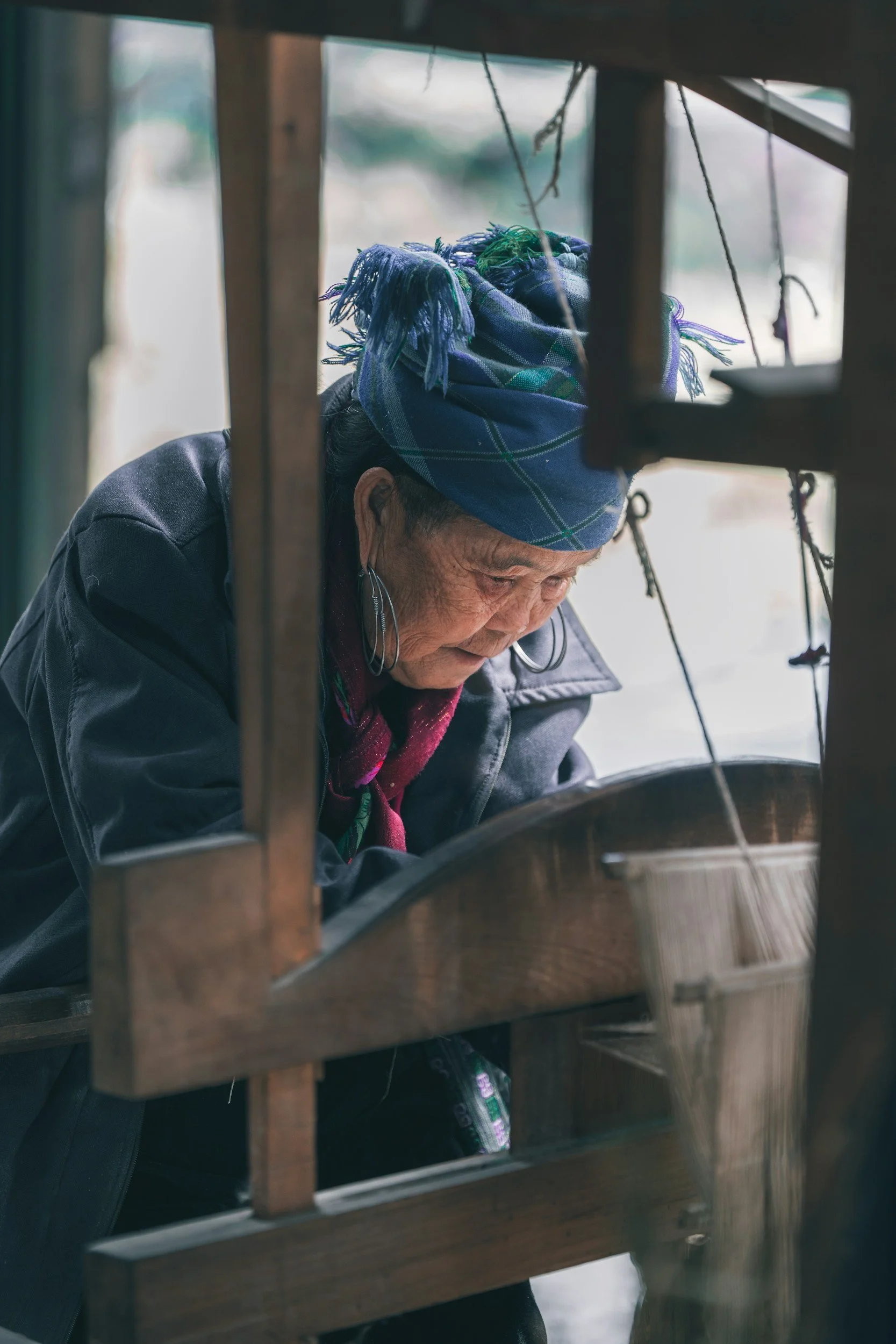
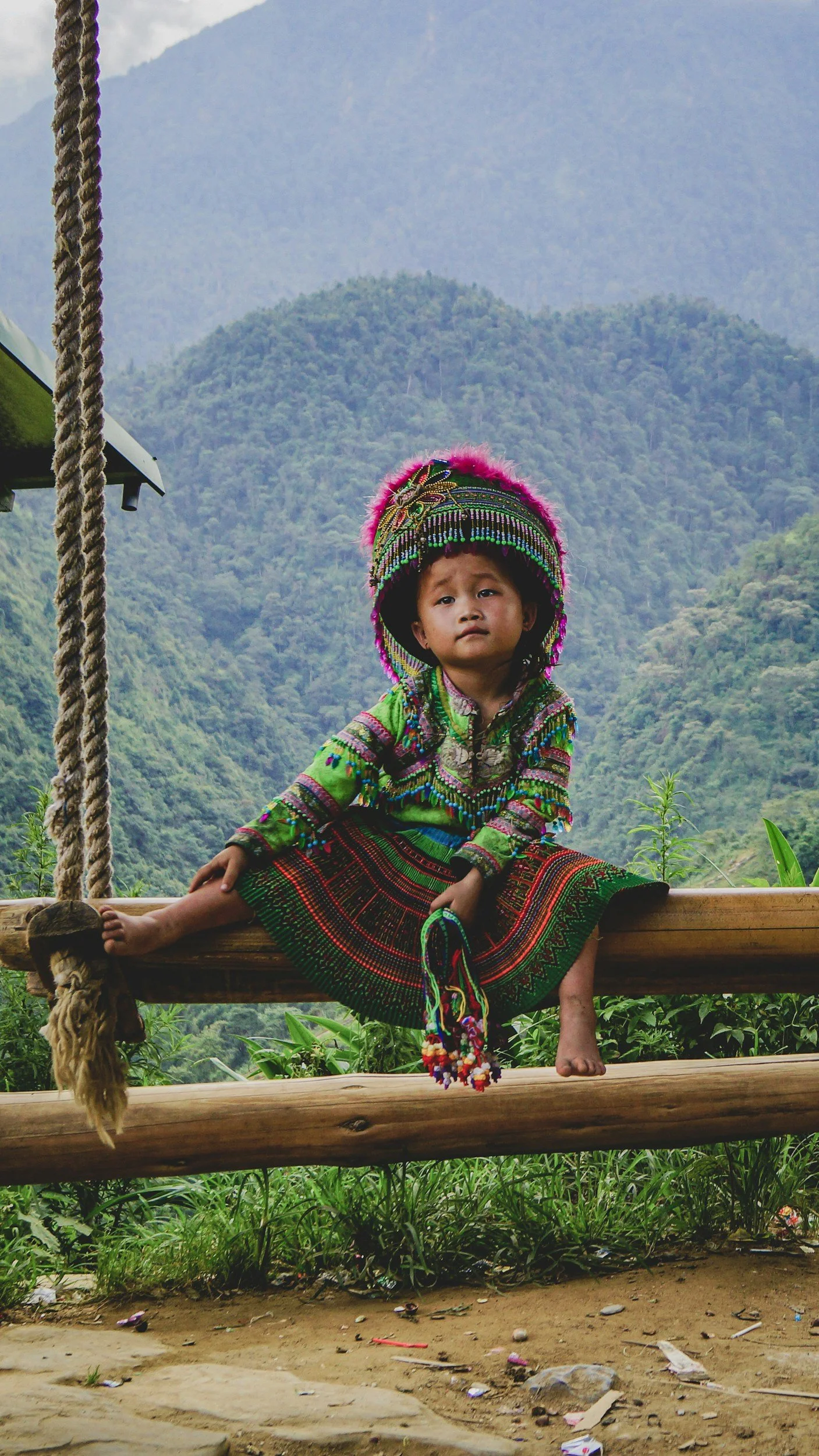
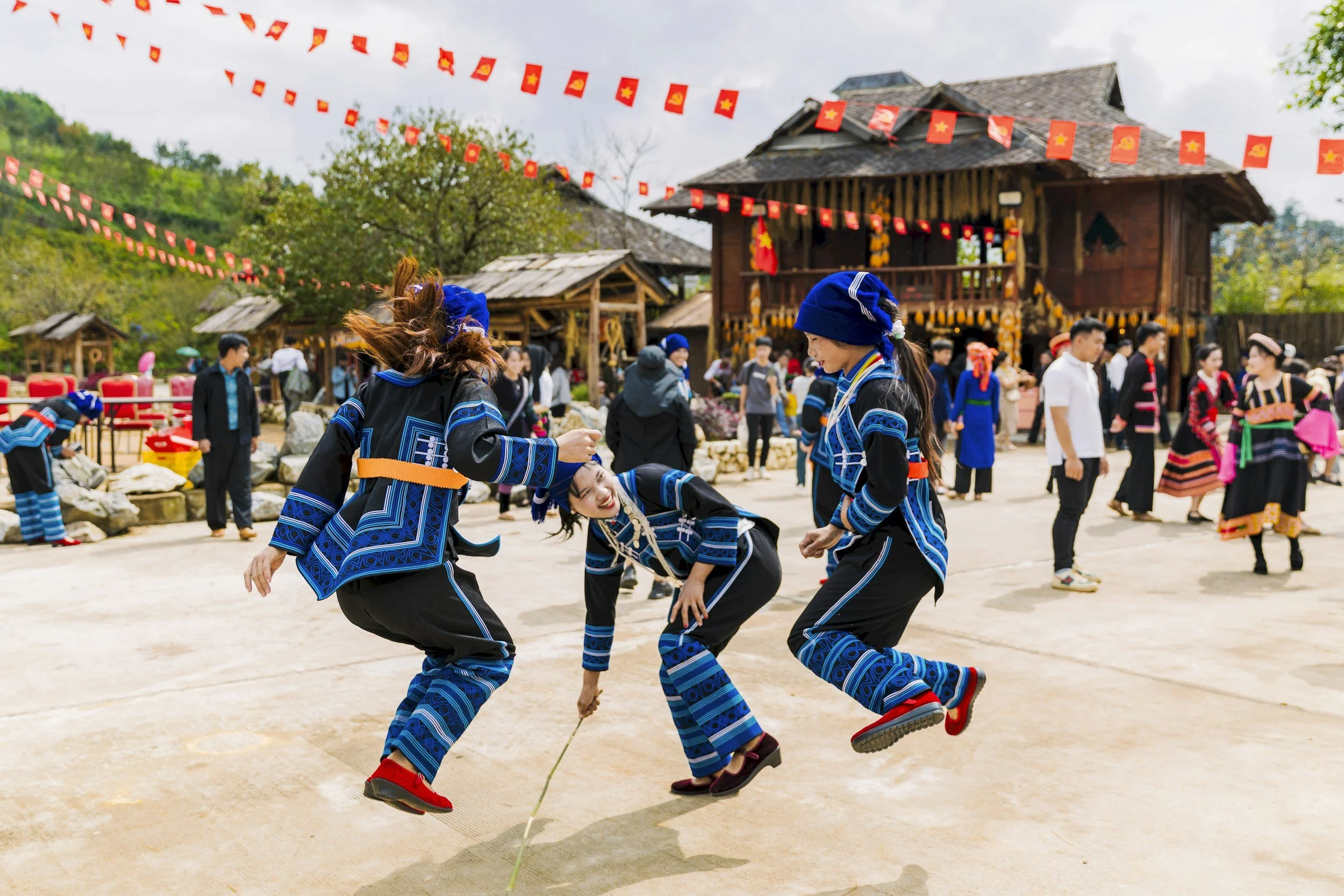
Sapa doesn't have major annual events, but local hill tribes celebrate seasonal festivals throughout the year. The most significant are the traditional Lunar New Year celebrations (late January or February) and harvest festivals during autumn (September–October). Many ethnic minority groups mark their own new year celebrations around December and January.
-
When is it? January/February
A significant celebration across Vietnam with local tribes gathering, traditional dress, and cultural performances.
-
When is it? September/October
Local communities celebrate the rice harvest with traditional ceremonies and gatherings.
-
When is it? Saturday nights
Traditional Saturday night gatherings in nearby towns where hill tribe communities meet and celebrate.
Travelling to Sapa in each season
Sapa's mountain location means each season brings distinct experiences. Spring and autumn tend to be the goldilocks months, while summer's rains and winter's cold are more extreme but still offer unique appeal.
Spring
When is it? March to May
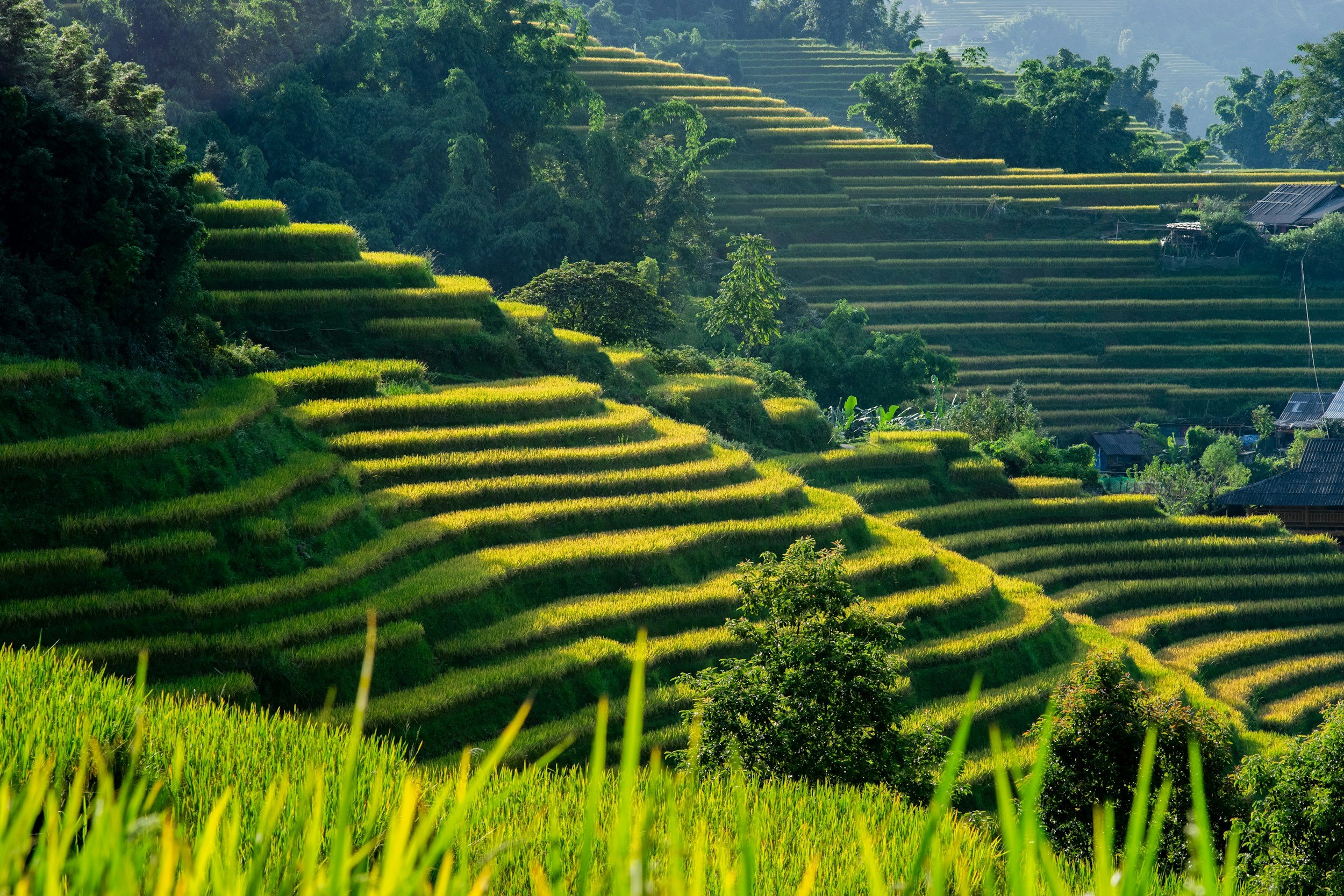
Spring brings mild temperatures (15–20°C) and blooming flowers across the terraced fields. The landscape is increasingly green as rice planting begins. Crowds are building but still manageable, and prices are reasonable. Occasional rain and morning mist are common, which can affect visibility but create atmospheric photos.
Summer
When is it? June to August
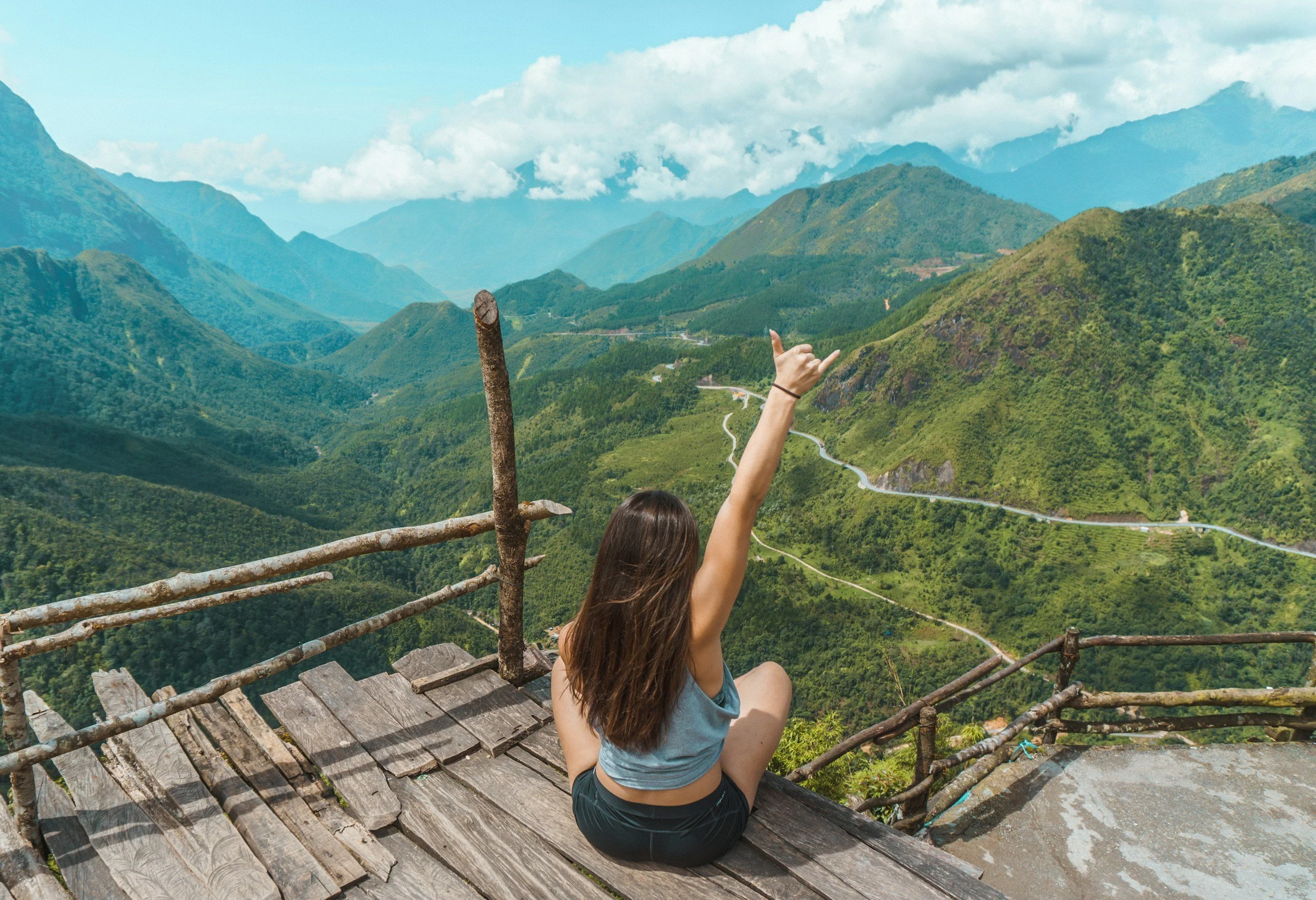
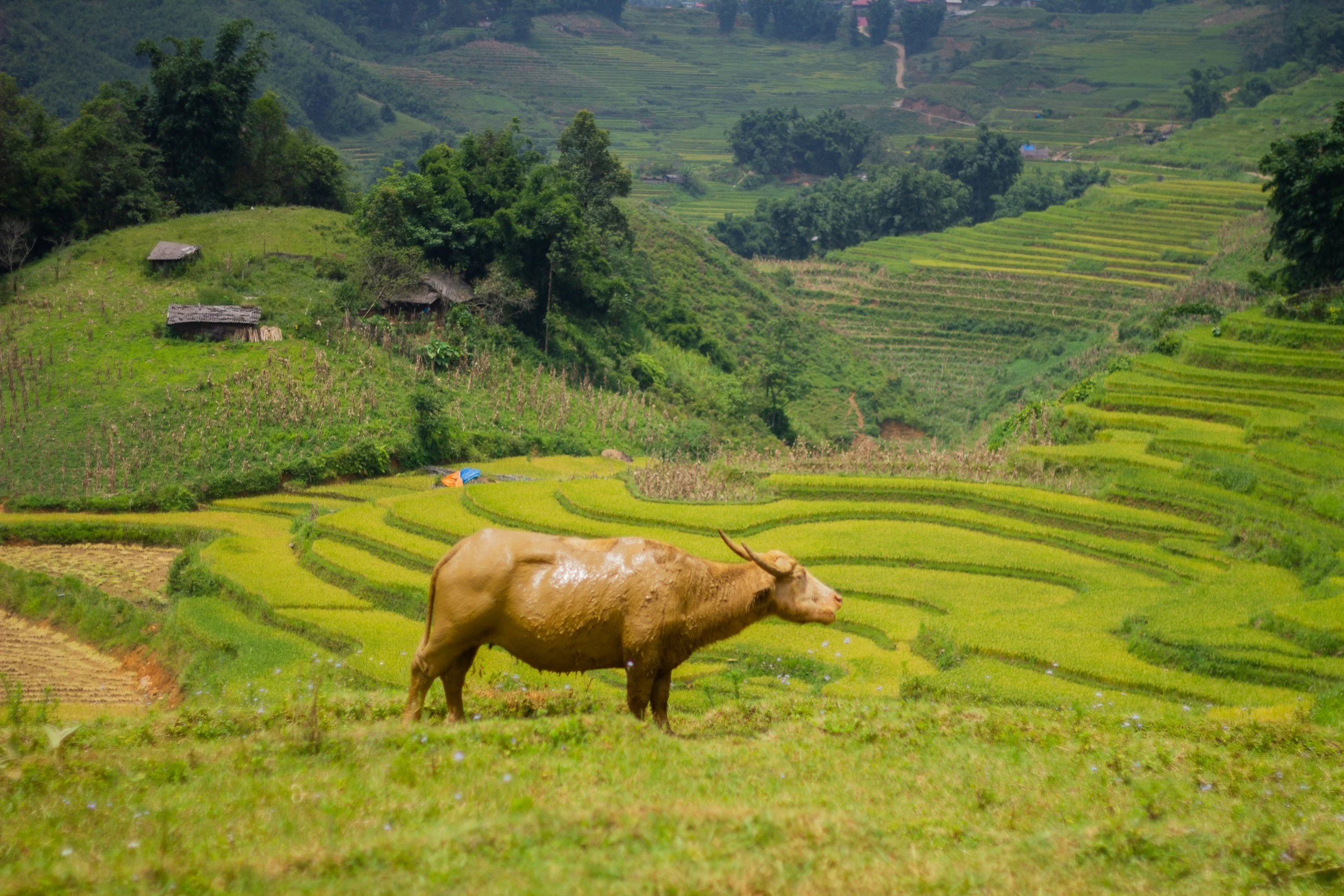
Summer is rainy, humid, and warm (20–25°C), with frequent downpours that make trekking muddy and challenging. The rice fields are lush and vibrant green, creating stunning visuals. Crowds are minimal and prices are at their lowest. This season suits adventure-seekers comfortable with wet conditions and those seeking solitude.
Autumn
When is it? September to November
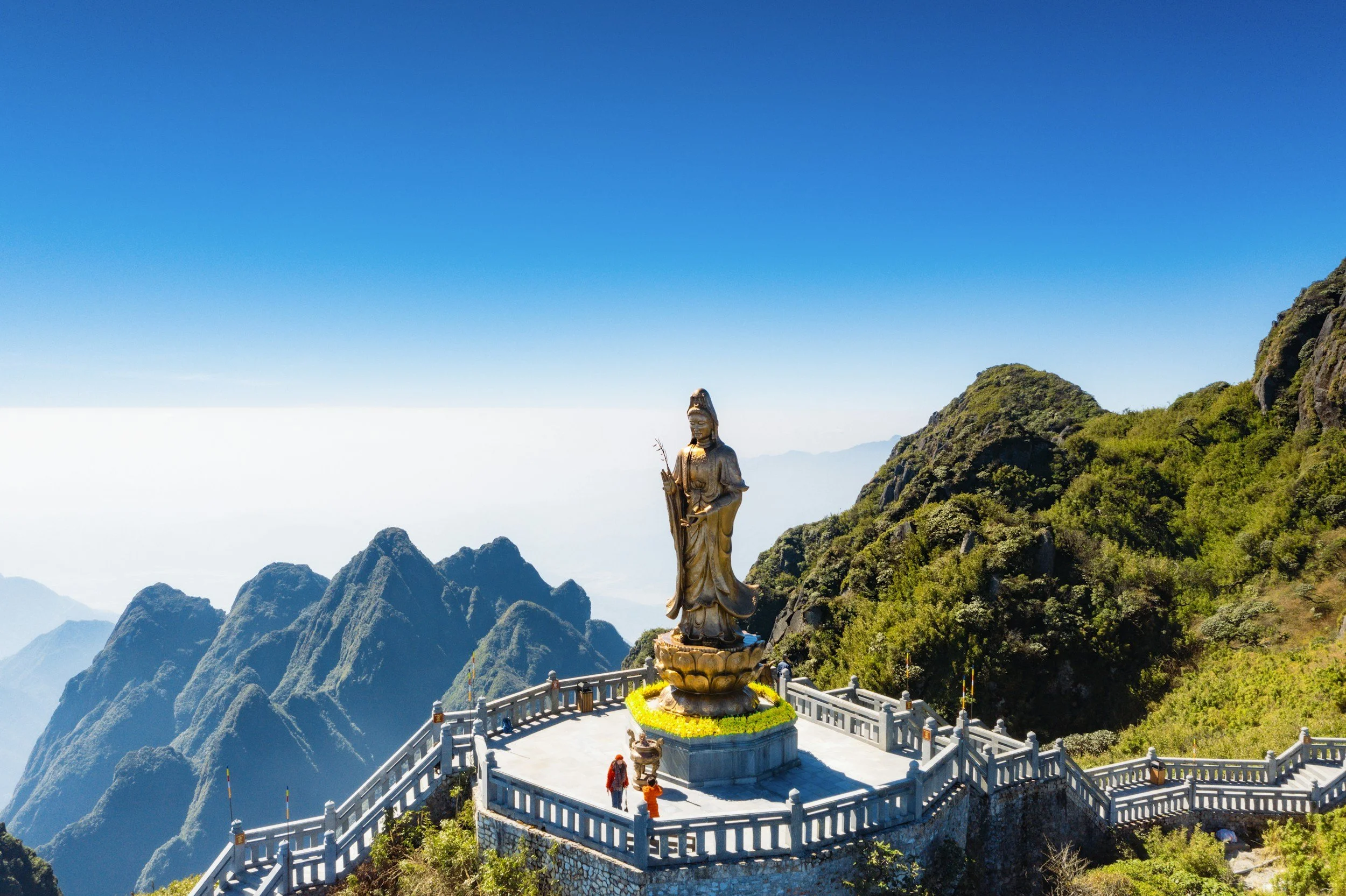
Autumn is arguably Sapa's best season, with cool, dry weather (15–20°C) and clear mountain views. The rice harvest is underway, adding energy to the landscape. Crowds are moderate and prices are fair. This is peak hiking season when conditions are ideal for trekking and photography.
Winter
When is it? December to February
Winter brings cool to cold temperatures (10–15°C), occasional frost, and the year's clearest views. December and January are busy with international tourists escaping colder climates. Prices peak during this period. February is quieter and still offers good weather, making it a solid alternative to the peak months.
Overall, when is the best value time to visit Sapa?
For the best overall value, visit Sapa between September and November. You'll enjoy excellent hiking conditions, clear mountain views, and moderate pricing – not the absolute cheapest, but worth the extra cost for the experience. If budget is your priority, consider the rainy season (June–August), when prices drop significantly and you'll have the trails largely to yourself, though you'll need to accept muddy conditions and atmospheric rather than crystal-clear views. February is also worth considering: it's quieter than December–January, still offers good weather, and prices are more reasonable while you avoid the peak tourist season entirely.
80k+
people in Sapa
Town
in Vietnam