Best time to go to Japan
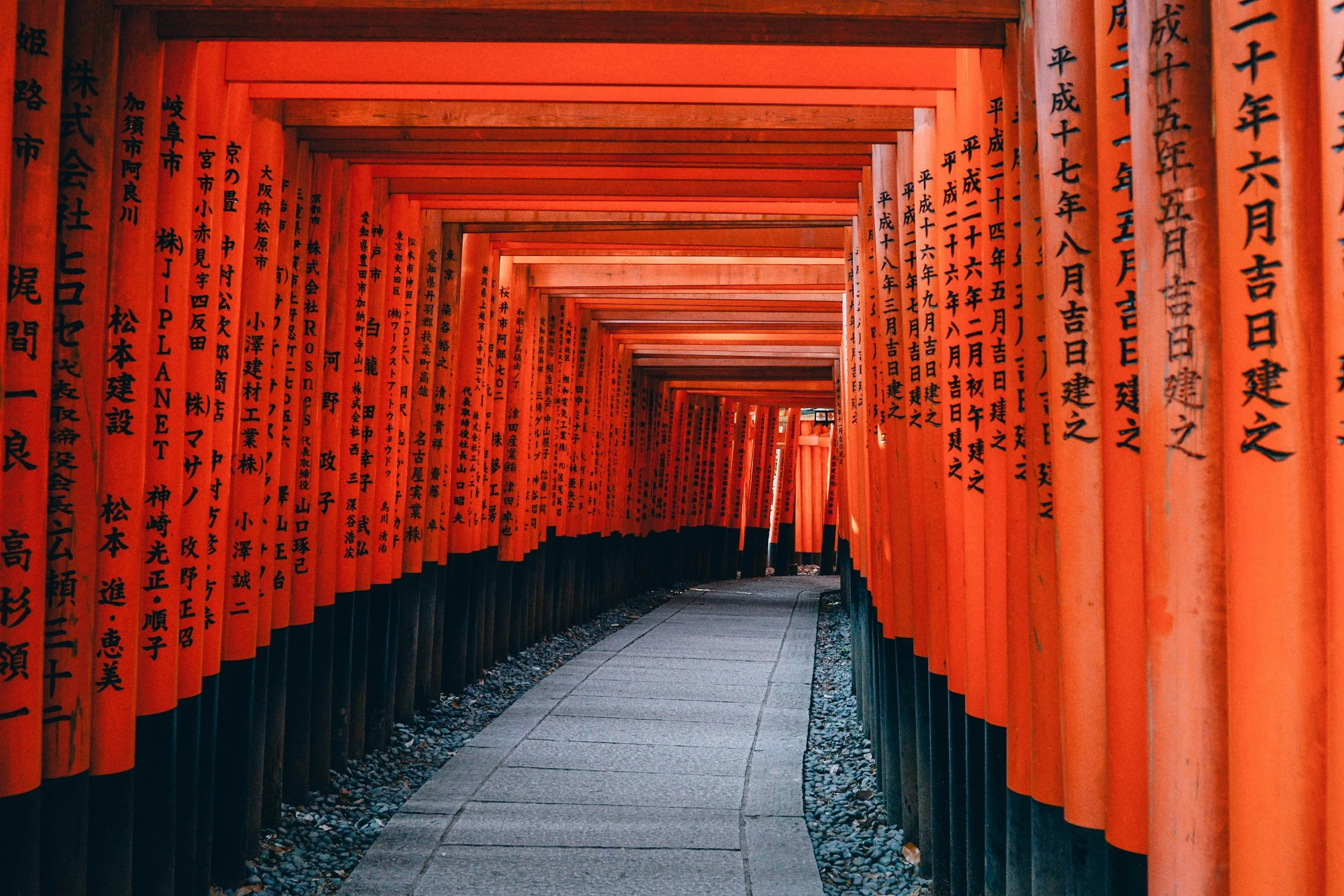
Japan is a land of captivating contrasts, where neon-lit cityscapes stand alongside ancient, tranquil temples. For Australians, it has become the go-to destination for everything from world-class skiing to deep cultural immersion. Unlike some of our tropical neighbours, Japan boasts four distinct and dramatic seasons, each offering a completely different version of the country. Whether you are dreaming of the delicate pink cherry blossoms in spring, the fiery maple leaves of autumn, or the legendary "Japan powder" in the northern ski resorts, timing is everything. From the bustling streets of Tokyo to the serene paths of Kyoto, understanding the local calendar ensures you won't miss the magic of this East Asian gem.
TL;DR
When is the best time to visit Japan?
The best time to visit Japan overall is October to early November. You will experience mild temperatures, clear blue skies, and the beginning of the stunning autumn foliage, all while avoiding the intense humidity of summer and the extreme crowds of the spring cherry blossom peak.
Weather in Japan
For the most comfortable weather, aim for spring (March to May) or autumn (September to November). During these months, temperatures range from a pleasant 15°C to 22°C, making it ideal for the extensive walking that Japanese sightseeing requires. If you are travelling for the world-renowned ski fields in Hokkaido or Nagano, January and February are the peak months, offering consistent sub-zero temperatures and some of the best powder snow on the planet. Conversely, summer (June to August) is famously hot and humid, with a rainy season in June and July that can make outdoor exploration quite a damp affair.

Prices in
Japan
If you are looking to keep costs down, the cheapest time to visit Japan is during the winter "off-season" (mid-January to February), excluding the ski resorts. With fewer international tourists, you can often find significant discounts on accommodation in major cities like Osaka and Tokyo. Airfares from Australia are typically at their lowest in late May, June, and November. To protect your wallet, strictly avoid Golden Week (late April to early May), the Obon festival in mid-August, and the New Year period, as domestic travel demand causes hotel prices to triple and flights to book out months in advance.
Crowds in Japan
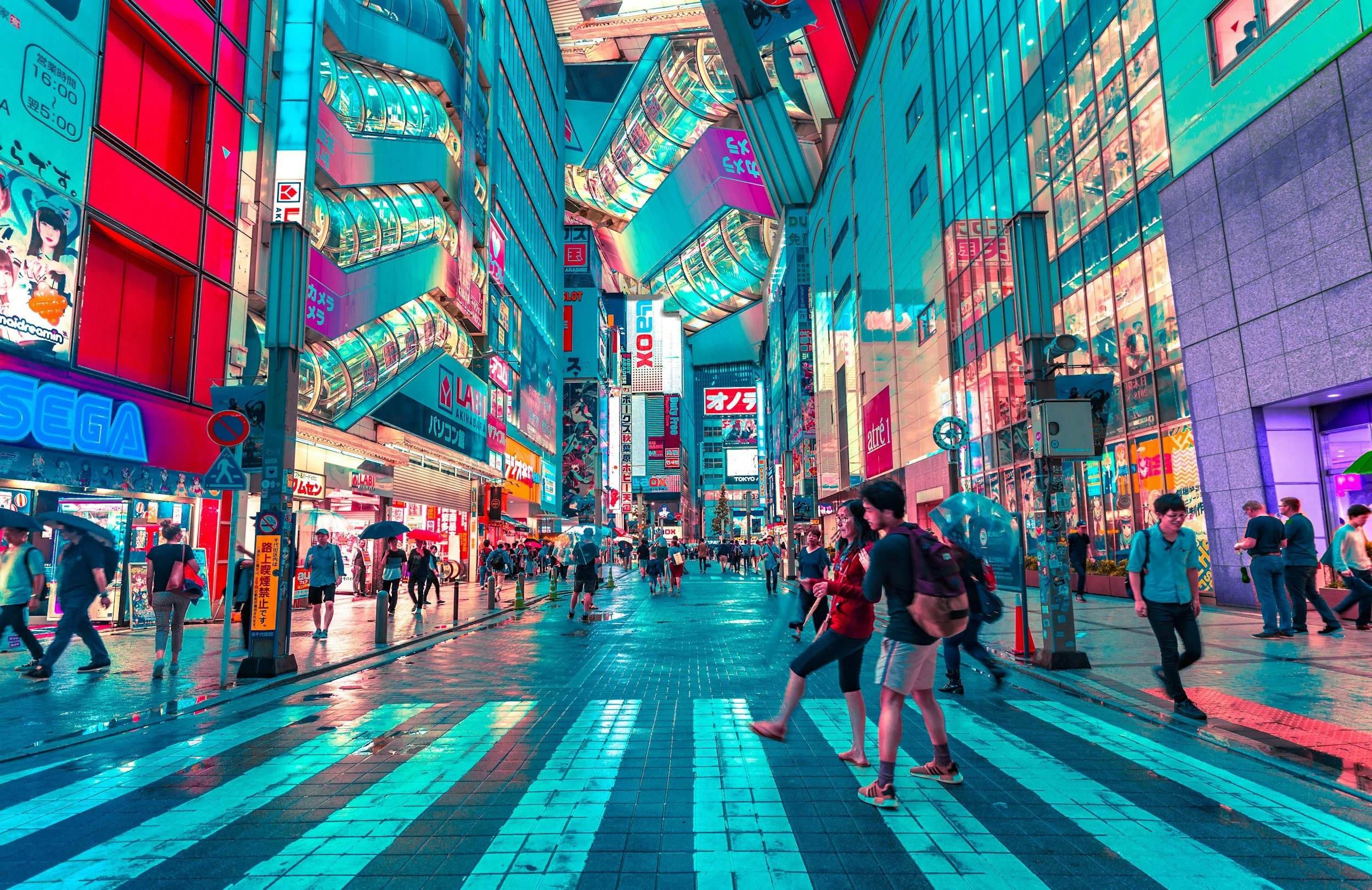
Japan is at its most crowded during the cherry blossom season (late March to early April). While beautiful, popular sites like Kyoto’s Arashiyama or Tokyo’s Ueno Park become incredibly packed. To enjoy Japan’s wonders with a bit more breathing room, consider visiting in mid-May, just after Golden Week, or in late autumn. The quietest time for traditional sightseeing is January, provided you stay away from the ski slopes. Be aware that 2026 features a "Silver Week" in late September, where back-to-back public holidays will see a surge in local travel, so expect busier trains and attractions during that window.
Events and festivals in Japan
Japan’s festival calendar, or matsuri, is one of the most vibrant in the world, with events often rooted in centuries of tradition.
-
When is it? February
Massive, intricate ice and snow sculptures transform Hokkaido's capital.
-
When is it? March-April
Nationwide "hanami" (flower viewing) parties held under the blooming sakura.
-
When is it? November
Special evening illuminations at temples in Kyoto and Tokyo to showcase the red maples.
Travelling to Japan in each season
Each season in Japan is so distinct that it can feel like a completely different country. Here is what to expect as you plan your journey through the Japanese year.
Spring
When is it? March to May
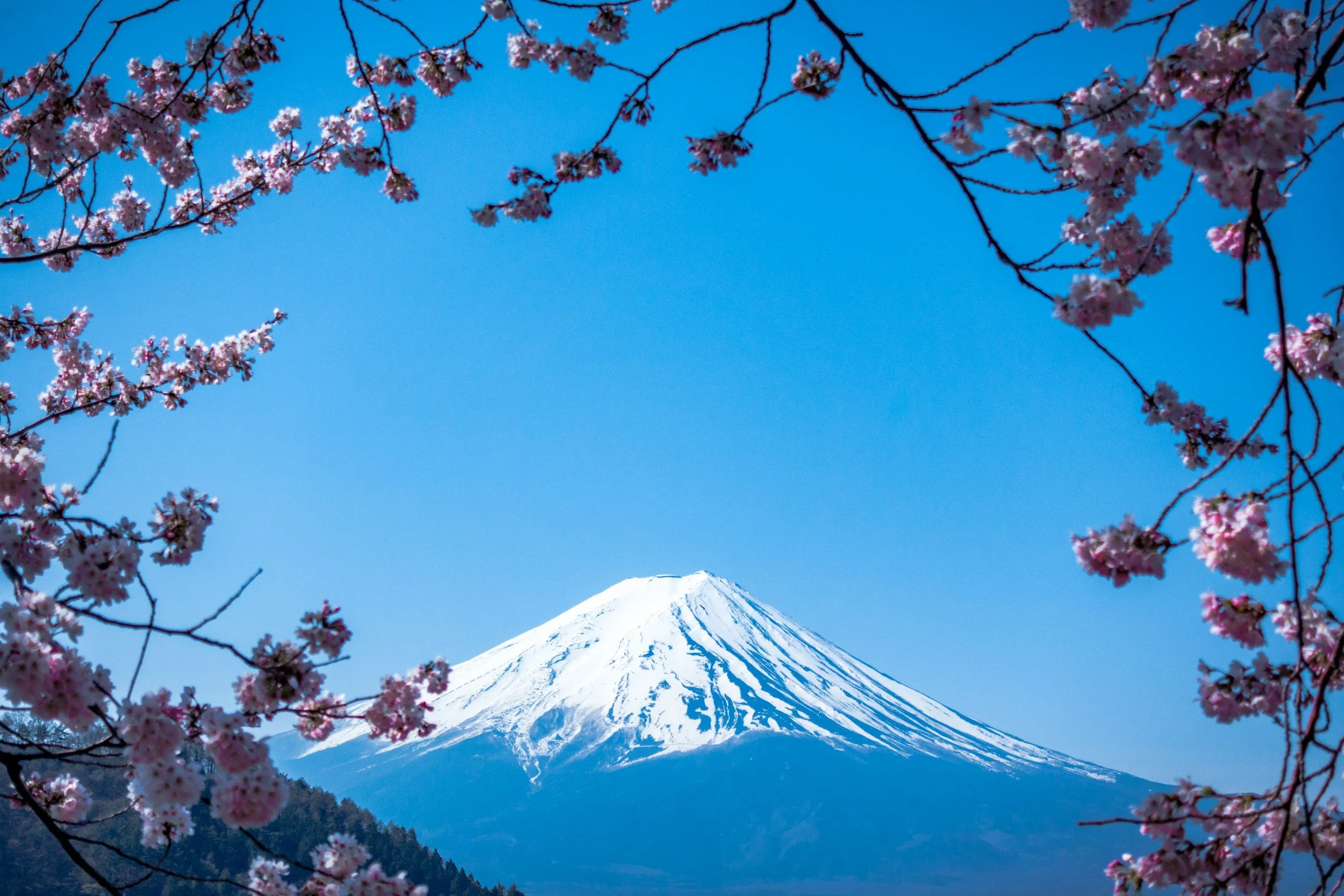
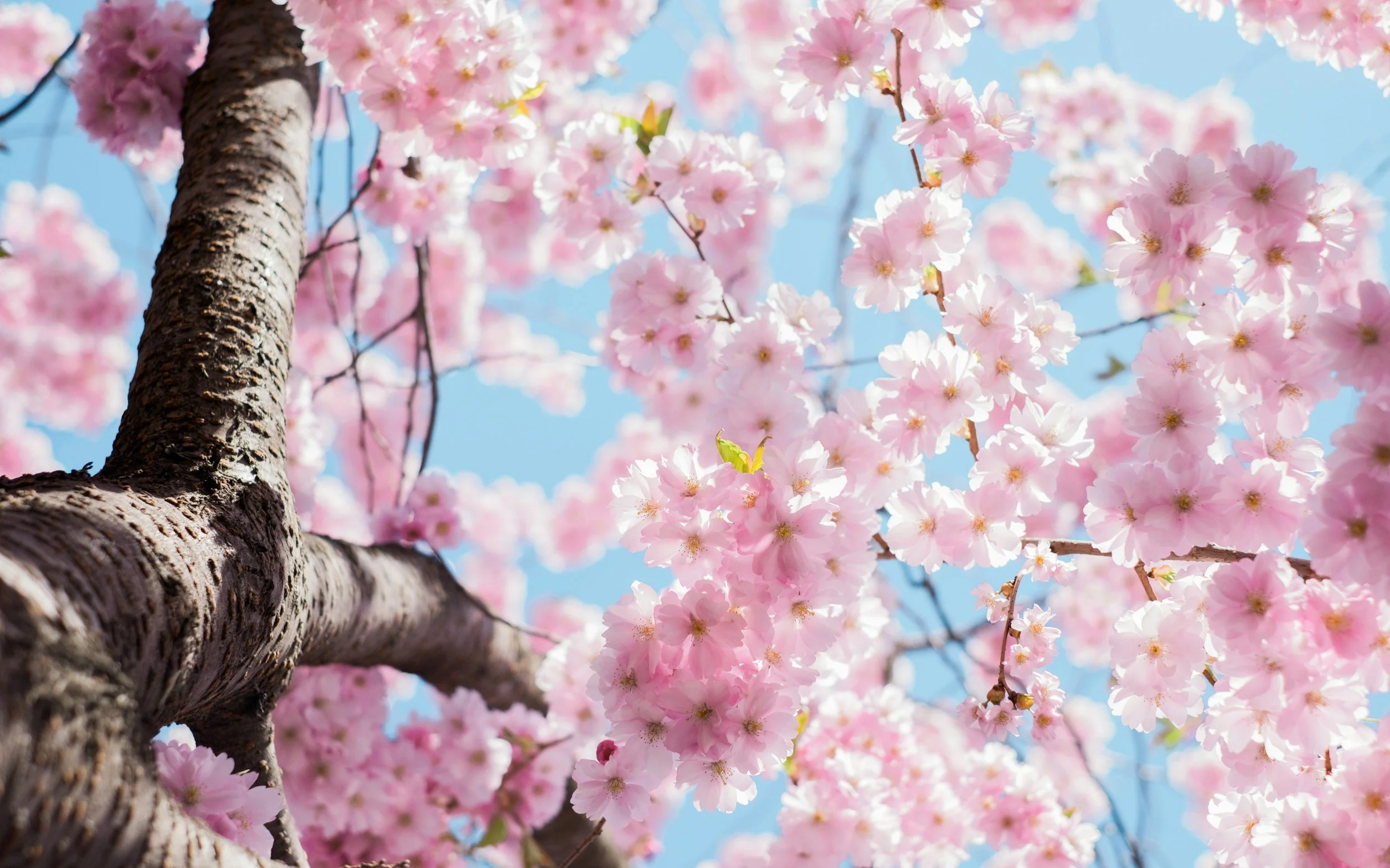
Spring (March to May) is Japan’s most iconic season, defined by the blooming of the cherry blossoms and mild, inviting weather. While it is the most expensive and crowded time to travel, the festive atmosphere of people picnicking under the trees is an experience unlike any other, especially in the first week of April.
Summer
When is it? June to August
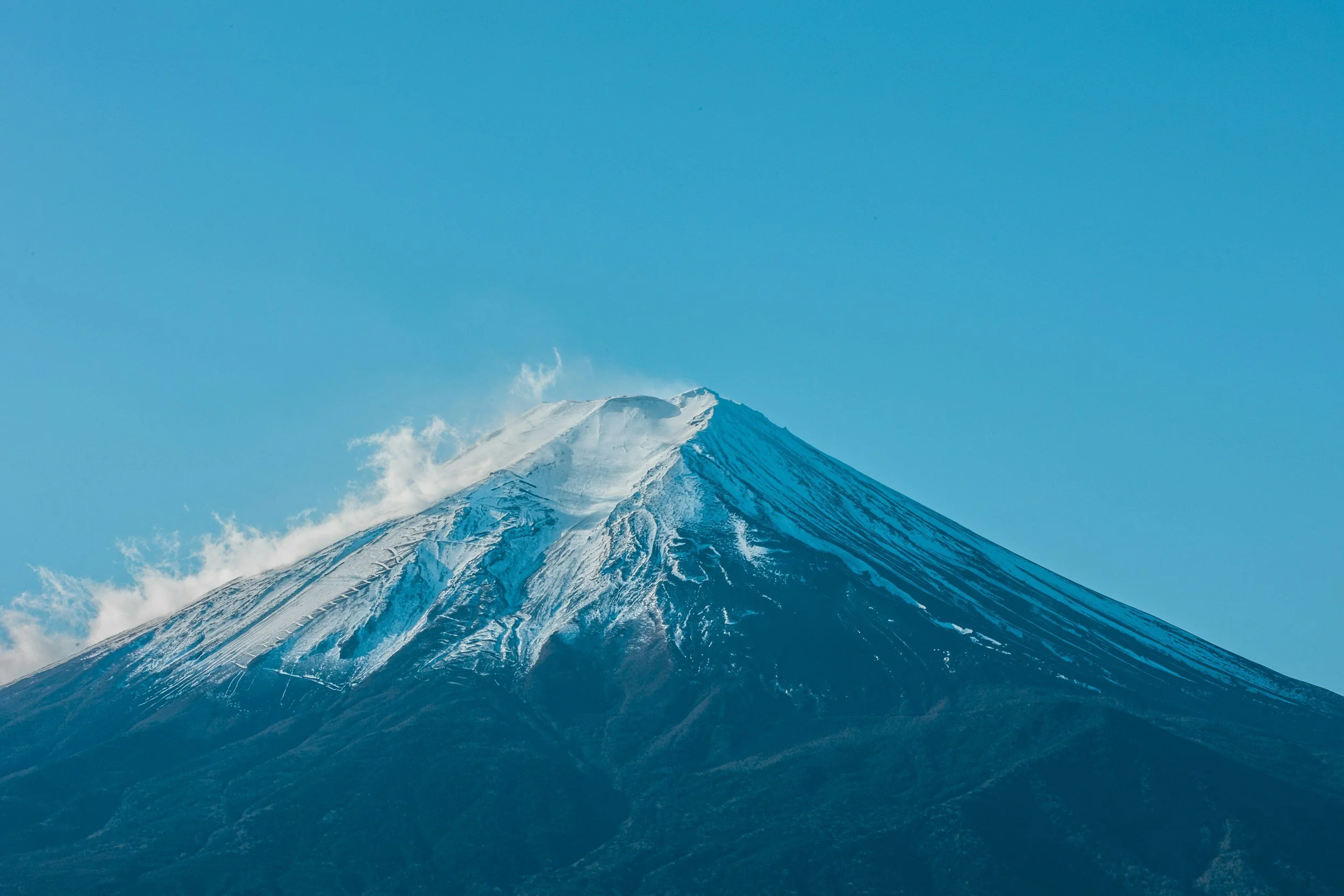
Summer (June to August) is a season of extreme humidity and spectacular fireworks displays known as hanabi. While the heat in the cities can be intense, it is the only time of year you can officially climb Mount Fuji, and it’s the peak season for vibrant local festivals and traditional street food.
Autumn
When is it? September to November
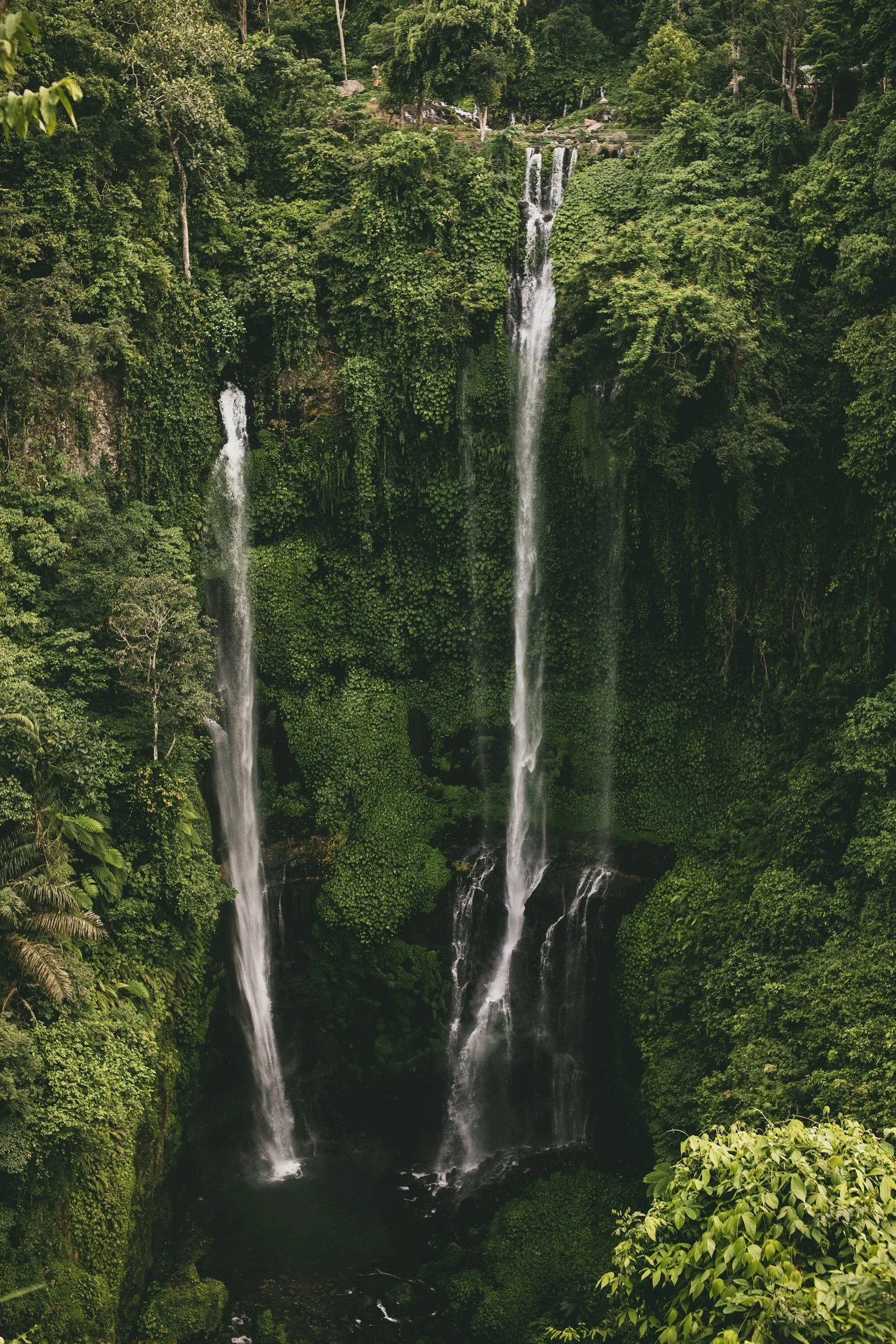
Autumn (September to November) is arguably the most beautiful time to visit, as the landscape turns into a tapestry of deep reds, oranges, and golds. The weather is crisp and stable, making it the perfect season for photography and exploring the many hiking trails and temple gardens that Japan is famous for.
Winter
When is it? December to February
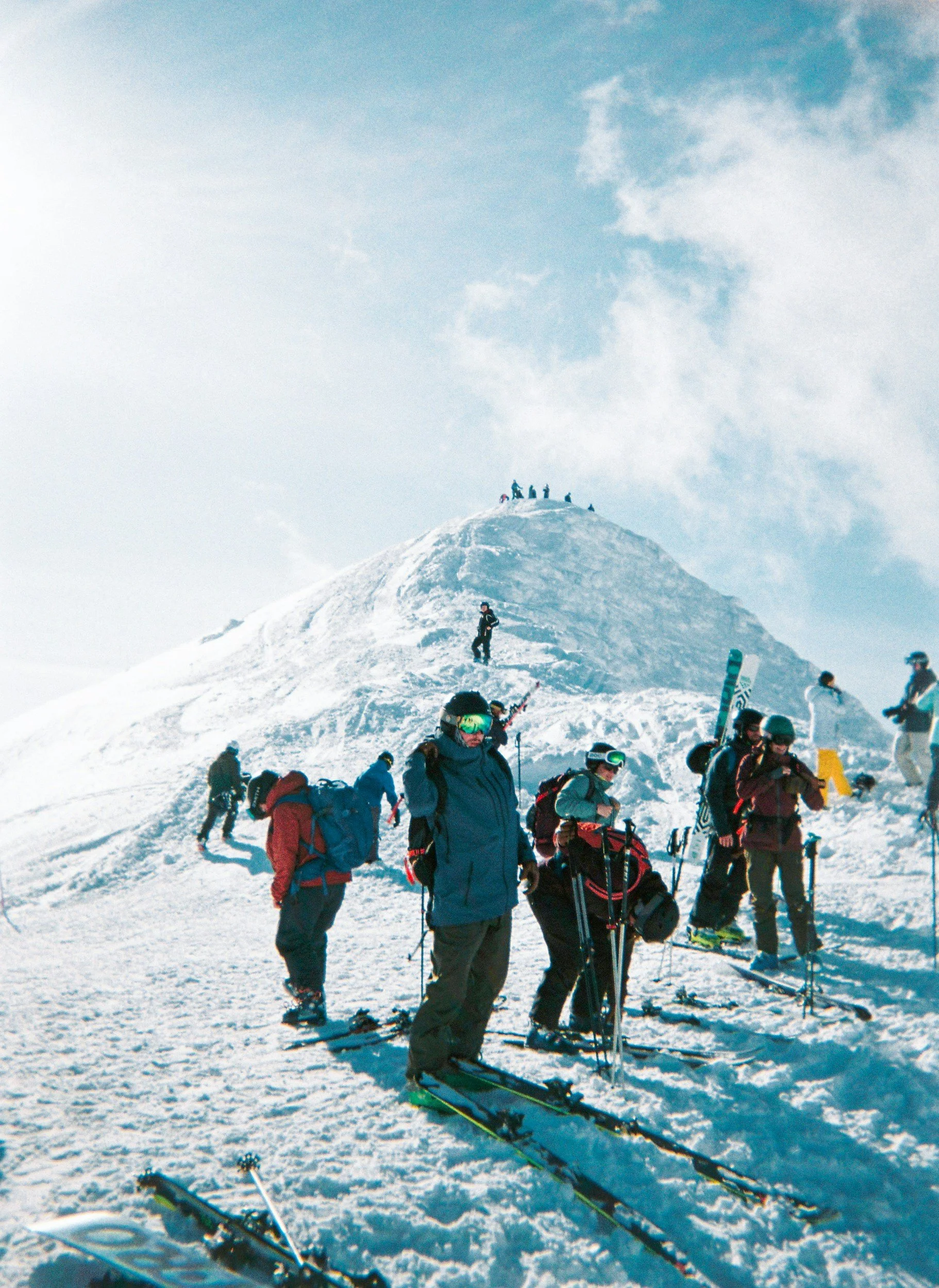
Winter (December to February) transforms northern Japan into a snow-covered wonderland, perfect for world-class skiing and soaking in outdoor hot springs (onsen). In the cities, you will find crisp blue skies and stunning winter illuminations, and it remains the best time to visit for those who prefer a quieter, more affordable travel experience.
Overall, when is the best value time to visit Japan?
For the best overall value, we recommend booking your trip for late May or early November. Late May is a fantastic "hidden gem" window; the chaos of Golden Week has subsided, the weather is warm and lush before the rainy season starts, and accommodation prices return to reasonable levels.
Alternatively, early November offers a similar advantage. You catch the stunning autumn colours as they peak in central Japan, yet you avoid the massive premium charged during the spring cherry blossom rush. By choosing these shoulder periods, you will find it much easier to secure seats on the Shinkansen (bullet train) and can enjoy the top-tier dining and cultural sites without the overwhelming crowds. It is the smartest way to experience Japan’s high-end hospitality without the high-season price tag.
123m+
people in Japan
Country
in Asia