Best time to go to Italy
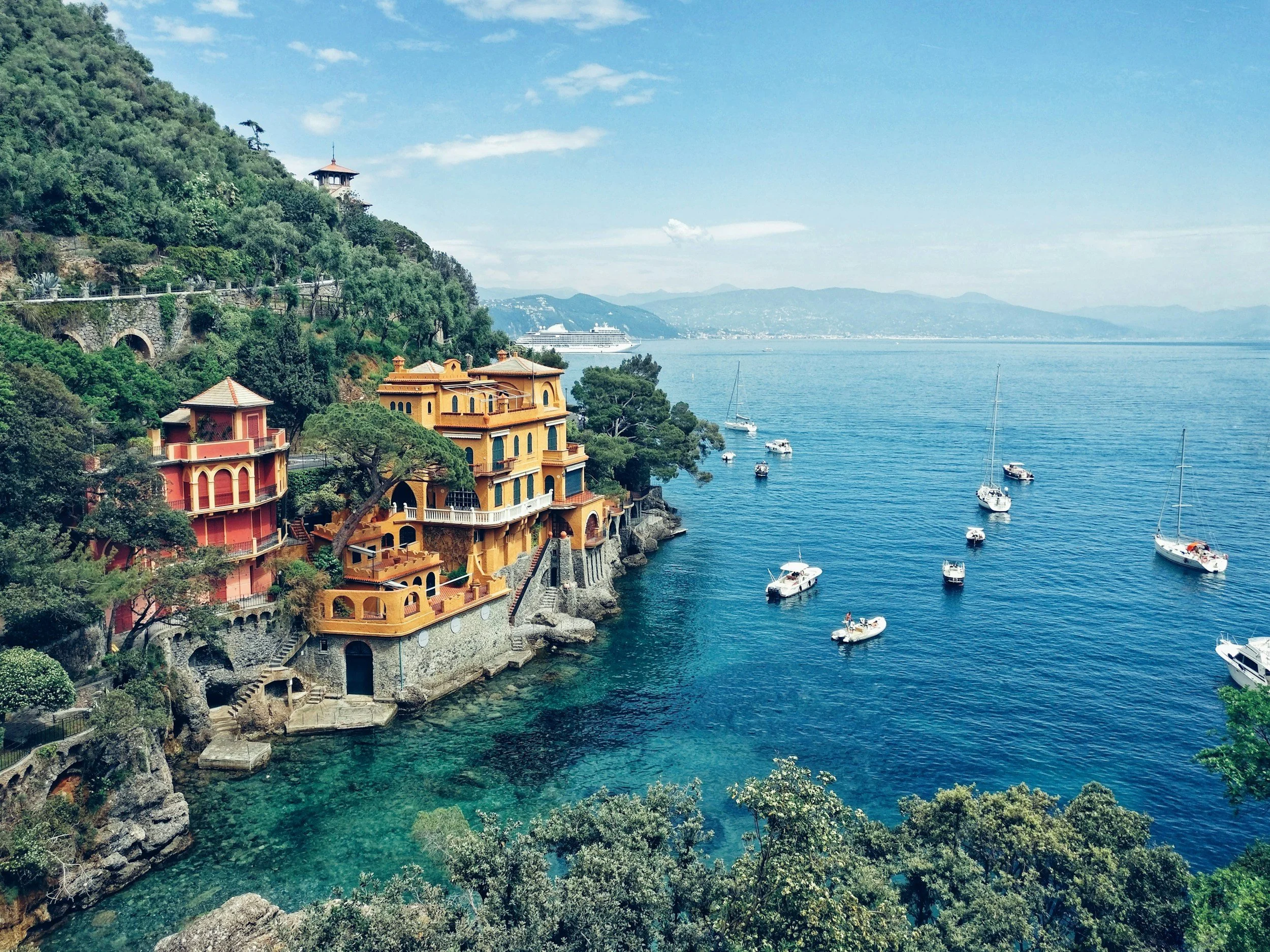
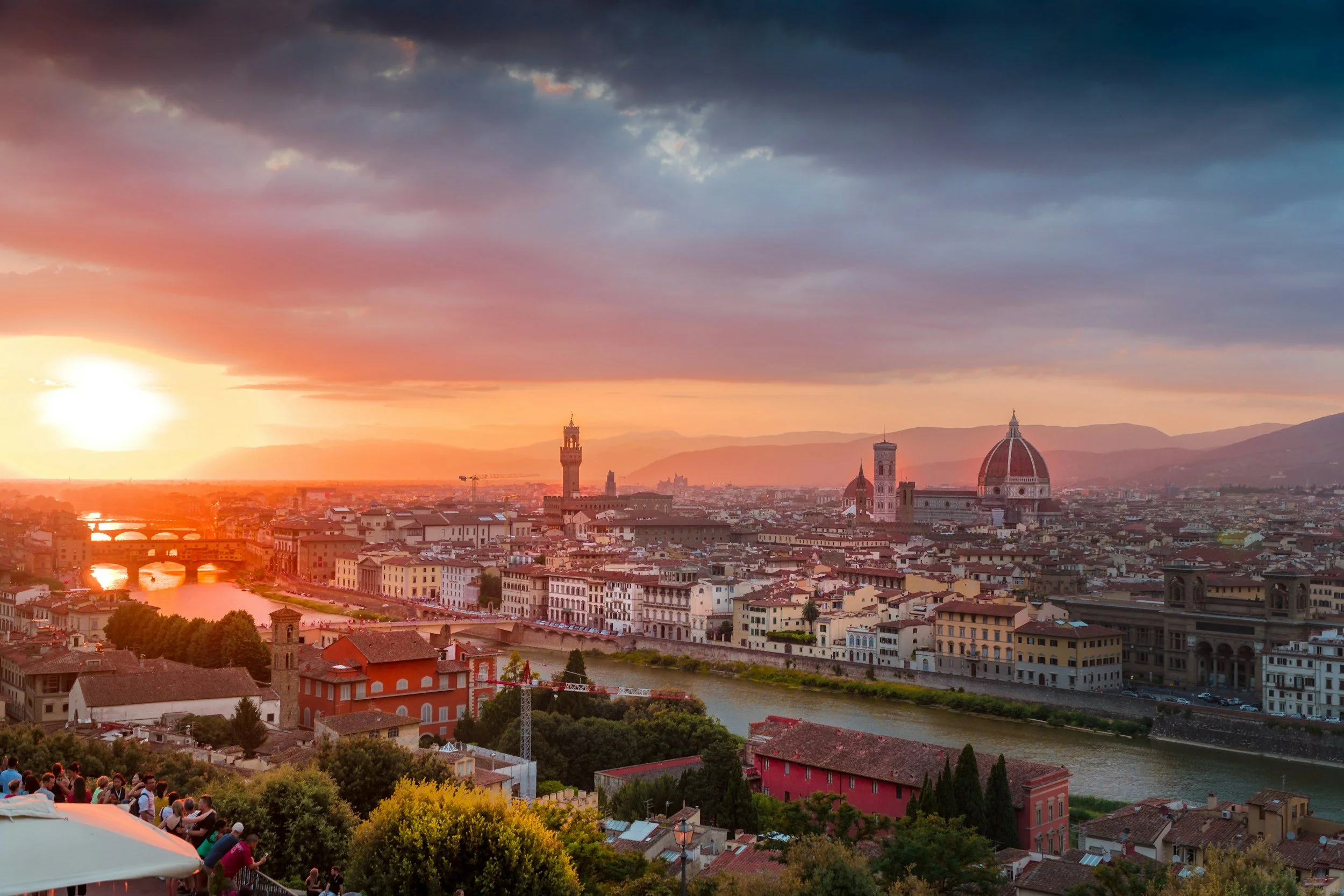
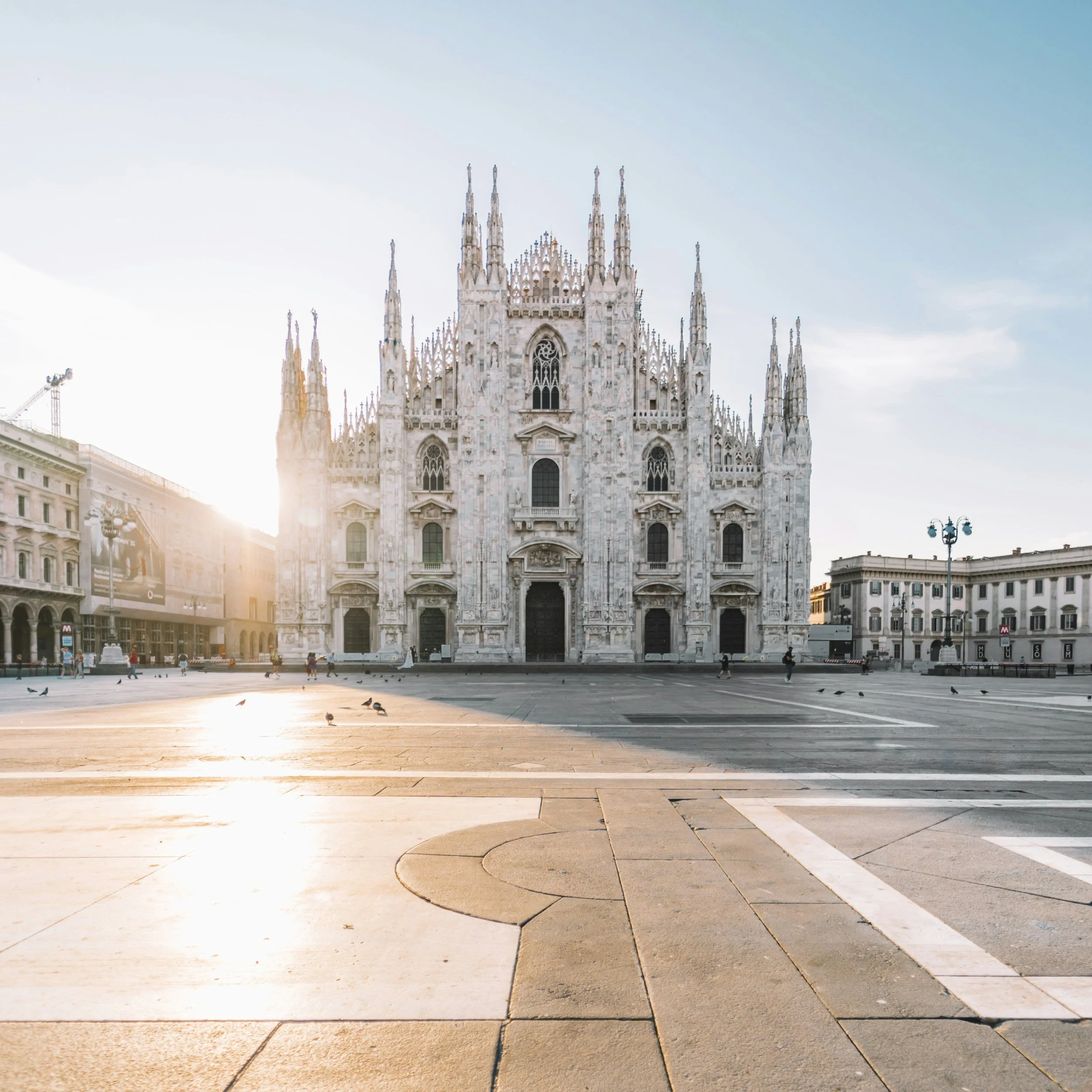
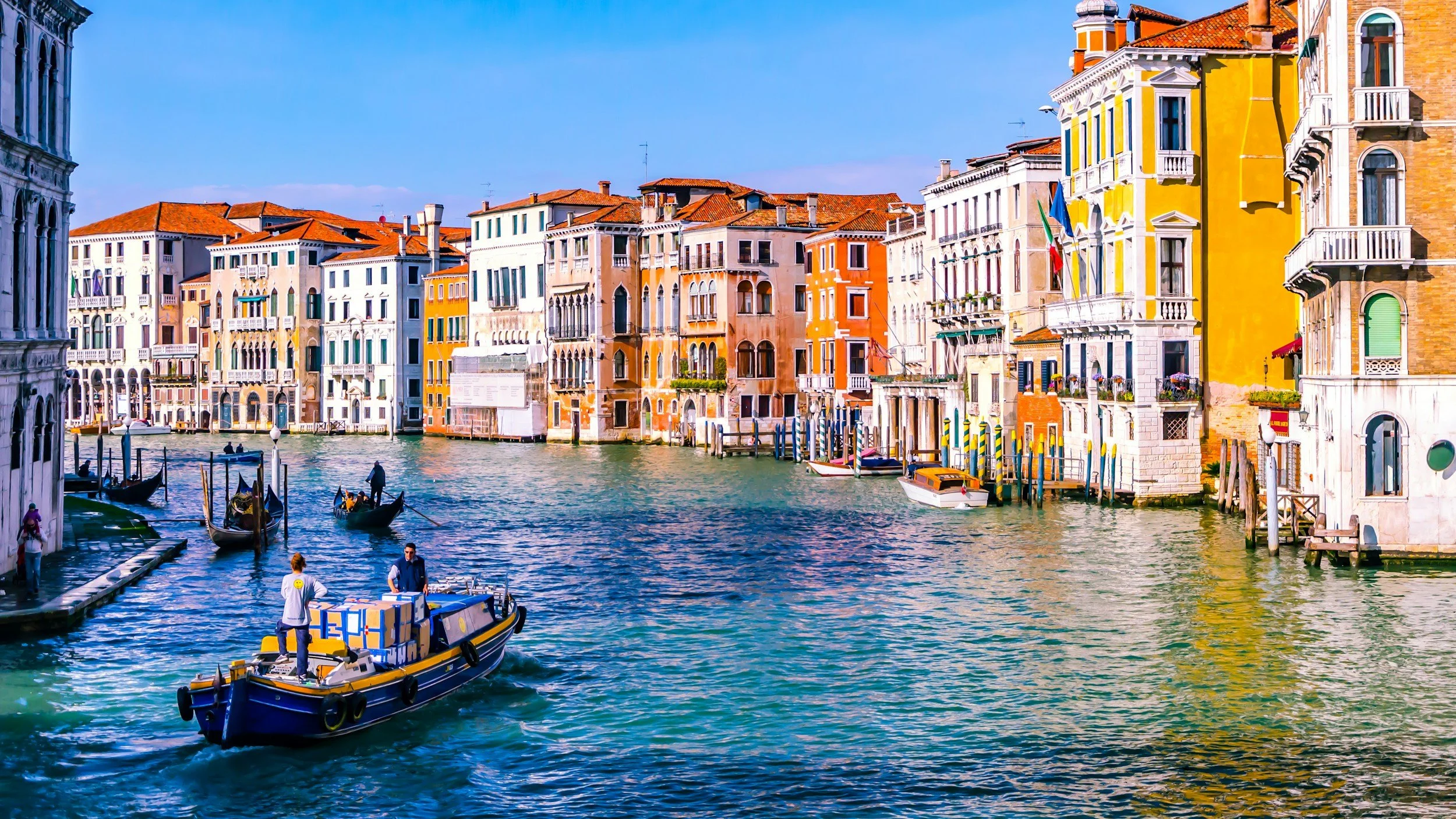
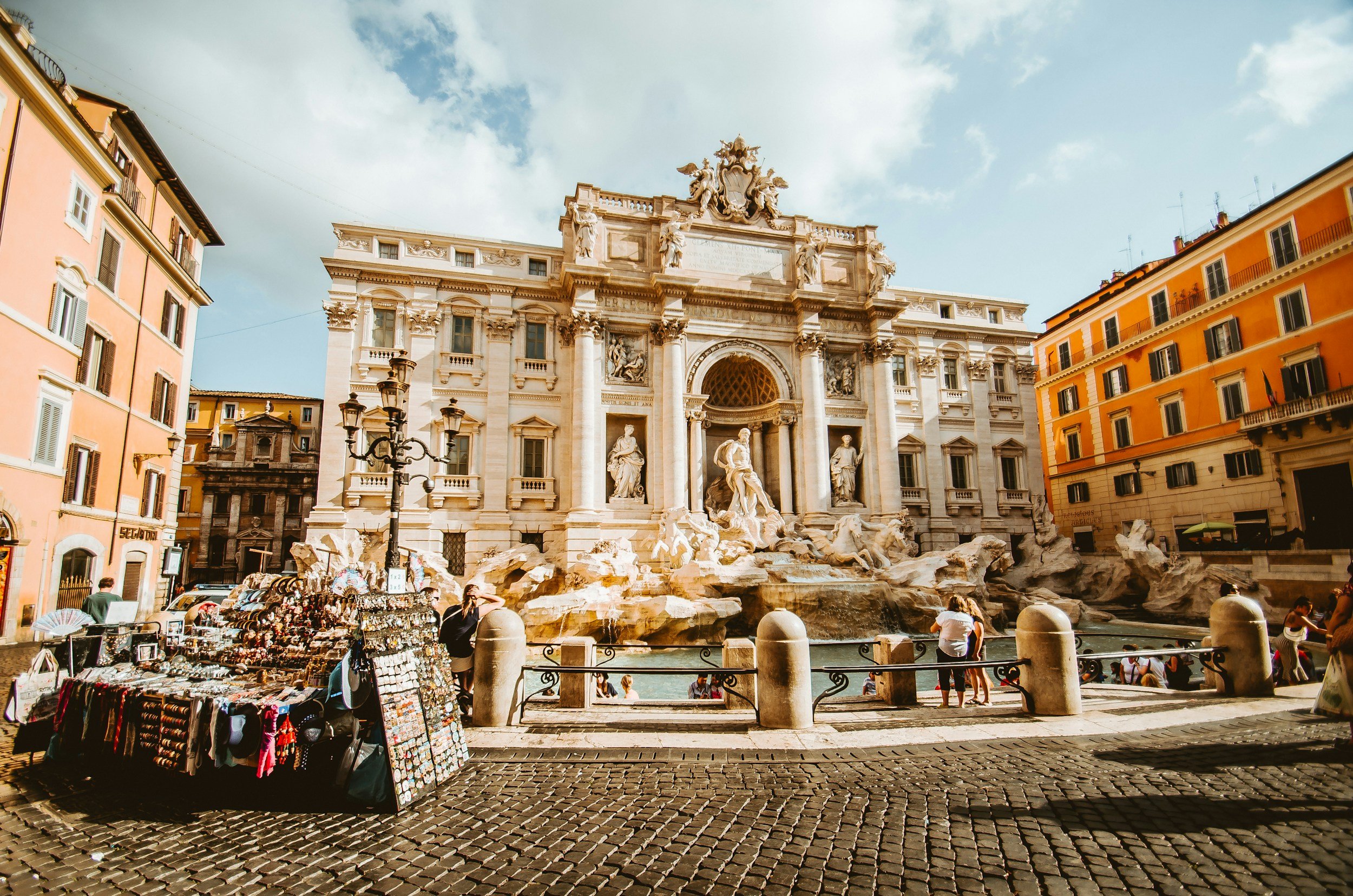
Italy is one of the world's most beloved travel destinations, famous for its Renaissance art, ancient Roman ruins, stunning coastlines, rolling countryside, and world-class cuisine. From the Colosseum in Rome to the canals of Venice, the beauty of Amalfi, and the art galleries of Florence, Italy offers incomparable cultural riches. The country experiences a Mediterranean climate with hot summers and mild winters, creating distinct seasonal experiences. Spring (April–May) and autumn (September–October) are widely considered the best times to visit, offering pleasant weather, blooming flowers, and manageable tourist crowds. However, summer brings lively energy and beach opportunities, while winter offers lower prices and a quieter, more authentic Italy.
TL;DR
When is the best time to visit Italy?
Visit Italy between April and May or September and October for ideal weather, manageable crowds, and excellent value.
Weather in Italy
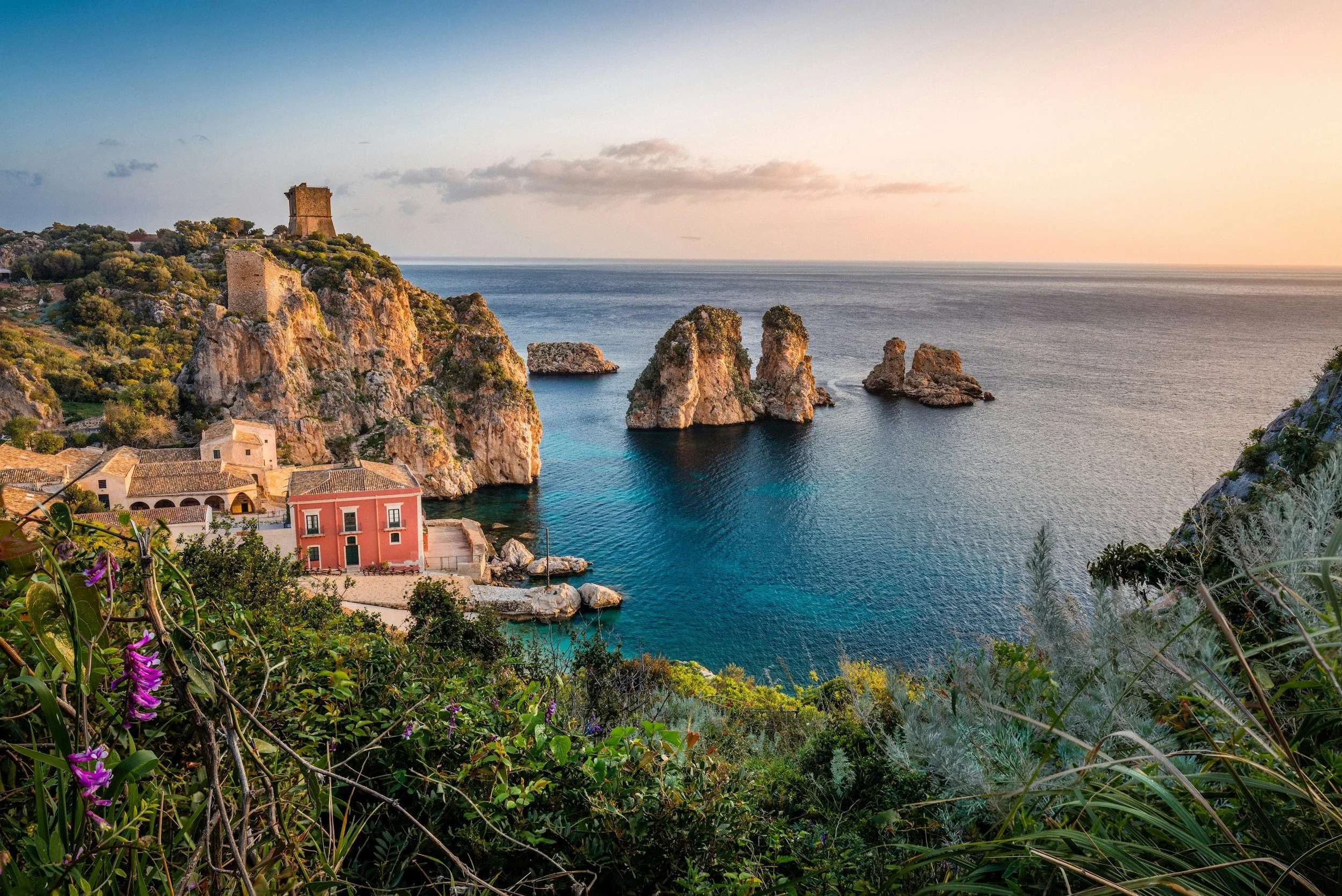
Spring (April–May) and autumn (September–October) are Italy's most pleasant seasons, with temperatures around 18–25°C, lower humidity, and minimal rainfall. Late spring and early autumn offer warm but not excessive heat. June through August is hot (25–35°C), particularly in the south, with occasional afternoon thunderstorms, though rainfall is generally low.
Winter (December–February) is mild (5–15°C) but can be grey, rainy, and occasionally snowy in northern regions. For comfortable sightseeing and walking, spring and autumn are ideal. Summer suits beach lovers and those tolerating heat. Winter is suitable for those enjoying cooler temperatures and fewer crowds.
Prices in Italy
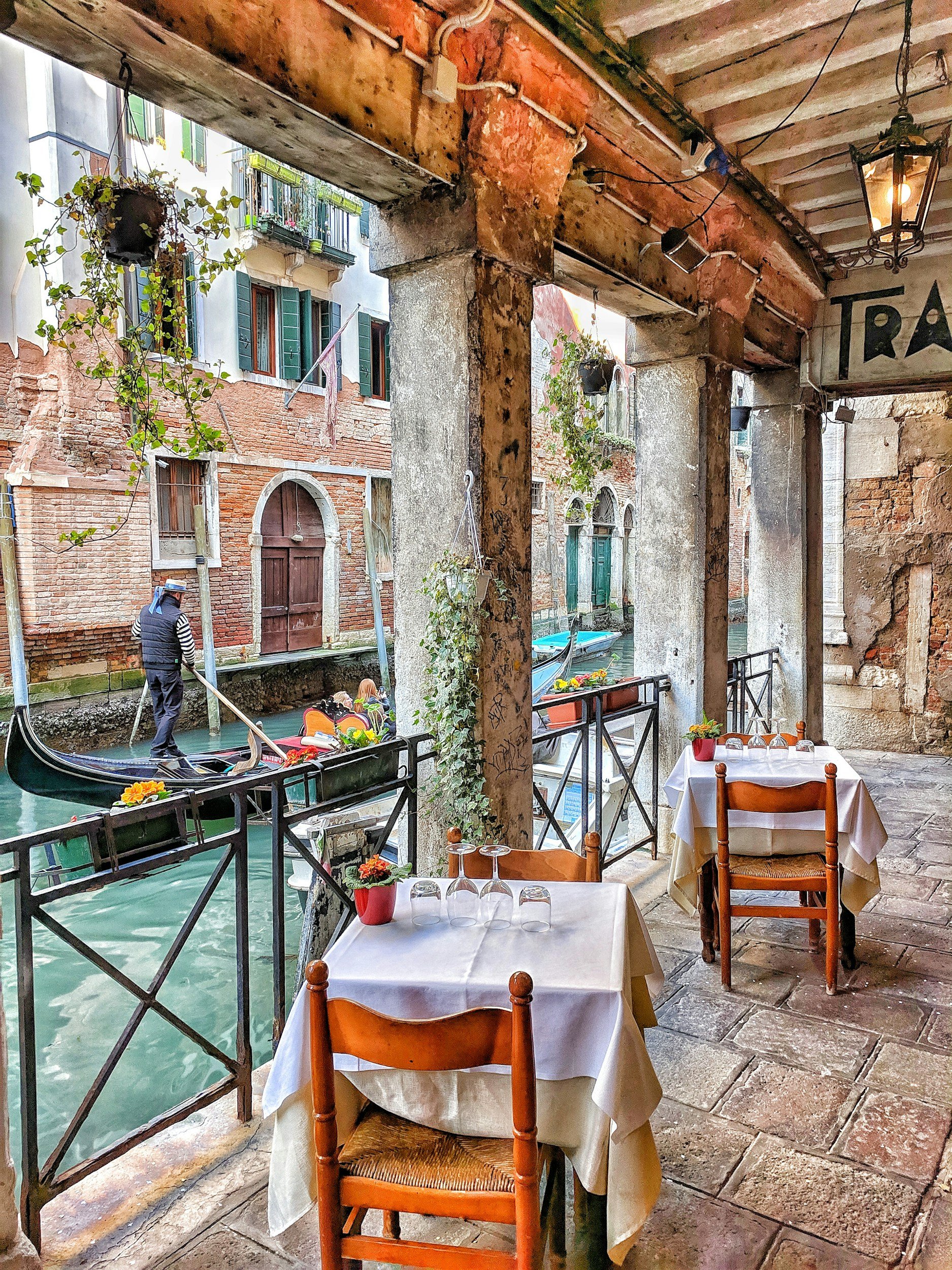
November through March is lower season with cheaper accommodation and restaurants, though some attractions have reduced hours. However, December around Christmas and early January are busy with families on holiday, pushing prices up. For best value, visit in late March, April, May, September, October, or November outside major holidays.
April through May and September through October are moderate to high season with reasonable prices. June through August is peak season with dramatically higher accommodation, restaurant, and activity prices.
Crowds in Italy
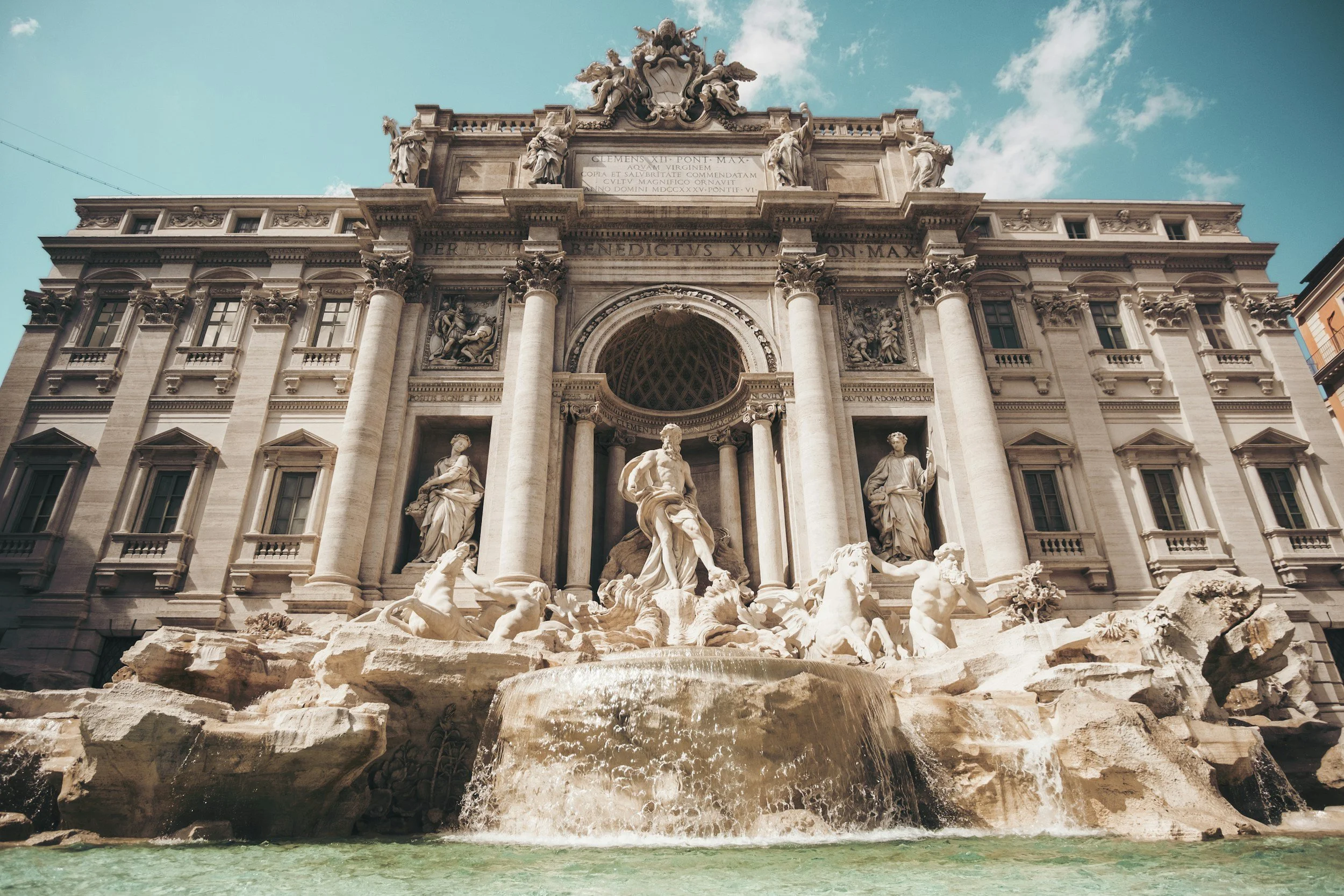
January through March are quieter with fewer international tourists. Popular sites like Venice, Rome, and Florence are packed year-round but are most manageable in shoulder seasons. For a quieter experience, visit January–February or March.
April through May and September through October are moderately to heavily busy with international tourists. June through August is extremely crowded, particularly at major sites like the Colosseum, Venice, and the Amalfi Coast. December (Christmas) and New Year bring crowds and higher prices.
Events and festivals in Italy
-
When is it? February or March
Venice's spectacular Carnival with masks, costumes, and celebrations is world-famous; other cities have their own Carnival celebrations.
-
When is it? March or April
Christian celebrations with religious services and, in April, Easter holidays bringing crowds and higher prices.
-
When is it? June-September
World-renowned outdoor opera performances in the historic Roman Arena.
Italy celebrates cultural, religious, and local festivals throughout the year, many tied to regional traditions.
Travelling to Italy in each season
Italy's seasons create distinct experiences from spring blossoms to hot summer beaches and quiet winter exploration.
Spring
When is it? March to May
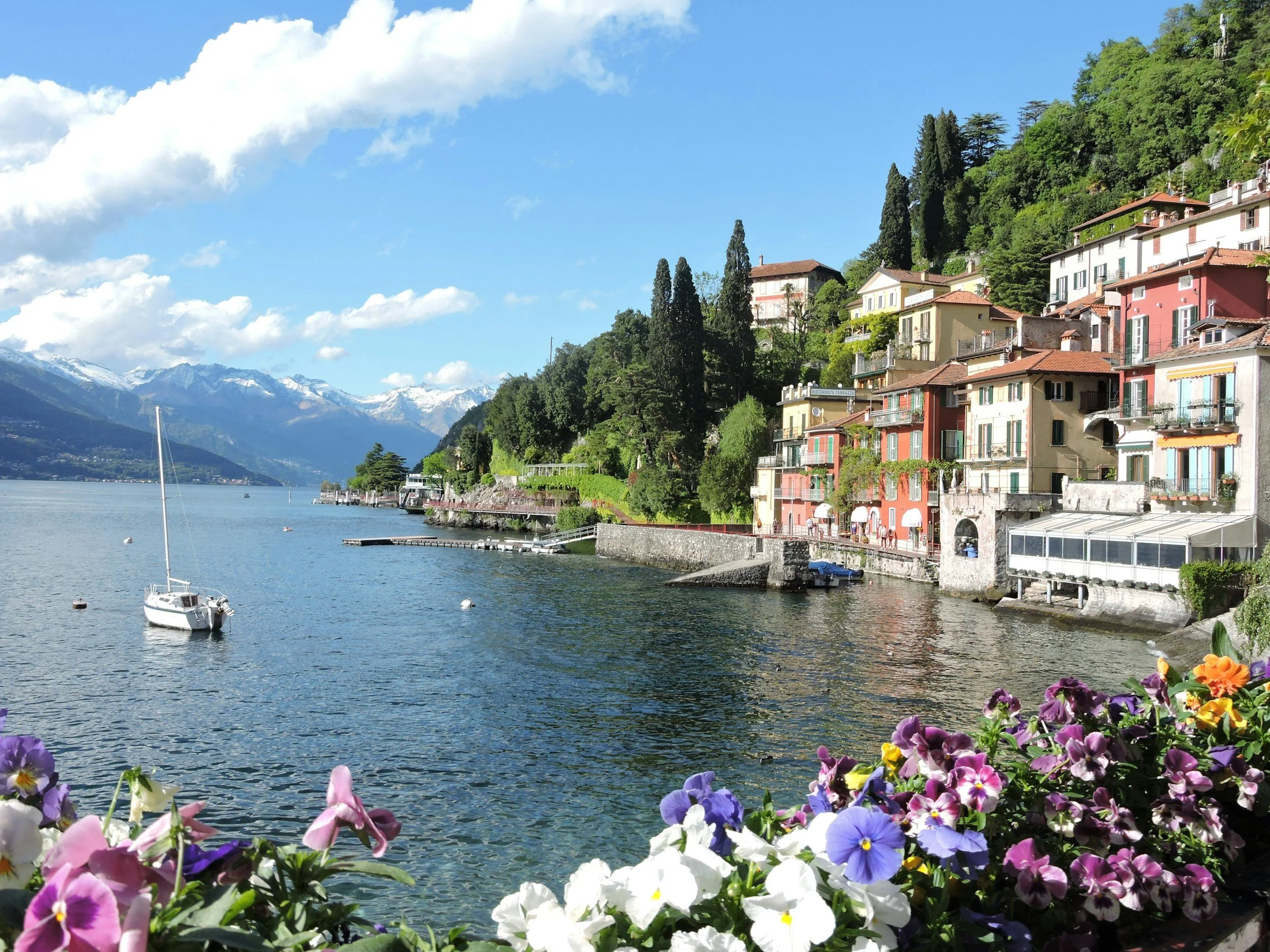
Spring brings ideal temperatures (18–25°C), blooming flowers, longer daylight hours, and lush countryside. Crowds are moderate to heavy. Prices are reasonable. Easter holidays (variable, March or April) bring family crowds. Late spring sees increasingly warm weather. This is an excellent time for cultural sightseeing and enjoying Italy's natural beauty.
Summer
When is it? June to August
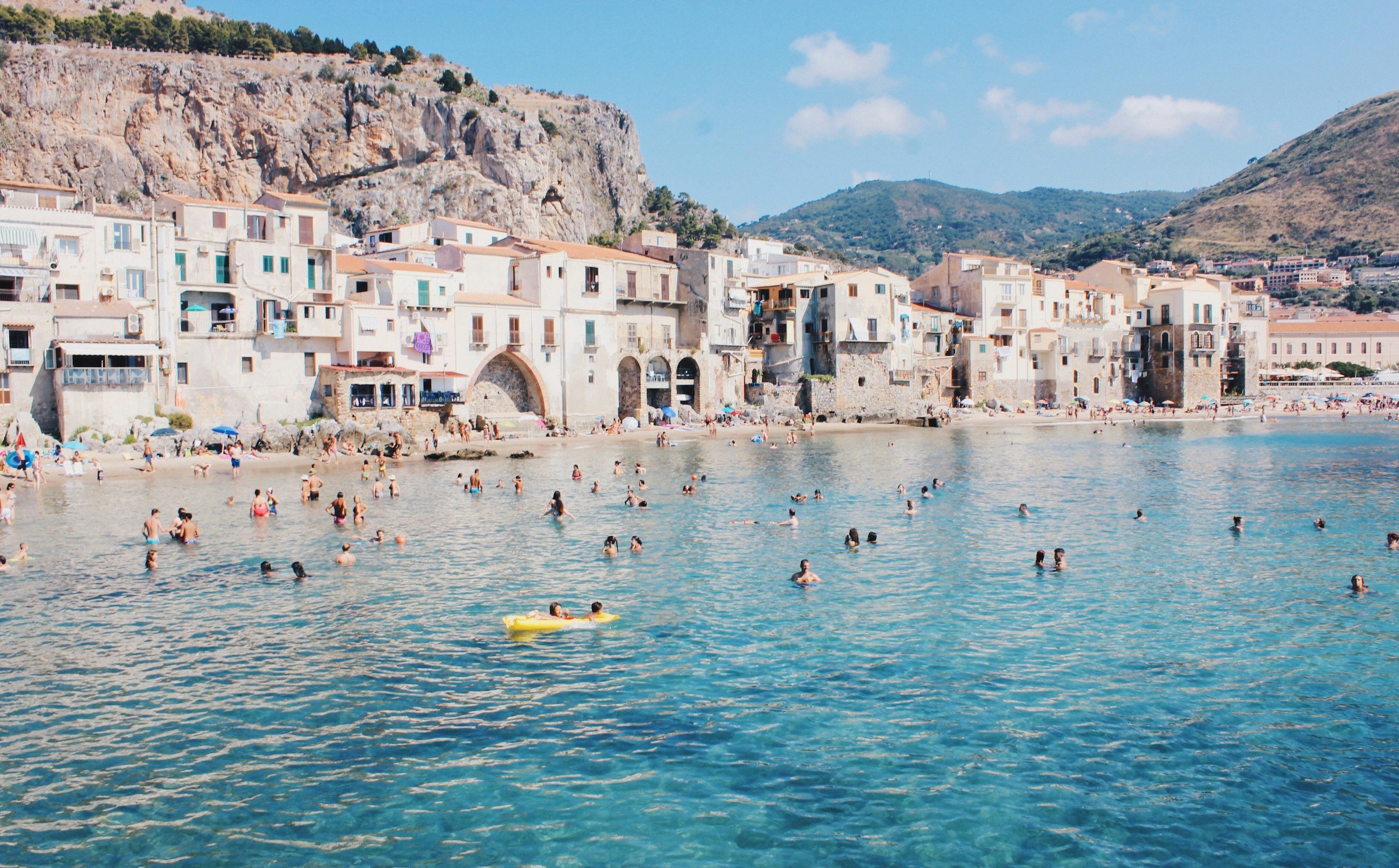
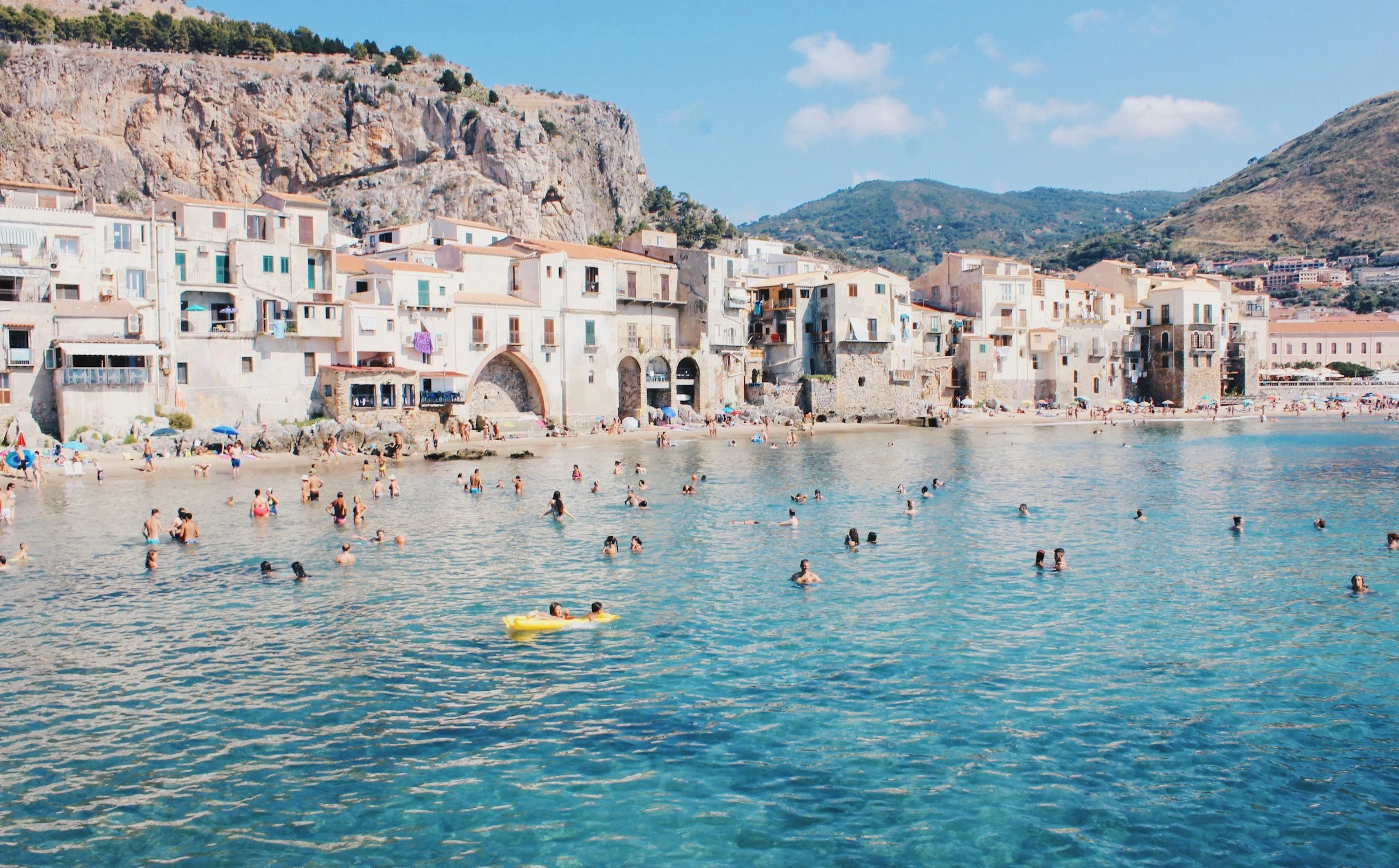
Summer is hot (25–35°C), sometimes sweltering in southern regions. Crowds are at their peak, particularly at major attractions. Prices are highest. However, beach and water activities are perfect, outdoor dining is vibrant, and cultural events and festivals are frequent. Northern regions offer relief from heat. This suits beach lovers and those enjoying lively, tourist-filled Italy.
Autumn
When is it? September to November
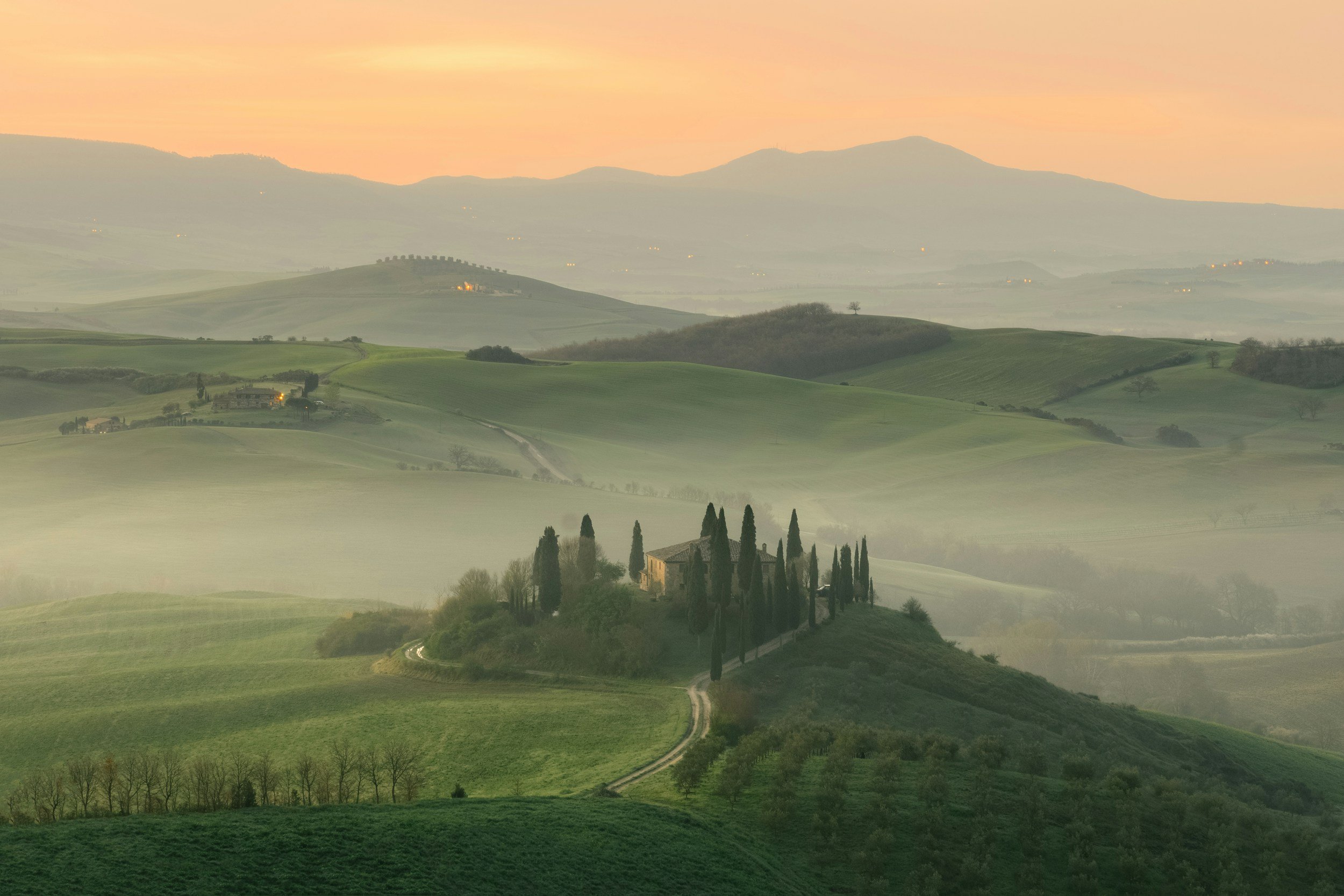
Autumn brings pleasant temperatures (18–25°C), decreasing rainfall, and harvest celebrations. Early autumn is still warm; late autumn is cooler. Crowds are moderate, significantly fewer than summer. Prices are reasonable. This rivals spring as Italy's best season. Countryside is beautiful with autumn colours beginning.
Winter
When is it? December to February
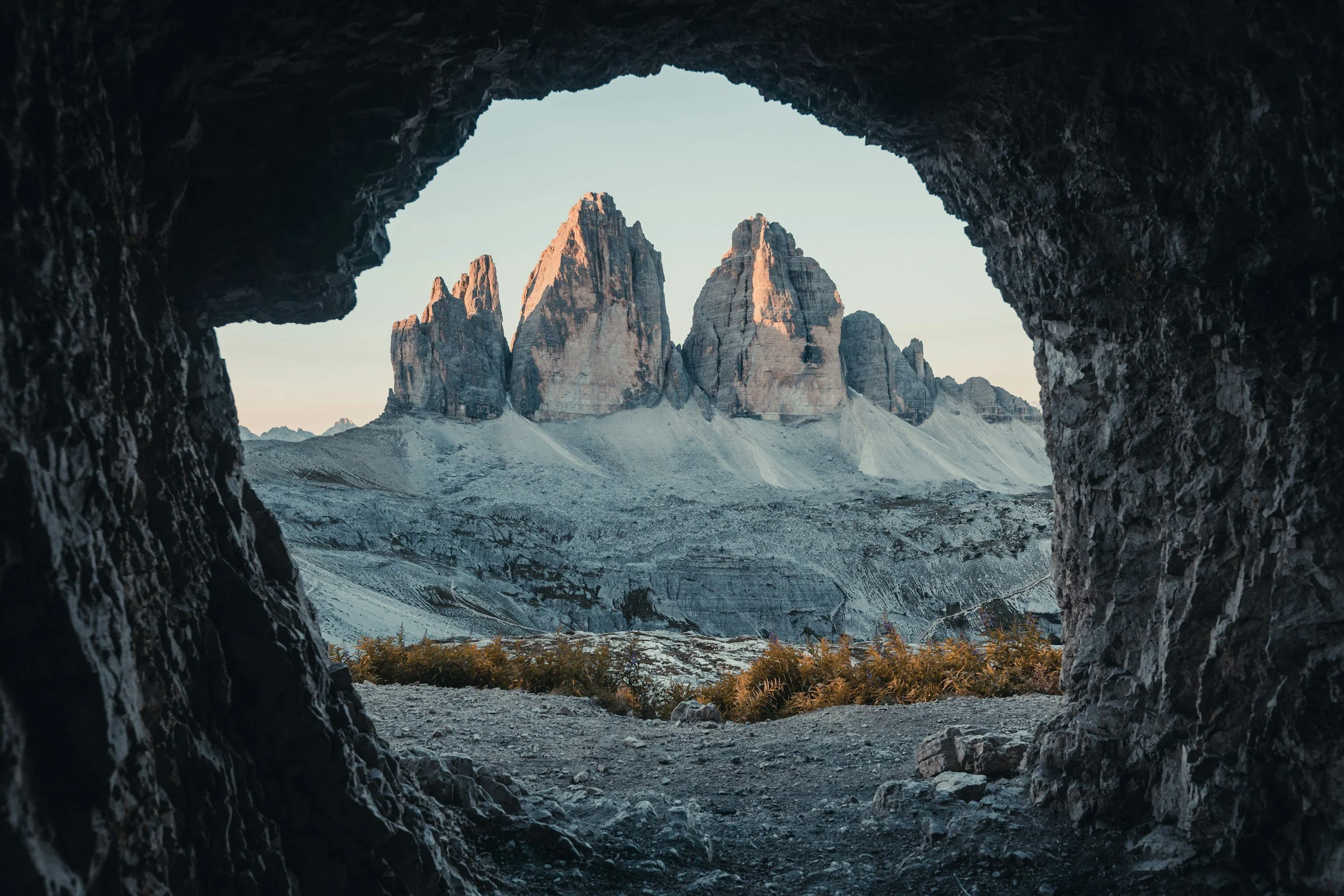
Winter is mild (5–15°C), often grey and rainy, particularly in the north. Crowds are minimal outside December and early January holiday periods. Prices are lowest. Many smaller attractions have reduced hours or are closed. However, Italy feels more authentic and local. February can see snow in mountain regions. This suits those seeking quieter experiences and lower costs.
Overall, when is the best value time to visit Italy?
For the best overall value, visit between April and May or September and October. You'll enjoy pleasant weather, manageable crowds (compared to summer), and reasonable prices without paying peak season costs. These seasons offer the best balance of comfort, experience, and value. If budget is your top priority, visit in March, November, or February for significantly lower accommodation and restaurant prices, accepting cooler or potentially rainy conditions and some attractions having reduced hours.
59m+
people in Italy
Country
in Europe