Best time to go to the Cook Islands

The Cook Islands are a tropical paradise in the South Pacific, offering pristine beaches, turquoise lagoons, and a laid-back island culture. The islands experience warm weather year-round, though the seasons bring different conditions. Most travellers head to the Cooks during the cooler, drier months when the weather is most pleasant and the cyclone risk is lowest. The islands' peak season aligns with Australian school holidays and the northern hemisphere winter, making timing a balance between ideal weather and avoiding crowds. Whether you're seeking a beach escape, diving adventure, or cultural experience, there's a good time to visit throughout the year.
TL;DR
When is the best time to visit the Cook Islands?
Weather in the Cook Islands
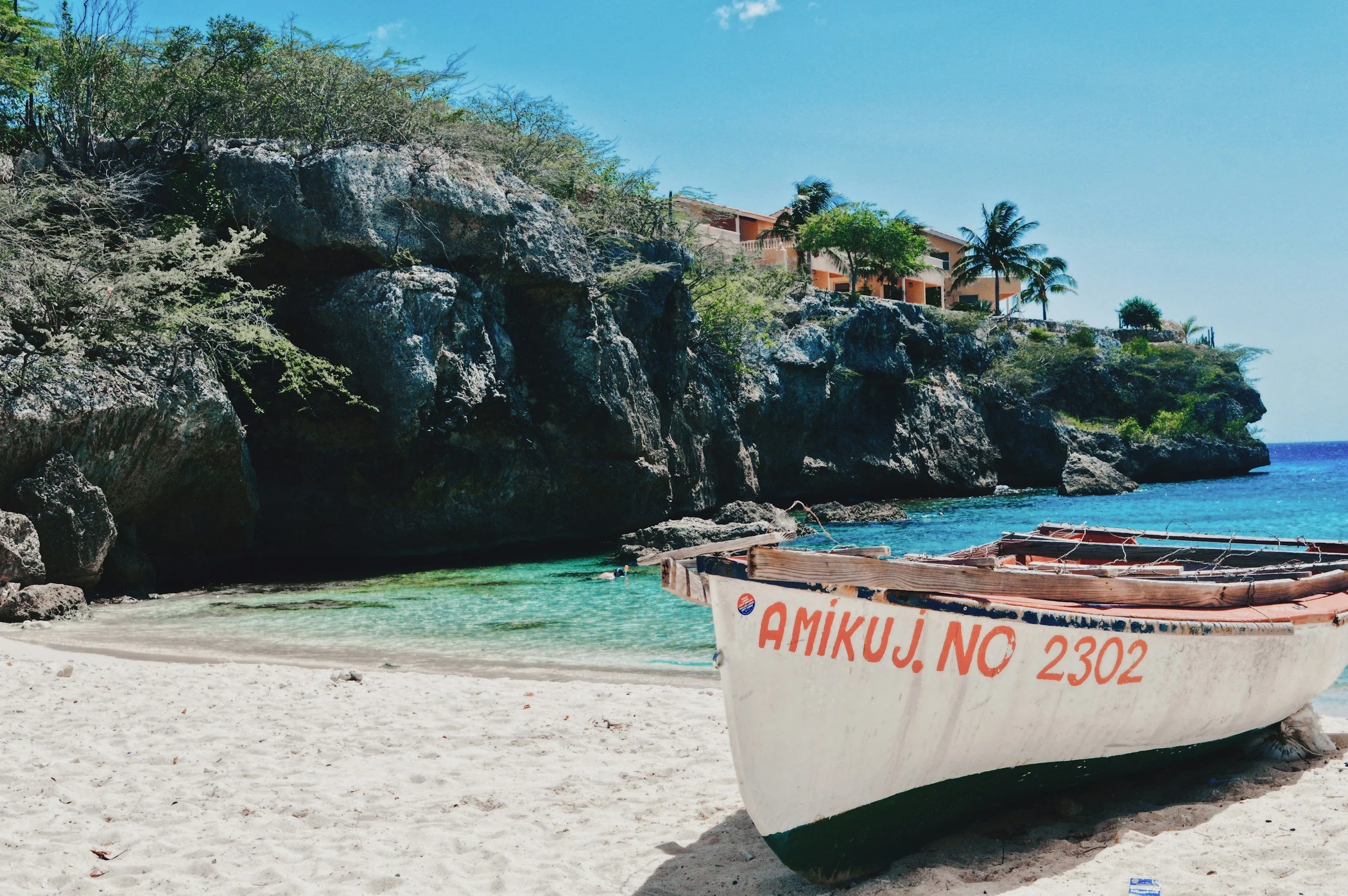
The cooler, drier season from May through October offers the best weather, with temperatures around 25–28°C and minimal rainfall. August through October is particularly ideal, with the driest conditions and clearest skies.
The warm, wet season from November through April brings higher temperatures (28–32°C), humidity, and tropical rain showers. December through March is cyclone season, though direct hits are rare. For beach activities and water sports, May through October is optimal. If you don't mind occasional tropical showers and higher humidity, the warm season offers lush landscapes and vibrant marine life.
Prices in the Cook Islands
August through October offers excellent value. Accommodation, tours, and activities are cheaper than peak season, and flights from Australia are reasonably priced during this window.
November through March is peak season (Australian summer holidays and northern hemisphere winter escapes) when prices for flights, accommodation, and tours spike significantly. April through July sits in the middle – better value than peak season but slightly pricier than the sweet spot of August–October. Longer stays and advance bookings always help reduce costs. Local food and attractions remain affordable year-round.
Crowds in the Cook Islands
August through October is ideal for those seeking quieter islands and better value. November through March is extremely busy, particularly during Australian school holidays (December–January) and Easter.
June and July see moderate crowds as Australian school holidays begin. The shoulder months of April–May and October–November are less crowded than peak season but busier than August–September. Rarotonga, the main island, is busier than outer islands year-round, but all islands are quieter outside peak season.
Events and festivals in Cook Islands
The Cook Islands celebrate a blend of Polynesian culture and Christian traditions, with several notable festivals throughout the year.
-
When is it? August
The major cultural festival featuring Cook Islands dancing, traditional food, and competitive sports across multiple weeks.
-
When is it? August
Annual running event attracting international participants.
-
When is it? September
Celebrating the arrival of Christianity, featuring church services, traditional music, and community gatherings.
Travelling to the Cook Islands in each season
The Cook Islands experience only two distinct seasons, making seasonal differences less pronounced than other tropical destinations.

Spring
When is it? September to November
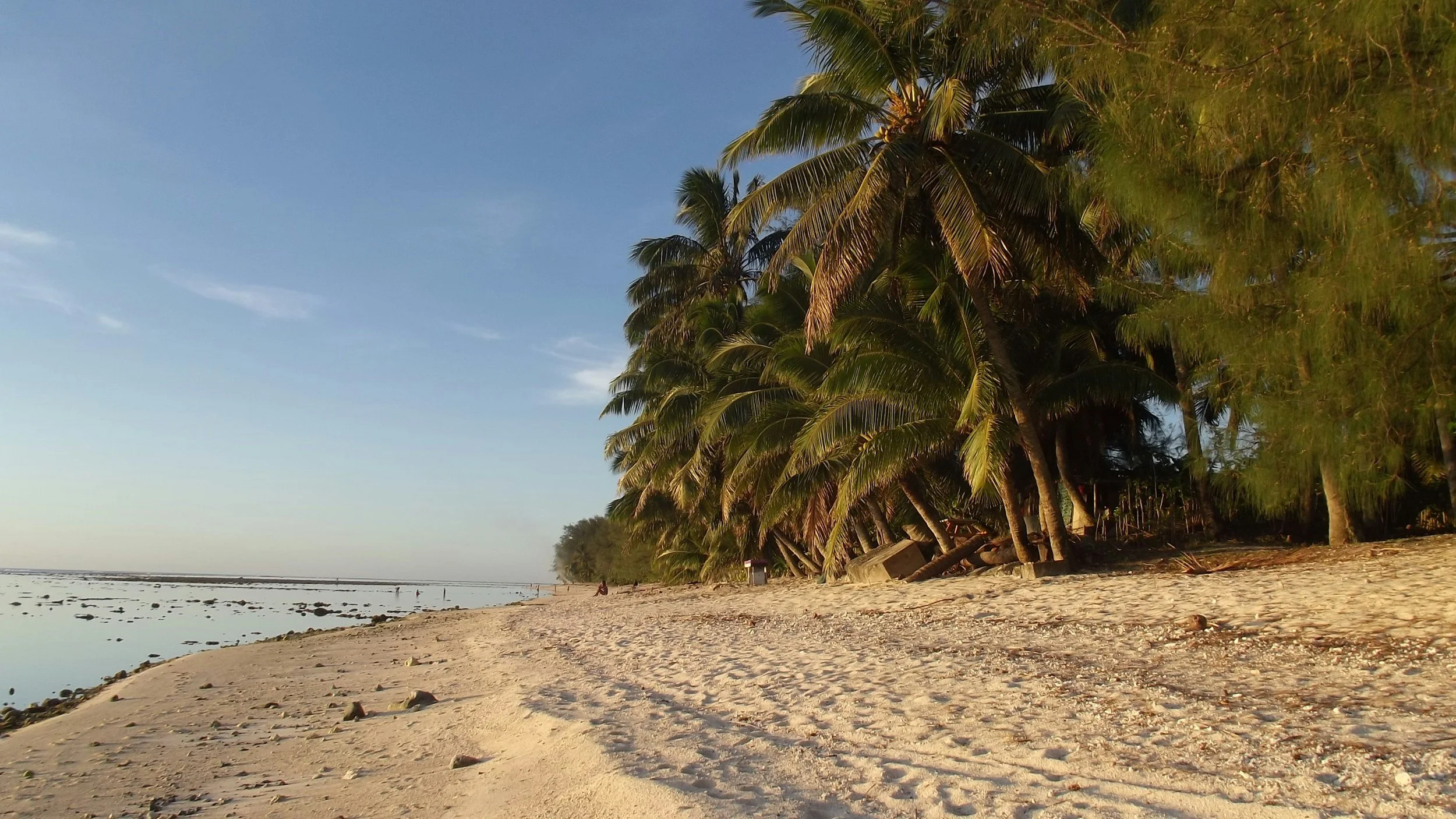
Spring (the start of the warm season) brings increasing warmth (25–28°C) and occasional tropical showers. Crowds are thinning after peak season, and prices are falling. September features Te Maeva Nui festival. The ocean is warm and inviting. This is an excellent sweet spot for weather and value.
Summer
When is it? December to February
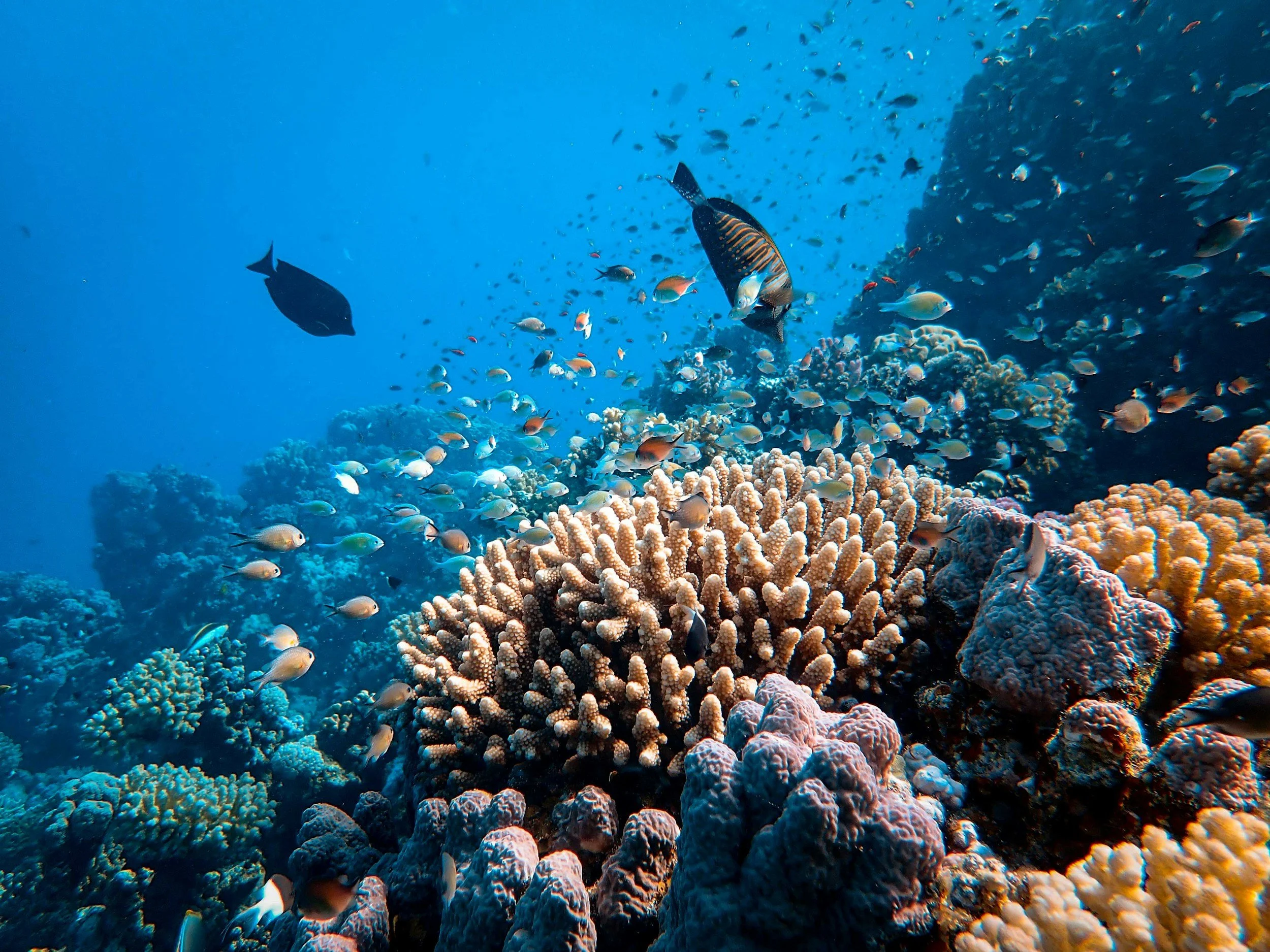
Summer is hot, humid (28–32°C), and wet with cyclone season underway. Australian school holidays mean peak crowds and maximum prices. Despite the weather challenges, the islands are vibrant and lush. This season suits those willing to accept tropical conditions for the festive atmosphere and warm ocean.
Autumn
When is it? March to May
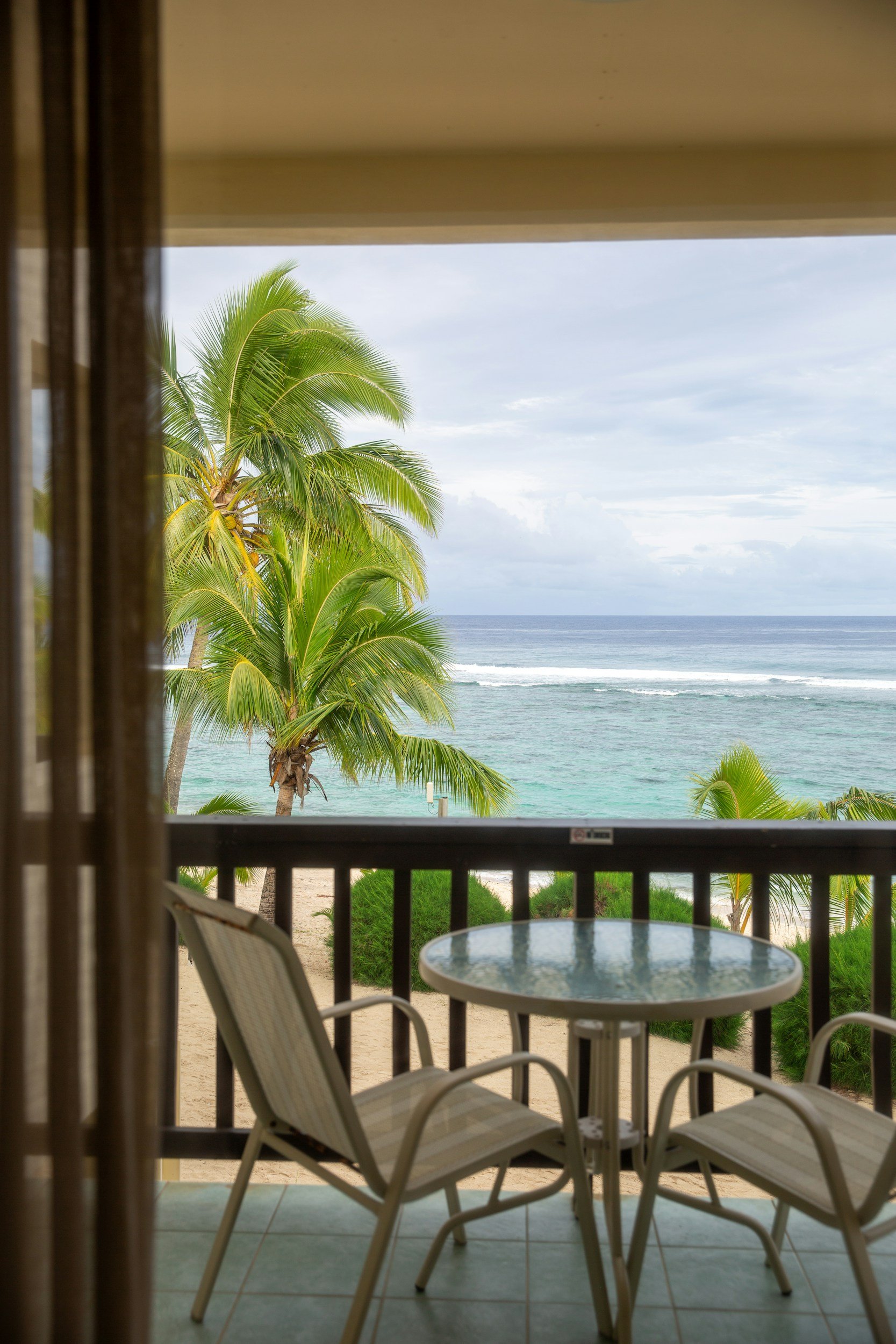
Autumn brings gradually cooling temperatures (25–28°C) and decreasing rainfall. Crowds thin significantly after Easter holidays. Prices start dropping from peak season. This is an excellent time to visit with good weather and improving value. The islands transition from wet to dry season.
Winter
When is it? June to August
Winter offers ideal weather: cool, dry conditions (23–26°C) and minimal rain. Crowds are minimal outside Australian school holidays (late June–early July). Prices are at their best. Rarotonga and outer islands are far quieter than other seasons. This is the most comfortable and affordable time to visit.
Overall, when is the best value time to visit the Cook Islands?
For the best overall value, visit between August and October. You'll enjoy excellent weather (dry, clear, comfortable temperatures), significantly lower prices than peak season, and far fewer crowds. The islands feel authentic and peaceful whilst still offering all the activities and attractions you want. If you prefer warmer water and don't mind occasional tropical showers, April and May offer good value with pleasantly warm weather before the heat and crowds of peak season arrive.
14k+
people in the Cook Islands
Country
in the South Pacific