
Where to go in January
January is a cracker month to travel. School holidays are winding down, but there’s still time to pack in a last-minute trip. Summer is in full swing back home in Australia while some of the world's best destinations are hitting their stride weather-wise. Whether you're after white-sand beaches, cultural festivals, or a peaceful island escape closer to home, here's where to go in January.
Maldives
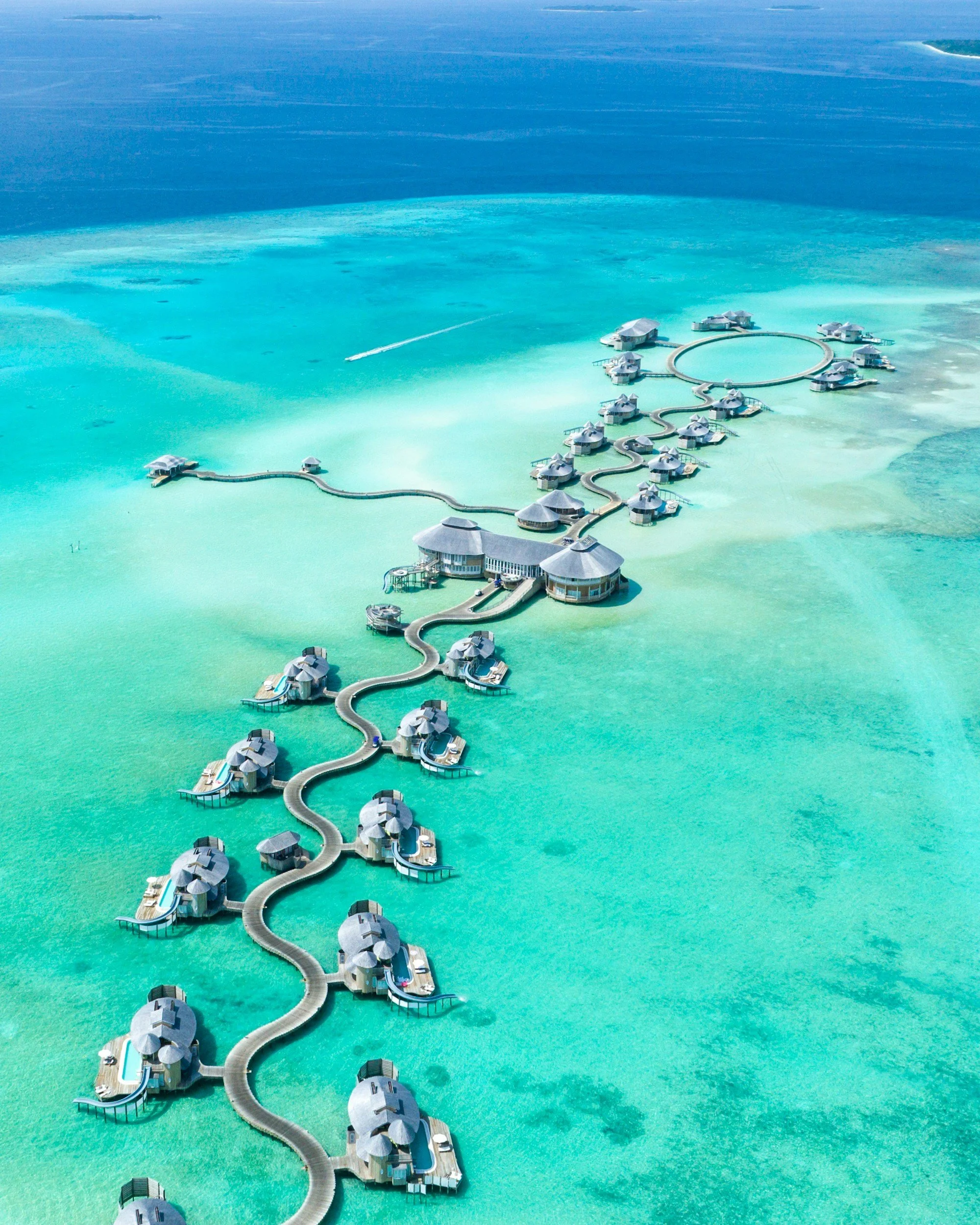
The Maldives is as close to paradise as it gets — overwater villas, crystal-clear turquoise lagoons, and some of the world's best snorkelling and diving. January falls squarely in the dry season, bringing hot, sunny days with low humidity, calm seas, and exceptional underwater visibility that can exceed 50 metres in some locations.
Why go to Maldives in January?
January is peak season in the Maldives, so book well ahead — resorts fill quickly and prices reflect the demand. That said, the conditions genuinely justify it: this is the Maldives at its absolute best. Water temperatures hover around 28°C year-round, so the snorkelling and diving are outstanding.
Phuket
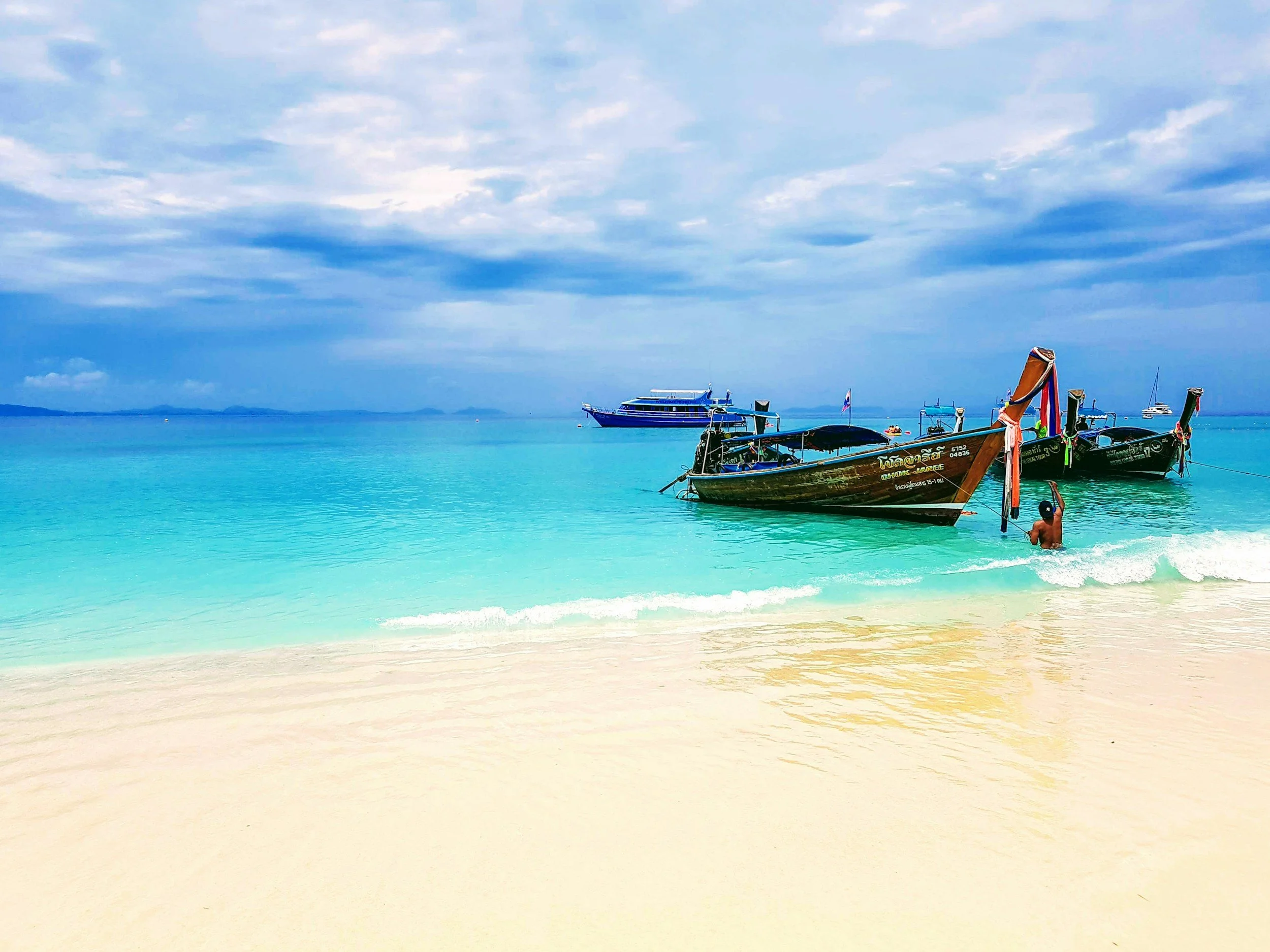
Phuket is Thailand's largest island and one of Southeast Asia's most-visited destinations, offering everything from laid-back beach days and water sports to vibrant markets, Sino-Portuguese architecture in the Old Town, and easy day trips to the surrounding islands. January is genuinely one of the best times to visit — the island sits on Thailand's west coast (Andaman Sea side), which means it enjoys its dry season from November to April, with sunny skies, calm seas, and temperatures between 25–32°C.
Why go to Phuket in January?
Water visibility is excellent in January, making it a great month for snorkelling and diving around the Similan and Surin Islands nearby. It's peak season, so prices are higher and popular beaches get busy — but the reliable weather makes it well worth it.
Thailand
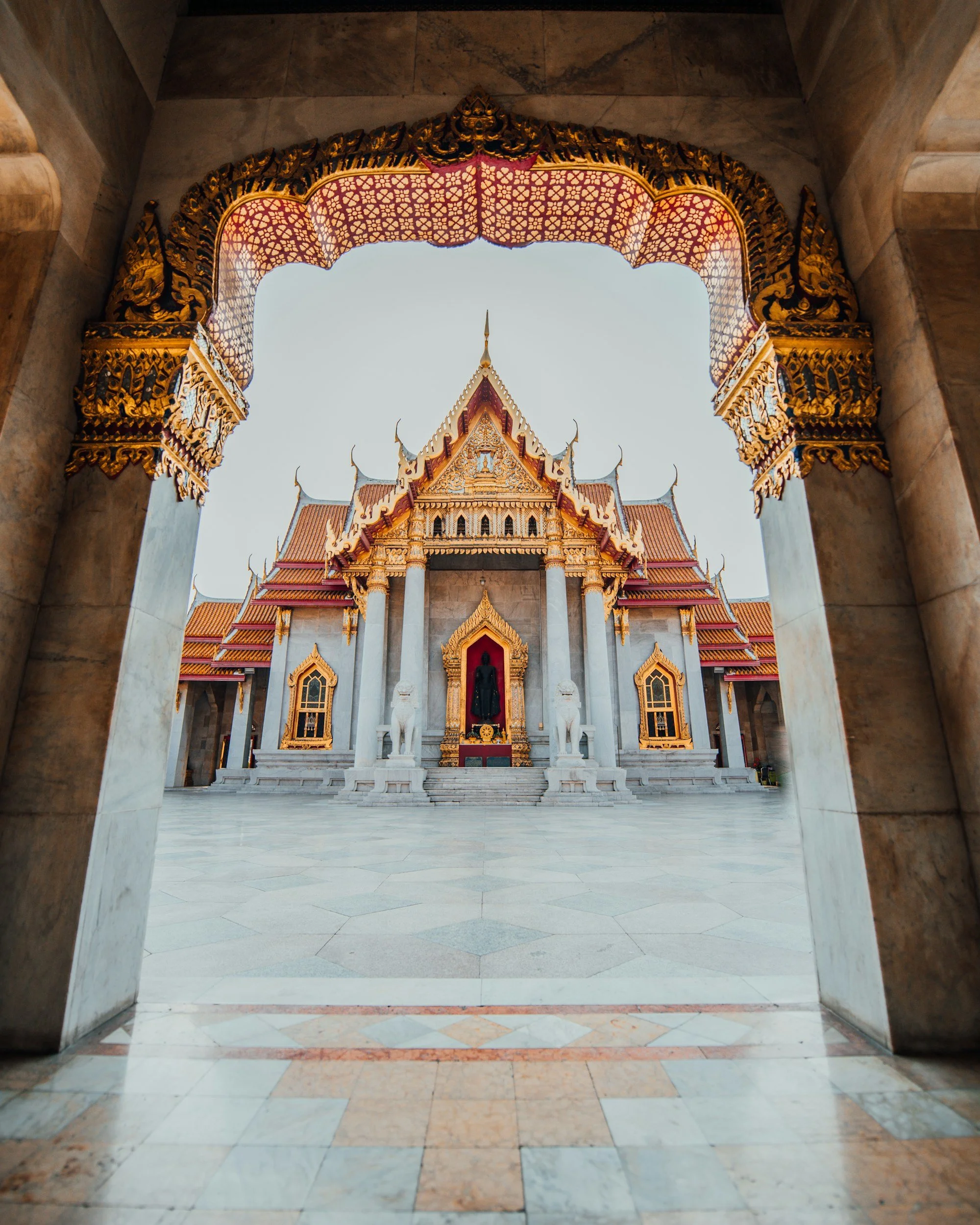
Beyond Phuket and Koh Samui, Thailand as a whole offers incredible value in January — Bangkok is buzzing, Chiang Mai is at its cool, dry best, and the Andaman Coast islands like Koh Lanta and Krabi are in full swing. For Thailand's west coast and central regions, January sits firmly in the cool, dry season with temperatures between 25–32°C and some of the most reliable sunshine of the year.
Bangkok in January is one of the most pleasant times to visit the capital — cooler and drier than much of the year, making it comfortable to explore temples, markets, and neighbourhoods on foot. If you're island-hopping, stick to the Andaman Coast (Phuket, Krabi, Koh Lanta, Koh Phi Phi) rather than the Gulf of Thailand islands like Koh Samui in January, as those can still see some leftover monsoon effects early in the month.
Why go to Thailand in January?
Lord Howe Island
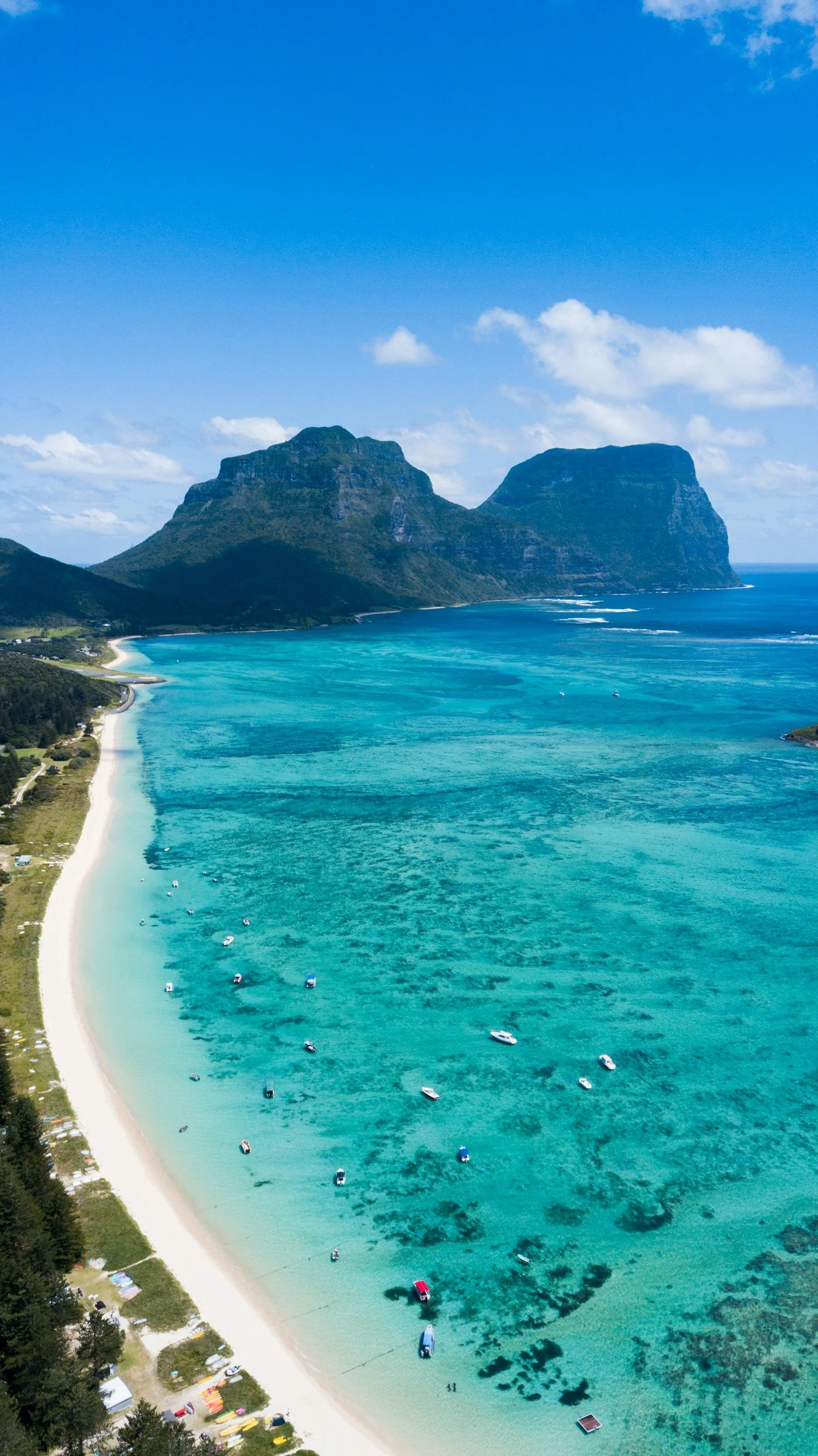
Lord Howe Island is one of Australia's most extraordinary and protected destinations — a UNESCO World Heritage-listed island about two hours' flight from Sydney or Brisbane, with a permanent population cap of just 400 visitors at any one time. It's a rare gem: pristine coral reefs (the world's southernmost), towering volcanic peaks, and a relaxed pace that's genuinely removed from everyday life.
January is one of the best months to visit, sitting in the warmth of the island's summer with temperatures around 25°C, the lowest rainfall of the year, and water warm enough for swimming and snorkelling on the lagoon.
Why go to Lord Howe Island in January?
Sri Lanka
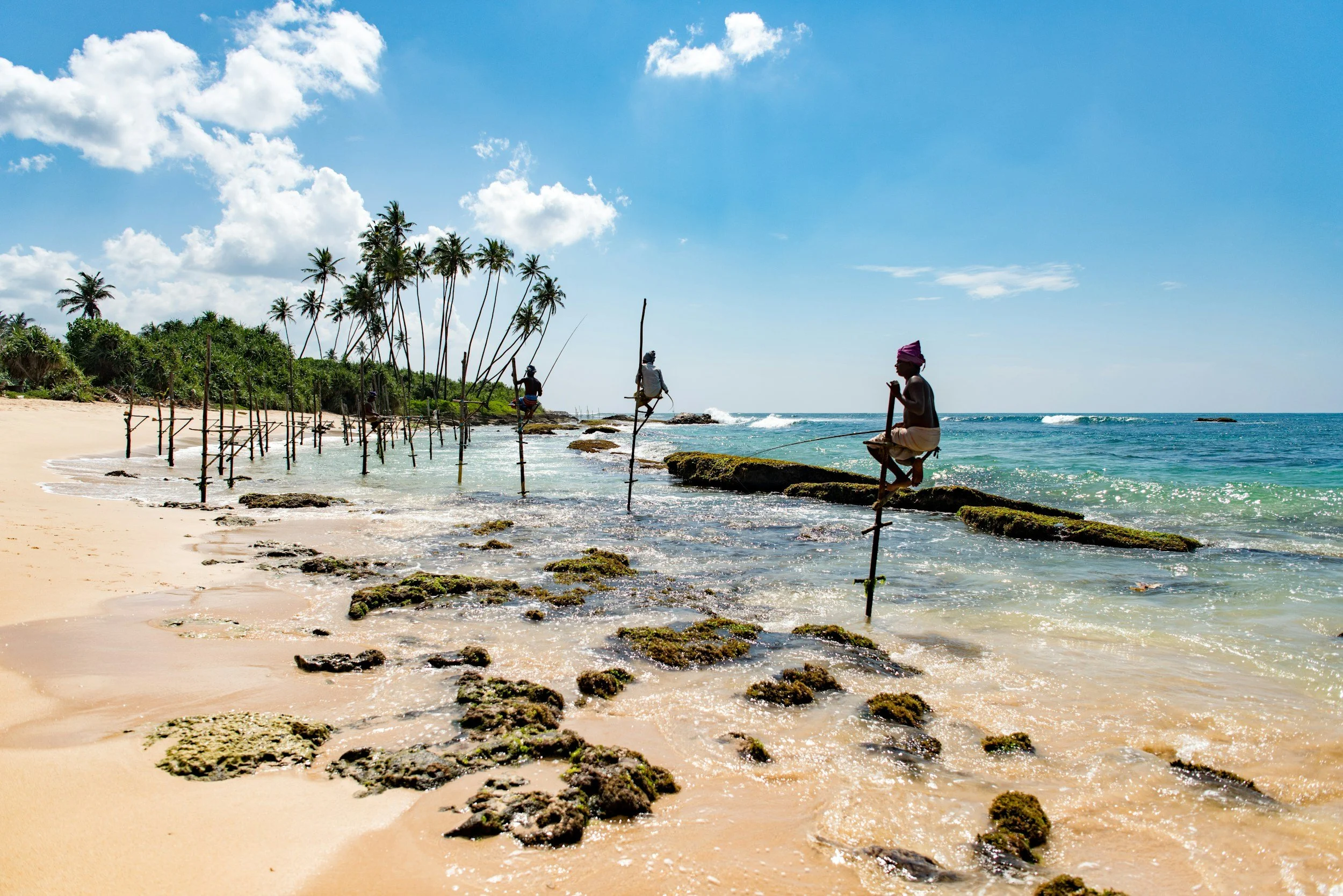
Sri Lanka packs an extraordinary amount into a relatively small island: ancient temples and UNESCO World Heritage sites, wildlife safaris with leopards and elephants, tea-country hill stations, and some genuinely beautiful beaches. January is prime time for the south and west coasts — including the beach towns of Unawatuna, Mirissa, and Bentota — which are in the midst of their dry season, with warm sunny days, calm seas, and excellent conditions for whale watching off Mirissa.
While the south and west coasts thrive in January, the north and east are wetter this time of year due to the northeast monsoon. If you want to combine a beach break with cultural highlights like Sigiriya Rock Fortress and the Cultural Triangle, January is one of the most comfortable months to do it — dry, warm, and without the humidity of later in the year.
Why go to Sri Lanka in January?
Philippines
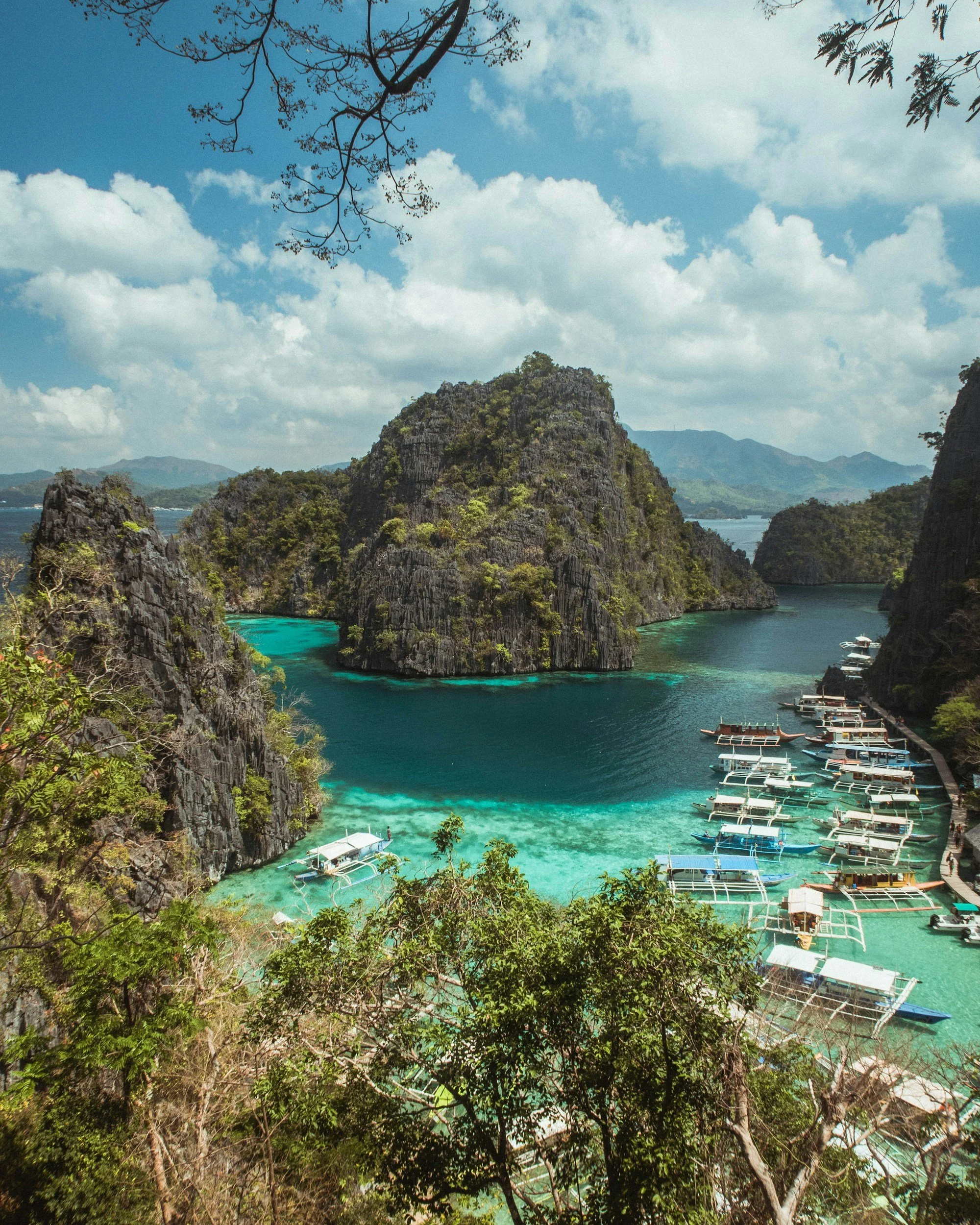
With over 7,000 islands to explore, the Philippines is an extraordinary destination — think dramatic limestone cliffs in Palawan, world-class diving in Tubbataha, vibrant festivals in Cebu, and stretches of powdery white sand on Boracay. January marks the height of the dry season (locally called Amihan), bringing clear skies, gentle northeast breezes, and temperatures between 24–31°C — near-perfect conditions across most of the archipelago.
Why go to Philippines in January?
January is also festival season in the Philippines. Cebu's Sinulog Festival (third Sunday of January) is one of the country's most spectacular events, with massive street parades honouring the Santo Niño. The Ati-Atihan in Aklan and Dinagyang in Iloilo are equally worth planning around. Being peak season, popular spots like El Nido and Boracay fill up fast, so book accommodation well in advance.
Hawaii
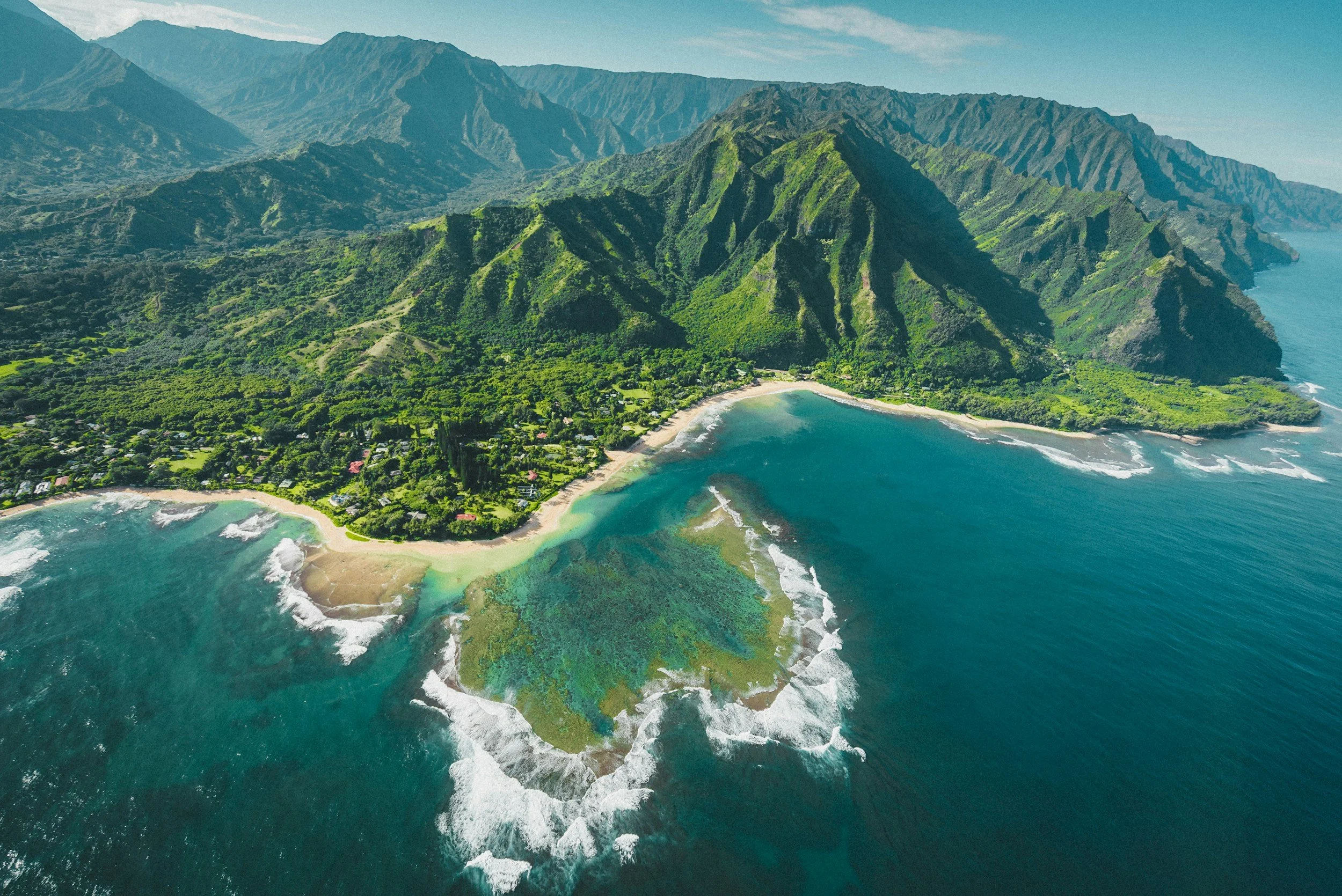
Hawaii needs little introduction — volcanic landscapes, world-class surf, humpback whale sightings, and beaches that genuinely live up to the brochure. January is a sweet spot for Australians: holiday crowds have mostly cleared after New Year, prices soften from their December peak, and the islands are alive with whale activity, with humpbacks migrating to Hawaiian waters to breed and calve.
Why go to Hawaii in January?
January is part of Hawaii's wetter season, so expect the occasional warm shower — especially on windward (eastern) coasts. The leeward (western) sides of each island are noticeably drier. Temperatures sit comfortably in the high 20s°C during the day. For whale watching, Maui is your best base, and January through March is peak season for sightings.
Malaysia’s West Coast
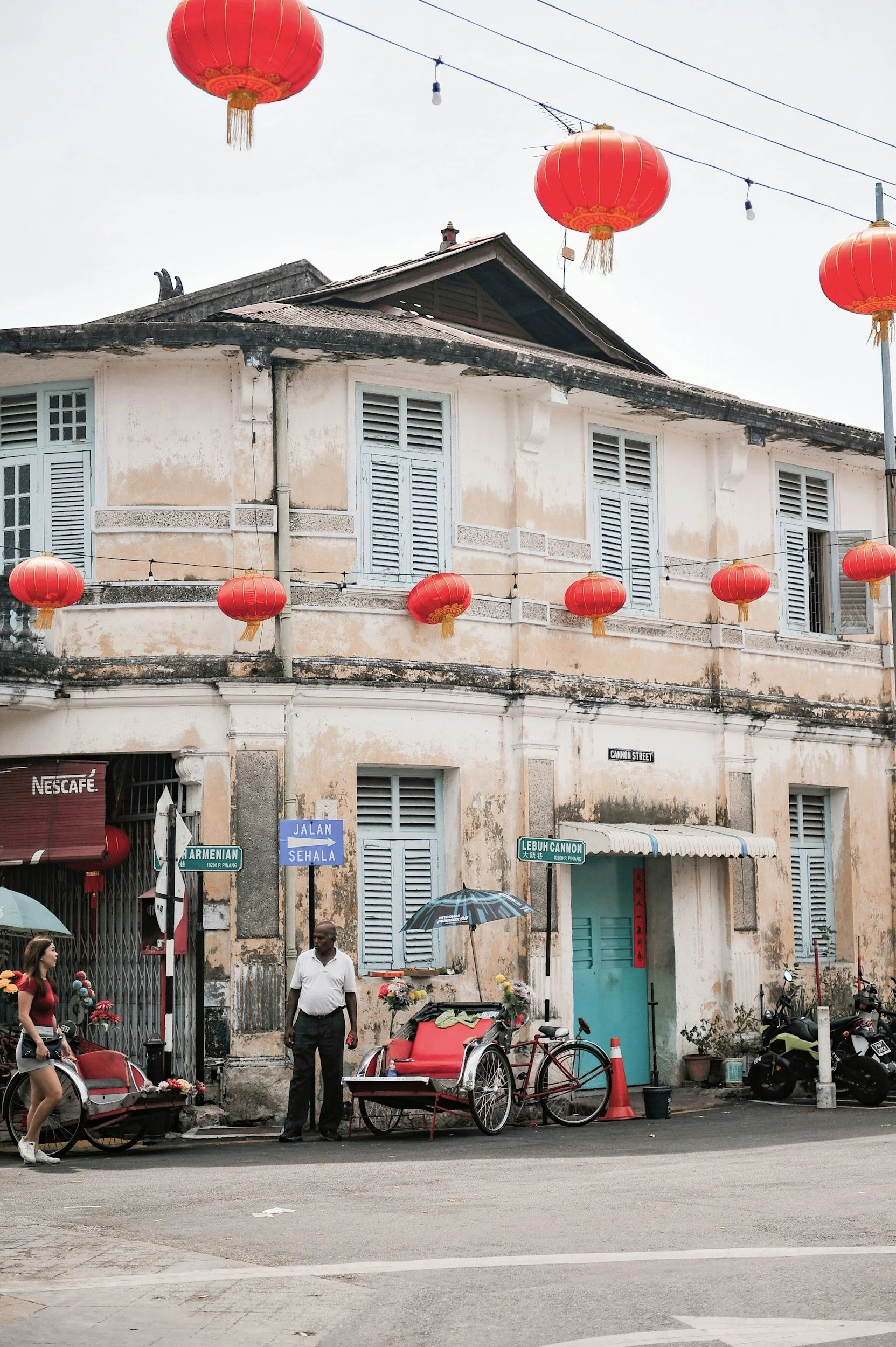
Malaysia's west coast — Langkawi, Penang, and Kuala Lumpur — delivers a genuinely compelling mix of pristine beaches, UNESCO-listed heritage, and some of Southeast Asia's finest street food. January is actually one of the best months to visit this part of Malaysia, with hot and sunny conditions (around 30°C), minimal rainfall, and blue skies perfect for beach days and city exploring.
While the west coast shines in January, avoid the east coast and its islands this month — they're in the thick of the northeast monsoon. On the west coast, keep an eye out for Thaipusam, a spectacular Hindu festival that typically falls in late January or early February, with colourful processions centred around Batu Caves near Kuala Lumpur.
Why go to Malaysia in January?
Koh Samui
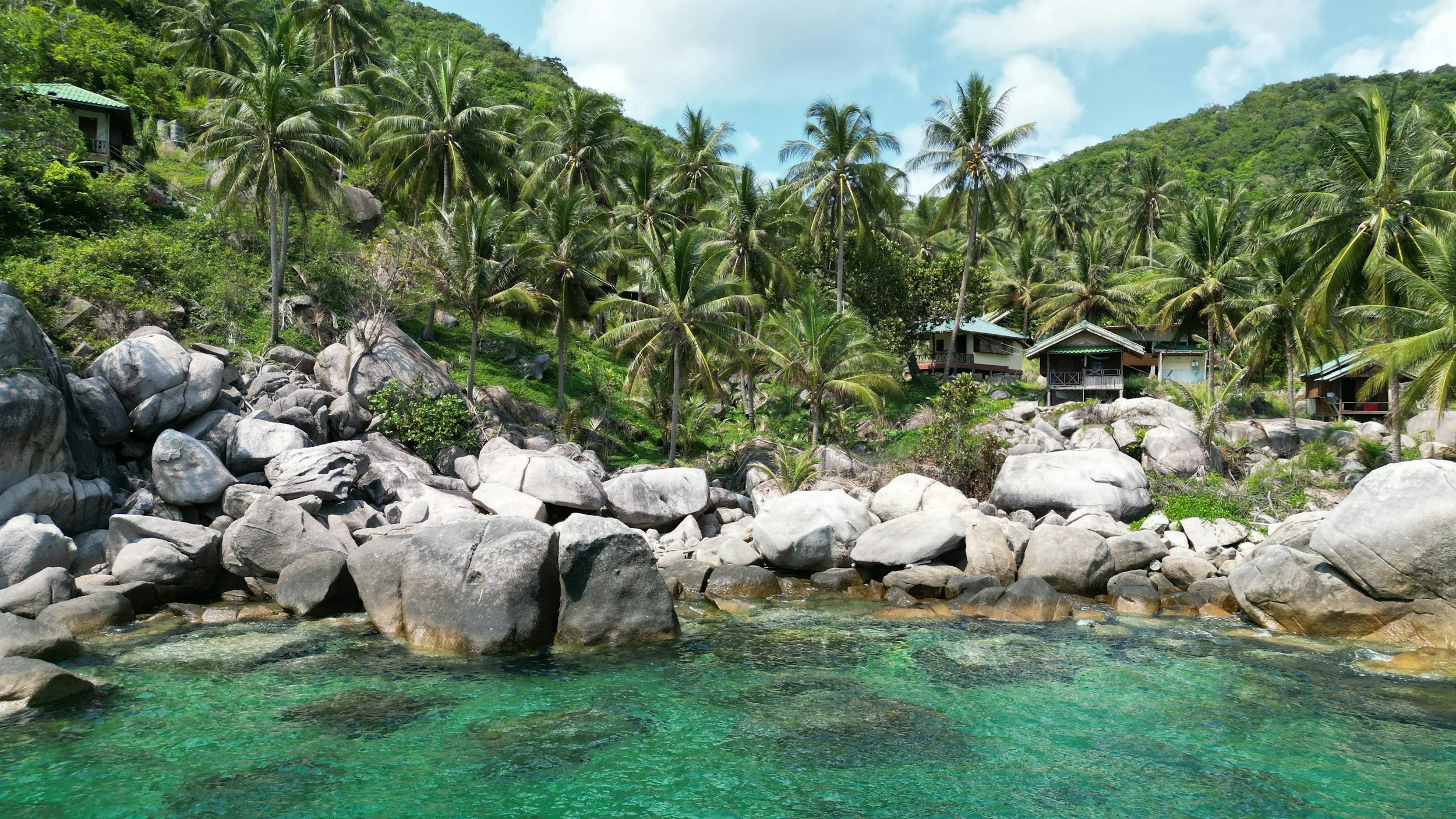
Koh Samui is Thailand's third-largest island, famous for its palm-fringed beaches, luxury resorts, and buzzing nightlife — a perfect mix of relaxation and adventure. January sits right in the heart of the dry season here, with daytime temperatures between 26–28°C, warm seas, and improving skies as the month progresses — making it one of the best times to visit before the real crowds of February arrive.
Early January can see some leftover cloud and swell from the tail end of the rainy season, so if you're after calm waters for snorkelling, aim for the second half of the month. Accommodation prices peak early in January during the holiday rush, then ease off — so there are deals to be had for those travelling mid-to-late month.
Why go to Koh Samui in January?

Auckland
The largest city in New Zealand, Auckland is home to delicious restaurants, fascinating museums and is a launching pad for day trips and side quests to nearby destinations like Waiheke Island, Rangitoto Island and Rotorua.
The peak of summer, January is the warmest month and boasts the best weather for experiencing Auckland’s natural beauty, nearby wineries and beaches. Expect temperatures to be in the low-to-mid 20s.