Best time to go to Melbourne
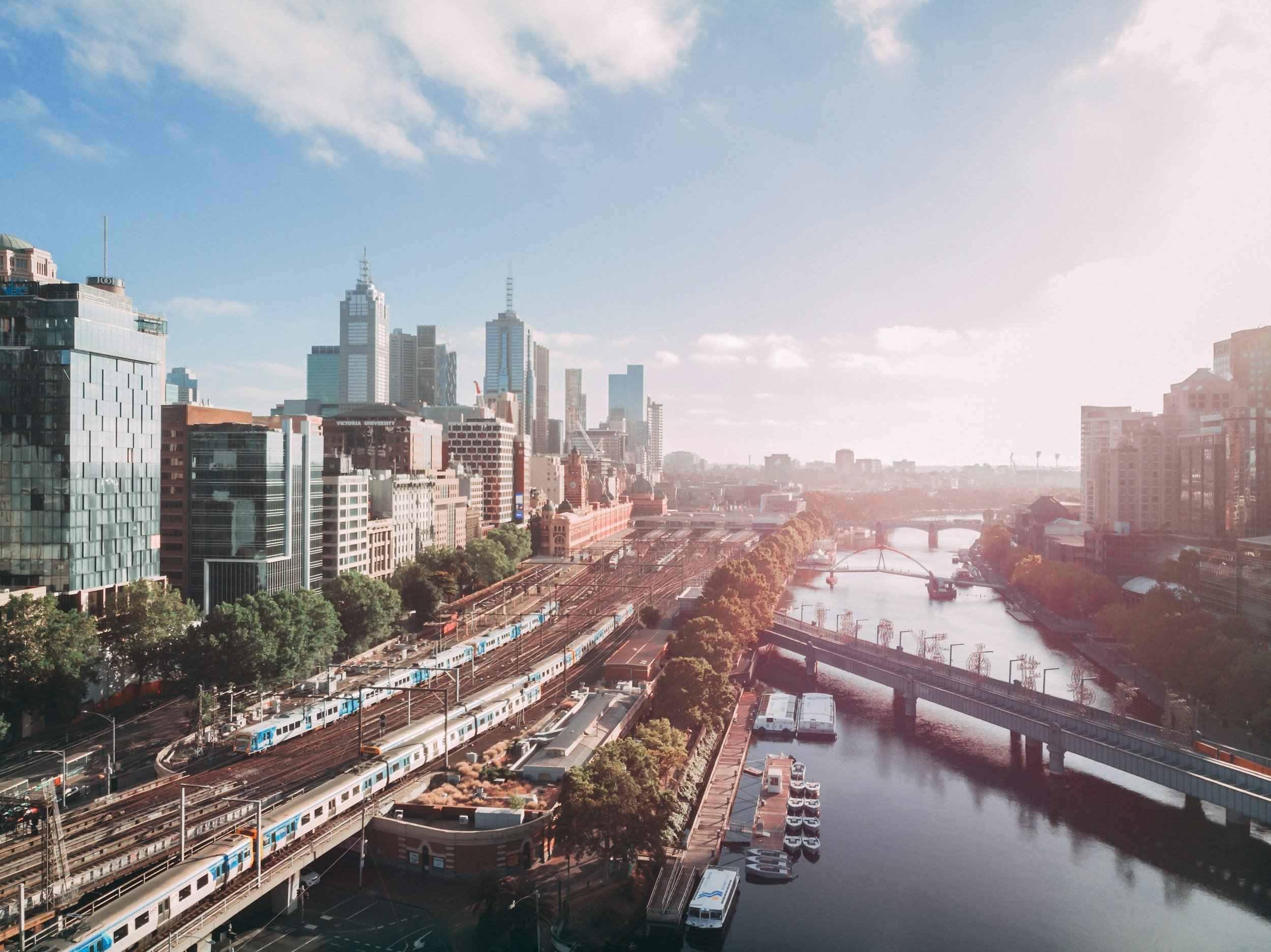
Melbourne, Victoria's vibrant capital, offers a dynamic mix of culture, cuisine, and events year-round. Deciding on the best time to visit depends on your priorities, whether it's soaking up the sun, enjoying world-class arts and sporting events, or snagging a travel bargain. Generally, Melbourne shines brightest during the shoulder seasons, when the weather is pleasant, and the crowds are more manageable.
TL;DR
When is the best time to visit Melbourne?
Spring (September to November) and autumn (March to May) offer a delightful balance, providing comfortable temperatures for exploring the city's laneways, parks, and surrounding regions. Summer (December to February) brings warmth and a lively atmosphere, perfect for outdoor activities, while winter (June to August) offers a cosy, cultural experience.
Weather in Melbourne
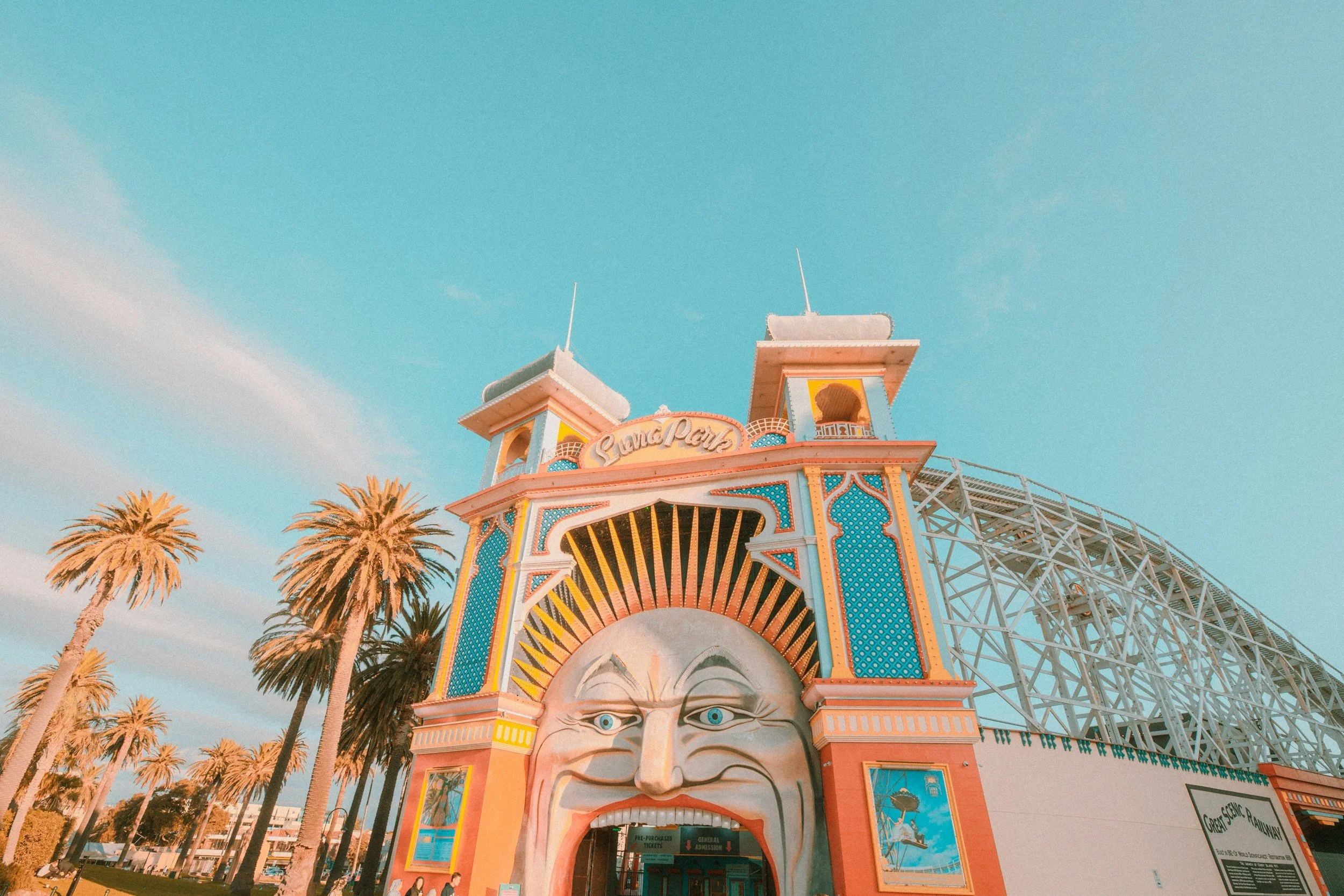
For the best weather in Melbourne, aim for the warmer months of summer, from December to February. During this period, you can expect sunny days and comfortable temperatures, ideal for exploring the city's numerous outdoor attractions, cafes, and bars, as well as enjoying day trips to nearby coastal areas.
While generally pleasant, summer can occasionally bring heatwaves. Spring (September to November) also offers favourable weather, with milder temperatures and blooming gardens, making it another excellent choice for those seeking comfortable conditions for sightseeing.

Prices in
Melbourne
The cheapest time to visit Melbourne for Australians is typically during the shoulder seasons and the off-peak winter months, avoiding school holidays and major public holidays. Outside of these periods, you're likely to find more affordable flights and accommodation.
For instance, travelling in late autumn (May) or early spring (September) can offer significant savings compared to the peak summer months or during major events like the Australian Open in January. Be aware that prices for flights and accommodation can surge during periods like the June long weekend or the Christmas and New Year break.
Crowds in Melbourne
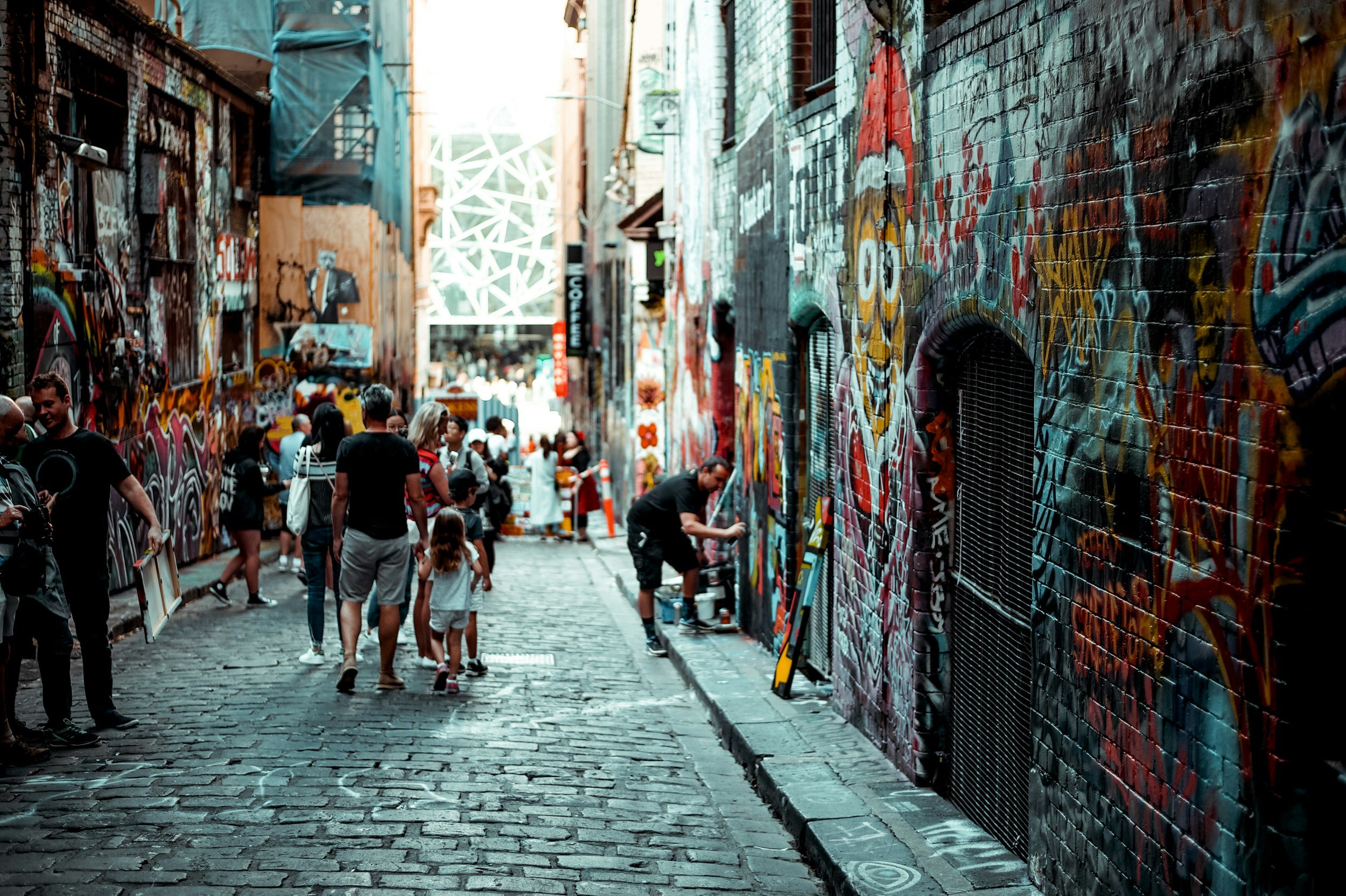
Melbourne experiences its busiest periods during the summer months (December to February), largely due to favourable weather and school holidays. Major events such as the Australian Open in January and the Boxing Day Test cricket match also draw significant crowds and push up accommodation prices.
Conversely, the quietest times to visit are generally during the winter months (June to August), excluding any major indoor festivals or events. Early spring and late autumn can also offer a good balance, with fewer crowds than summer but still pleasant conditions for exploring.
Events and festivals in Melbourne
Melbourne is renowned for its packed calendar of events and festivals, with something happening throughout the year.
-
When is it? March
The F1 zooms into town each March, taking over Albert Park, just south of Melbourne’s CBD. It attracts thousands of fans into town, which does cause prices to soar. So if you’re not planning on attending the race, try to avoid these dates.
-
When is it? September
Held in late September, this one-day event sees the grand conclusion of the AFL season. It’s always held at Melbourne’s MCG (no matter which teams are playing).
-
When is it? October to November
A series of horse races lead up to the main event, held on the first Tuesday in November each year. It’s known as ‘the race that stops the nation’, and in pubs and restaurants all over town (and the country) you can expect a lively atmosphere and plenty of fascinators being worn.
Travelling to Melbourne in each season
Melbourne's seasons offer distinct experiences, from sunny outdoor adventures to cosy cultural immersions. Understanding what each season brings can help you plan your ideal trip.
Spring
When is it? September to November
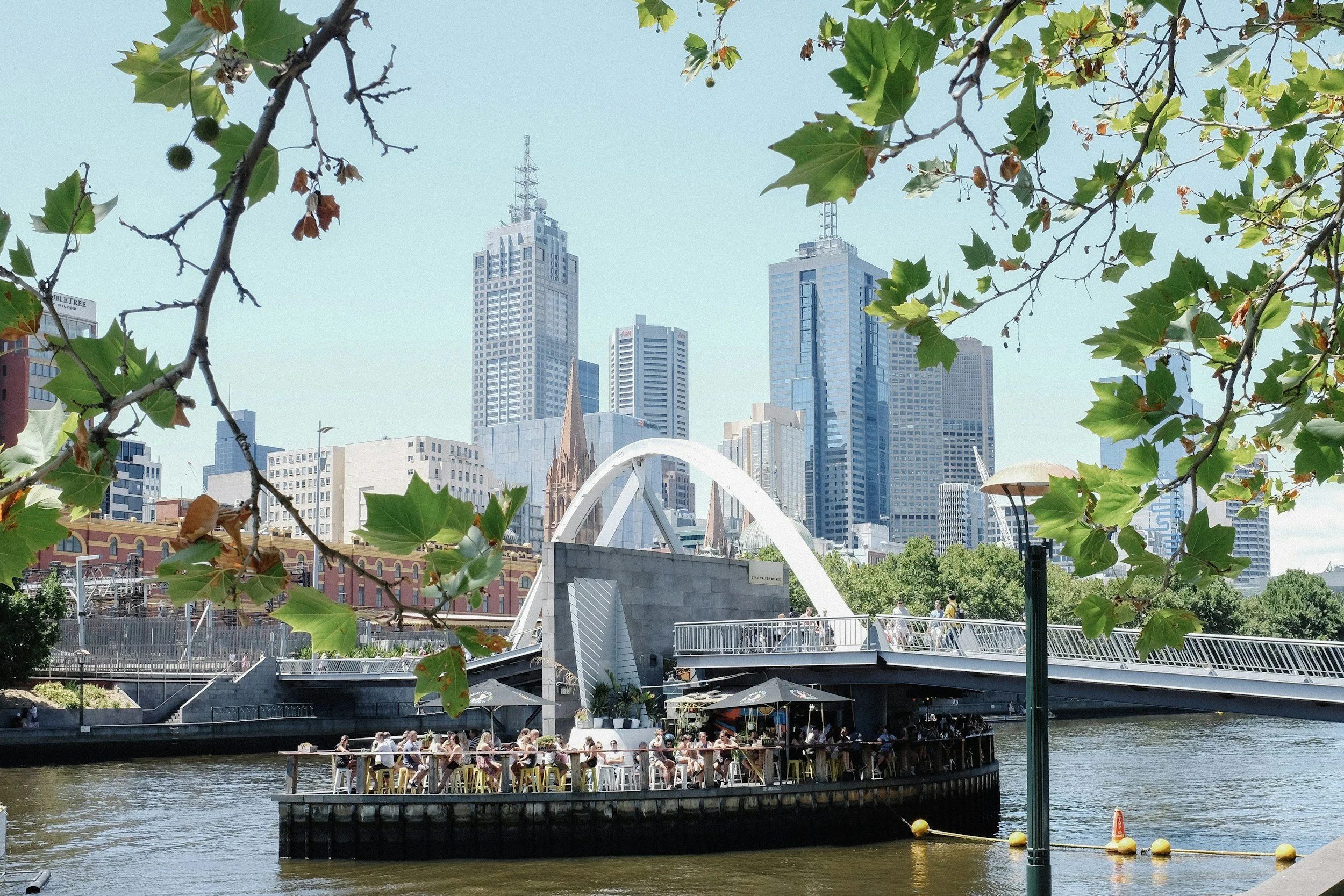
Spring in Melbourne brings a pleasant transition with mild temperatures and blooming gardens. You'll find moderate crowds, making it a good time to explore. Prices for flights and accommodation are generally reasonable outside of major events, and the city starts buzzing with the Melbourne Fringe Festival.
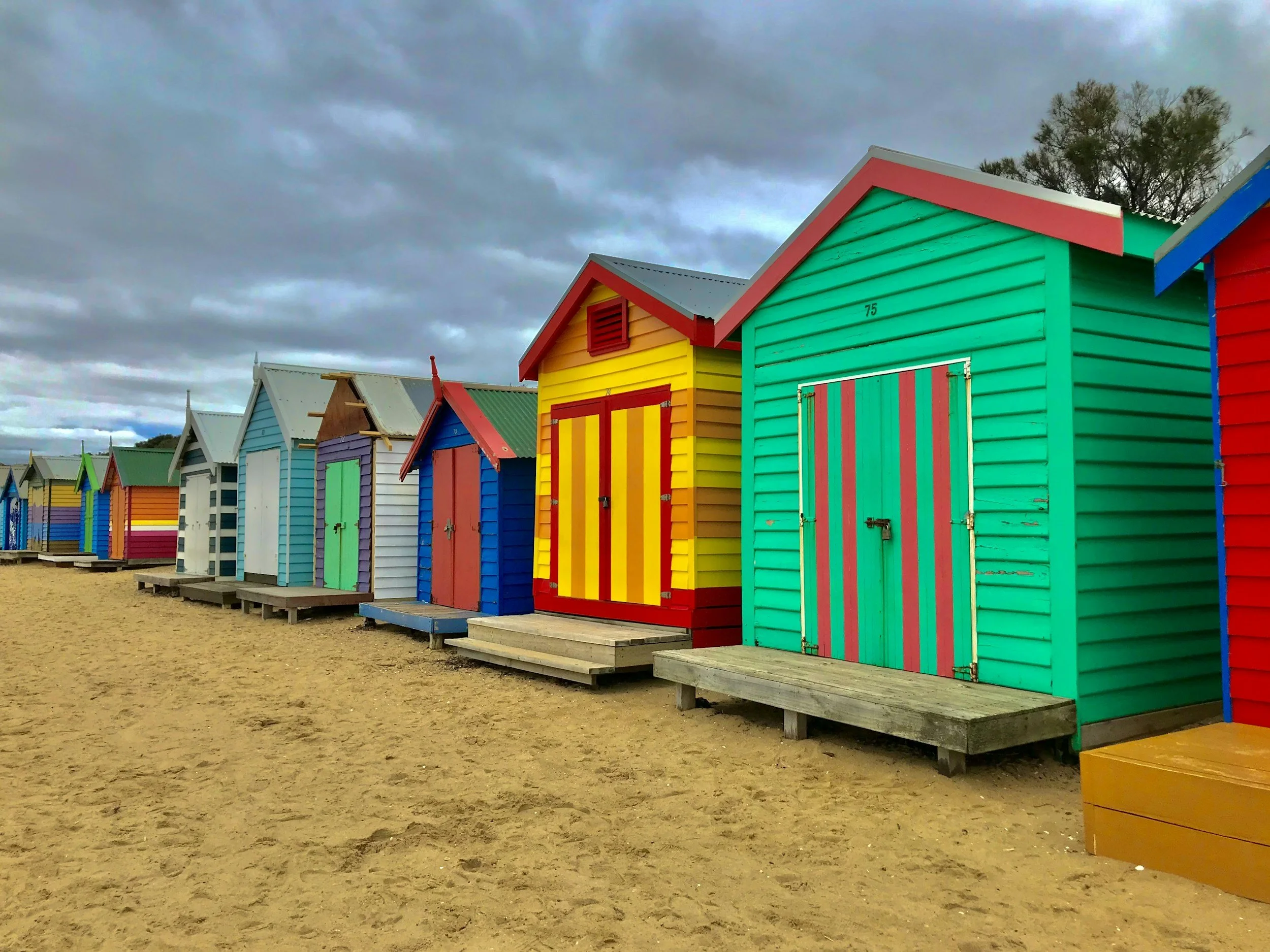
Summer
When is it? December to February
Summer in Melbourne is warm and lively, perfect for outdoor activities and beach visits. Expect larger crowds, especially during school holidays and around major events like the Australian Open. Prices for flights and accommodation will be at their peak during this time.
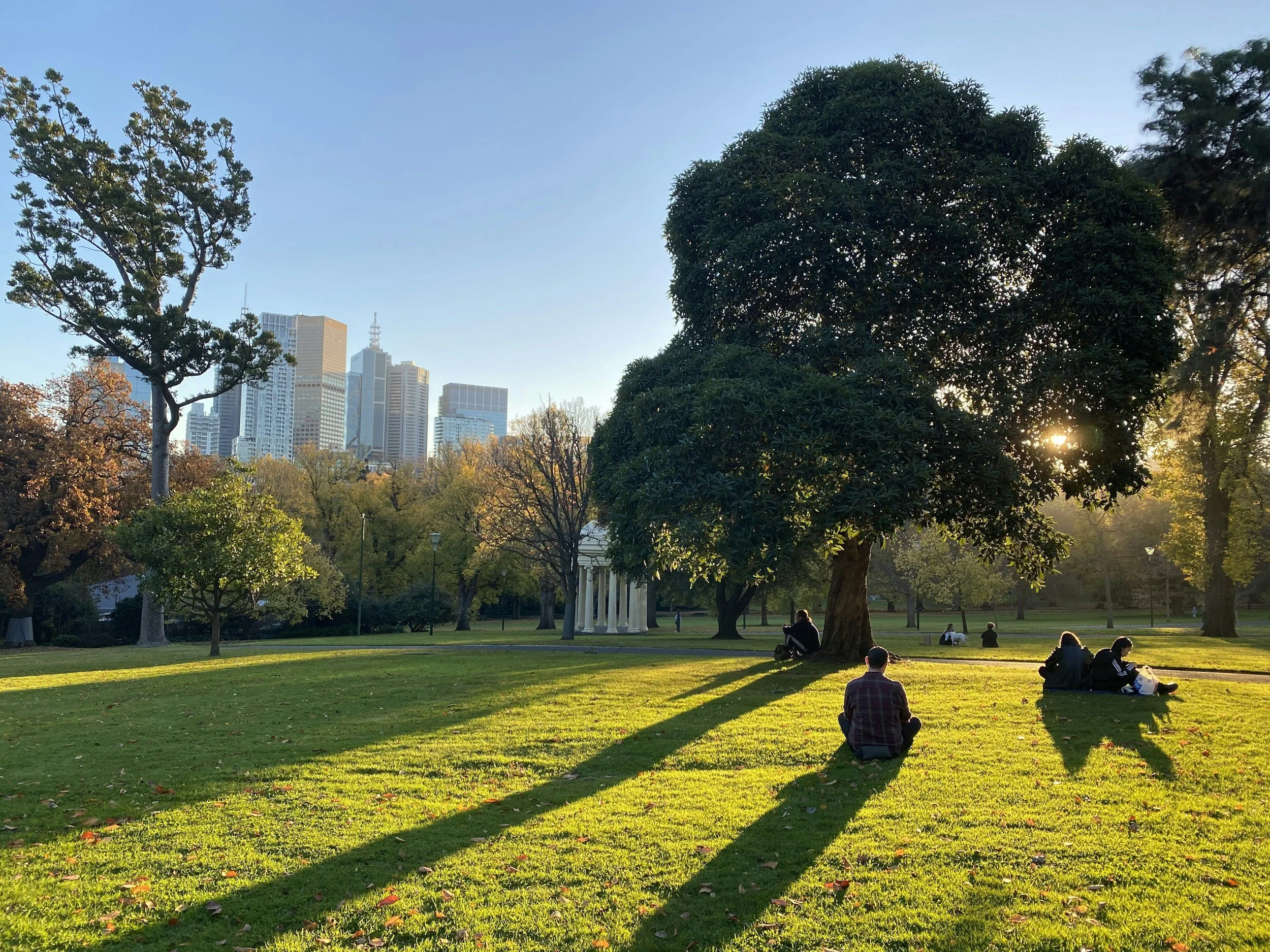
Autumn
When is it? March to May
Autumn in Melbourne offers crisp, cool air and beautiful autumnal colours in the parks. It's a sweet spot with fewer crowds than summer and relatively stable prices, though it overlaps with some major events like the Melbourne International Comedy Festival.
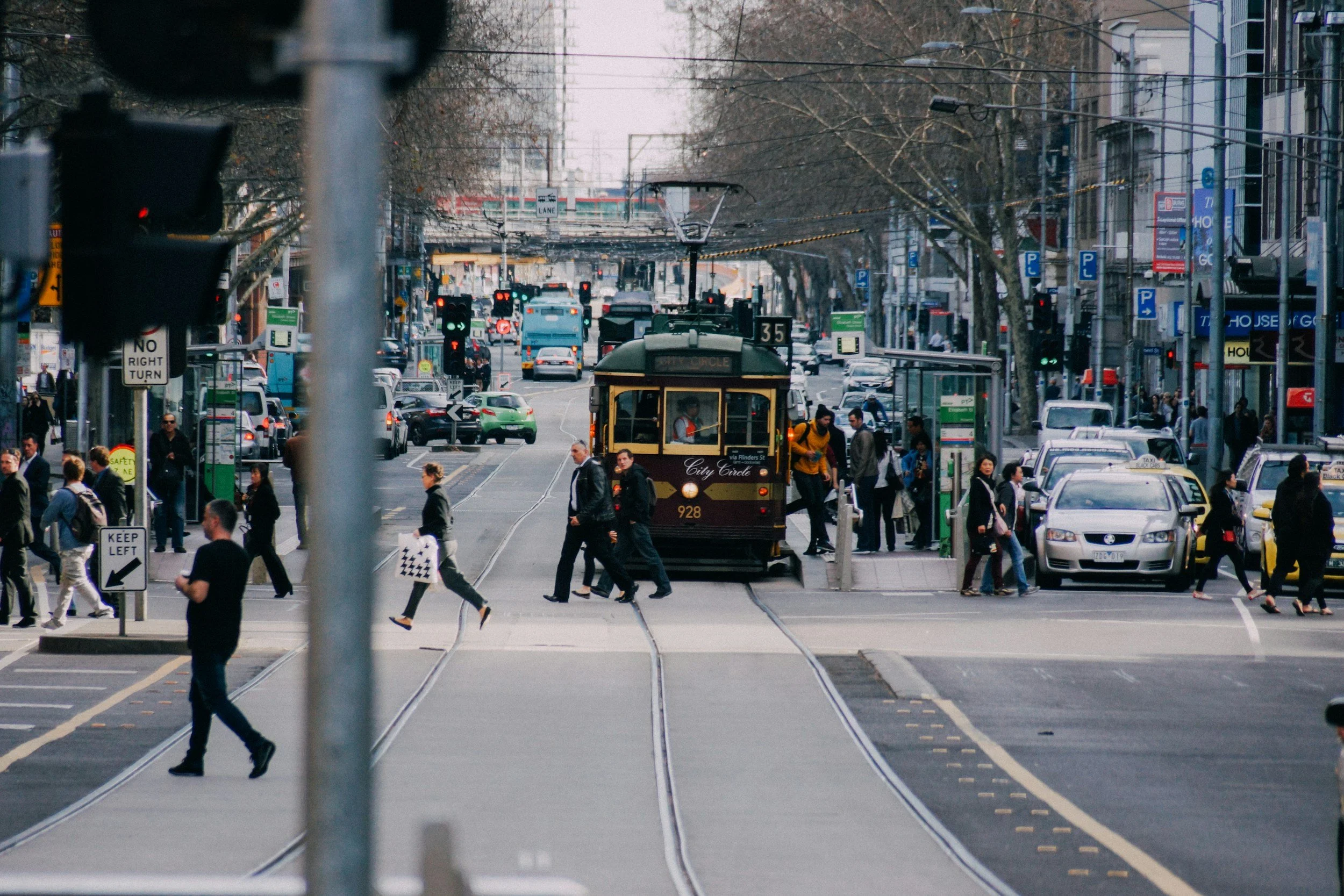
Winter
When is it? June to August
Winter in Melbourne is cool and often grey, ideal for cosy indoor activities, galleries, and theatre. This is generally the quietest and cheapest time to visit, with fewer tourists and lower prices for flights and accommodation. The city comes alive mid-winter with festivals like White Night.
Overall, when is the best value time to visit Melbourne?
For the best value when visiting Melbourne, consider the shoulder seasons of spring (September to November) and autumn (March to May). During these periods, you can often enjoy pleasant weather suitable for exploring the city's many attractions without the peak summer crowds or prices.
While summer offers the warmest weather, it comes with higher costs. Conversely, winter can be the cheapest time to visit, but the weather is cooler, which might not be ideal for everyone. By choosing late spring or early autumn, you can strike a fantastic balance, experiencing Melbourne's charm, vibrant event scene, and comfortable climate at a more reasonable price point, offering excellent overall value for your trip.
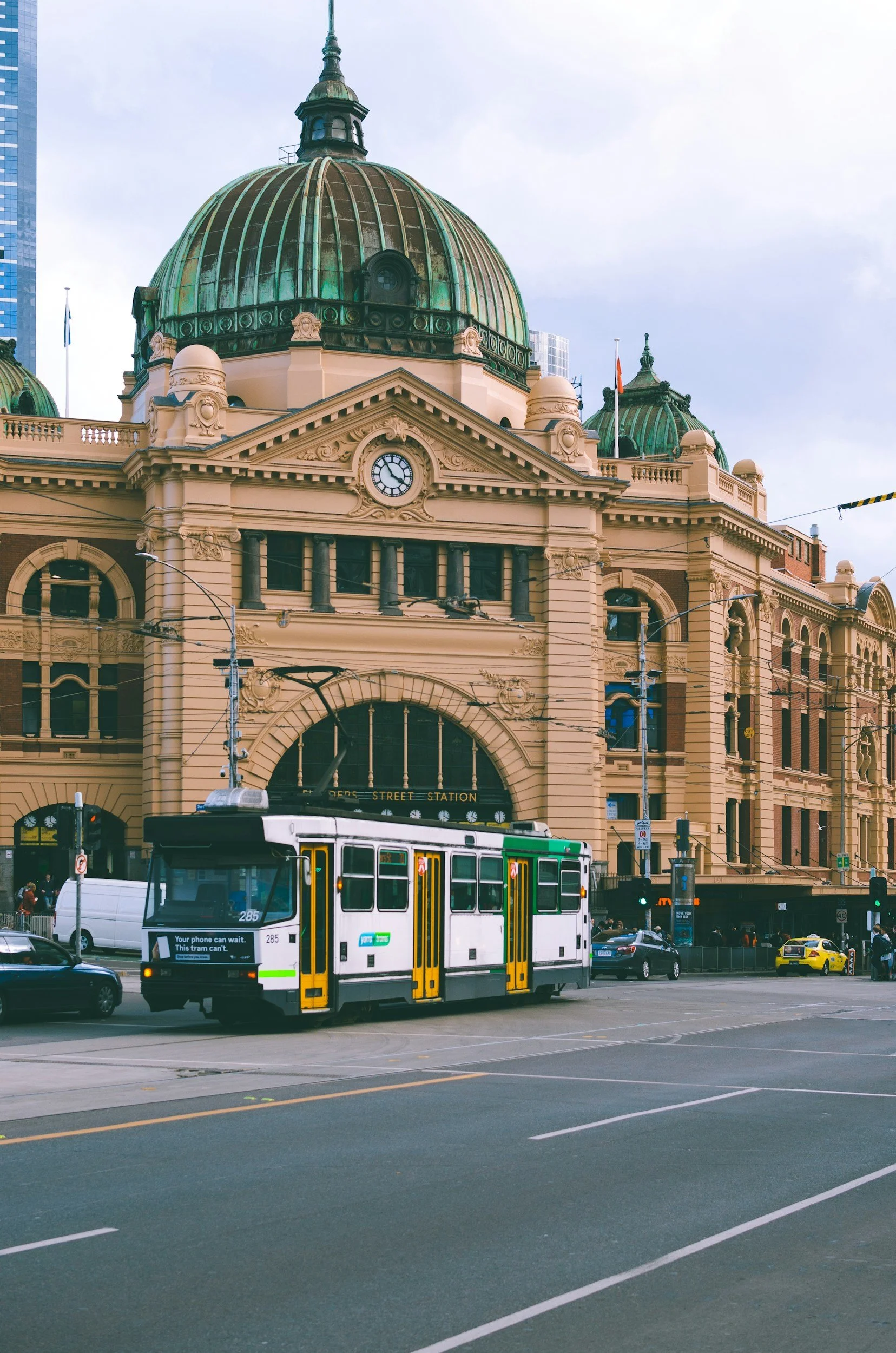
5.35m+
people in Melbourne
Capital
of Victoria
When do you want to go to Melbourne?
Learn more about travelling to Melbourne during each month of the year, including what to expect when it comes to weather, prices, crowds and events.