Best time to go to Rome
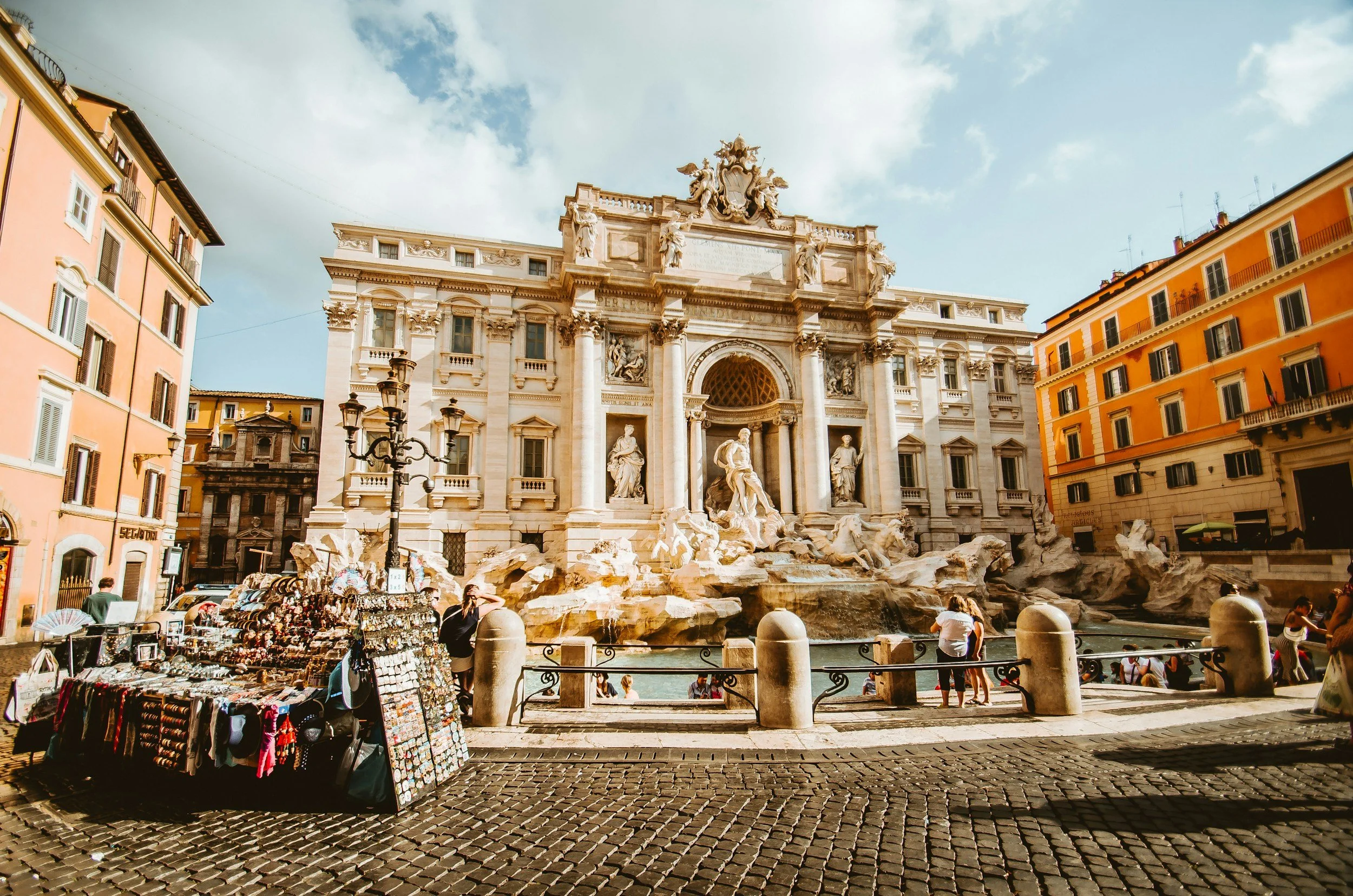
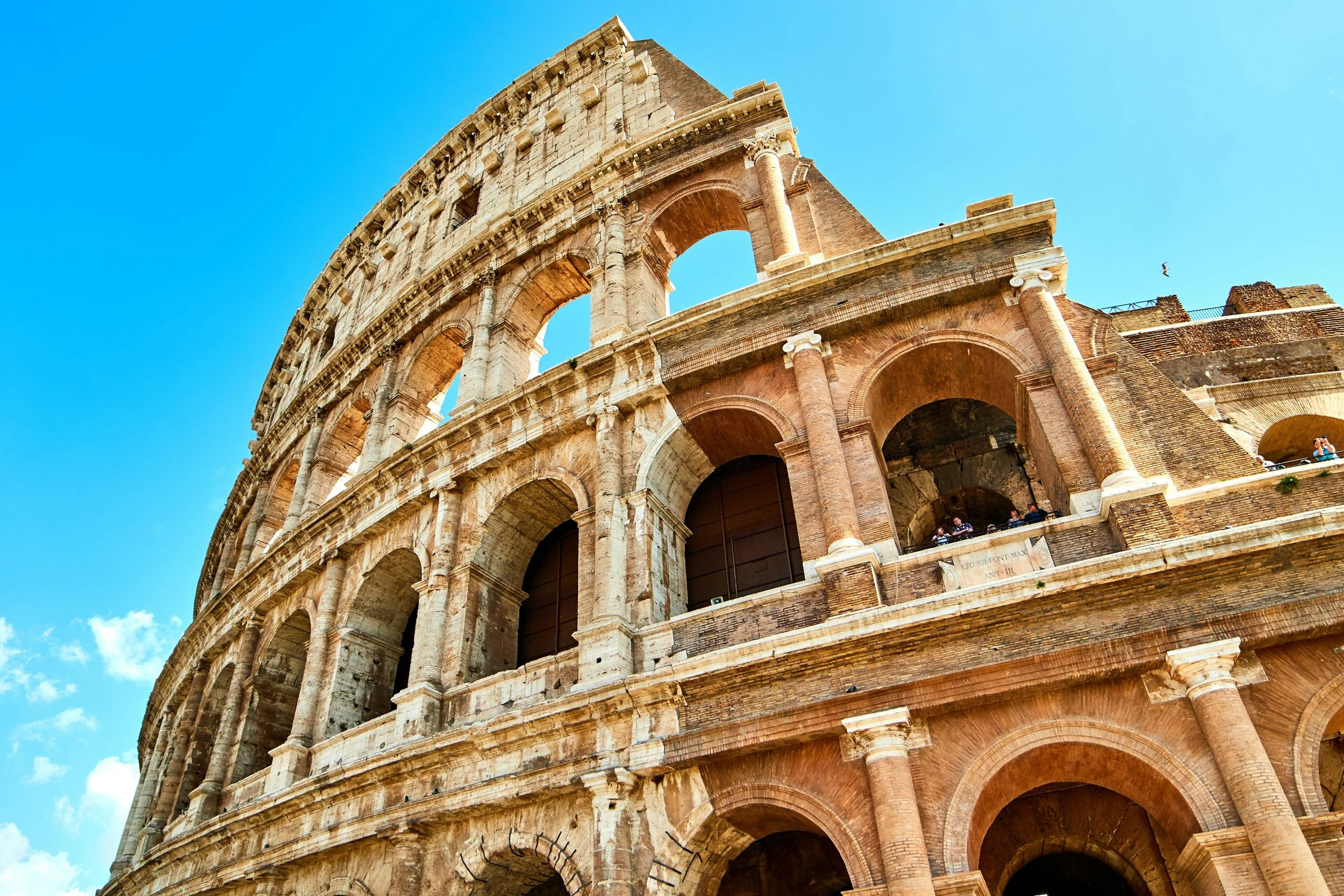
Rome, the Eternal City, is one of the world's most historically rich and visually stunning capitals. The city is home to iconic landmarks like the Colosseum, Vatican, Roman Forum, and Trevi Fountain, alongside world-class museums, churches, and piazzas. Rome's vibrant culture, exceptional cuisine, and romantic atmosphere make it a dream destination for millions. The city experiences a Mediterranean climate with hot summers and mild winters, creating distinct seasonal experiences. Most visitors arrive in spring and autumn when the weather is pleasant and the city is busy but not overwhelmingly crowded. Summer brings heat and extreme crowds, while winter offers solitude, lower prices, and a more authentic Roman experience.
TL;DR
When is the best time to visit Rome?
Weather in Rome
Spring (April–May) and autumn (September–October) offer ideal conditions, with temperatures around 18–25°C, lower humidity, and minimal rainfall. Late May and early September are warm but pleasant. June through August is hot (28–35°C), dry, and stifling in the city centre, though humidity is relatively low. Winter (December–February) is mild (5–15°C), often grey and rainy, with occasional winter days below freezing or with frost.
For comfortable walking and sightseeing, spring and autumn are best. Summer requires early starts and shade-seeking during midday heat. Winter is cool but requires an umbrella and jacket.
Prices in Rome
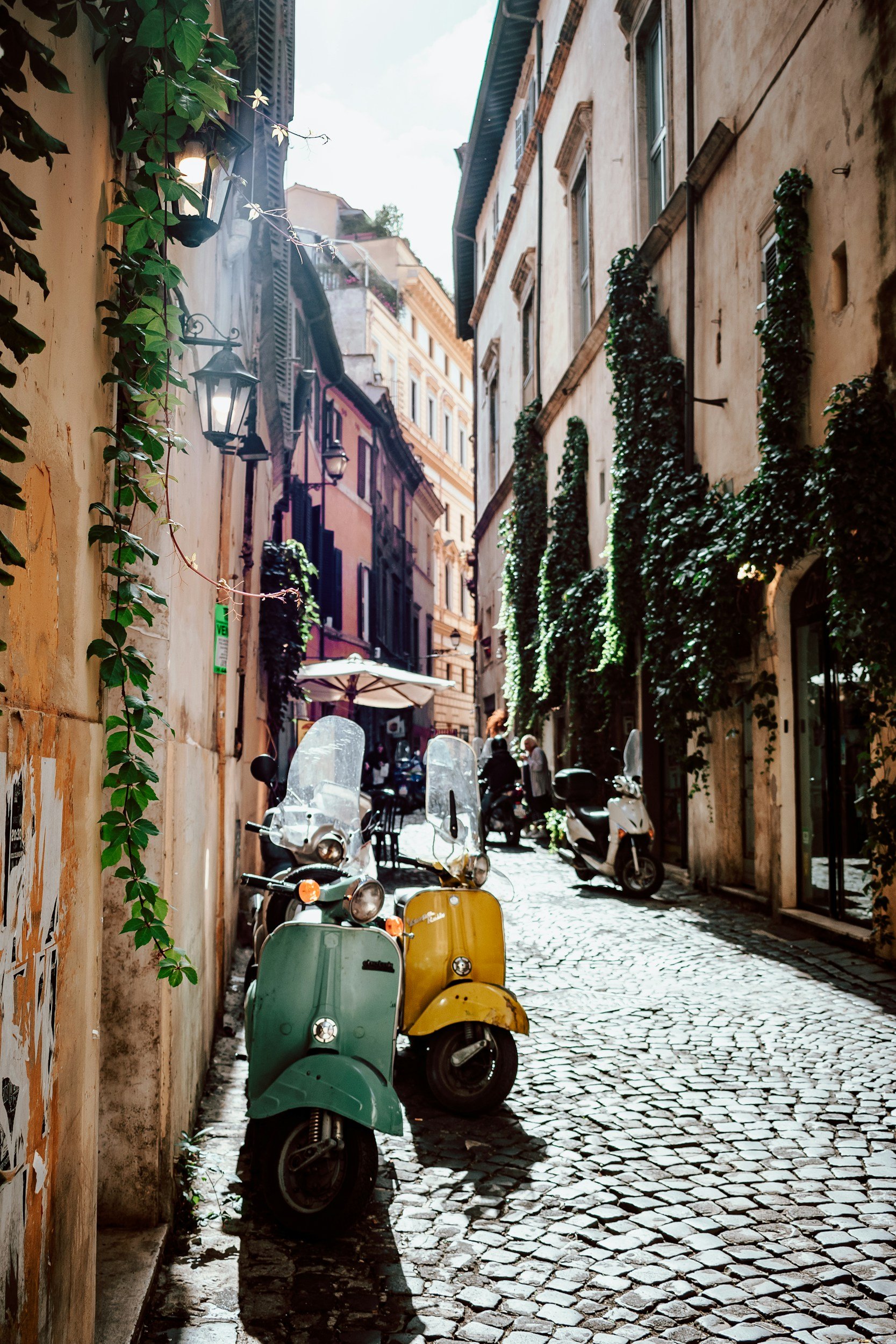
December through March is lower season with cheaper accommodation and restaurants, though December holidays and Easter period push prices up.
April through May and September through October are moderate to high season with reasonable prices. June through August is peak season with dramatically higher hotel, restaurant, and attraction prices.
Flight prices from Australia to Italy are fairly stable year-round. For best value, visit late March, April, May, September, October, or November outside major holidays.
Crowds in Rome
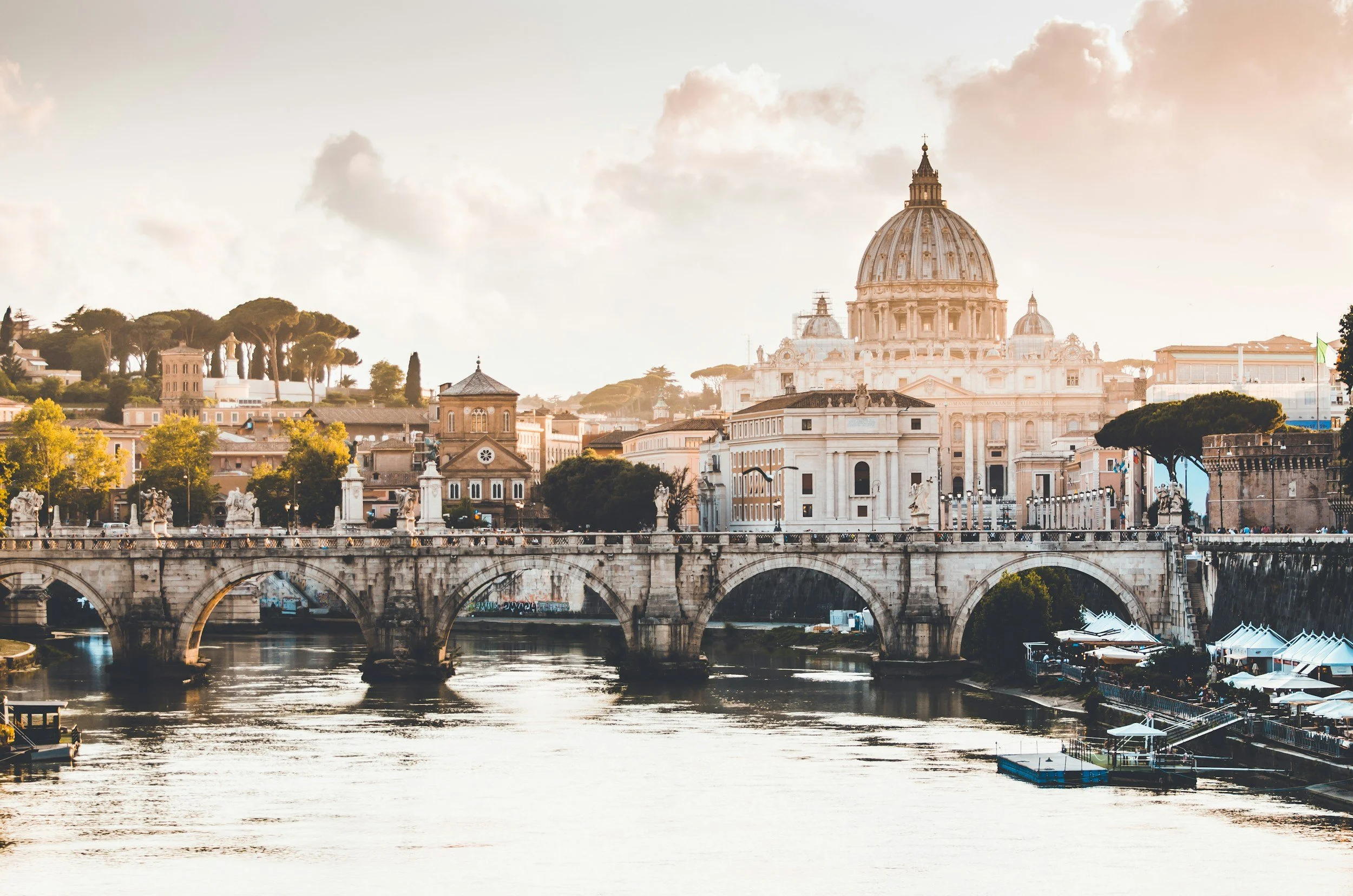
January through March are quieter with fewer international tourists about, though the city is still busy.
Rome is a popular destination for travellers year-round, but seasonal variations are significant. April through May and September through October are moderately to very busy. June through August is extremely crowded, particularly at major attractions. December and Easter bring family crowds and higher prices.
To minimise crowds, visit January–February or early March, accepting cooler weather and occasional rain. Even then, major sites have queues.
Events and festivals in Rome
-
When is it? March or April
Significant Christian celebration with Papal Mass at St. Peter's Basilica, drawing crowds from worldwide.
-
When is it? 25 April
Celebration of Italian liberation with parades and festivities.
-
When is it? 2 June
National holiday celebrating the establishment of the Italian Republic.
A year-round city, Rome has religious, cultural, and seasonal events scattered throughout the calendar.
Travelling to Rome in each season
Rome's seasons create distinct experiences and atmospheres, from spring flowers to summer heat and quiet winter exploration.
Spring
When is it? March to May
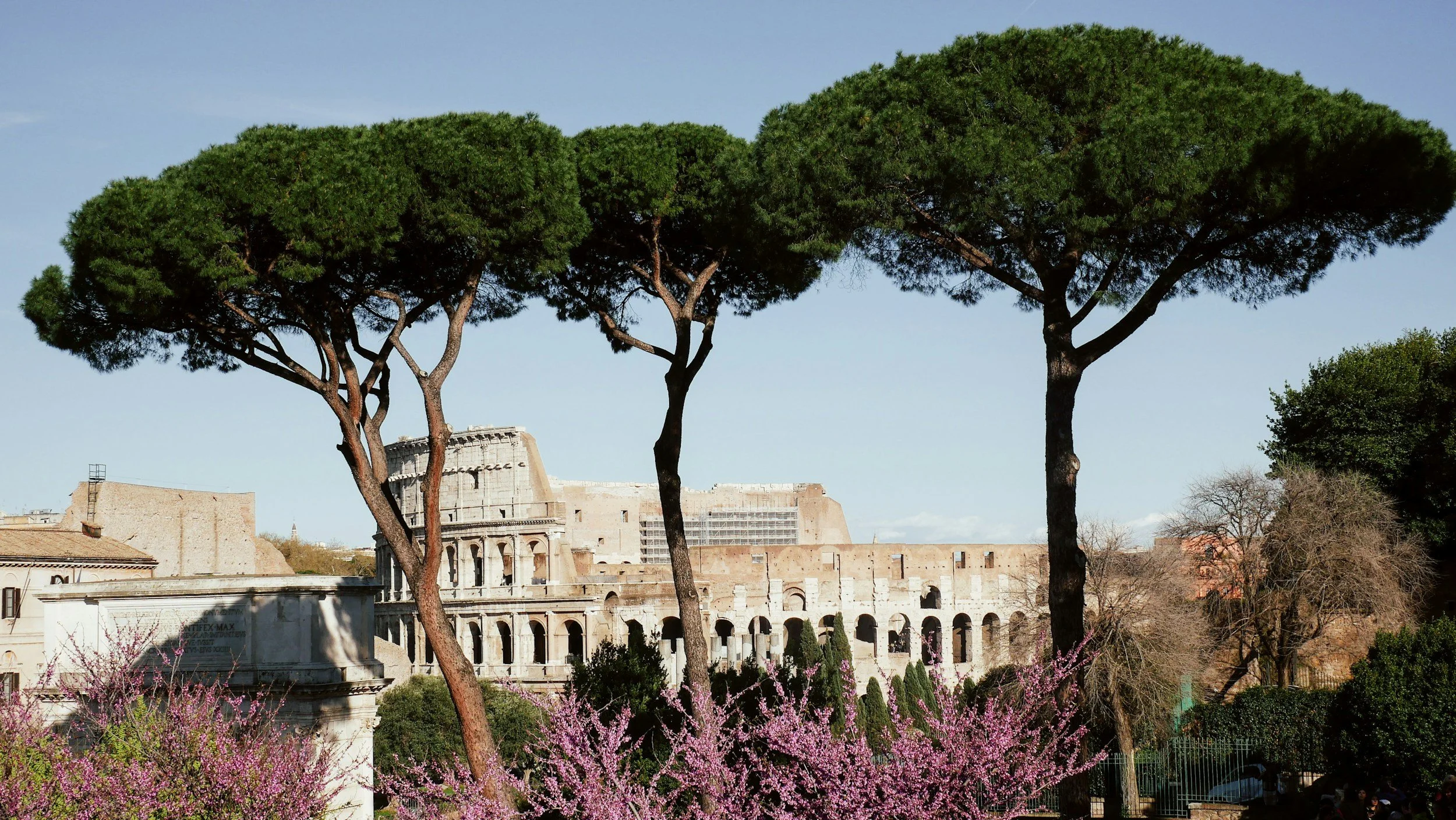
Spring brings ideal temperatures (18–25°C), blooming wisteria and flowers throughout the city, and longer daylight hours. Crowds are moderate to heavy. Prices are reasonable. Easter holidays (variable timing) bring religious significance and family crowds. This is an excellent time for walking, exploring, and enjoying outdoor dining.

Summer
When is it? June to August
Summer is hot (28–35°C), with peak tourist crowds and highest prices. Early morning and evening are ideal for sightseeing; midday heat drives tourists to museums or cafés. Outdoor cafés and restaurants are vibrant and lively. Major attractions have long queues. This suits heat-tolerant travellers seeking lively, festival-filled Rome. Many Romans leave for holidays in August.
Autumn
When is it? September to November
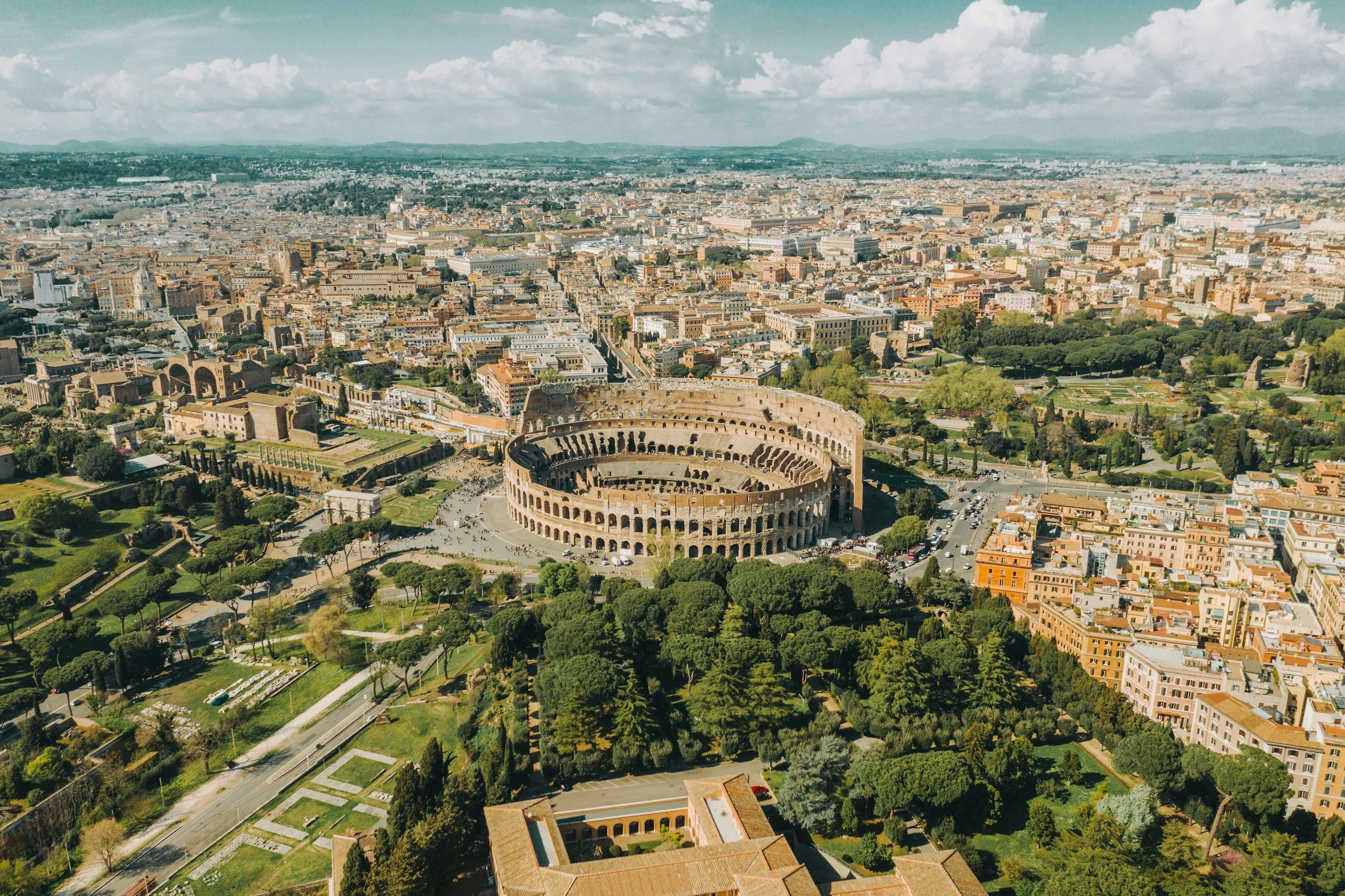
Autumn brings pleasant temperatures (18–25°C), decreasing crowds after summer peak, and reasonable prices. Early autumn is warm; late autumn is cooler. The city feels more like itself as domestic tourism decreases. This rivals spring as Rome's best season. Grape harvest celebrations occur in local wine regions.
Winter
When is it? December to February
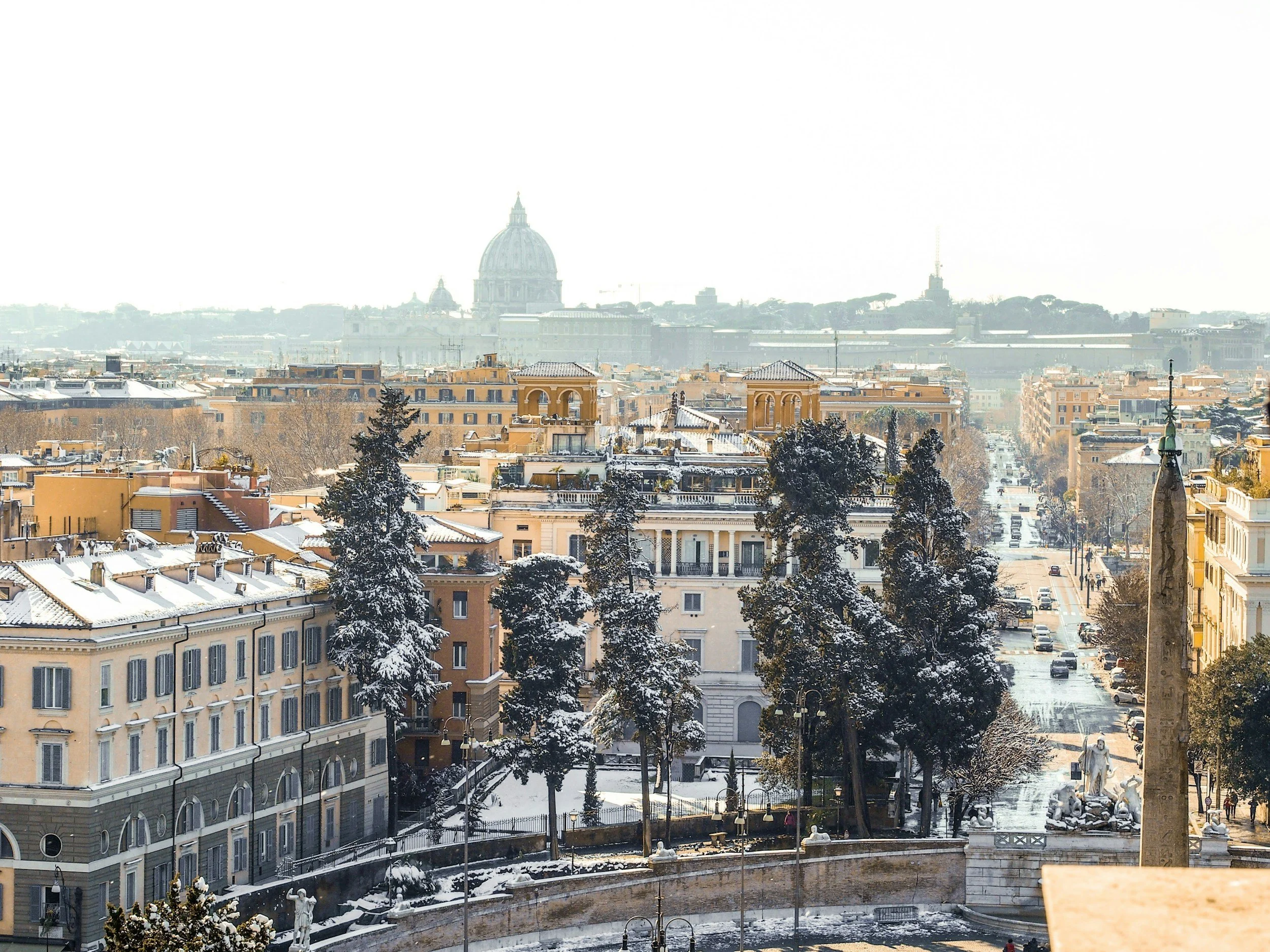
Winter is cool (5–15°C), often grey and rainy, with occasional below-freezing temperatures. Crowds are minimal outside December and Easter period. Prices are lowest. Rome feels more local and authentic. Christmas markets and decorations create festive atmosphere. However, rainy days limit outdoor sightseeing. Many minor attractions have reduced hours.
Overall, when is the best value time to visit Rome?
For the best overall value, visit Rome between April and May or September and October. You'll enjoy pleasant weather, manageable crowds (compared to the Italian summer), reasonable prices, and the city at a comfortable pace. These seasons offer the best balance of experience and cost. If budget is your priority, visit in January–February or March for significantly lower accommodation prices and smaller crowds, accepting cool temperatures and frequent grey days or rain.
2.7m+
people in Rome
Capital
of Italy