Best time to go to Australia
Australia is such a massive country that the "best time to go" really depends on where you're headed and what you're chasing. Because the north and south have almost opposite seasons (the Top End runs on a wet/dry cycle while the southern states follow the classic four seasons), there's honestly no single bad time to visit, just a better time to visit different destinations depending on your plans. If you're chasing beaches and warm water, aim for Queensland or Western Australia between April and October, when the tropical north is dry and the south is mild. If snow season, skiing in the Victorian and NSW Alps runs from June to September. And if it's capital city exploring you're after, spring and autumn tend to hit the sweet spot almost everywhere.
Where in Australia do you want to go?
While we’ll discuss more broadly about where to to in Australia on this page, the country is vast and each destination’s “best time” varies quite a bit depending on which state you’re visiting.
Select specific destinations for a more detailed look at their prime times to visit.
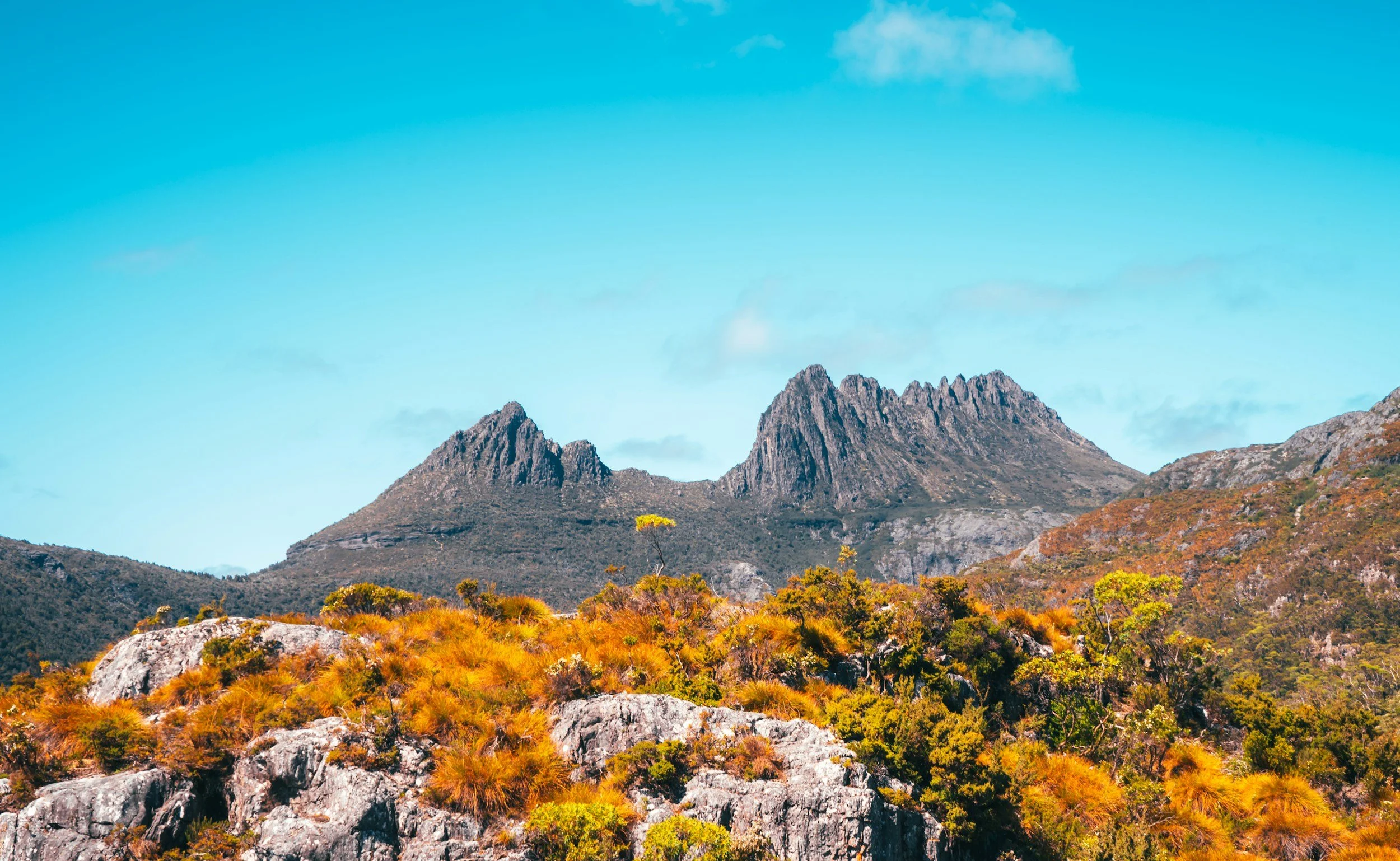
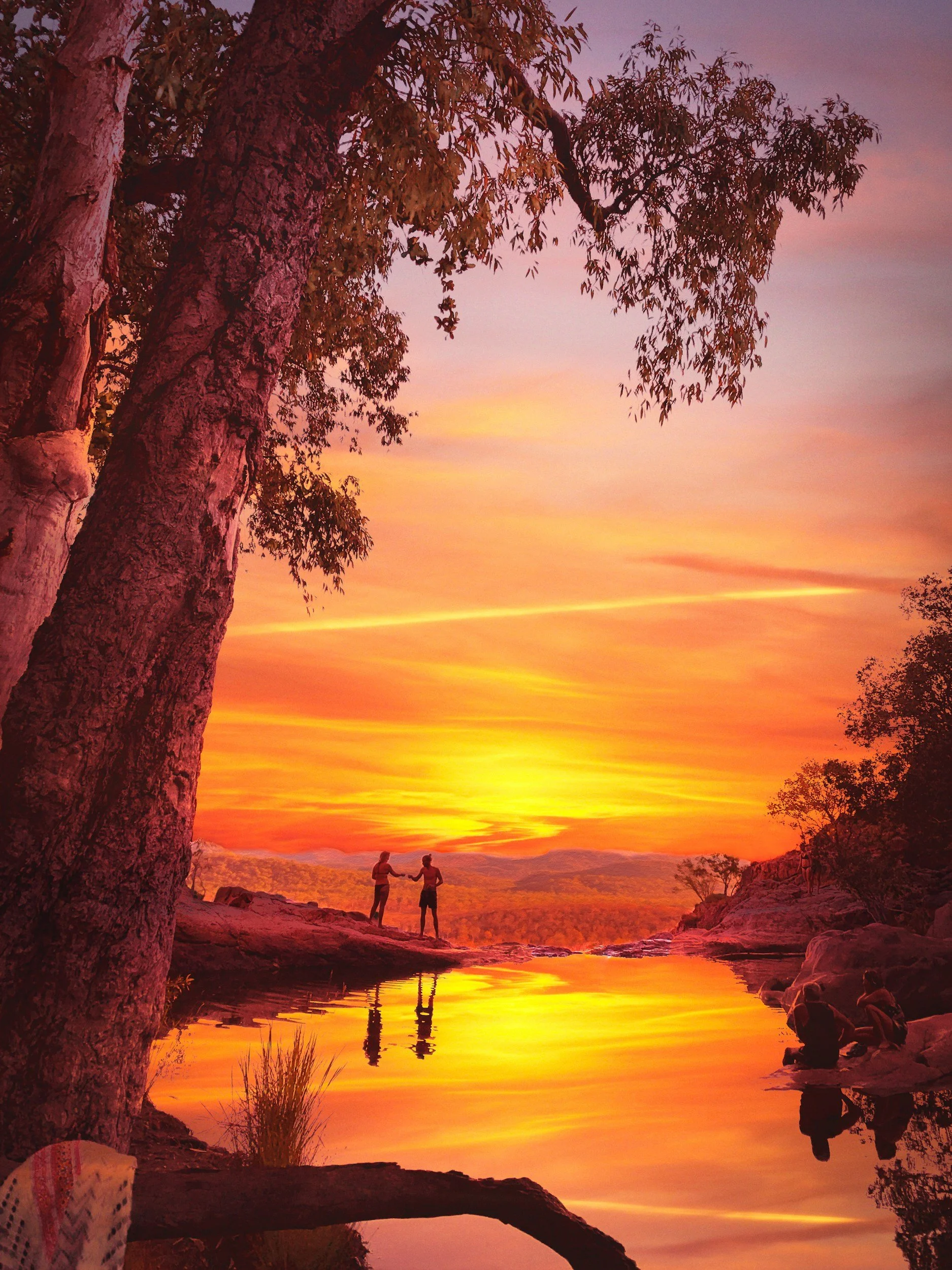
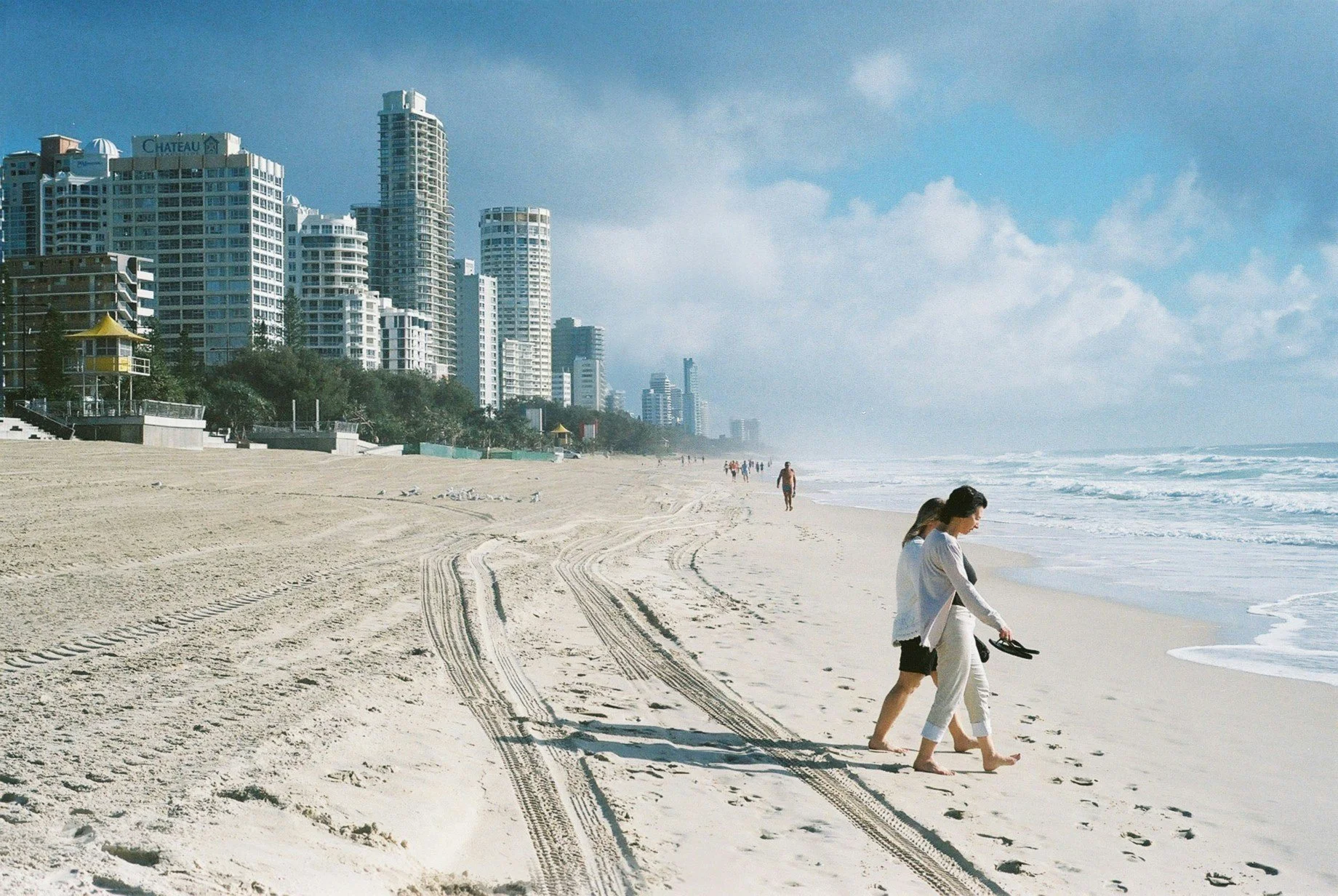
TL;DR
When is the best time to visit Australia?
The best overall time to visit Australia is during the shoulder seasons of April–May or September–October, when most of the country enjoys mild, dry weather without peak-season crowds or prices.

Weather in Australia
If you're bouncing around Australia, April–May and September–October tend to work well almost everywhere.
Australia's weather splits roughly into two systems. The tropical north (Queensland, the Northern Territory and northern Western Australia) has a wet season (November–April) and a dry season (May–October), with the dry season offering the best travelling weather.
The temperate south (NSW, Victoria, SA, Tasmania) runs through proper spring, summer, autumn and winter, with summer (December–February) hot and dry and winter (June–August) cool to cold, especially inland and in the Alps.

Prices in
Australia
Booking flights and accommodation for shoulder-season travel (March–May or September–November) generally gets you a better deal on both flights and hotels.
Flights and accommodation across Australia peak around the Christmas/New Year period, Easter, and the July school holidays, when domestic travel spikes. Flying in from overseas, fares are usually cheapest outside these windows and outside the Northern Hemisphere summer, when international arrivals are lower.
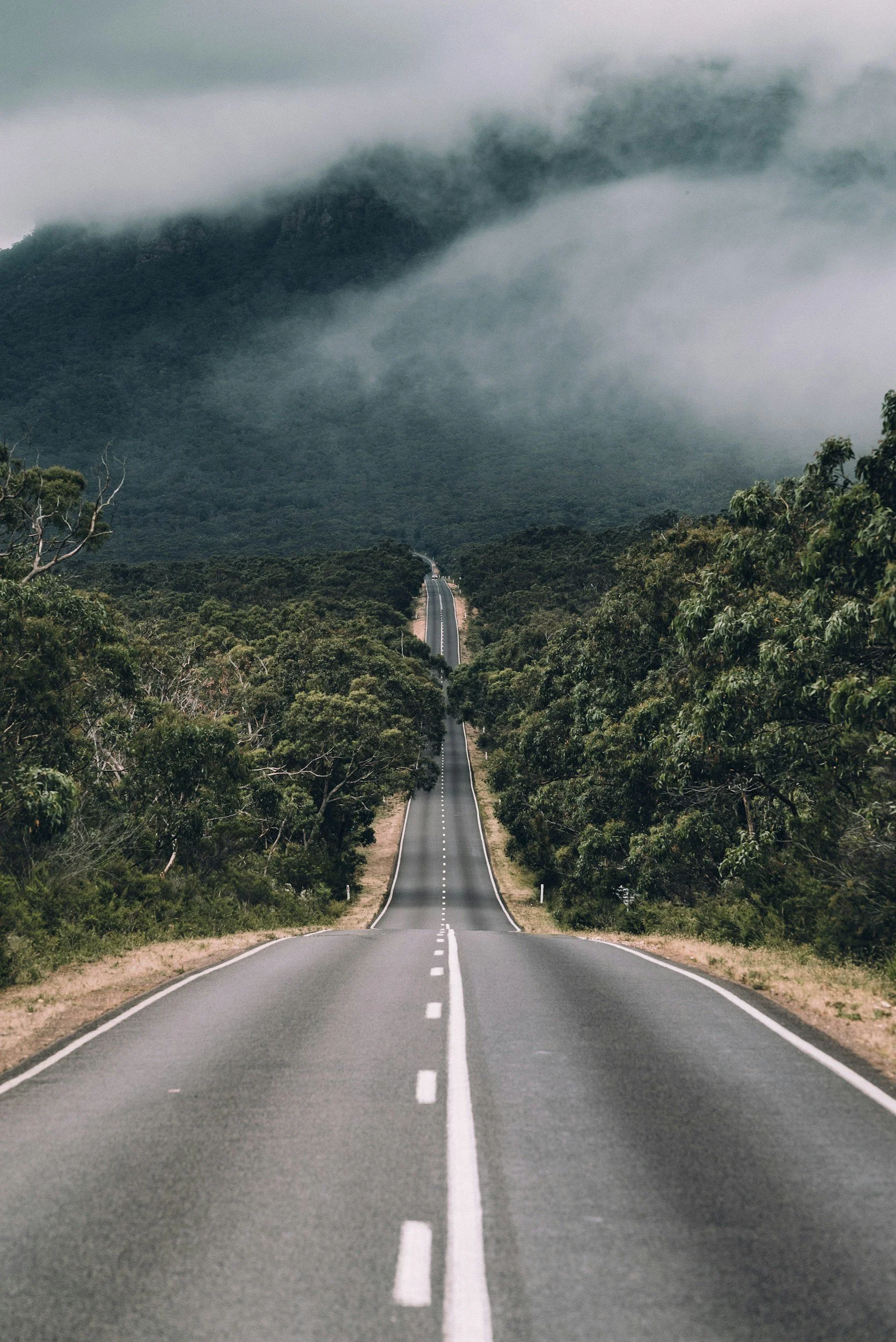
Crowds in New South Wales
Travelling in shoulder months like March, May, September or November usually means fewer people at major attractions.
The quietest times nationally tend to fall outside school holidays and outside the peak dry season up north. Christmas through late January is the busiest stretch everywhere, as is Easter. The Northern Territory and northern Queensland get their own crowd surge in the June–August dry season, while ski resorts peak during the July school holidays.
Events and festivals in Australia
-
When is it? January
The biggest tennis event on the Australian calendar happens every January in Melbourne.
-
When is it? January
The largest music festival of its kind in Australia.
-
When is it? February-March
A massive celebration of pride and diversity in Sydney, with a colourful parade being the highlight.
-
When is it? March
The southern hemisphere's largest arts festival, running for a month across Adelaide.
-
When is it? December
One of the world's most famous fireworks displays over Sydney Harbour.
With a calendar this big, there's genuinely something happening somewhere in Australia every week of the year, and most of the standout events cluster around summer and the shoulder seasons when the weather cooperates. Here are some of the biggest worth planning a trip around:
Travelling to Australia in each season
Because Australia spans tropical, arid and temperate zones, each season looks quite different depending on where you are — but here's the general picture.
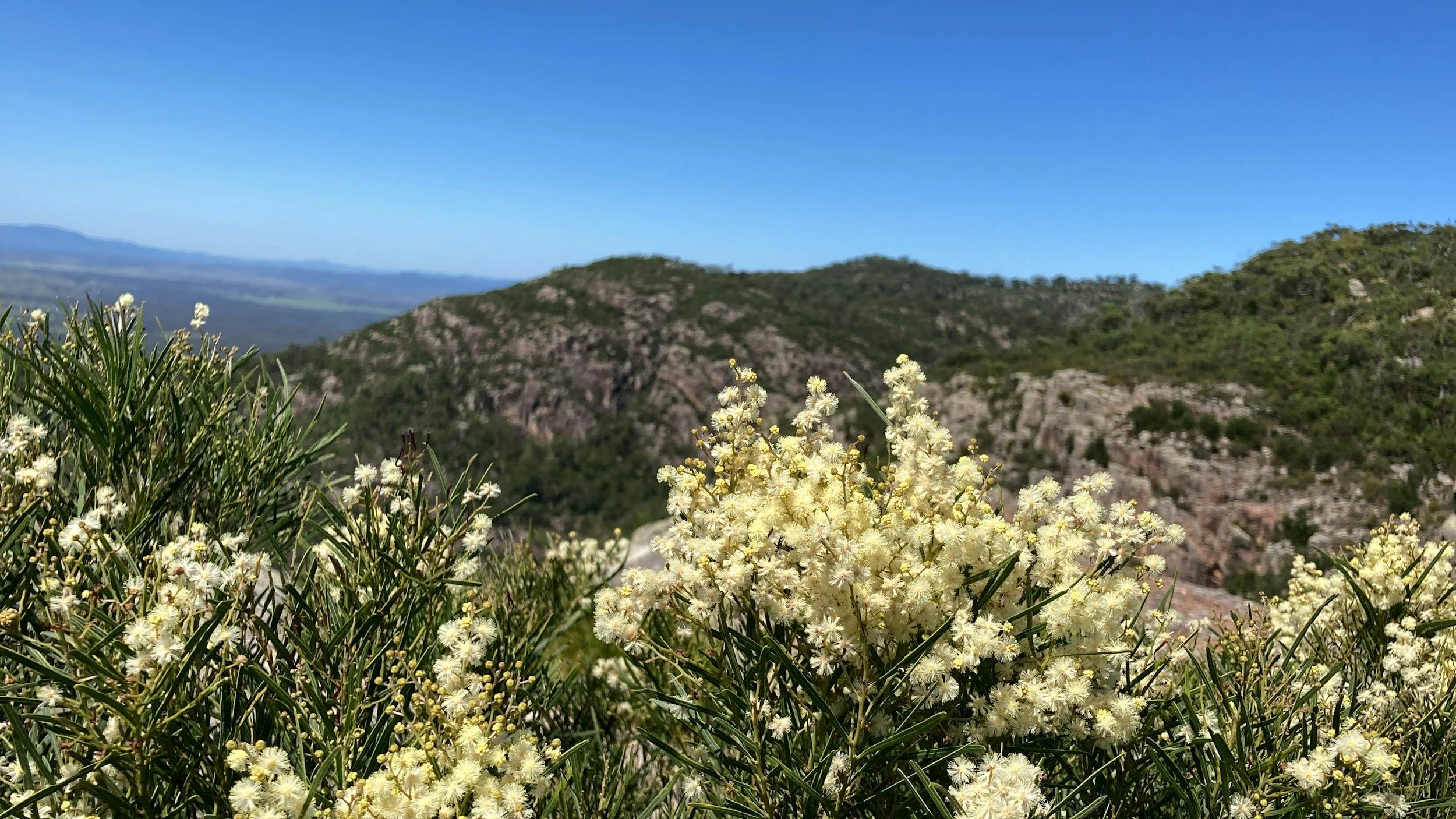
Spring
When is it? September to November
Spring (September–November) is a great all-rounder, with mild temperatures in the south and the tail end of the dry season up north. Wildflowers bloom across Western Australia, and the Melbourne Cup Carnival and AFL finals bring a festive energy to Victoria. Prices sit at a comfortable mid-range outside the September school holidays, and crowds are generally manageable.
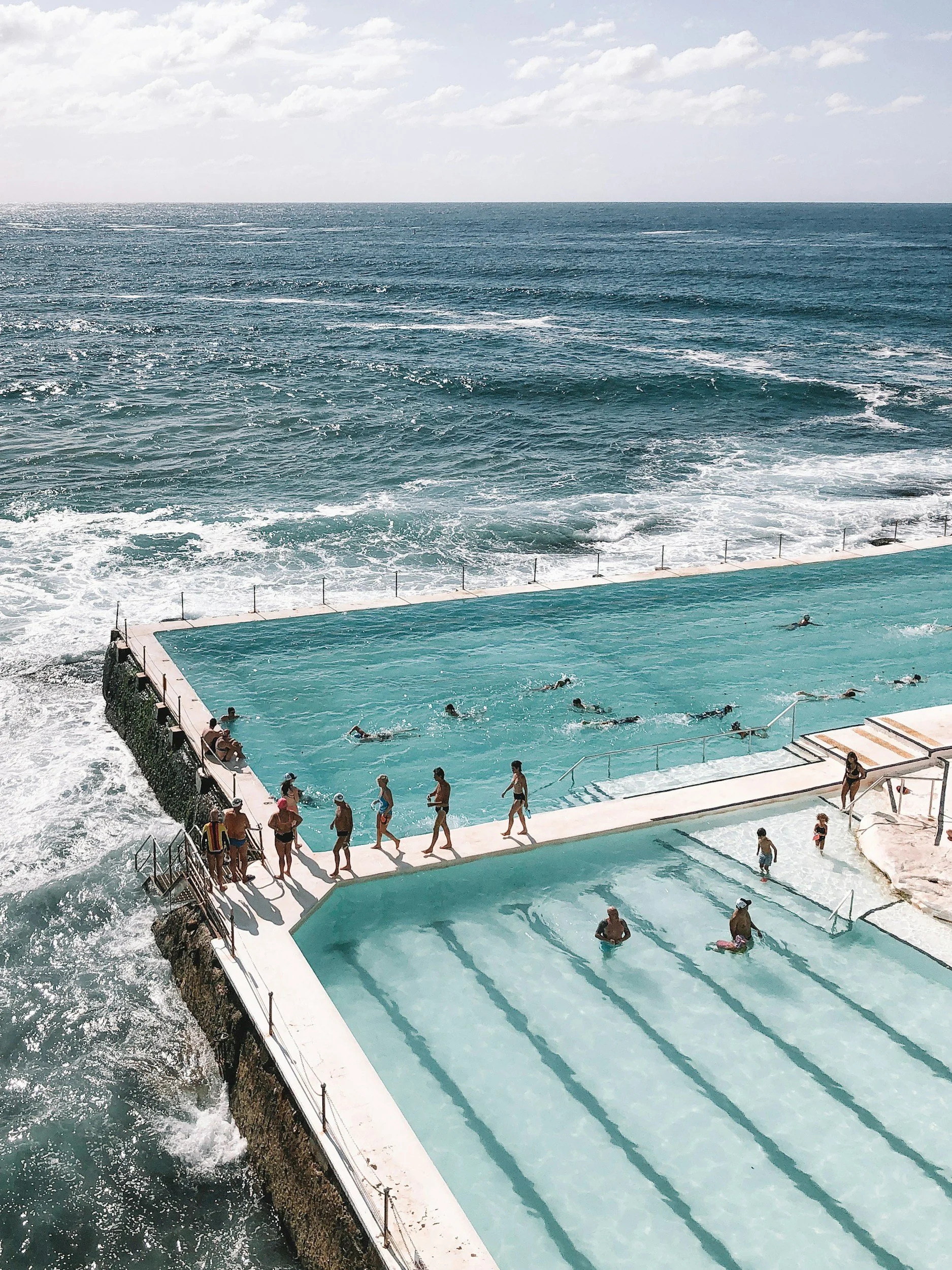
Summer
When is it? December to February
Summer (December–February) means hot, dry weather in the south and the start of the wet season up north, with humidity and monsoonal storms in the tropics. It's peak season nationally, coinciding with the Christmas/New Year holidays, so expect higher prices and busier beaches, especially in coastal NSW and Queensland.
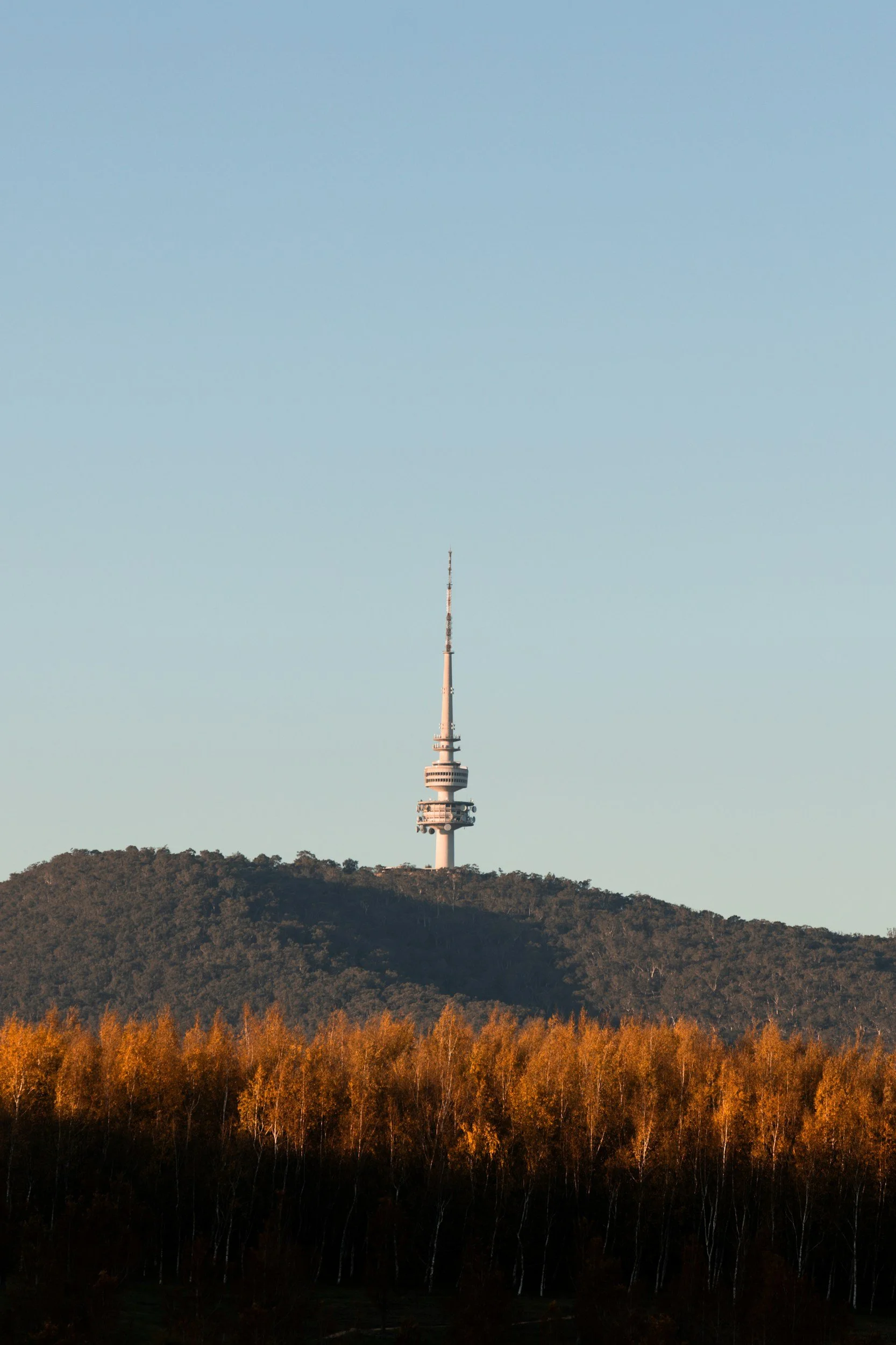
Autumn
When is it? March to May
Autumn (March–May) brings some of the most pleasant weather of the year in the south, with warm days and cooler nights, while the north transitions out of its wet season. Crowds thin out after the Easter break, and prices ease off from summer's peak, making this a favourite time for many domestic travellers.

Winter
When is it? June to August
Winter (June–August) is cool to cold in the south, with snow settling in the Alps for ski season, while the north hits its dry-season sweet spot with warm, low-humidity days — making it peak season for the Northern Territory and tropical Queensland. Prices and crowds shift north accordingly during this period.
Overall, when is the best value time to visit New South Wales?
If you want the best bang for your buck, aim for the shoulder seasons of April–May or September–October (outside school holidays). You'll get comfortable weather in most of the country, thinner crowds at major attractions, and better prices on flights and accommodation than you'd find in the December–January or July peaks. It does mean giving up a couple of things — you won't catch the Top End at its absolute driest, and Alpine snow won't be at its peak in these windows — but for a trip that balances weather, cost and crowd levels across a country this size, these shoulder months are hard to beat.
28m+
people in Australia
Country
in Oceania