Best time to go to Ireland
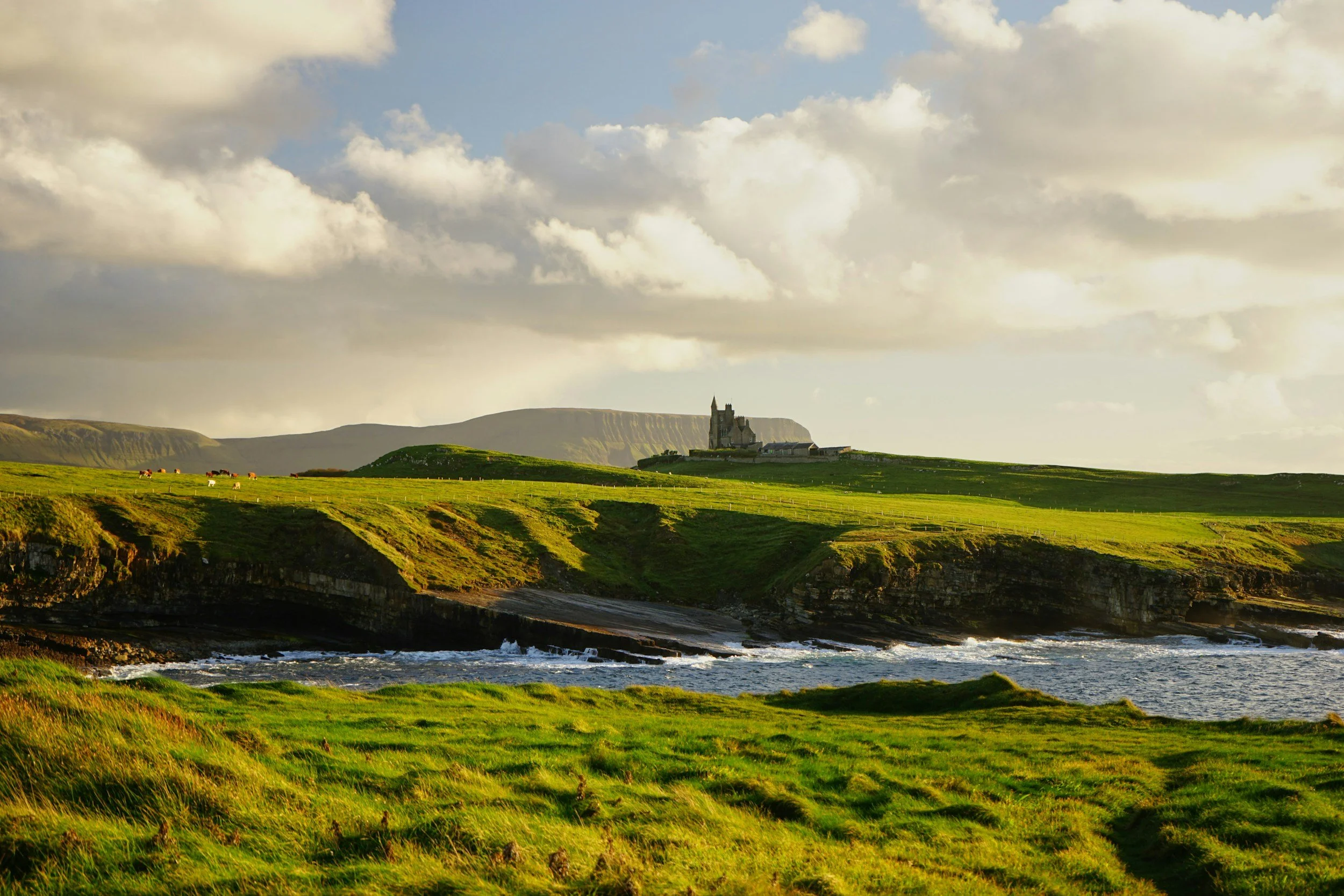
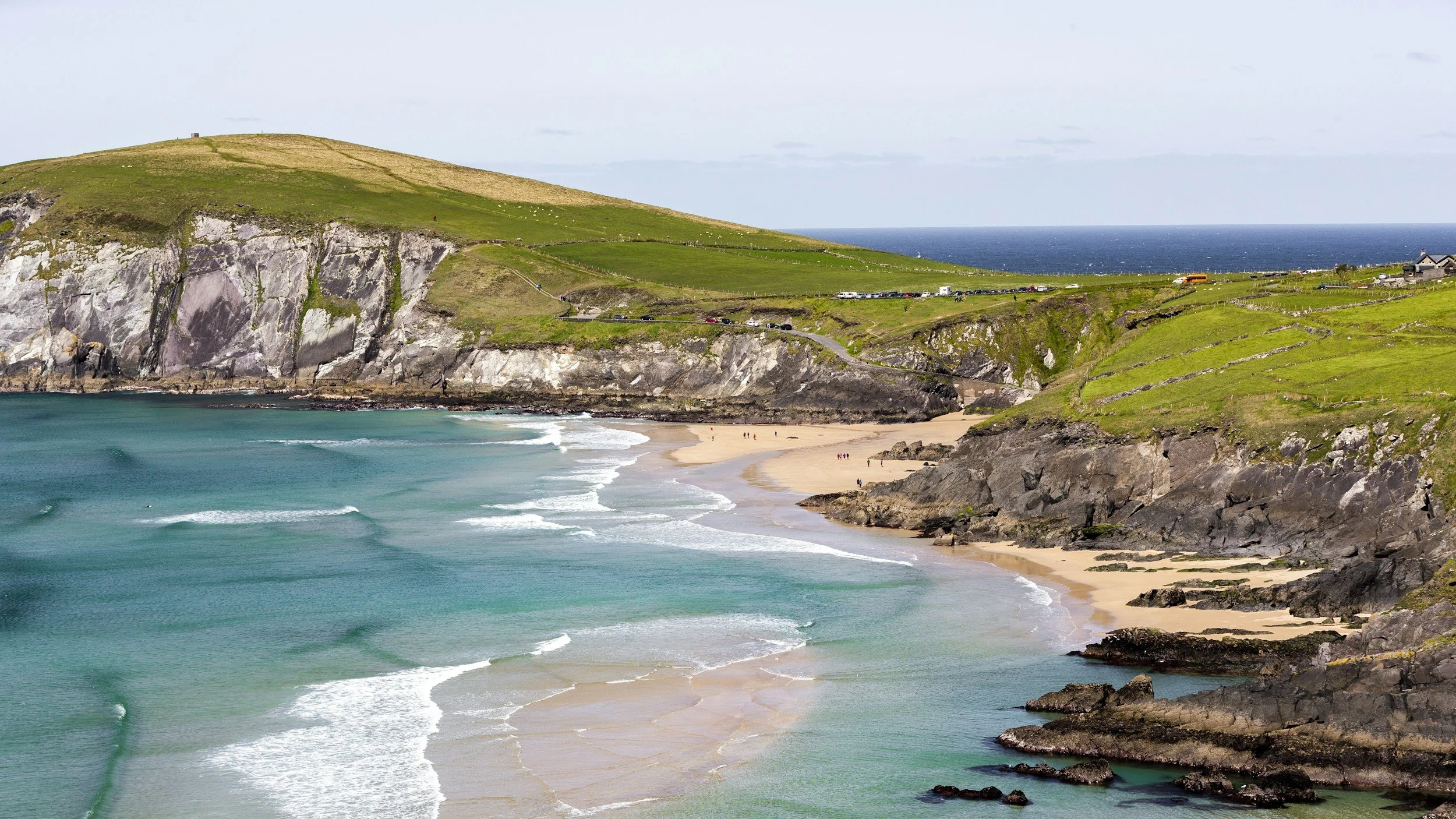
Ireland is a land of dramatic landscapes, ancient history, vibrant culture, and warm hospitality. From Dublin's literary heritage and temple bars to the wild beauty of Galway, the cliffs of Moher, and the Ring of Kerry, Ireland offers enchanting experiences. The country's temperate maritime climate creates mild but frequently rainy conditions year-round. Spring and autumn are traditionally considered ideal, with comfortable temperatures and blooming wildflowers or golden light. However, summer brings longer daylight and outdoor activities, while winter offers a quieter, more authentic Ireland and lower prices.
Where in Ireland do you want to go?
While we’ll discuss more broadly about where to to in Ireland on this page, the state is vast and each destination’s “best time” varies a bit”.
Select specific destinations for a more detailed look at their prime times to visit.
TL;DR
When is the best time to visit Ireland?
Weather in Ireland
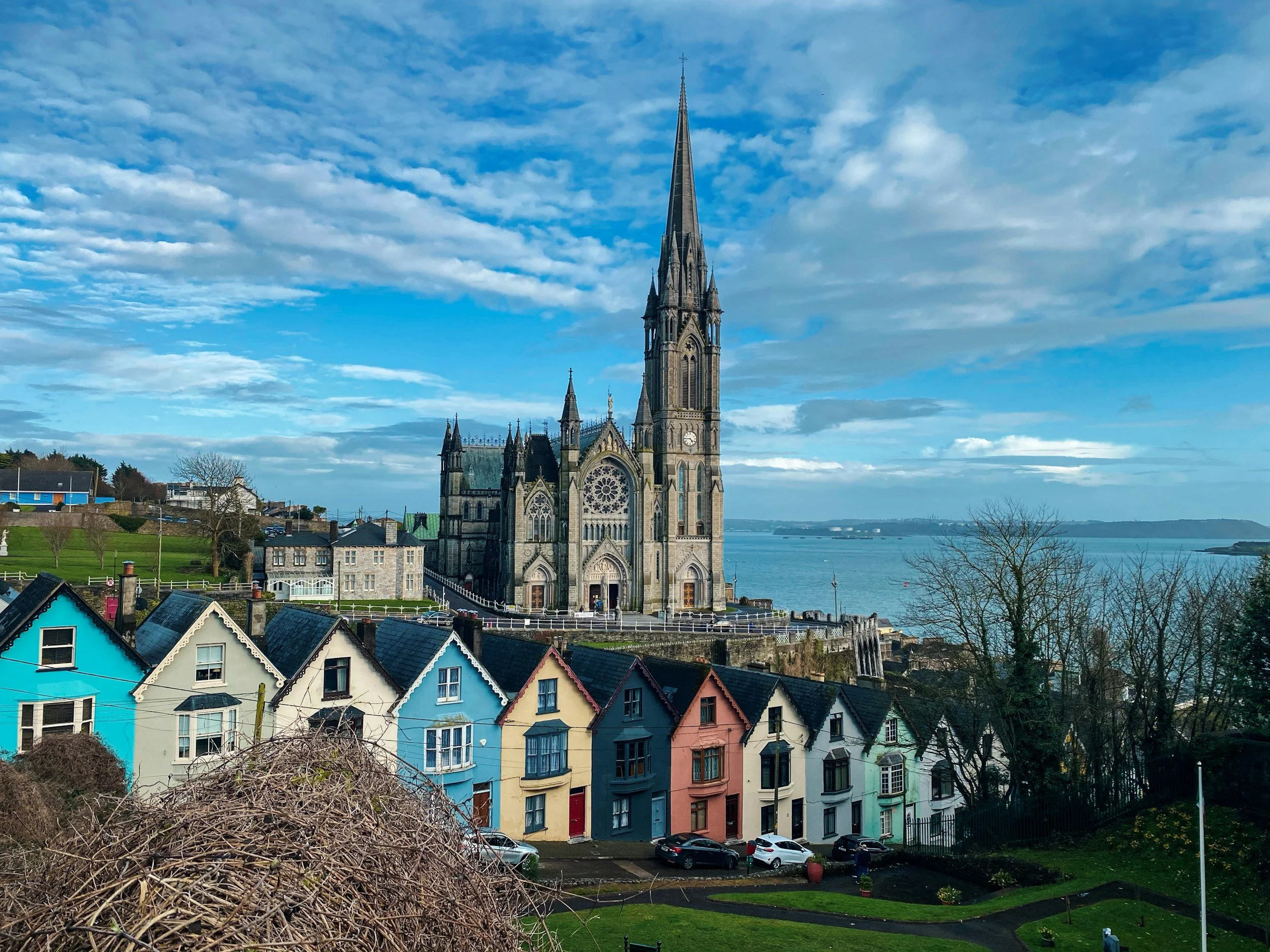
Summer (June–August) is Ireland's warmest season (15–20°C), with longest daylight hours and lowest rainfall, though rain remains possible any day. Spring (April–May) brings mild temperatures (10–16°C), blooming wildflowers, and increasing daylight.
Autumn (September–October) offers pleasant temperatures (12–17°C), golden light, and decreasing rainfall. Winter (November–March) is cool (3–8°C), grey, rainy, and dark with short daylight hours. Rain is possible any month; Ireland's saying goes "you can experience all four seasons in one day."
Prices in Ireland
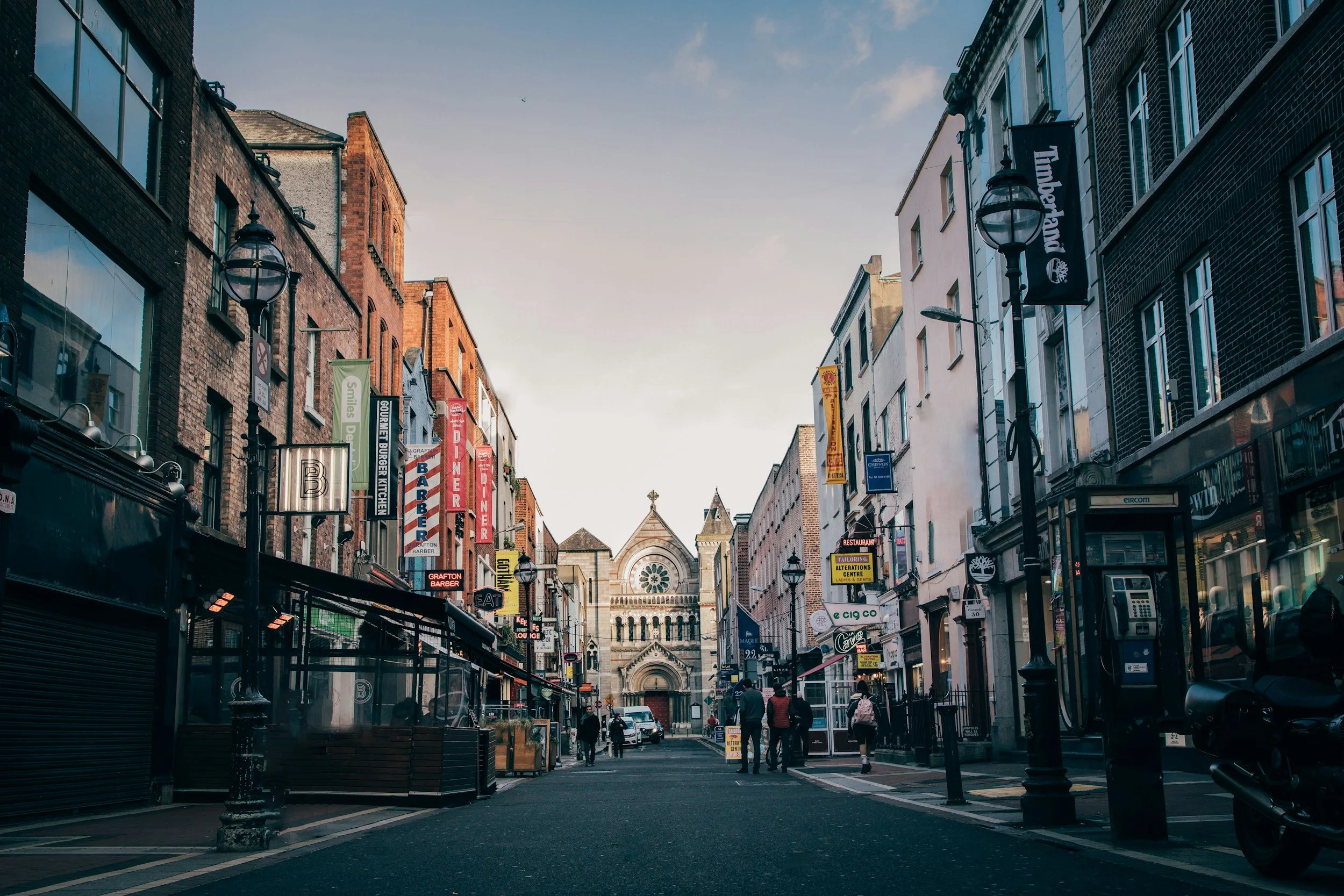
November through March is lower season with cheaper accommodation and restaurants. December and early January holidays push prices up. Flight prices from Australia are fairly stable year-round. For best value, visit late April, May, late September, October, or November outside major holidays.
June through August is peak season with higher accommodation, tour, and activity prices. May and September see moderate pricing with still-good weather. April and October are shoulder seasons with reasonable prices.
Crowds in Ireland
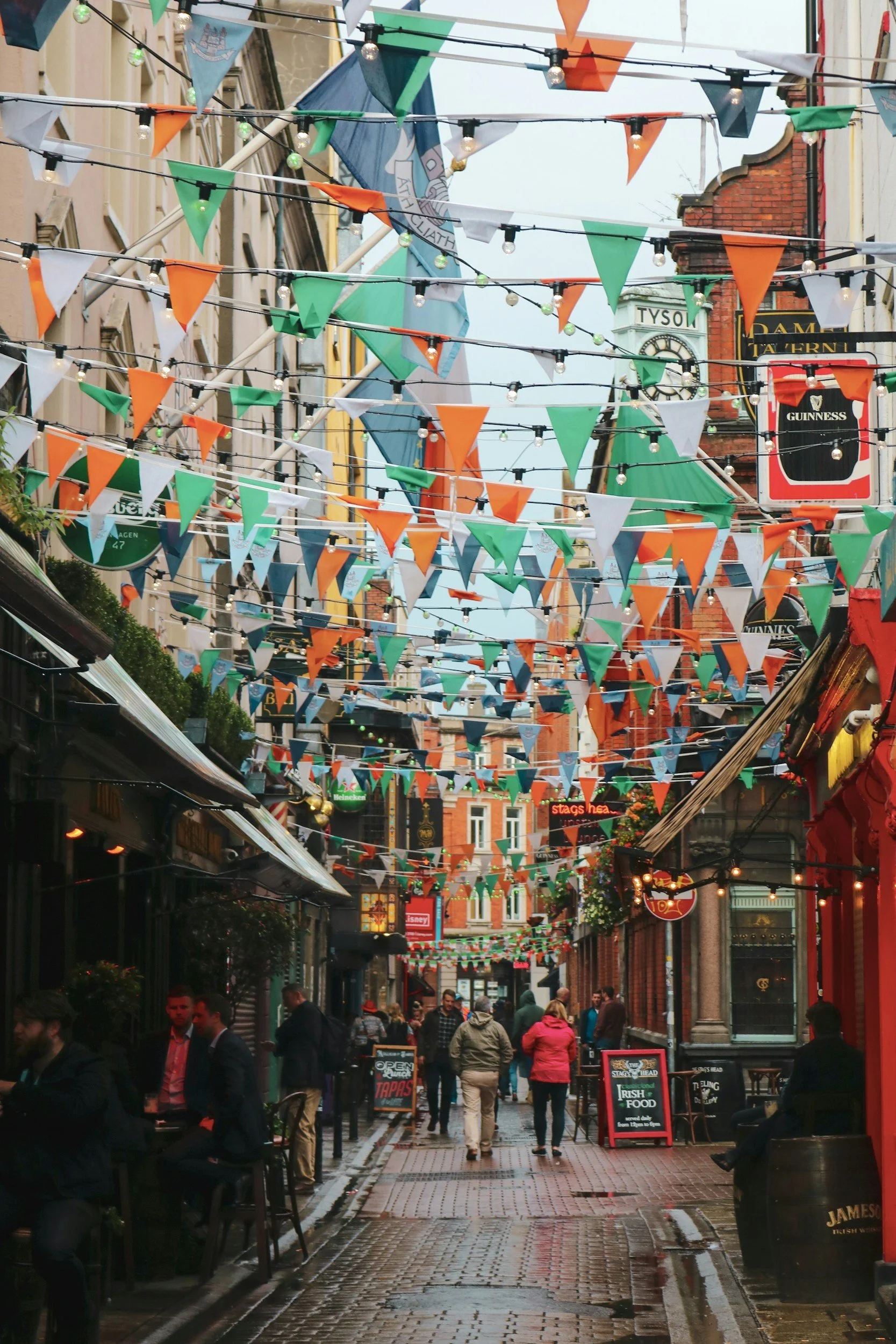
For fewer crowds, visit October–November or January–February. There is the trade-off, though, that you’ll be accepting cooler, greyer weather.
June through August is peak season with high numbers of international tourists. May and September are moderately busy. April and October see fewer international tourists.
Major attractions like the Cliffs of Moher and tourist attractions in Dublin have queues year-round but are shorter outside peak season.
Events and festivals in Ireland
Ireland celebrates cultural, literary, and seasonal festivals throughout the year.
-
When is it? March
National celebration of Irish culture with parades, green decorations, and festivities nationwide.
-
When is it? May
Celtic festival celebrating summer's arrival with performances, parades, and community gatherings.
-
When is it? July
Multi-disciplinary arts festival featuring theatre, comedy, music, and visual arts.
Travelling to Ireland in each season
Ireland's seasons create distinct experiences from spring flowers to summer adventure and cosy winter atmosphere.

Spring
When is it? March to May
Spring brings mild temperatures (10–16°C), blooming wildflowers, longer daylight hours, and baby animals on farms. Crowds are moderate. Prices are reasonable. Bealtaine Festival (May) celebrates summer's arrival. St. Patrick's Day festivities conclude. This is an excellent time for walking, exploring countryside, and enjoying emerging natural beauty.
Summer
When is it? June to August
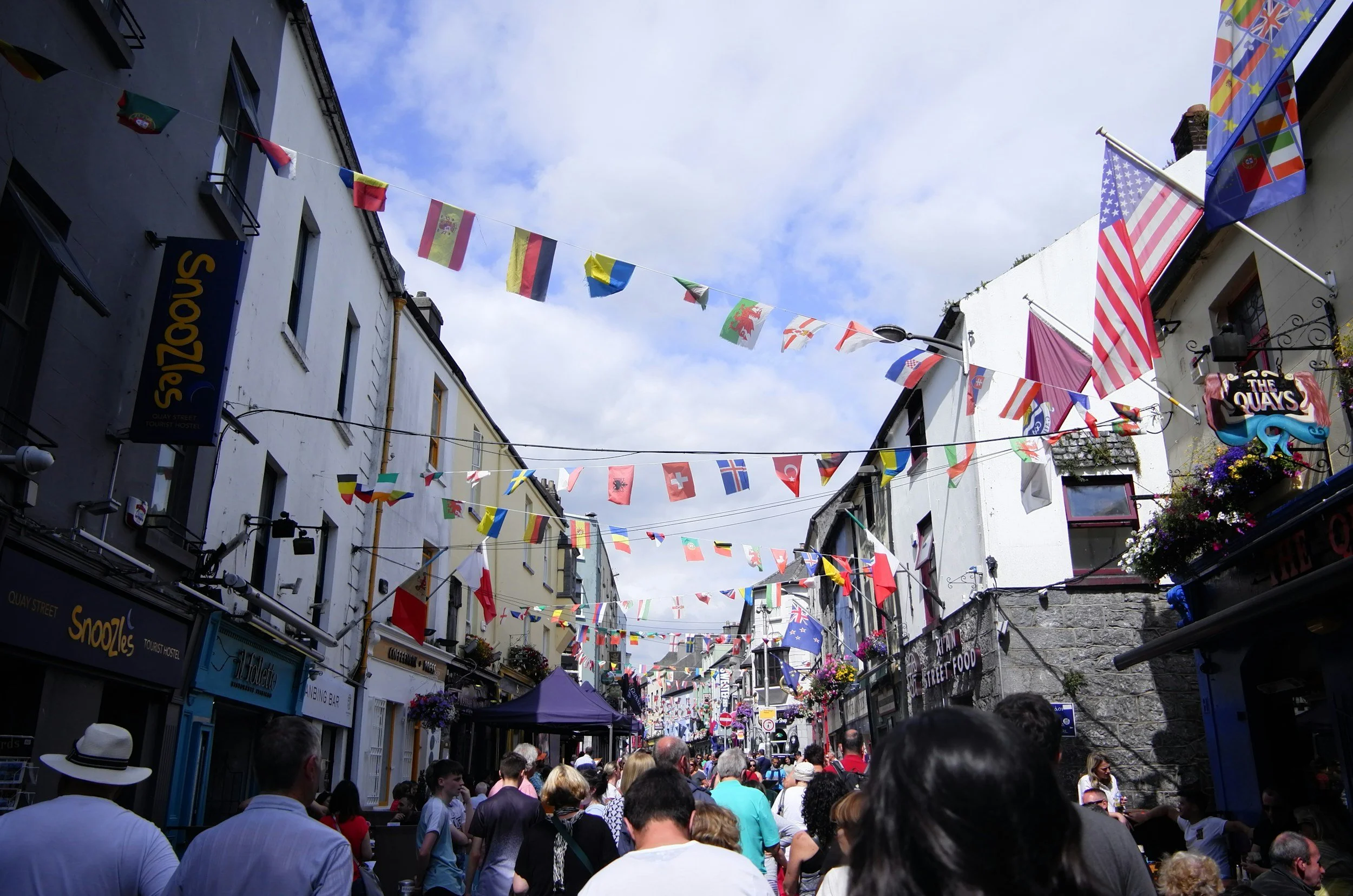
Summer is warmest (15–20°C) with longest daylight extending beyond 9 PM in late June. Crowds are at their peak and prices are highest. Outdoor activities, beach visits, and festivals are abundant. Galway is vibrant with cultural events. This suits those seeking active exploration and willing to accept crowds.
Autumn
When is it? September to November
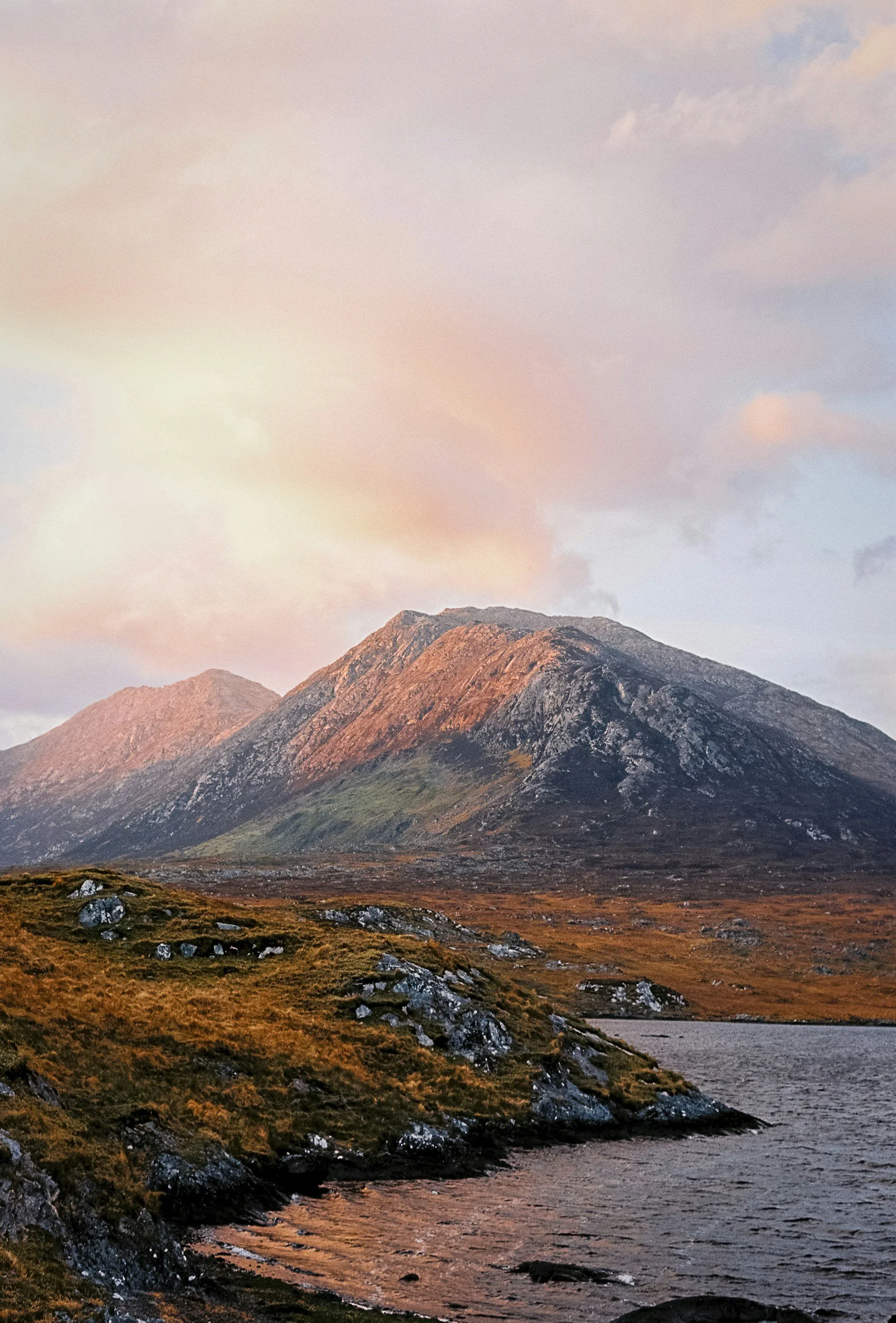
Autumn brings pleasant temperatures (12–17°C), golden light, decreasing crowds, and reasonable prices. Electric Picnic festival (September) celebrates culture and music. Landscapes remain beautiful with autumn colours beginning. This rivals summer for pleasant weather with notably fewer crowds.
Winter
When is it? December to February
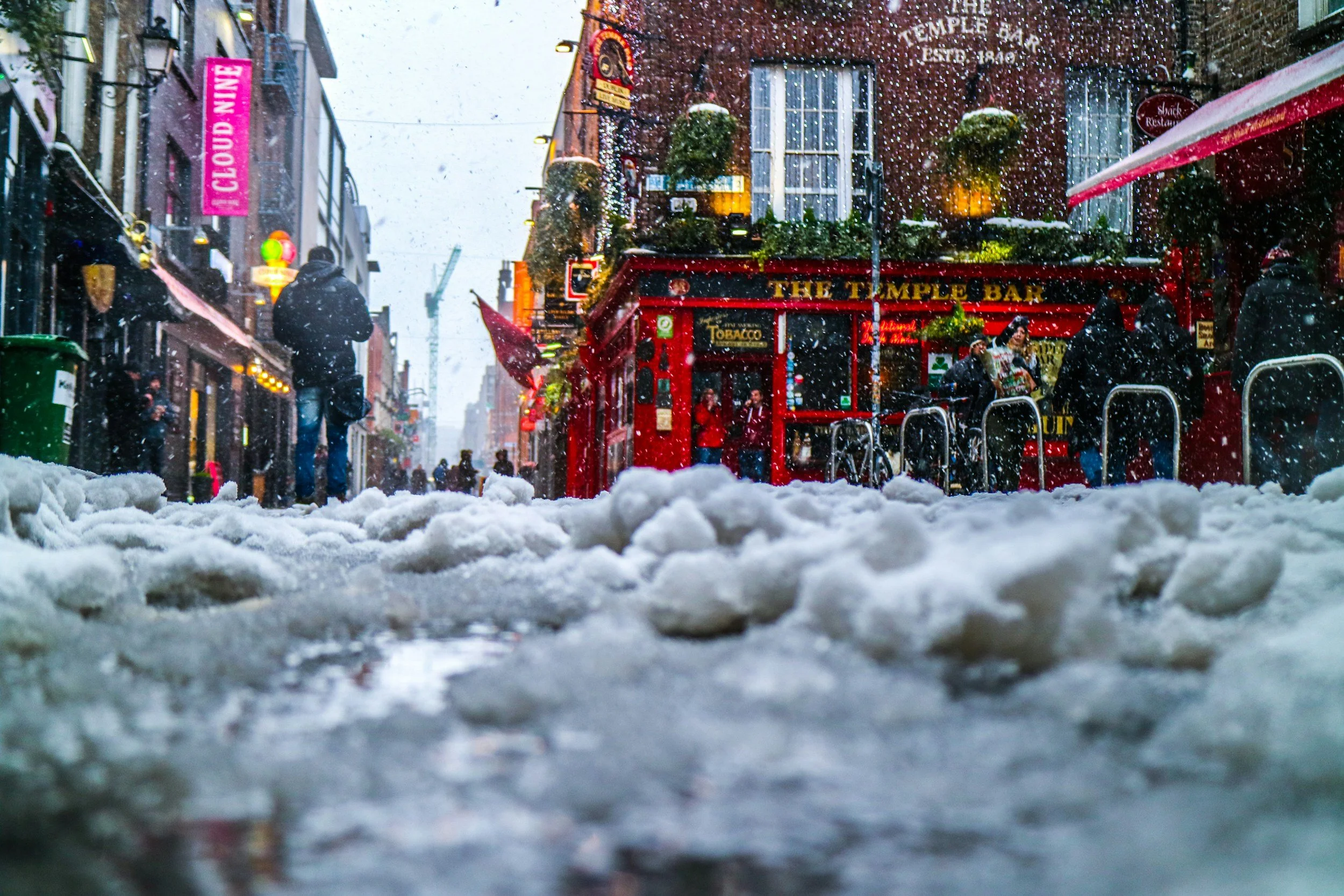
Winter is cool (3–8°C), grey, rainy, and dark with short daylight hours (around 8 hours in December). Crowds are minimal. Prices are lowest. However, many minor attractions have reduced hours or close entirely. Irish pubs create cosy atmosphere. Christmas markets and festive decorations brighten cities. This suits those seeking quiet Ireland and authentic experiences over optimal weather.
Overall, when is the best value time to visit Ireland?
For the best overall value, visit between May and September. You'll enjoy pleasant weather, manageable to good crowds, and reasonable to moderate prices. June through August offers the best weather and longest daylight but highest prices. For excellent value with still-pleasant conditions, visit April–May or September–October, avoiding peak summer crowds and costs. If budget is your priority, visit November or January–February for lower prices, accepting colder, greyer weather and many attractions having reduced hours.
5.8m+
people in Ireland
Country
in Europe