Best time to go to the Blue Mountains
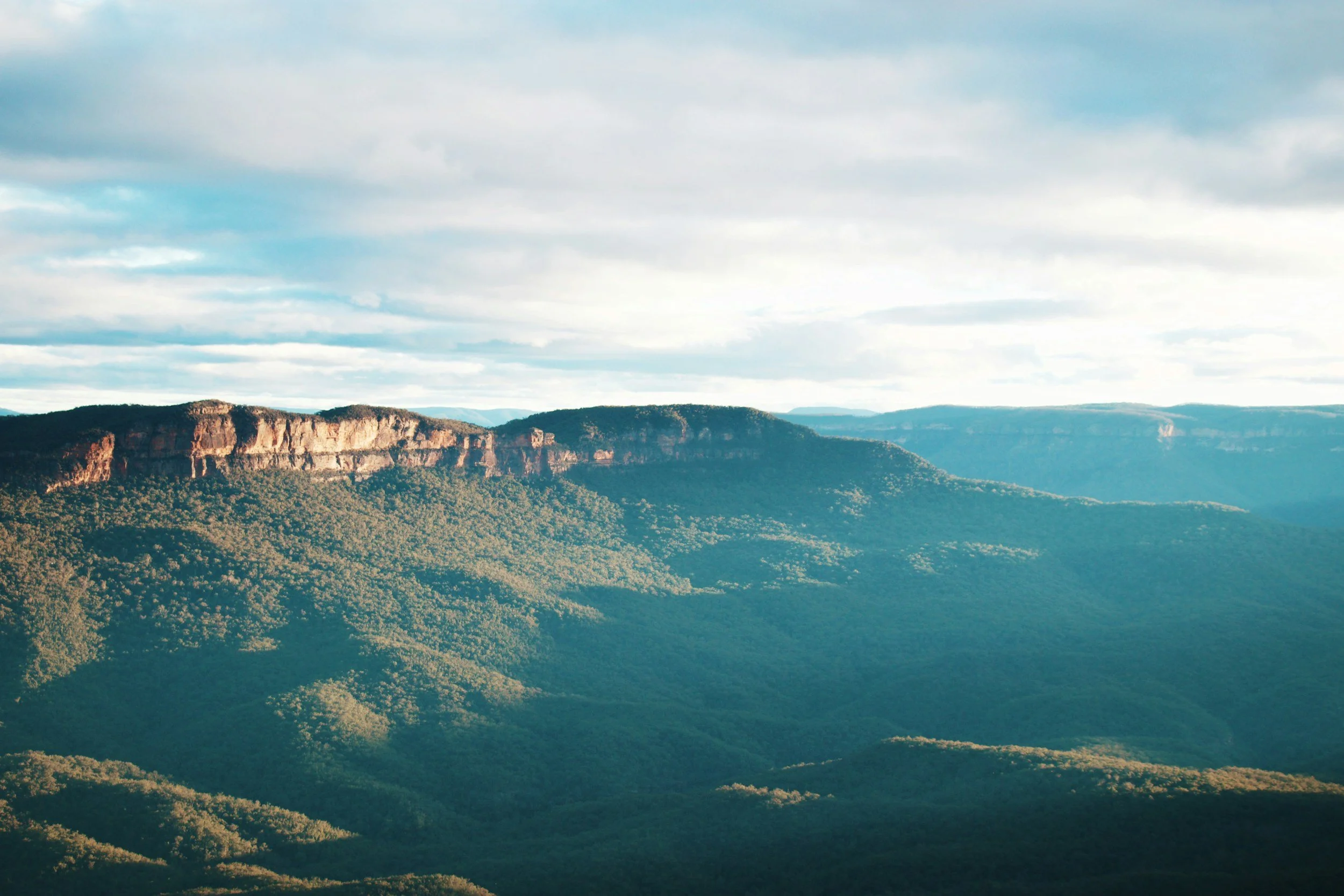
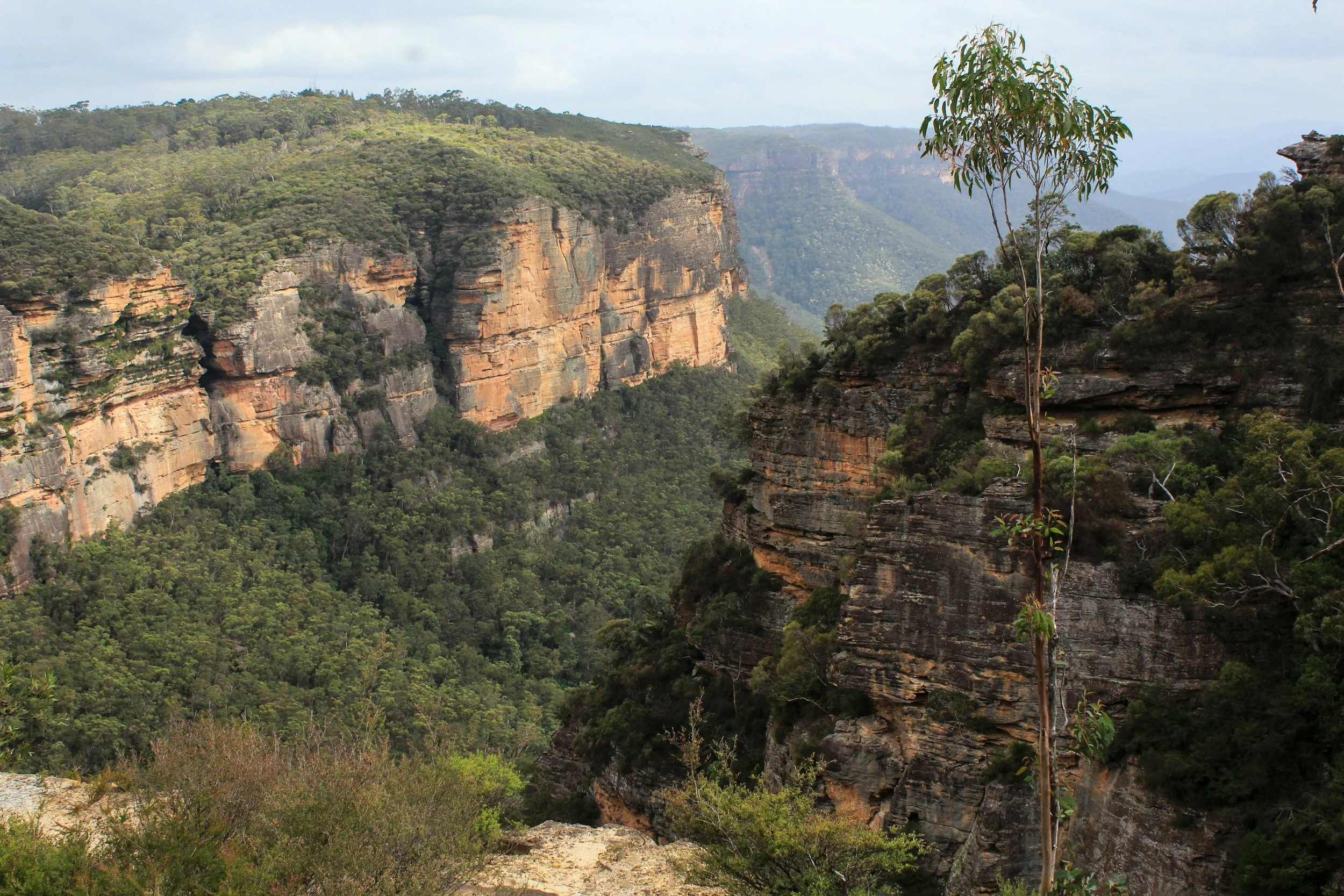
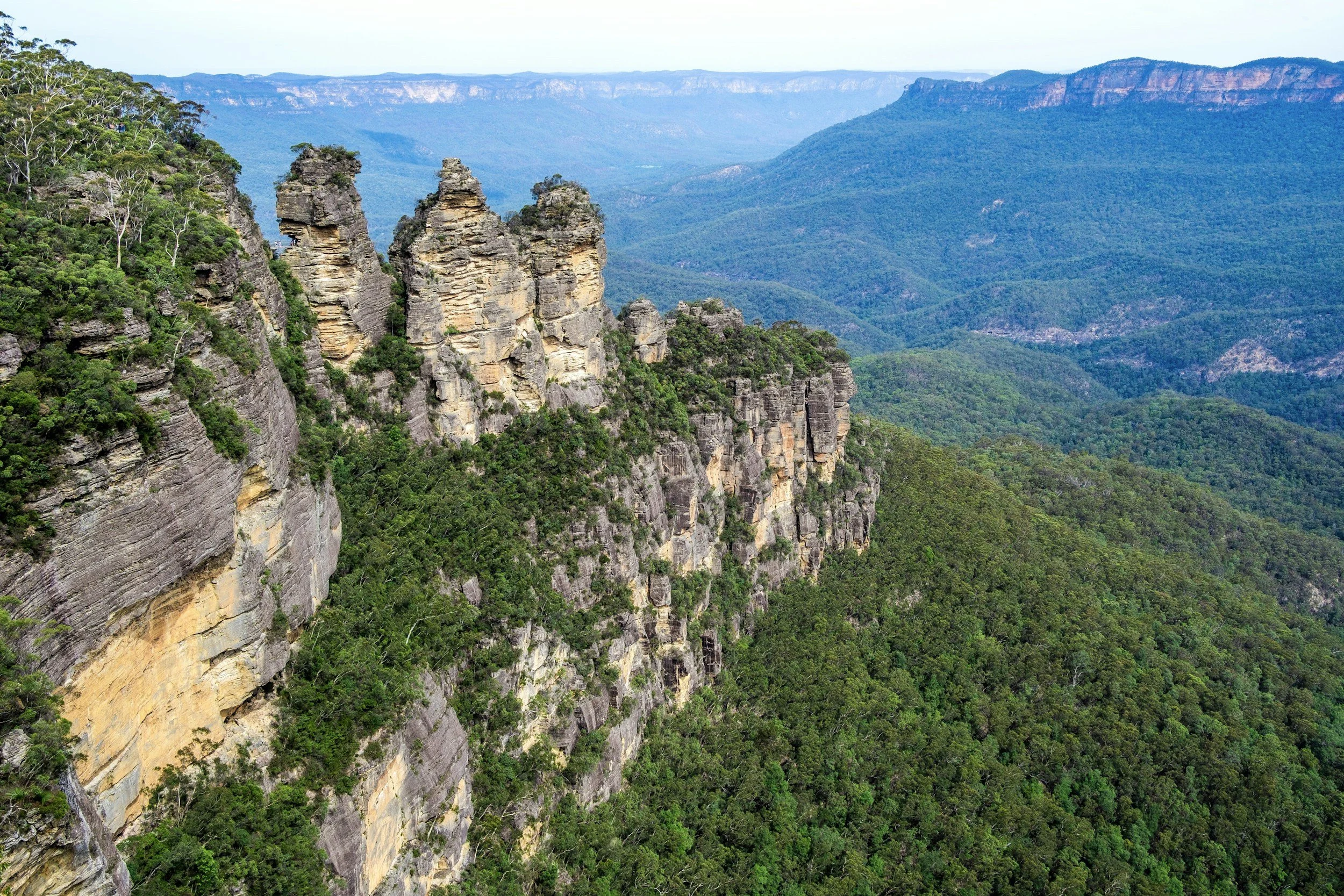
Just a short drive or train ride from Sydney, the Blue Mountains is a breathtaking World Heritage-listed wilderness that offers a complete change of pace and scenery. Famous for its rugged cliffs, eucalyptus forests, and the iconic Three Sisters rock formation, it is a region that rewards visitors regardless of when they arrive. However, the experience shifts dramatically with the seasons—from the misty, log-fire charm of winter to the vibrant wildflower displays of spring. Whether you are an avid hiker, a photography enthusiast, or simply looking for a quiet mountain retreat, choosing the right time can make all the difference to your trip.
TL;DR
When is the best time to visit Sydney?
The best time to visit the Blue Mountains overall is during autumn (March to May) or spring (September to November). Like many other destinations in New South Wales, these shoulder seasons offer the most comfortable temperatures for bushwalking, spectacular clear views, and stunning seasonal displays like autumn foliage or spring blooms.
Weather in the Blue Mountains
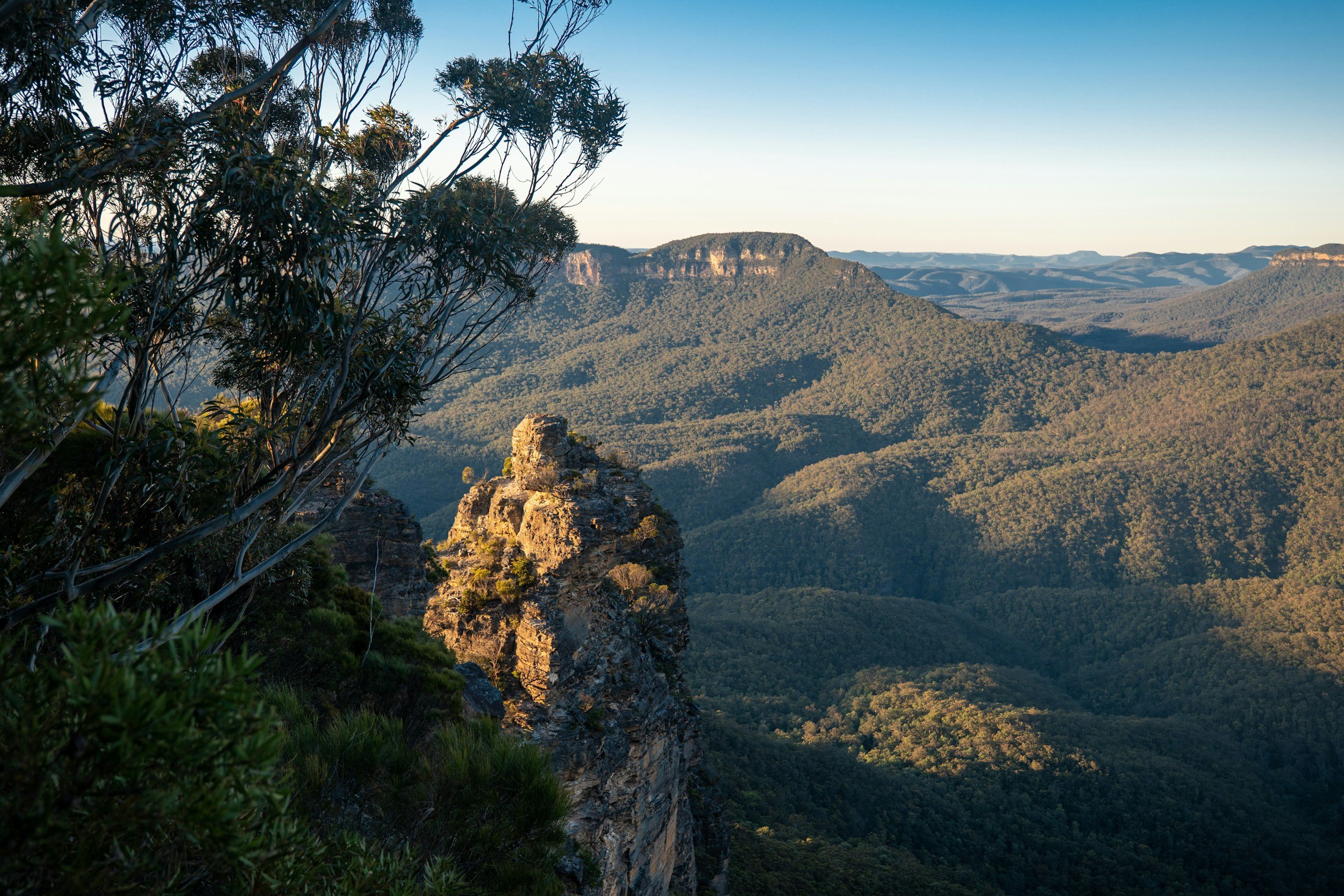
For the best weather, autumn and spring are unbeatable. During these months, you avoid the intense summer heat (which can occasionally soar into the 30s) and the biting winter winds. Autumn provides crisp, stable air that results in excellent visibility at lookouts like Echo Point and Govetts Leap.
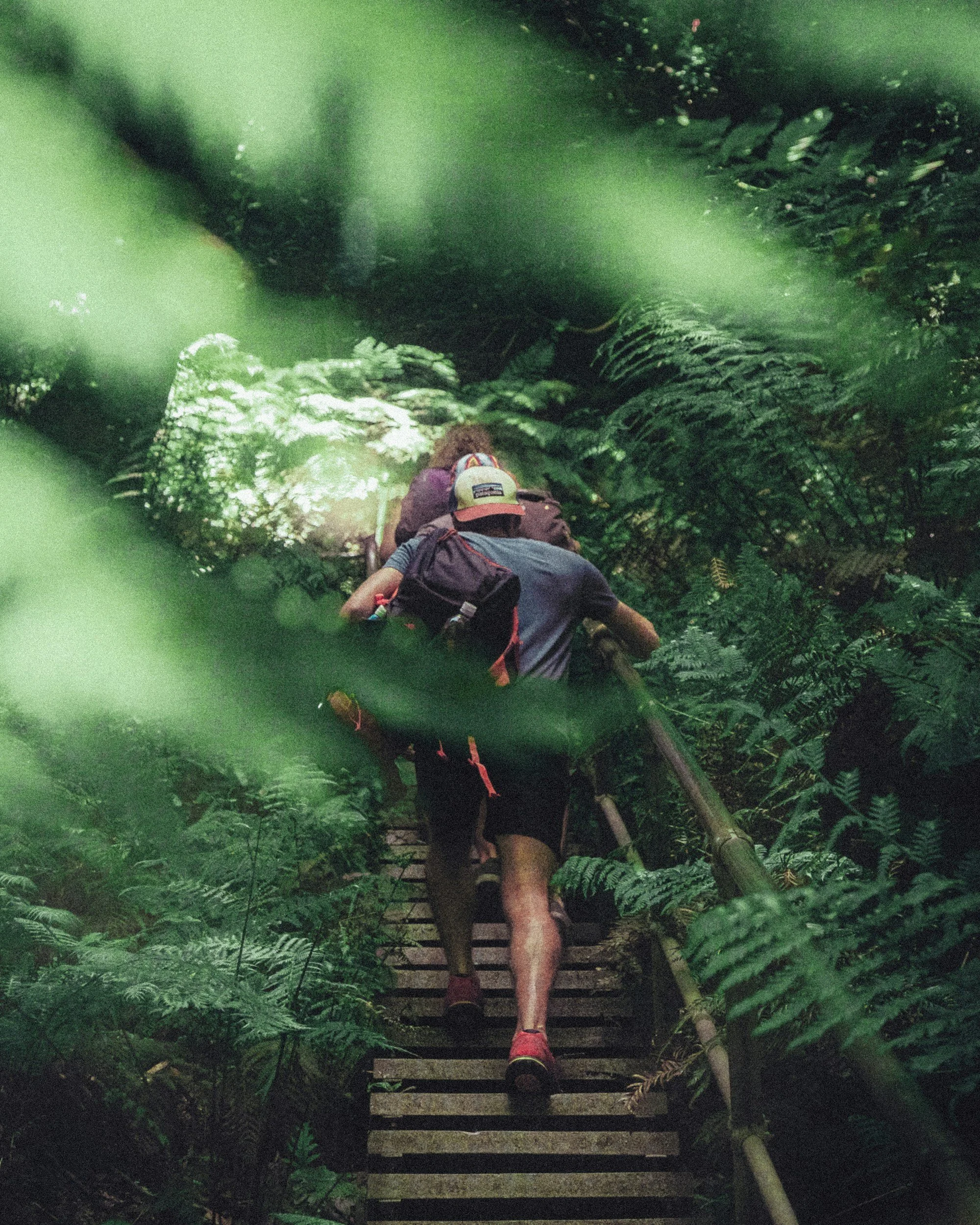
For hikers, the mild daytime temperatures of late spring (October and November) are ideal for tackling longer trails without the risk of overheating. If you enjoy a "true" winter experience, the colder months offer misty mornings and the occasional light dusting of snow, though clear blue skies are still common.
Prices in the Blue Mountains
If you are looking for the most budget-friendly getaway, aim for the winter months (June to August), excluding the June long weekend. While winter is popular for its "Yulefest" Christmas-in-July celebrations, accommodation rates for mid-week stays are often at their lowest as the general tourist volume dips.
Other affordable windows include February and November, which sit just outside the major school holiday peaks. To save on costs, avoid the Easter long weekend and the September school holidays, when prices for both accommodation and local attractions tend to spike due to high demand from families.
Crowds in the Blue Mountains
The Blue Mountains is at its busiest during summer (December and January) and on sunny weekends year-round. Popular spots like Katoomba and Leura can become quite congested, especially when international tour buses arrive from Sydney.
For a peaceful escape, mid-week visits during winter or late autumn are your best bet; you will often find yourself alone on the walking tracks. The September school holidays and the October long weekend are also particularly crowded due to the Leura Gardens Festival, so plan for early starts if you are visiting during these vibrant but busy periods.
Events and festivals in the Blue Mountains
The Blue Mountains hosts a variety of unique community and cultural events that celebrate the region's natural beauty and artistic spirit.
-
When is it? March
A major folk, roots, and blues festival featuring over 100 performances in Katoomba.
-
When is it? June
Based around the winter solstice, Winter Magic Festival sees the main street in Katoomba shut down to traffic and opened up to pedestrians. Plenty of food stalls, markets, performances will be happening all day long.
-
When is it? November
A traditional festival featuring a parade, markets, and spectacular floral displays.
Travelling to the Blue Mountains in each season
Every season in the mountains has its own distinct personality and appeal. Here is a snapshot of what to expect when you travel throughout the year.
Spring
When is it? September to November
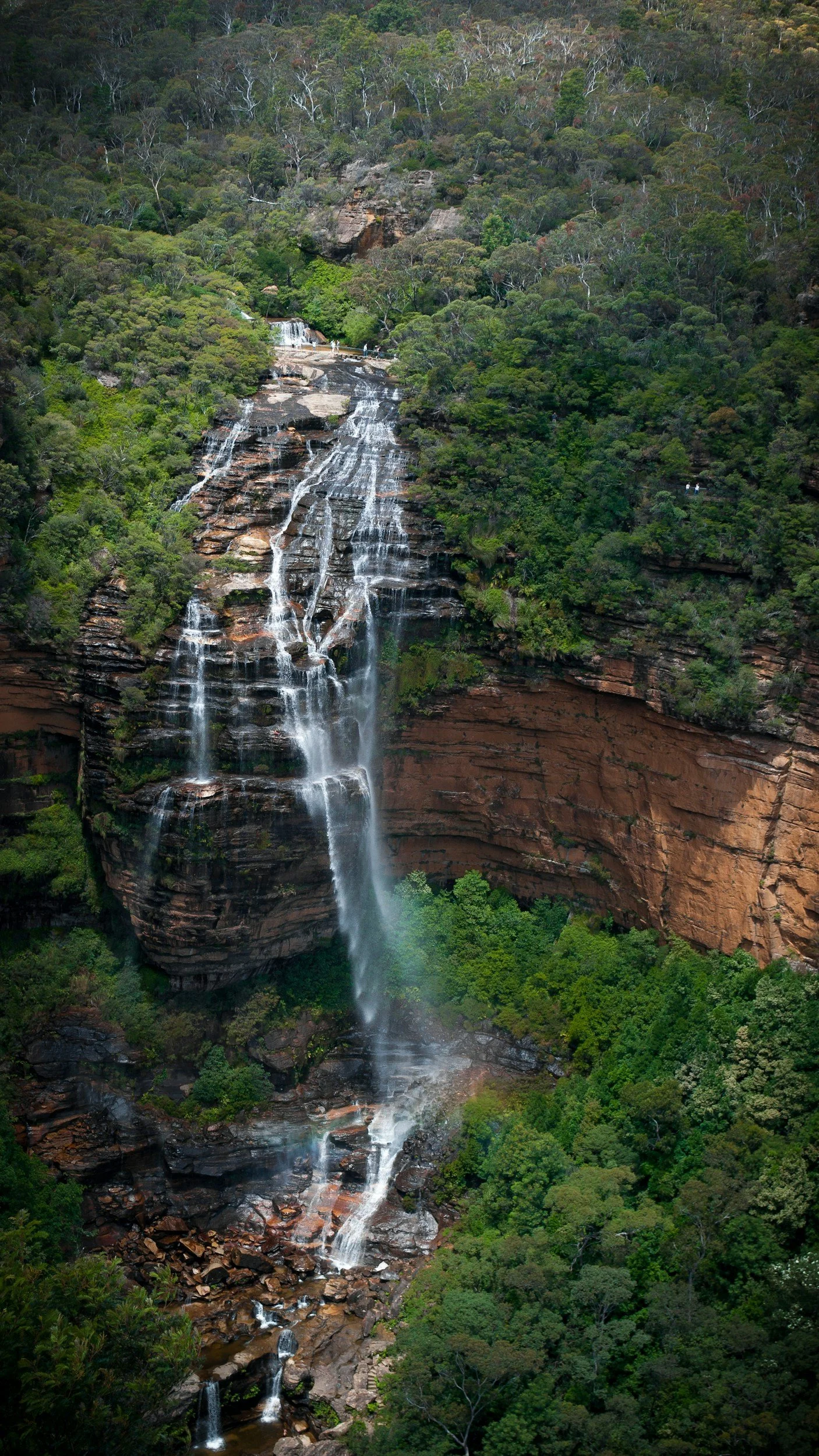
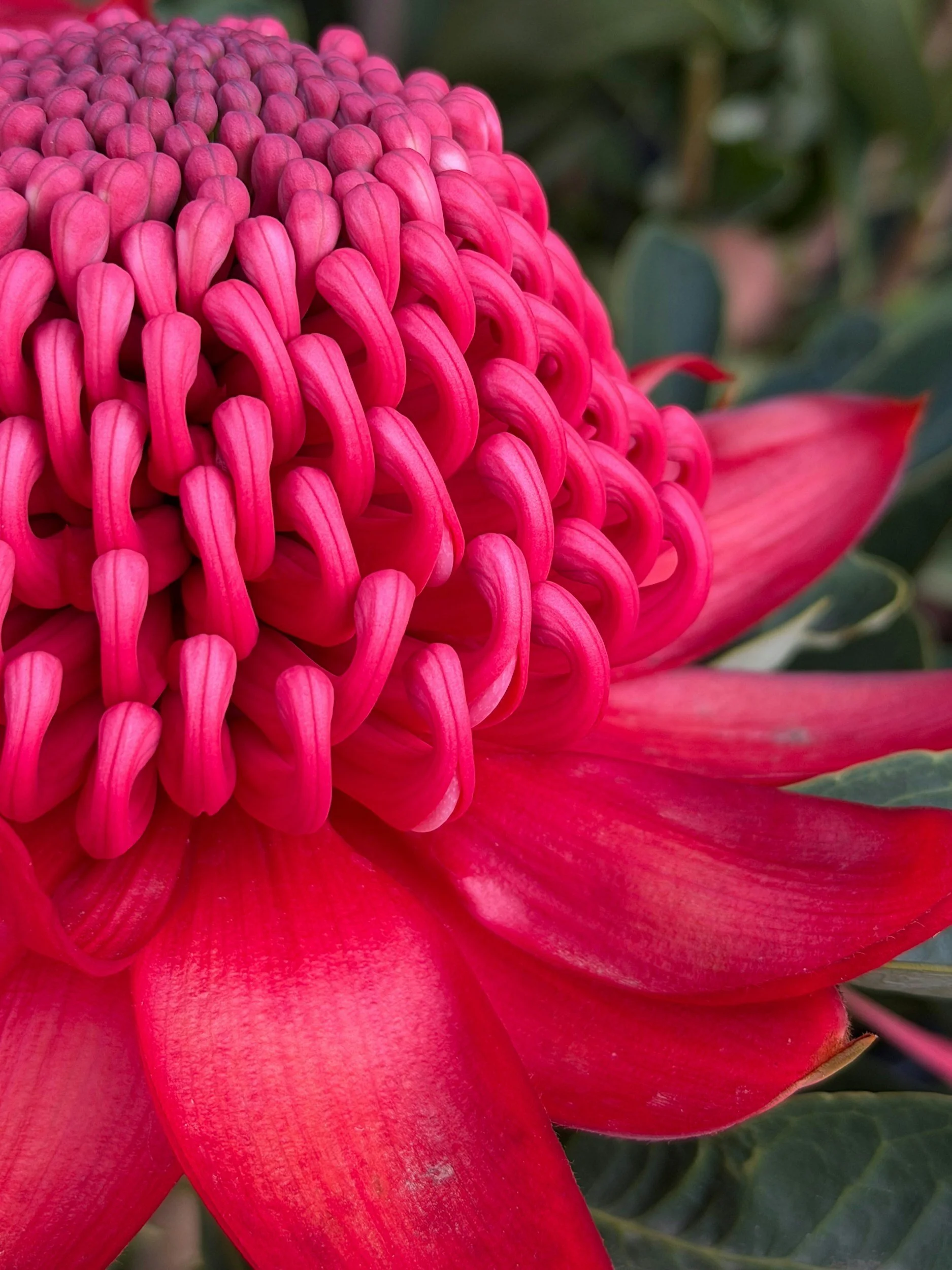
Spring is a season of rejuvenation, featuring blooming waratahs and the famous cherry blossoms in Leura. You can expect mild weather and moderate crowds, though October is particularly busy due to the garden festivals. It is the best time for photography as the waterfalls are often flowing well and the bushland is at its greenest.
Summer
When is it? December to February
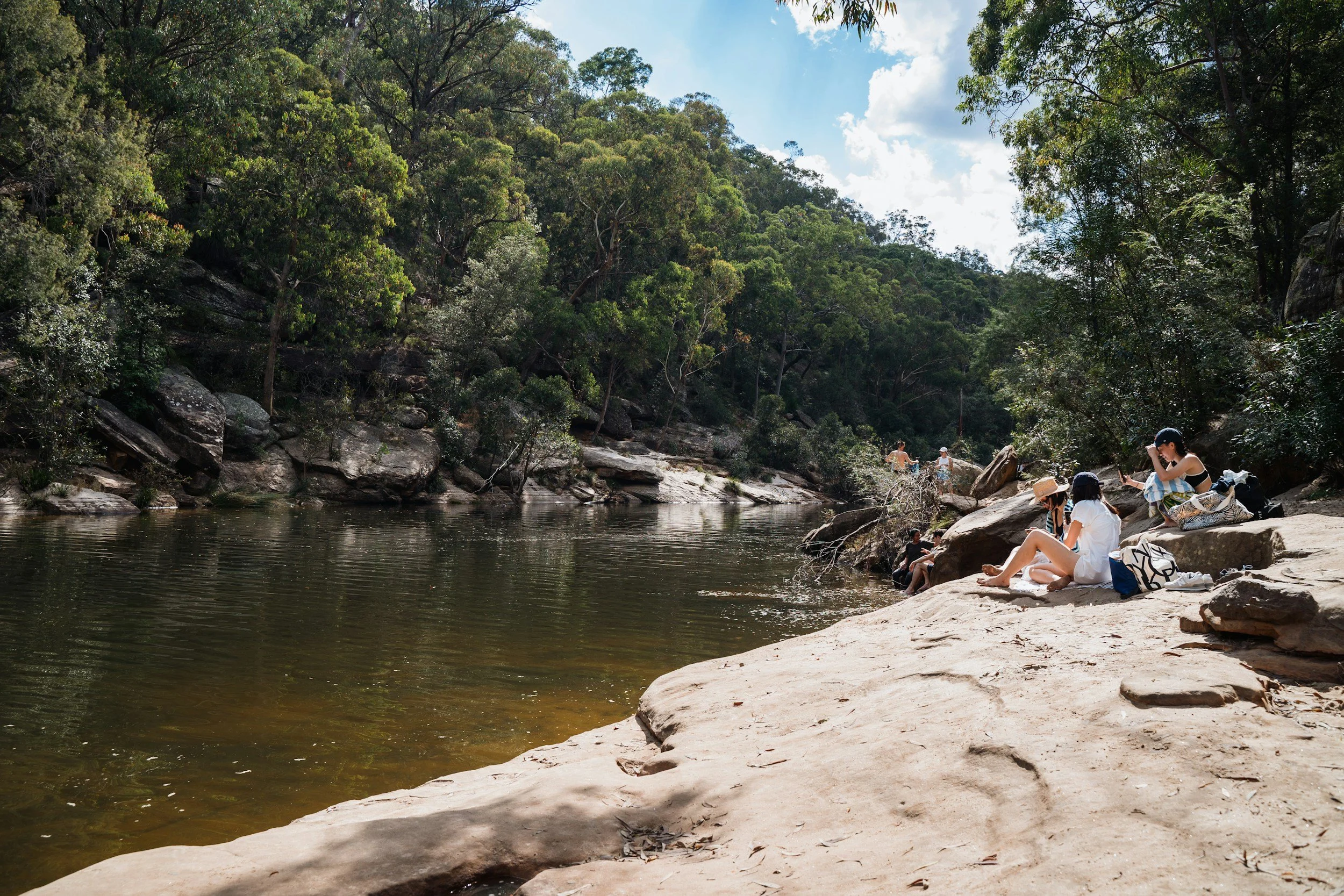
Summer offers warm days that are perfect for exploring shaded rainforest gullies and swimming holes. While it is the busiest and most expensive time of year, the mountain air remains noticeably cooler and less humid than in Sydney. Late afternoon thunderstorms are common, which provide a spectacular and cooling end to the day.
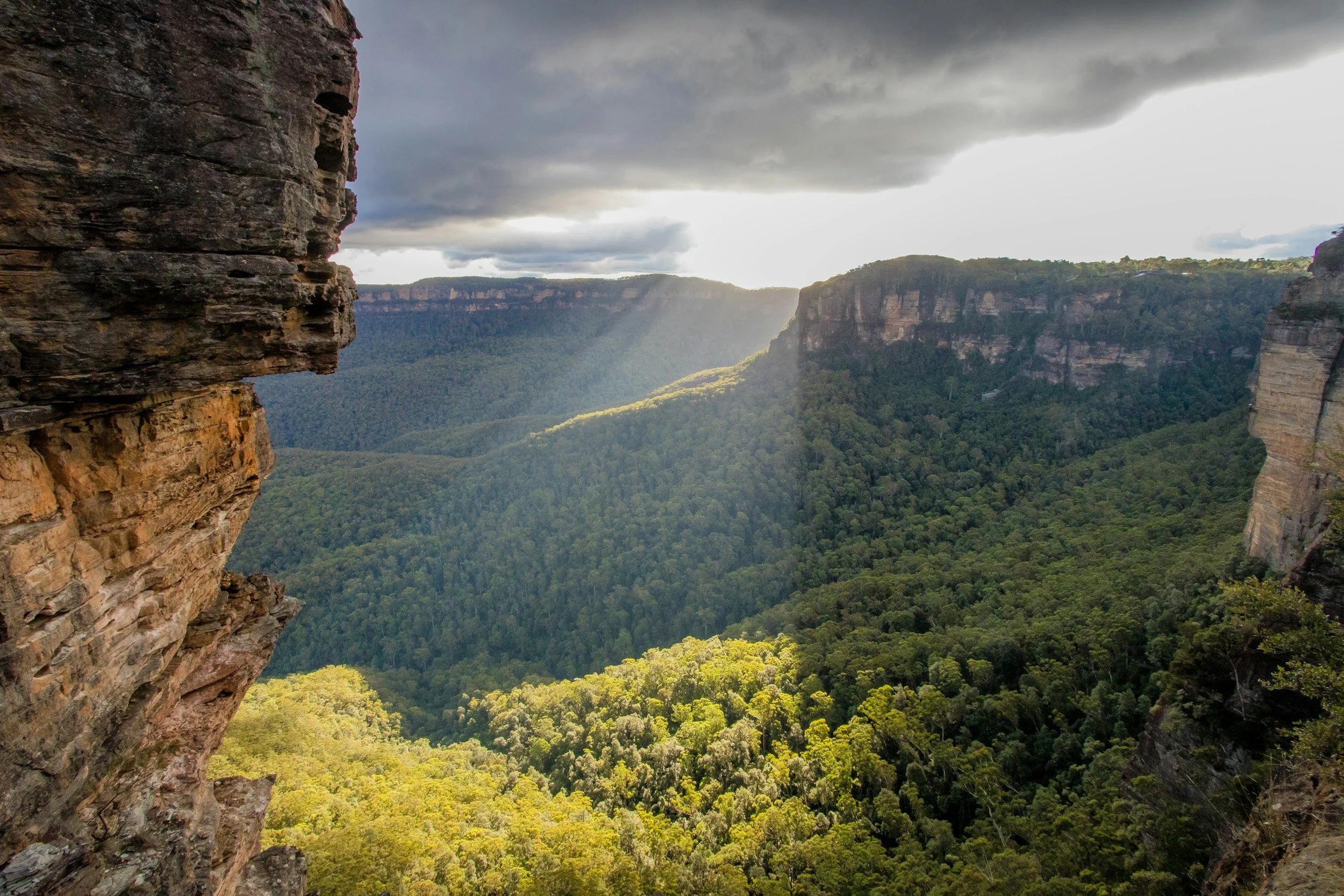
Autumn
When is it? March to May
Autumn is perhaps the most picturesque season, as the deciduous trees in villages like Mount Wilson and Blackheath turn vibrant shades of orange and gold. The air is crisp and clear, providing the best visibility for sightseeing, and the crowds are generally thinner than in mid-summer. It is the premier season for bushwalking and scenic drives.
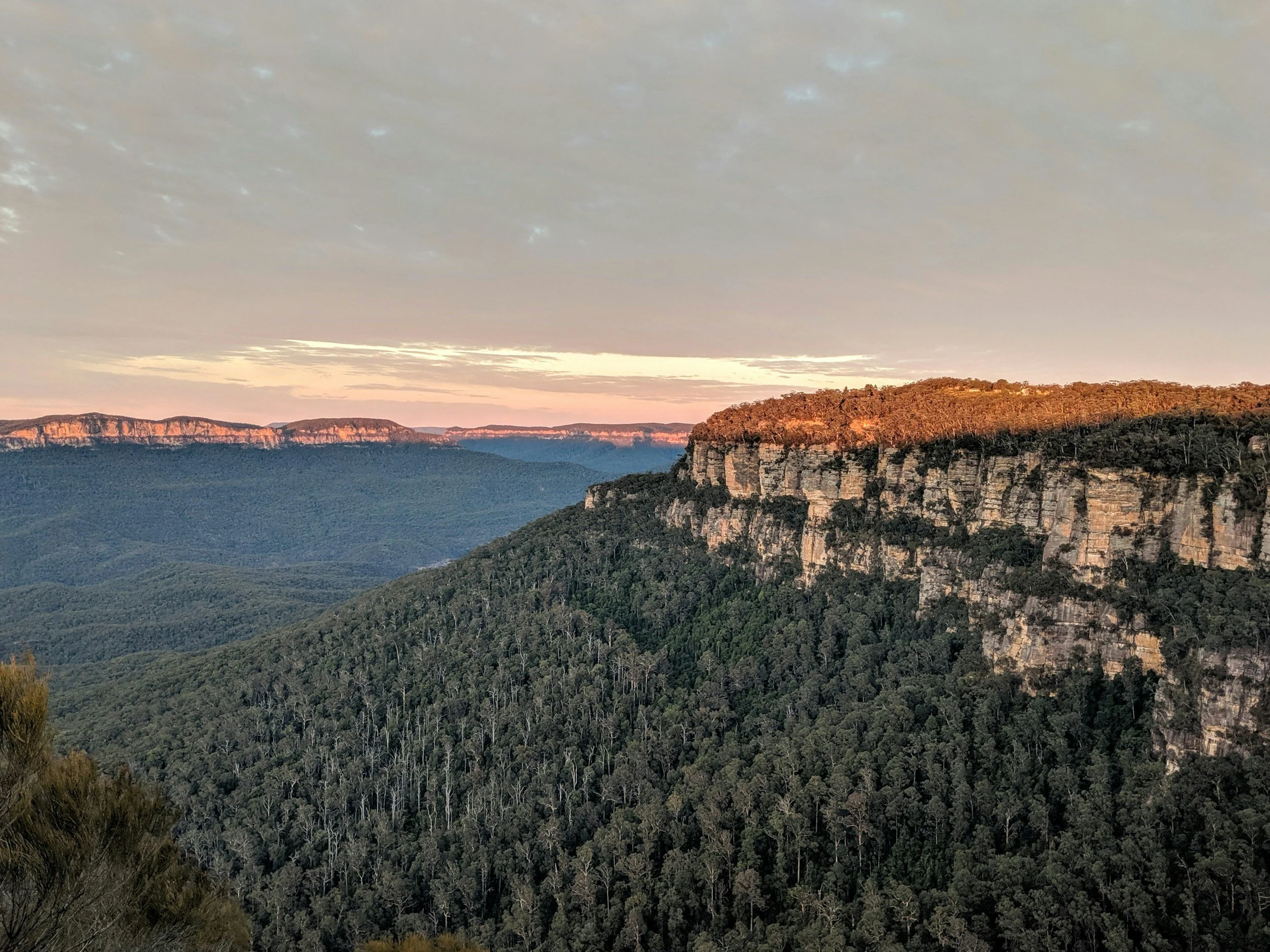
Winter
When is it? June to August
Winter is the time for "mountain magic," with misty valleys, frosty mornings, and the smell of woodsmoke in the air. While it is the coldest time to visit, it is also the most romantic, featuring cosy "Yulefest" dinners and affordable mid-week accommodation deals. It is a quiet season for hikers who enjoy the challenge of a brisk, chilly trail.
Overall, when is the best value time to visit the Blue Mountains?
For the ultimate balance of experience and value, the best time to visit the Blue Mountains is May. By late autumn, the spectacular display of turning leaves is in full swing, yet the heavy crowds of the Easter holidays have dissipated. The weather is crisp and clear—ideal for those iconic panoramic shots of the Three Sisters—without the freezing temperatures that arrive in June and July.
Because May falls in a "shoulder" period, you can often find competitive rates on luxury cottages and boutique hotels that are otherwise booked out or overpriced in summer. You get the premium experience of the mountains—including clear views, perfect hiking conditions, and the charm of autumn foliage—at a much more reasonable price point. Choosing a mid-week stay in May ensures you have the lookouts and trails largely to yourself, providing the true, tranquil mountain escape you are looking for.
75k+
people in the
Blue Mountains
Region
of New South Wales