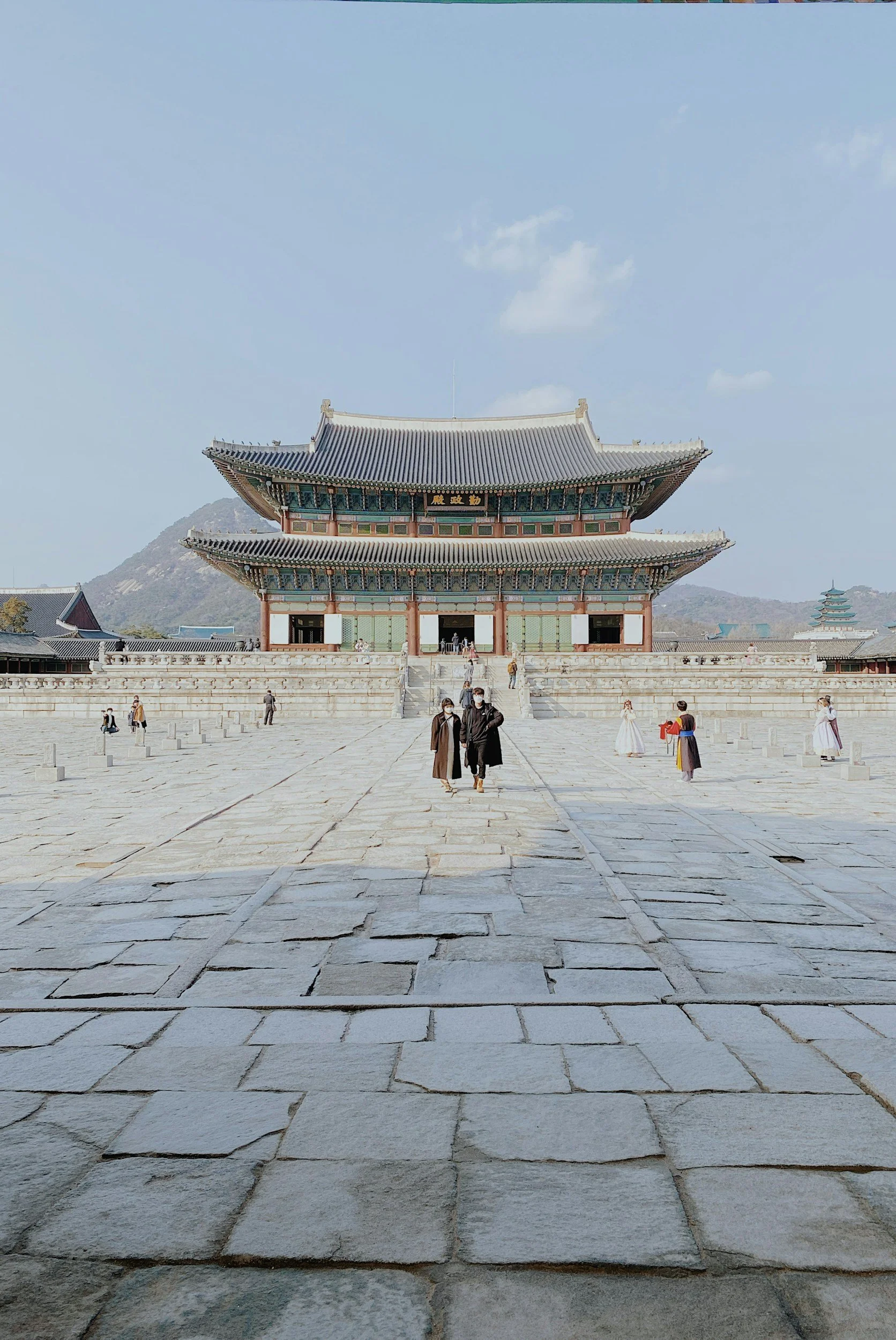
Best time to go to South Korea
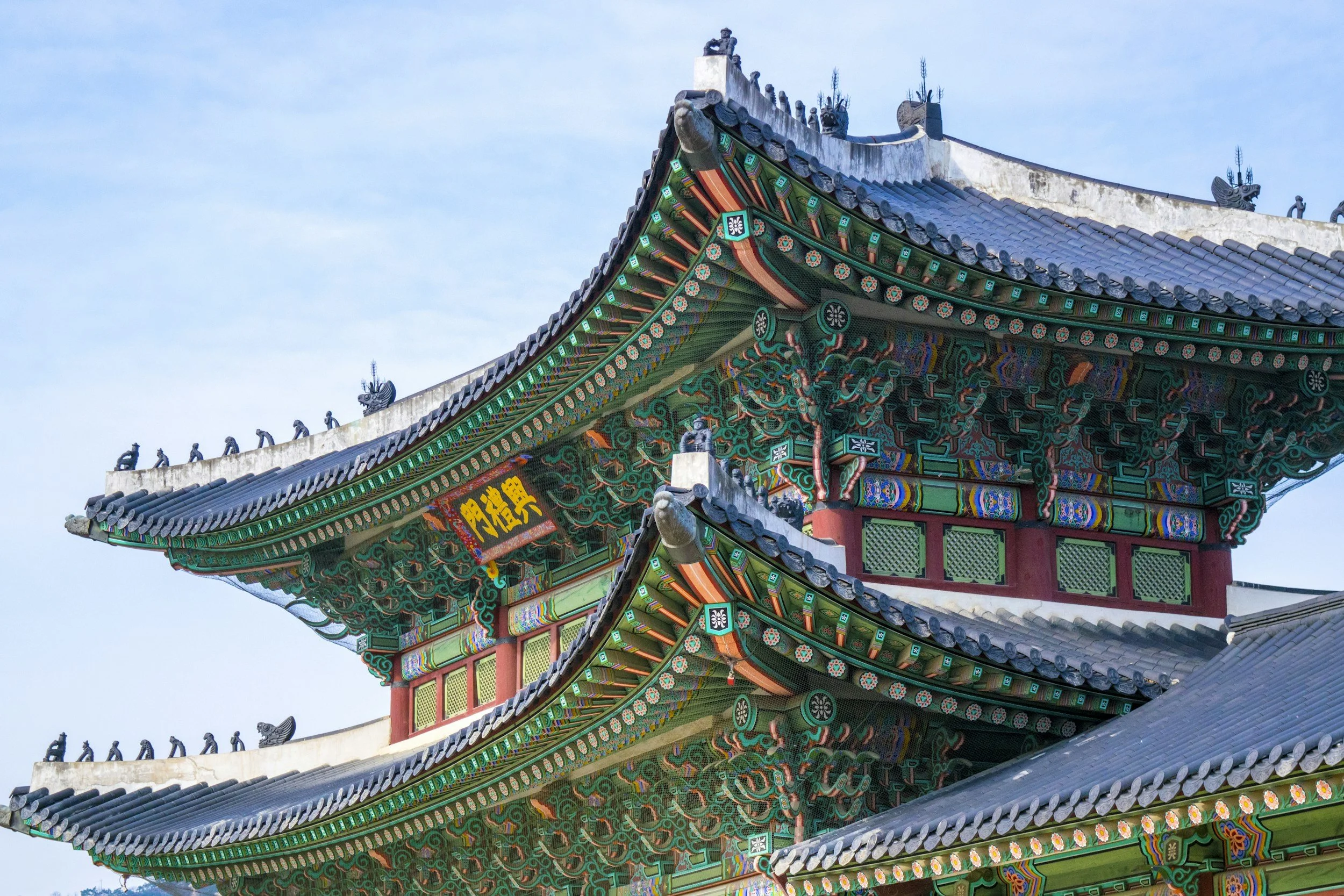
South Korea captivates visitors with its blend of cutting-edge modernity and deep traditions, from Seoul's dynamic energy to rural temples and mountain hiking trails. The country offers exceptional cuisine, entertainment, shopping, and cultural experiences. The climate is temperate with four distinct seasons, each bringing different appeal. Spring (March–May) and autumn (September–November) are widely considered the best times to visit, with pleasant temperatures and stunning landscapes. However, summer offers beach experiences and festivals, while winter attracts snow enthusiasts and celebrates Christmas and New Year festivities in festive cities.
TL;DR
When is the best time to visit South Korea?
Visit South Korea between September and November or March and May for ideal weather, comfortable exploration, and vibrant natural landscapes.
Weather in South Korea
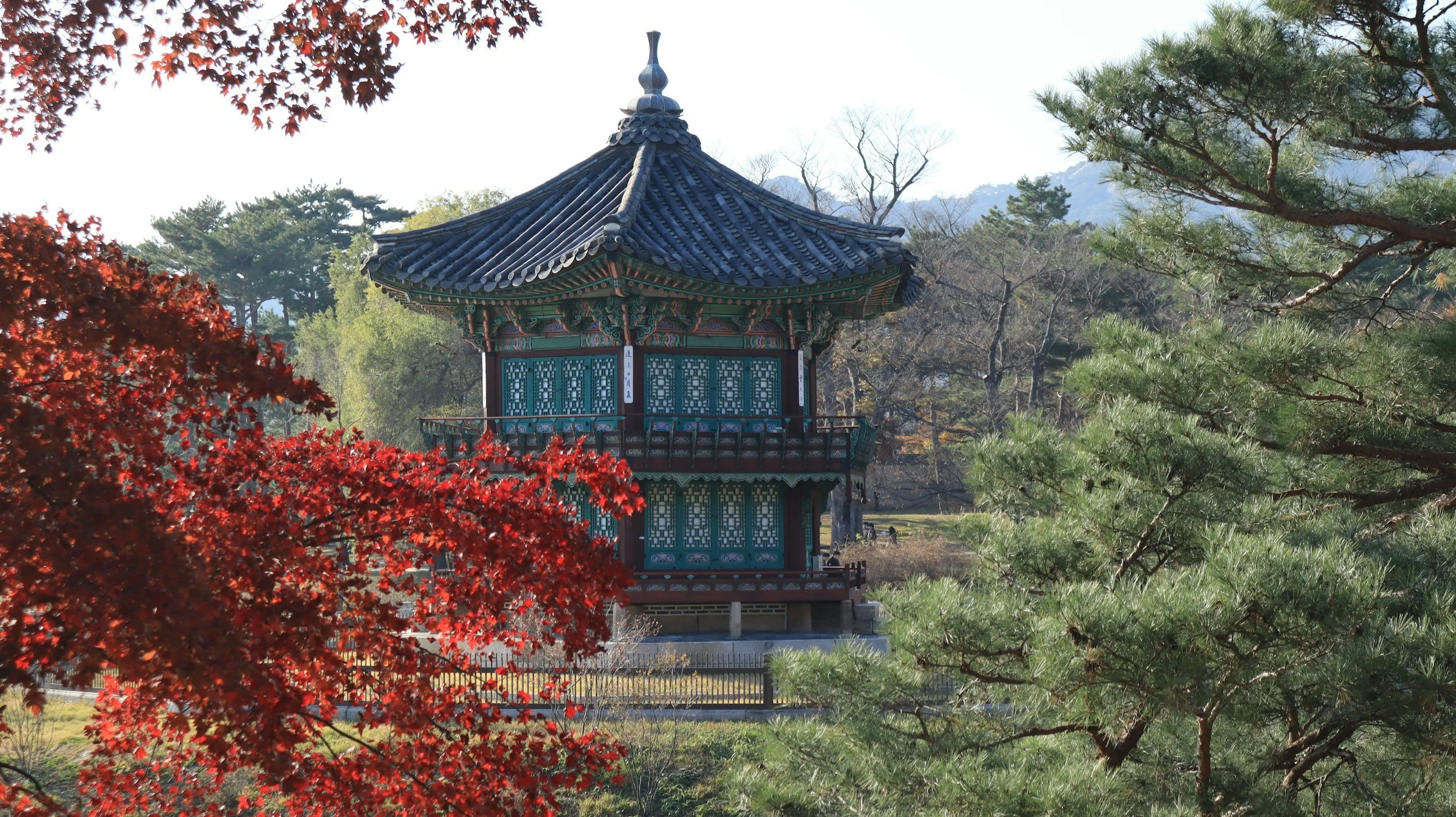
Spring (March–May) and autumn (September–November) are South Korea's most pleasant seasons, with temperatures around 15–25°C and beautiful landscapes (cherry blossoms in spring, autumn foliage in fall). Summer (June–August) is warm (25–32°C), humid, and occasionally rainy during monsoon season (June–July), though it's brief.
Winter (December–February) is cold (0–10°C) with occasional snow, particularly in northern regions and mountain areas. For comfortable sightseeing and hiking, spring and autumn are best. Summer offers water activities and festivals despite humidity. Winter is ideal for snow sports and festive holiday celebrations.
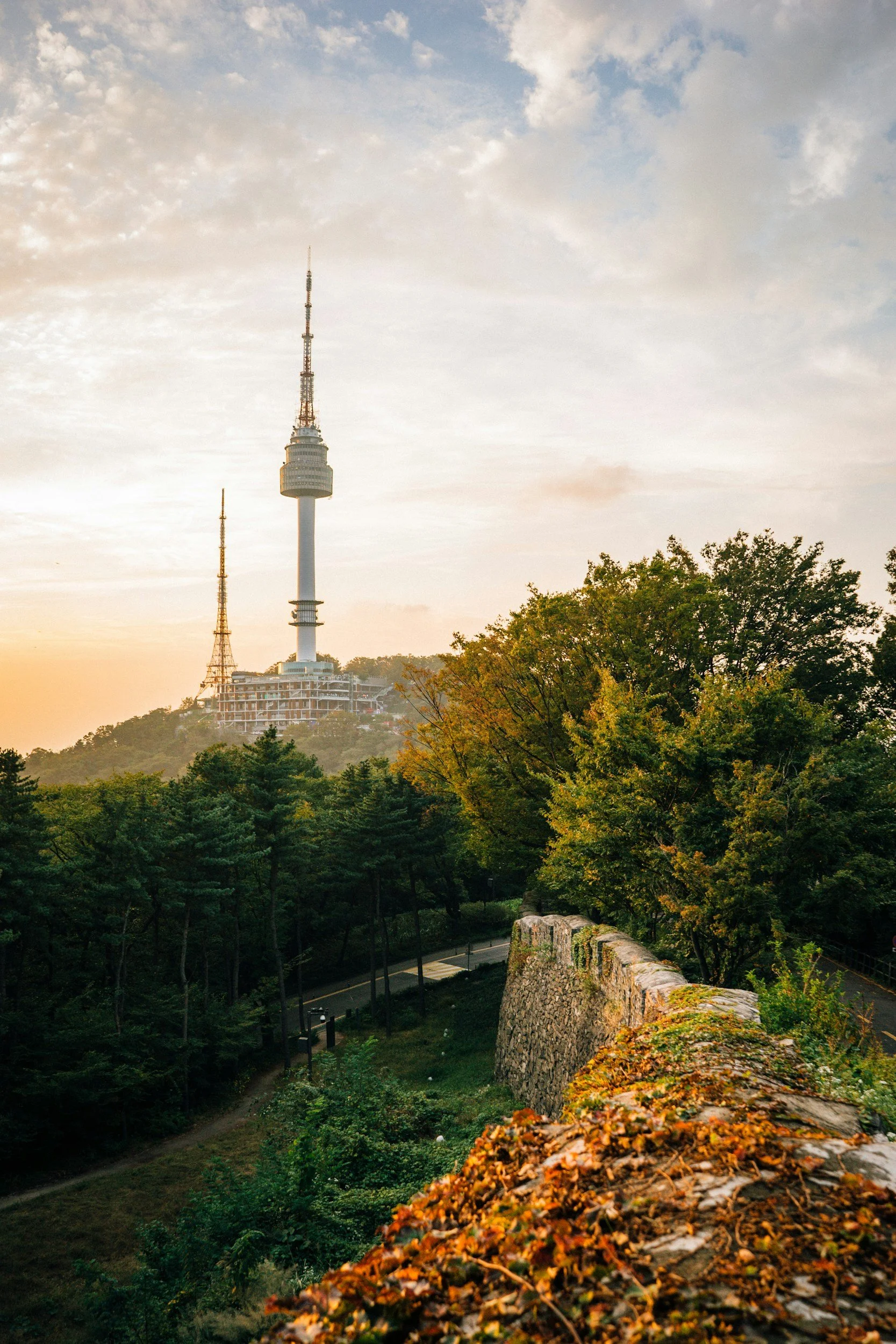
Prices in South Korea
December through February brings the most moderate pricing outside of the major holidays; Christmas and New Year bring crowds and higher prices, while February is quieter. Flight prices from Australia are fairly stable year-round. For best value, visit in late March, April, or late October, November outside peak holiday periods.
September through November and March through May are moderate to high season with reasonable accommodation and activity prices, particularly outside specific holidays. June through August sees higher prices during summer holidays despite some rainfall.
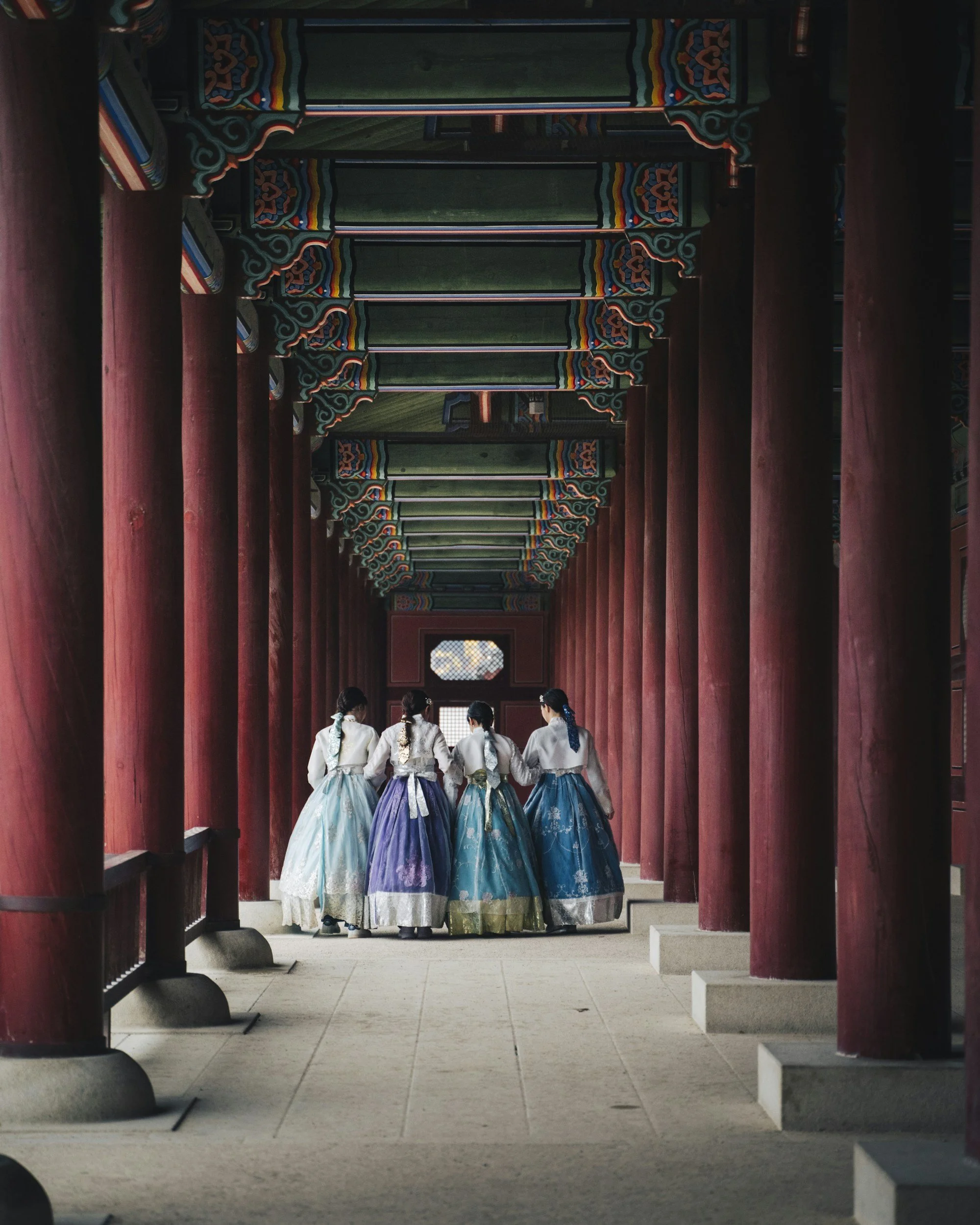
Crowds in South Korea
December through February bring the most moderate pricing outside major holidays; Christmas and New Year bring crowds and higher prices, while February is quieter, but also has Lunar New Year (unless it falls in January). Flight prices to South Korea from Australia are fairly stable year-round. For best value, visit in late March, April, or late October, November outside peak holiday periods.
September through November and March through May are moderate to high season with reasonable accommodation and activity prices, particularly outside specific holidays. June through August sees higher prices during summer holidays despite some rainfall.
Events and festivals in South Korea
South Korea celebrates seasonal festivals, cultural events, and modern entertainment throughout the year.
-
When is it? January or February
Major holiday with family celebrations, temple visits, and special foods across South Korea.
-
When is it? March-April
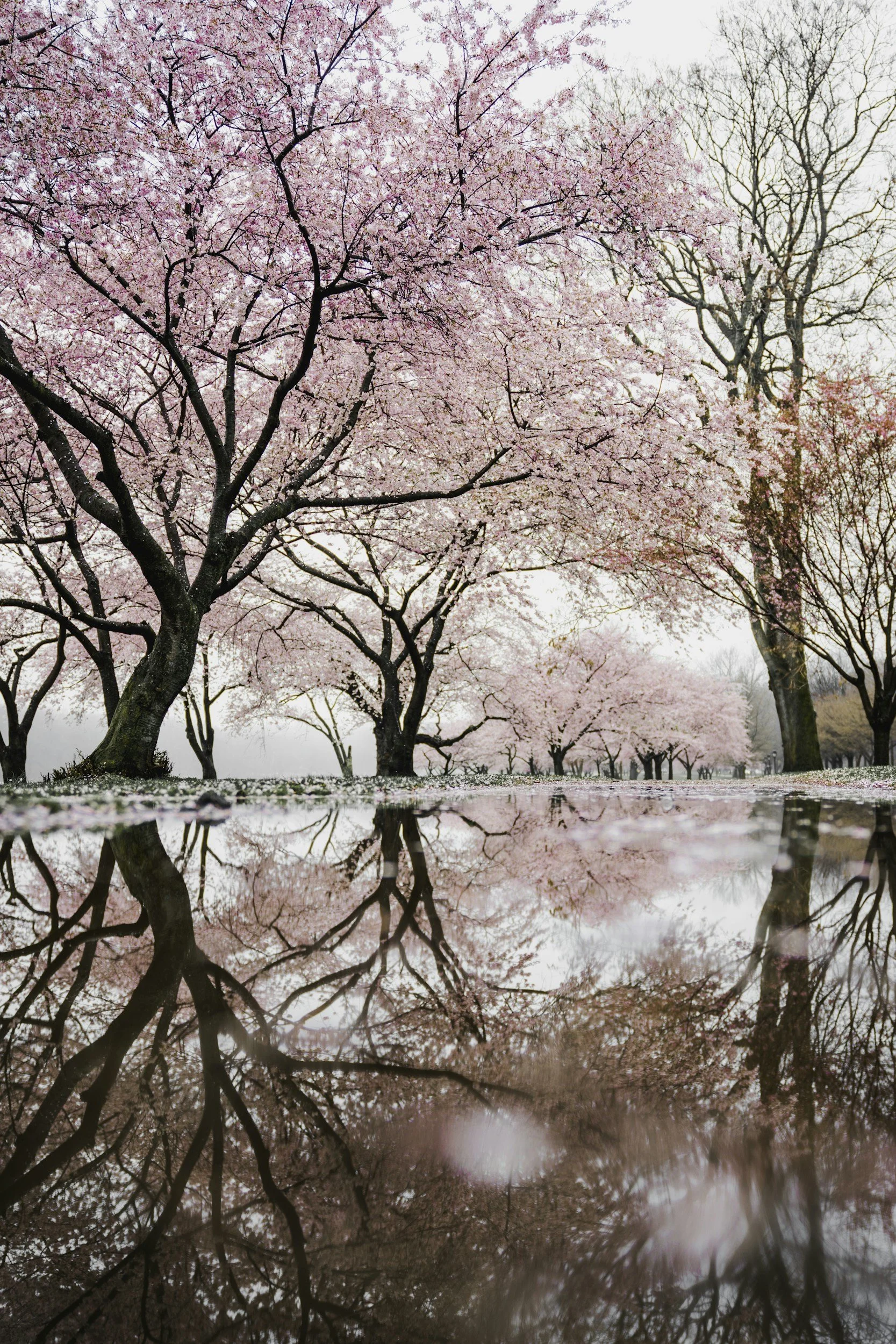
Celebrations of spring blooms throughout the country, particularly in Seoul and parks.
-
When is it? May
Buddhist celebrations with temple visits and lantern festivals, particularly spectacular.
Travelling to South Korea in each season
South Korea's four distinct seasons each offer unique experiences and appeal to different traveller preferences.
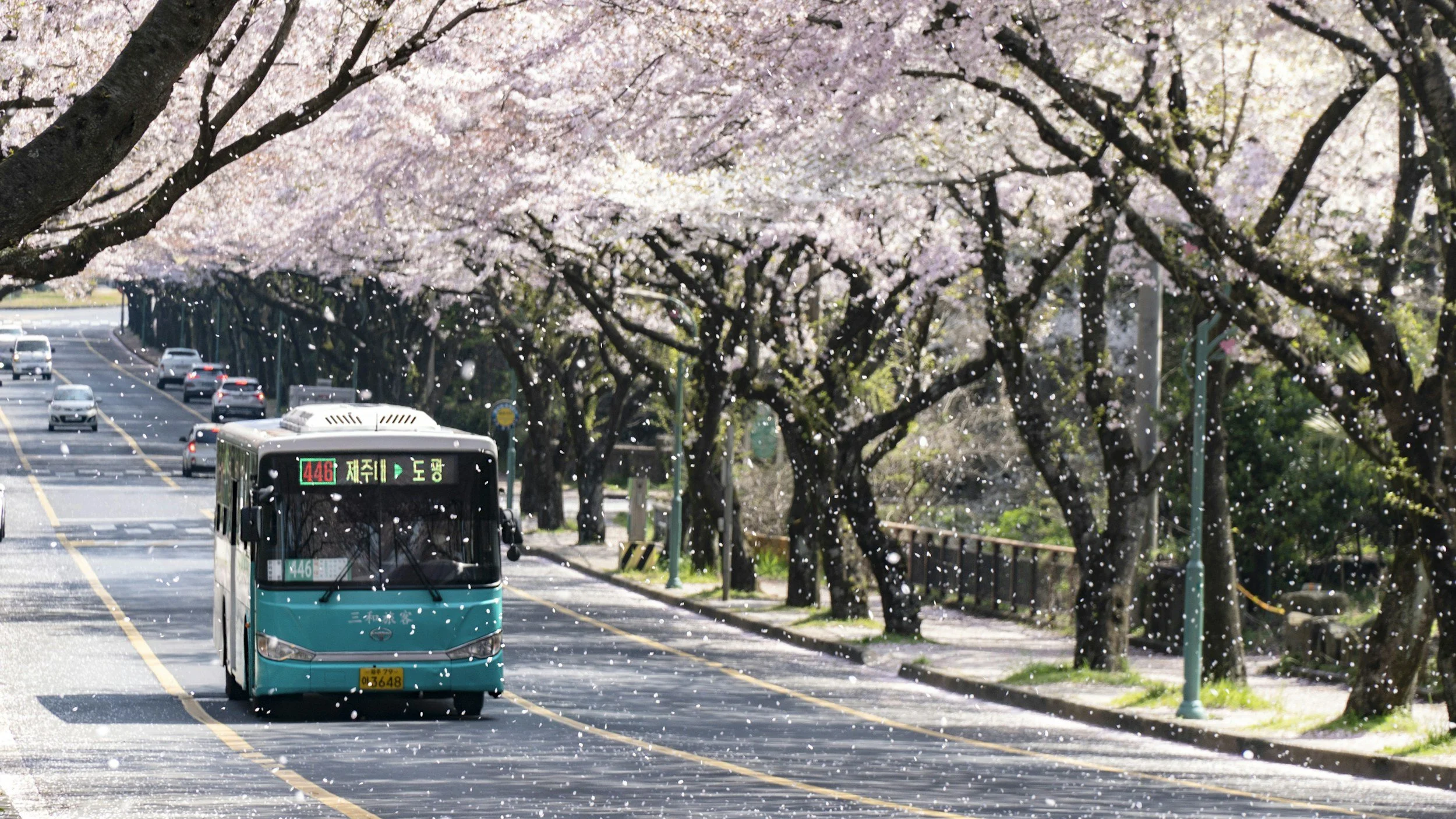
Spring
When is it? March to May
Spring brings pleasant temperatures (15–25°C) and stunning cherry blossoms, particularly in April. Crowds are moderate to heavy with international tourists and families. Prices are reasonable. Late April features Buddha's Birthday with temple celebrations. This is excellent for sightseeing, hiking, and experiencing spring energy.
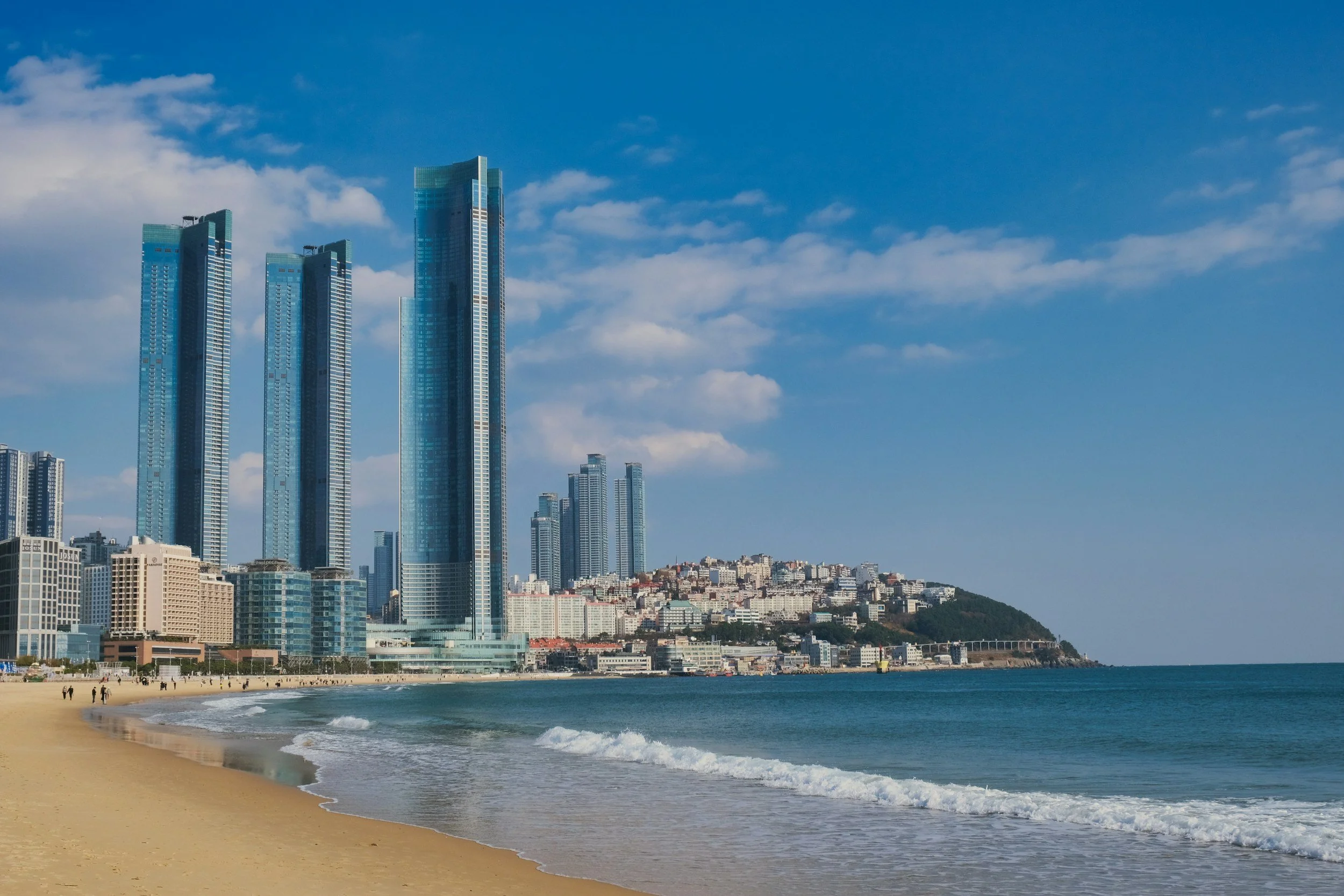
Summer
When is it? June to August
Summer is warm to hot (25–32°C), with monsoon rain (June–July), though brief. Crowds are heavy during school holidays. Prices peak. Beach festivals, water activities, and open-air performances are popular. Late July features the unique Boryeong Mud Festival. This suits younger travellers and those seeking festival experiences.
Autumn
When is it? September to November
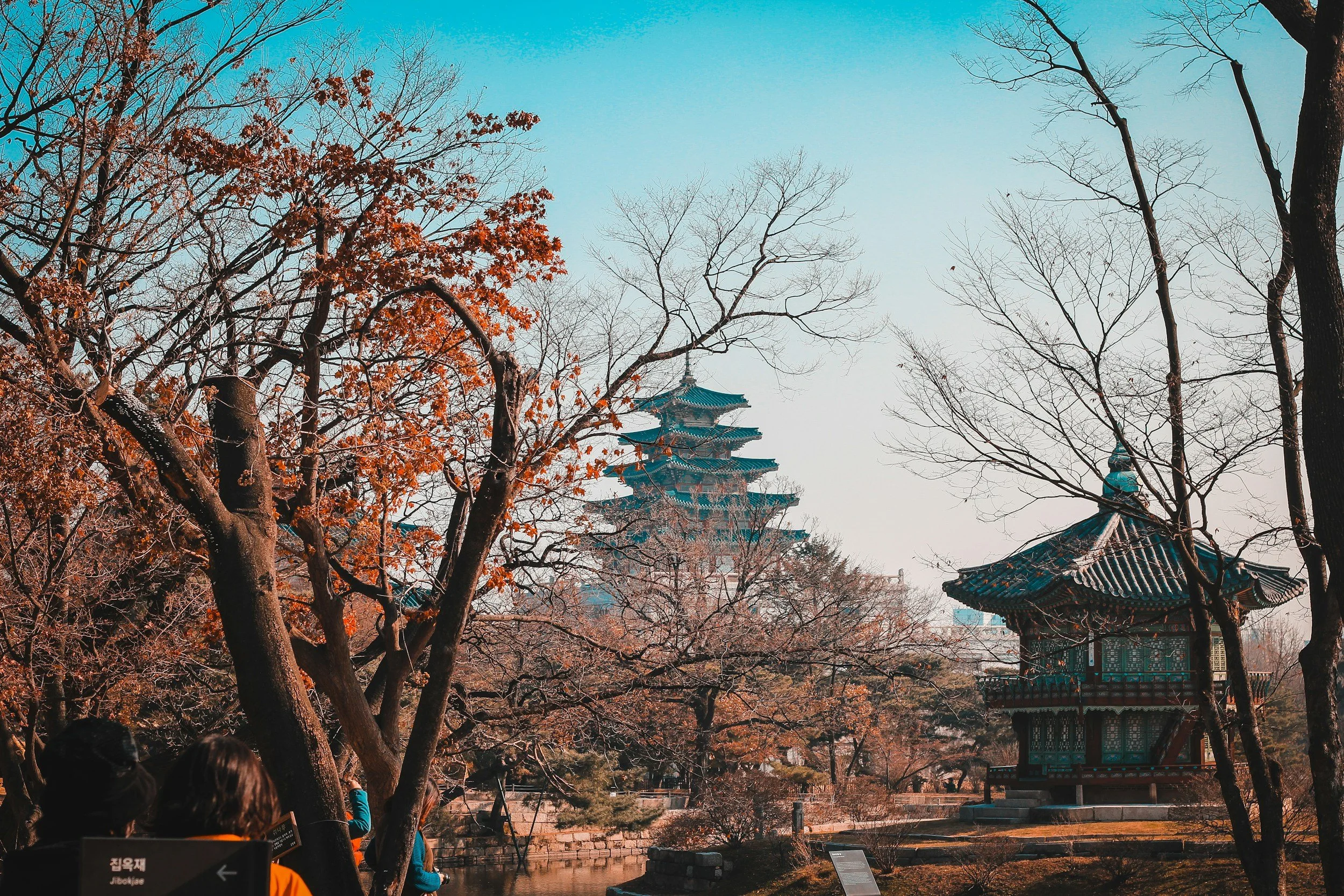
Autumn brings ideal temperatures (15–25°C), clear skies, and stunning foliage, particularly October–November. Crowds are moderate. Prices are reasonable. Chusok (September or October) brings family celebrations and temple crowds. Hiking is exceptional with comfortable temperatures and beautiful views. This rivals spring as South Korea's best season.
Winter
When is it? December to February
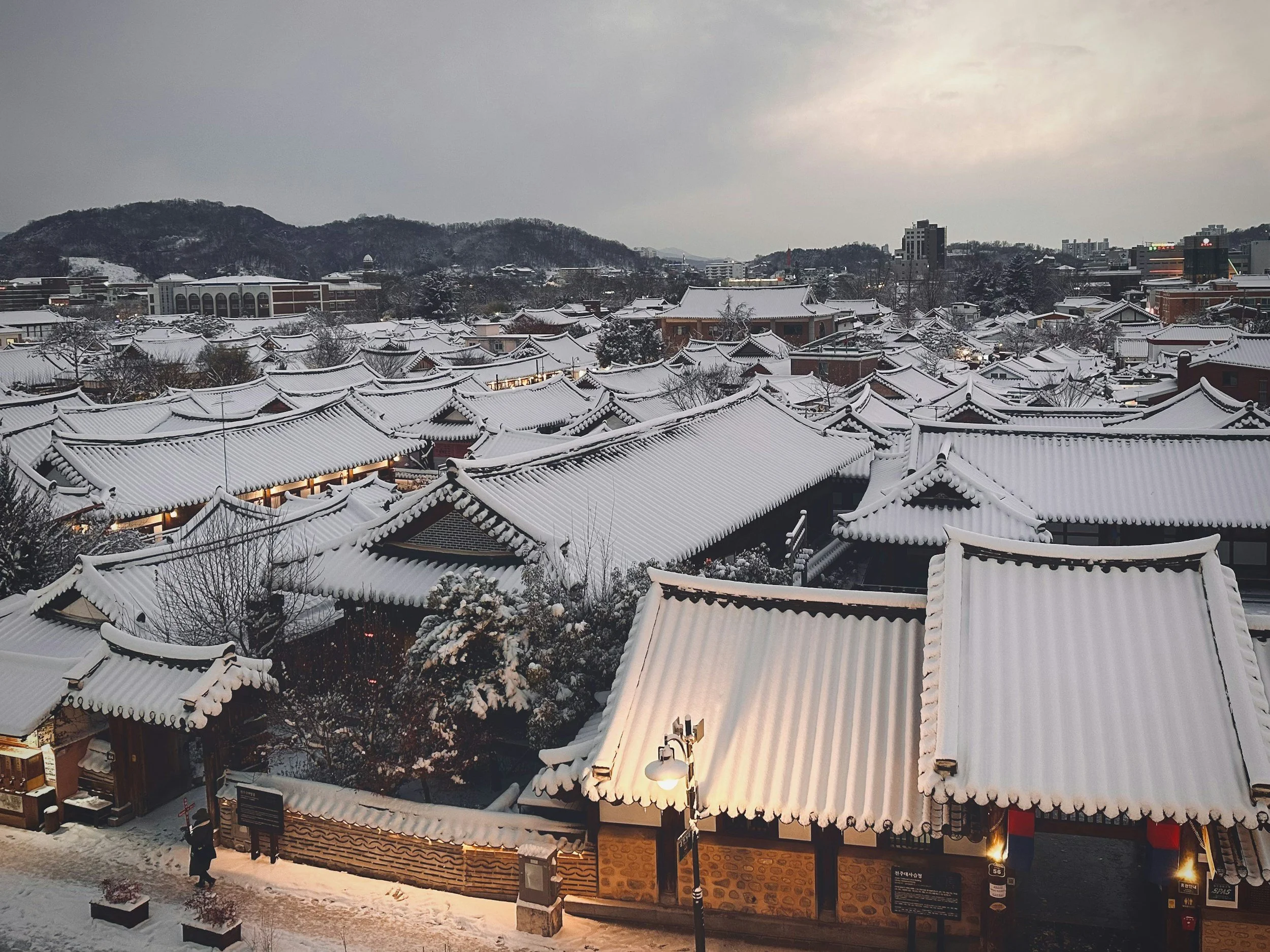
Winter is cold (0–10°C), occasionally snowy, particularly in the north and mountains. Christmas brings crowds and festive atmosphere in Seoul. Lunar New Year (late January or February) brings family celebrations and holiday crowds. Prices peak around major holidays. This suits winter enthusiasts, ski/snowboarders, and those enjoying festive holiday celebrations. February is quieter outside Lunar New Year.
Overall, when is the best value time to visit South Korea?
For the best overall value, visit between September and November or March and May, accepting moderate to high season pricing as trade-off for excellent weather and stunning landscapes. These shoulder seasons offer ideal conditions and reasonably competitive prices. If budget is your priority and you're flexible with weather, visit in February (outside Lunar New Year) or June for lower accommodation prices and fewer crowds, accepting cold winter conditions or summer humidity respectively.
51m+
people in South Korea
Country
in Asia