Best time to go to Iceland
Iceland is a land of dramatic natural wonders, with volcanic landscapes, cascading waterfalls, geothermal hot springs, and otherworldly glaciers. Reykjavik's vibrant culture contrasts with remote wilderness perfect for hiking and adventure. The country's subarctic climate creates extreme seasonal variations, with midnight sun in summer and potentially visible northern lights in winter. Most visitors arrive during summer (June–August) for comfortable weather and active adventure. However, winter offers a quieter, more dramatic Iceland with potential northern lights, lower prices, and unique experiences. Iceland is increasingly popular year-round, making timing a choice between seasonal advantages.
TL;DR
When is the best time to visit Iceland?
Weather in Iceland
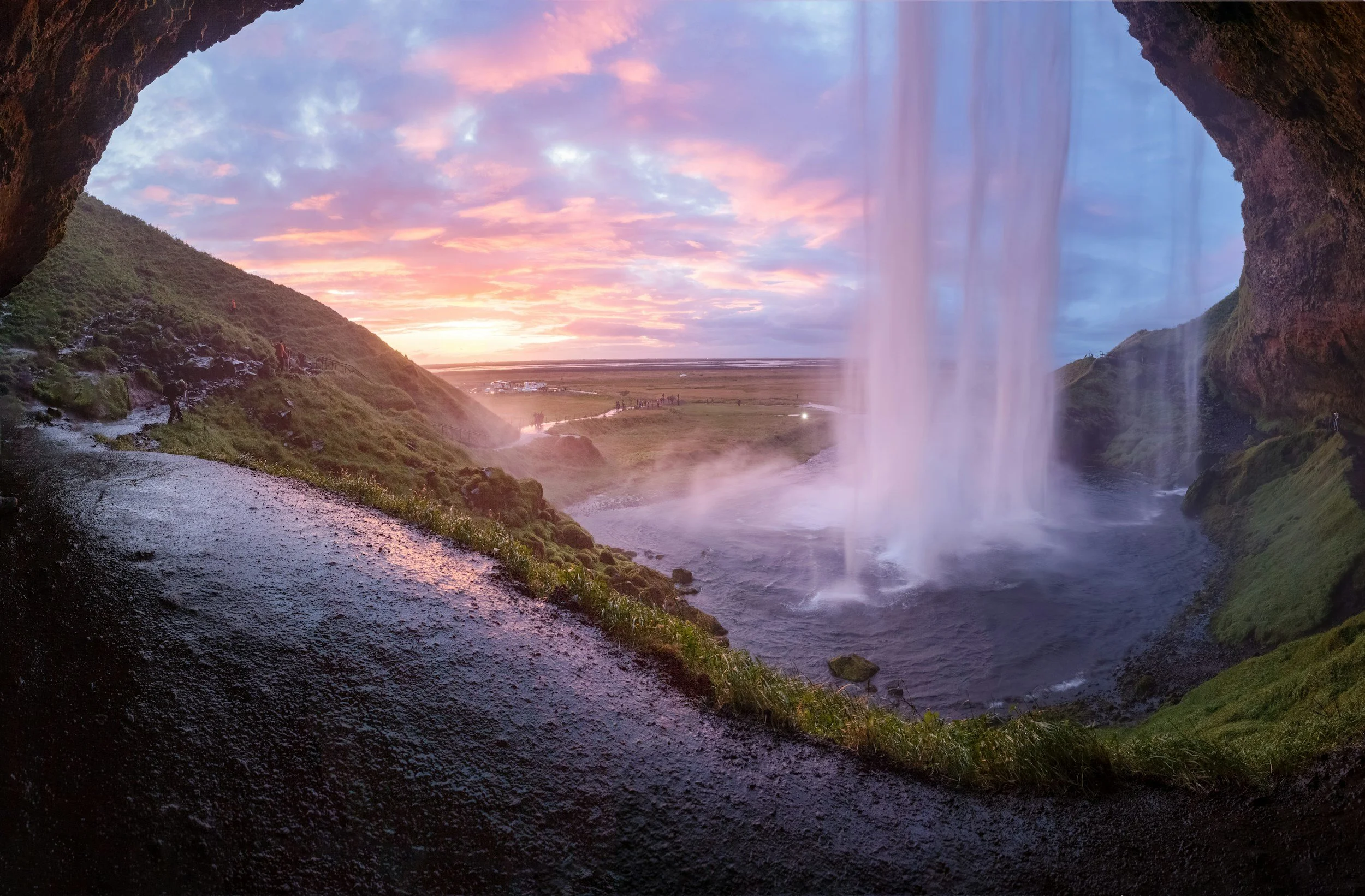
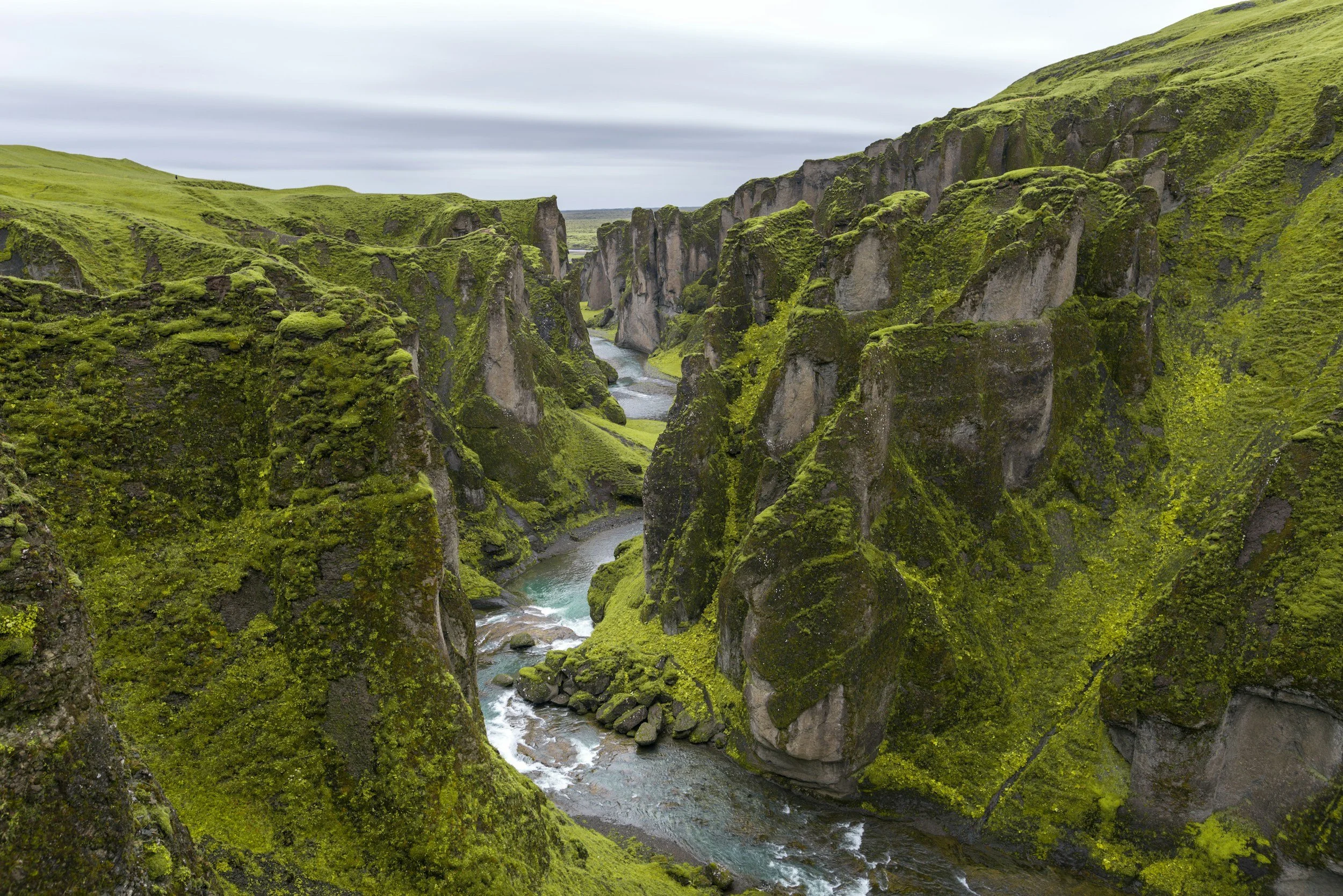
Summer (June–August) is Iceland's warmest season (10–18°C), with midnight sun and extended daylight lasting nearly 24 hours in late June, making it ideal for outdoor activities. Spring (April–May) and autumn (September–October) are cool (5–12°C), with shorter daylight hours but fewer crowds.
Winter (November–March) is cold (0–5°C), dark (only 4–5 hours of daylight in December), with potential northern lights displays, snow, and unpredictable weather. For outdoor activities and exploring, summer is best. For northern lights and dramatic skies, winter is necessary, though challenging weather limits some activities.
Prices in Iceland
October through April is lower season with cheaper accommodation and tours, though December and New Year push prices up. June through August is peak season with highest accommodation, tour, and activity prices. May and September are shoulder seasons with moderate pricing.
Flight prices from Australia vary by season but are generally reasonable year-round. For best value, visit April–May, September–October, or January–February outside Christmas period.
Crowds in Iceland
For fewer crowds, visit January–March or April–May, accepting colder weather and in winter, darkness.
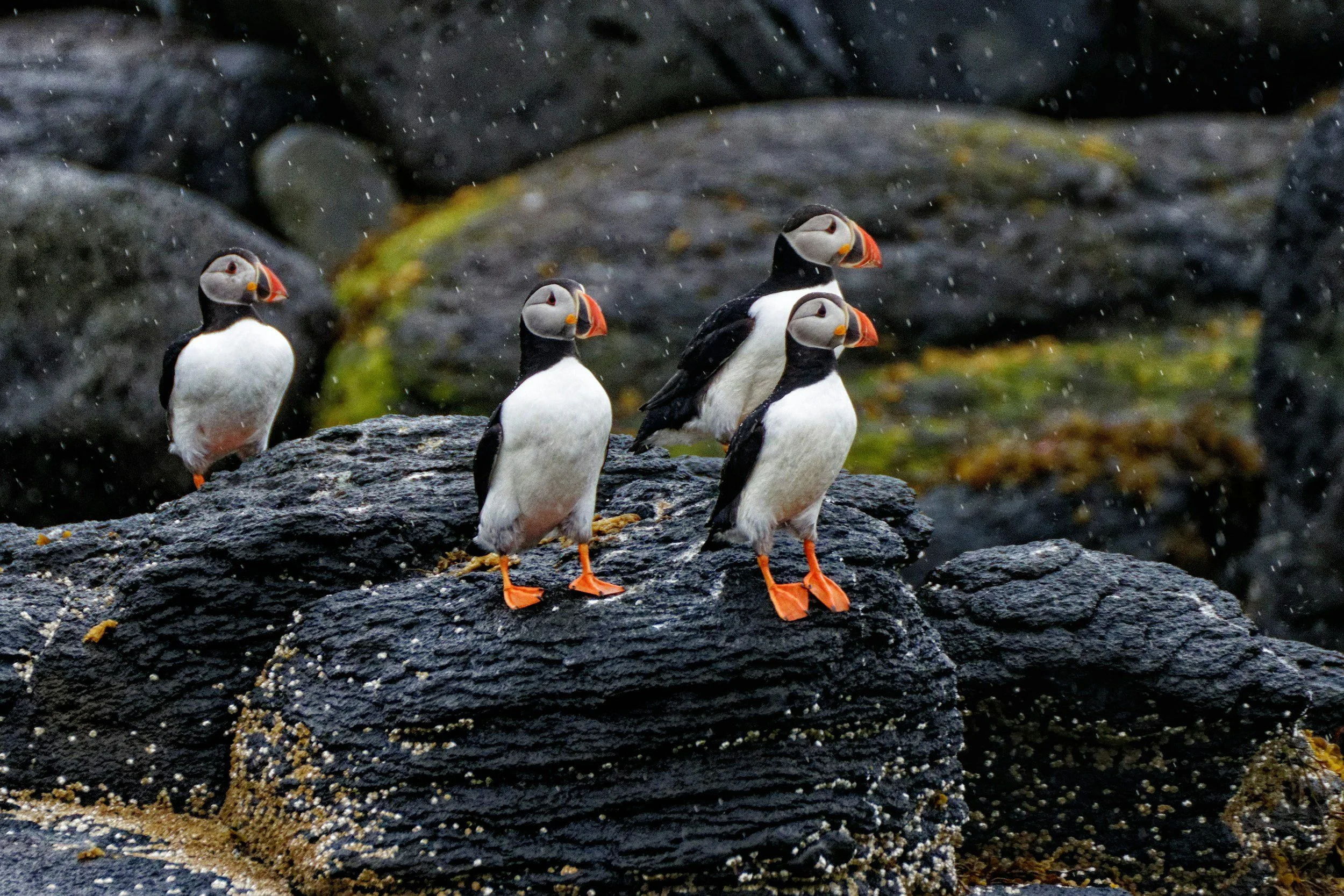
June through August is extremely busy with international tourists, particularly at popular sites like Geyser, Gullfoss, and the Blue Lagoon. May and September see moderate crowds. October through April are quieter, particularly January–February. Despite being low season, northern lights tourism brings visitors to winter Iceland.
Events and festivals in Iceland
Iceland celebrates cultural events and natural phenomena throughout the year.
-
When is it? February
Celebration of Iceland's dark season transitioning to longer daylight.
-
When is it? February
Traditional Icelandic mid-winter festival celebrating Viking heritage with traditional foods.
-
When is it? August to April
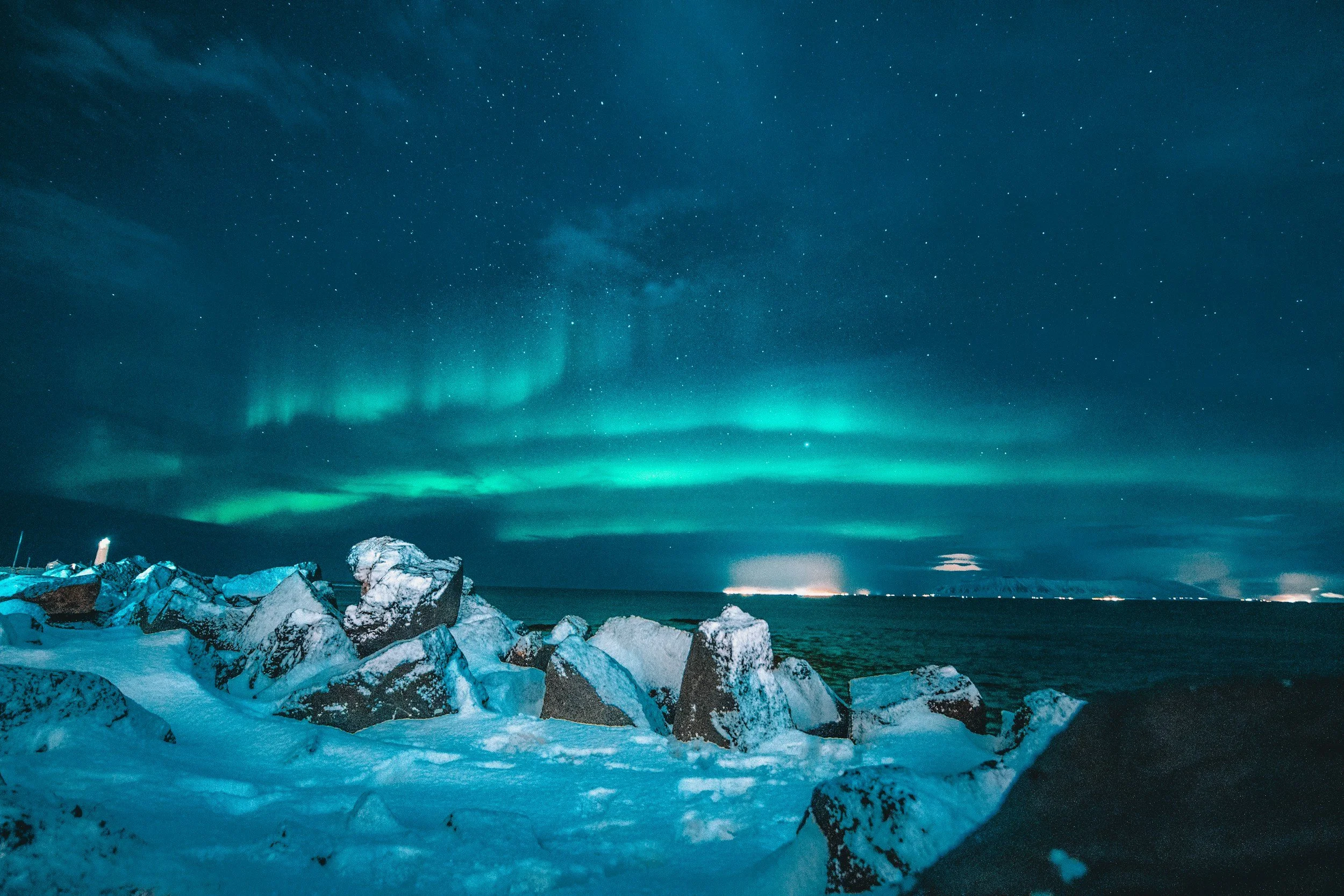
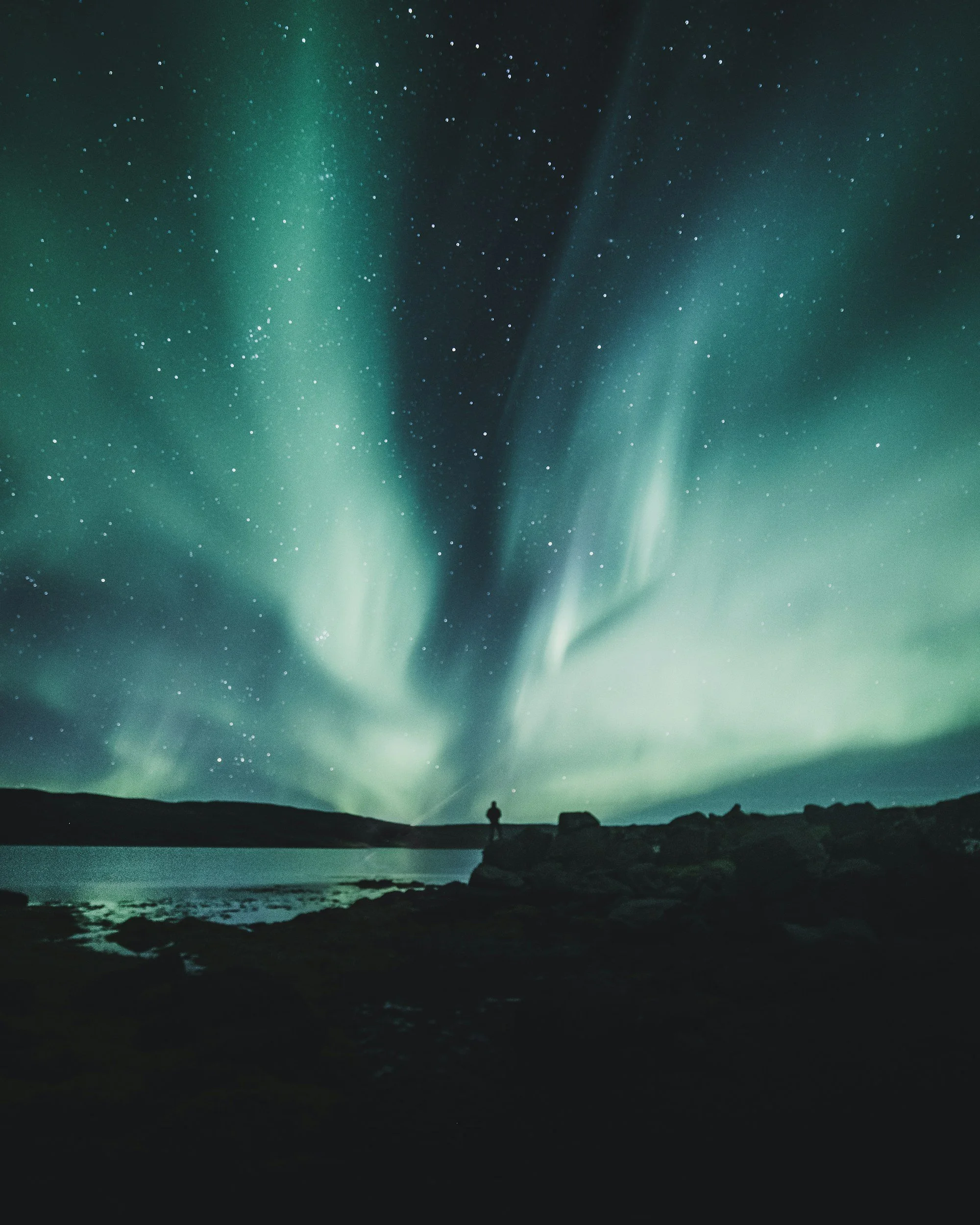
These months are the best to catch the spectacular Northern Lights above the skies, when the nights are at their darkest.
Travelling to Iceland in each season
Iceland's seasons create dramatically different landscapes, daylight conditions, and tourist experiences.
Spring
When is it? March to May
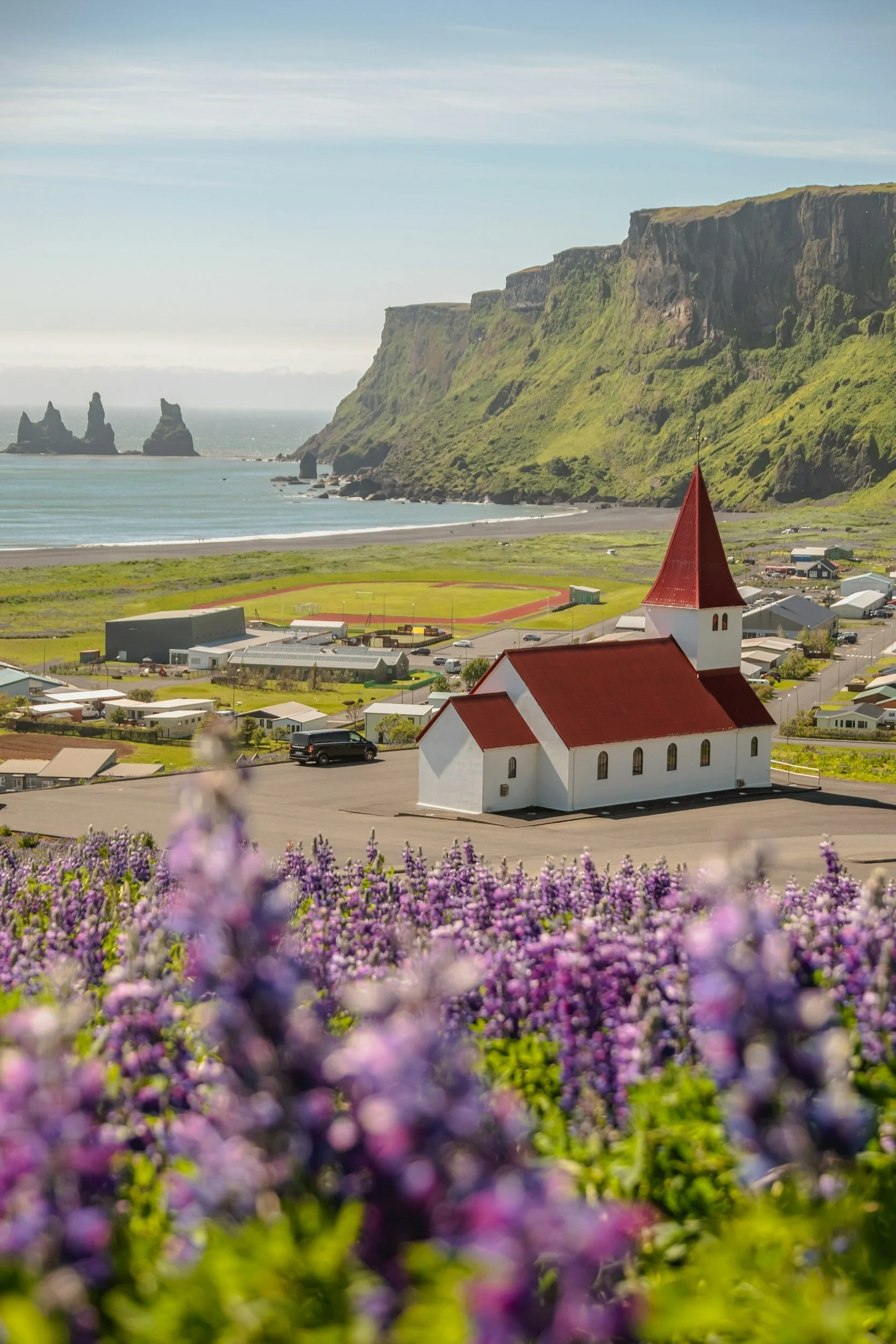
Spring brings gradually warming temperatures (5–12°C), increasing daylight, and baby animals on farms. Snow melts from lower elevations, opening hiking trails. Crowds are building but not yet at peak. Prices are moderate. Waterfalls are powerful with snowmelt. This is excellent for hiking and exploring countryside without summer crowds.
Summer
When is it? June to August
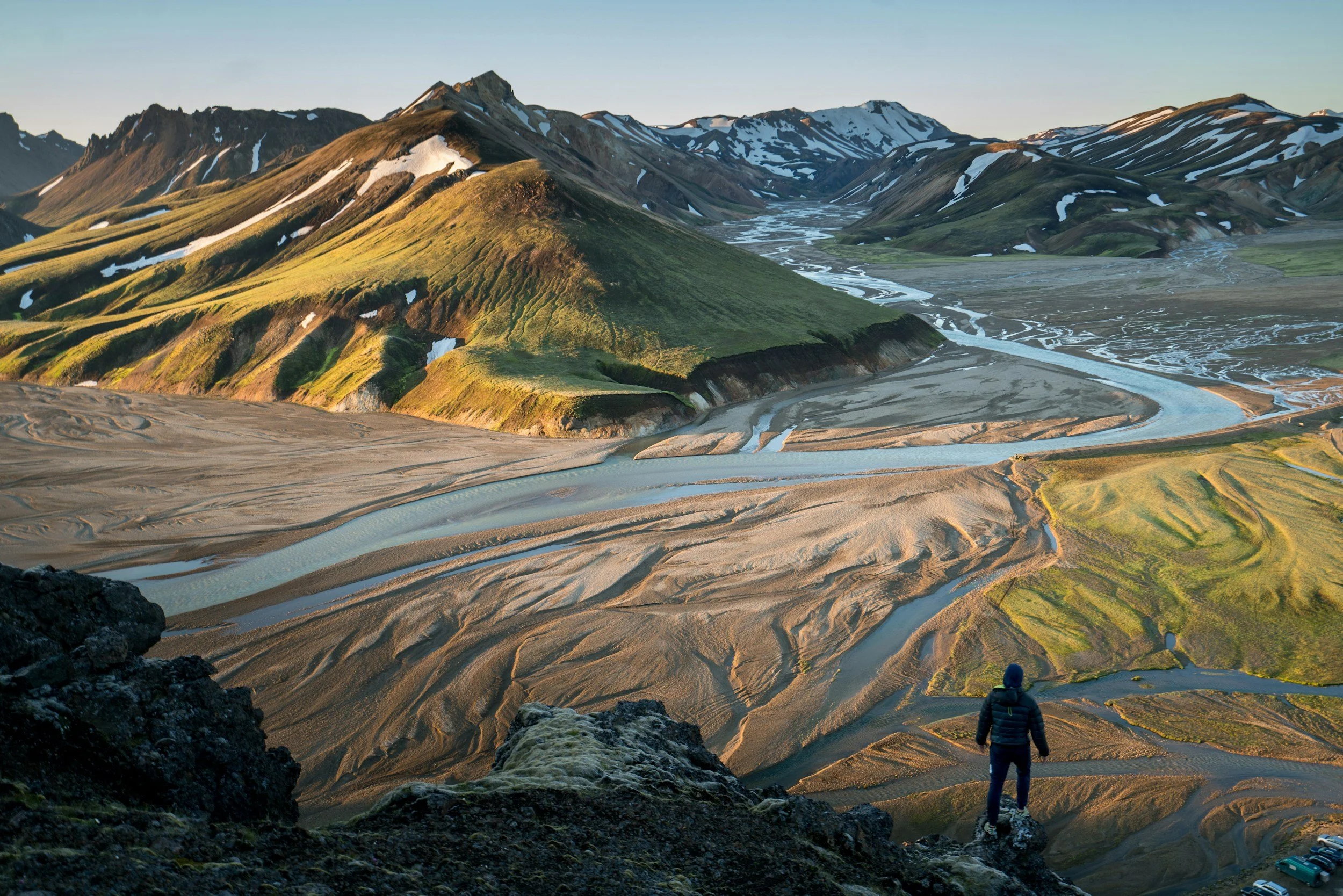
Summer is warm to hot (25–32°C), with beach season in full swing. Crowds are at their peak, particularly at major attractions and coastal destinations. Prices are highest. However, outdoor festivals are frequent, outdoor dining is vibrant, and water activities are perfect. Early summer (June) is warmer but less crowded than July–August.

Autumn
When is it? September to November
Autumn brings decreasing daylight, cooler temperatures (8–12°C in September, 3–7°C in October), and occasional early northern lights displays (October). Crowds decrease significantly after peak season. Prices are moderate. Landscapes remain beautiful with autumn colours. This is an excellent compromise between summer's advantage and winter's solitude.

Winter
When is it? December to February
Winter is cold (0–5°C), dark (only 4–5 hours of daylight in December), with potential northern lights displays, snow, and unpredictable, severe weather. Crowds are minimal outside December holidays. Prices are low. Many activities are limited; road conditions can be dangerous. Geothermal areas remain accessible. Blue Lagoon and hot springs are particularly appealing. This suits adventurers seeking northern lights and dramatic Icelandic landscapes despite harsh conditions.
Overall, when is the best value time to visit Iceland?
For the best overall value, visit between June and August, accepting peak season prices as trade-off for guaranteed good weather and nearly 24-hour daylight enabling maximum outdoor time. Alternatively, for exceptional value with still-decent conditions, visit April–May or September–October with moderate pricing, good weather, and fewer crowds than peak season. If budget is your priority, visit January–February for the lowest prices and potential northern lights, accepting cold, dark conditions, unpredictable weather, and many attractions having reduced hours or being closed.

400k+
people in Iceland
Country
in Europe