Best time to go to Thailand
Thailand, affectionately known as the "Land of Smiles," has long been a top-tier destination for Australians seeking everything from high-energy city breaks in Bangkok to serene island hopping in the Andaman Sea. Whether you are looking to explore ancient temples in Chiang Mai or dive into the turquoise waters of Phuket, timing your visit is essential to making the most of your trip. Because Thailand is a tropical country, it does not follow the traditional four-season cycle we are used to in Australia. Instead, the climate is dictated by the monsoon winds, creating three distinct phases: the cool, dry season; the hot season; and the rainy (or green) season. Understanding these shifts is the key to balancing perfect beach weather with your travel budget.
TL;DR
When is the best time to visit Thailand?
The best time to visit Thailand overall is during the cool, dry season (November to February). You will enjoy sunny days and lower humidity across most of the country, making it perfect for both beach lounging and mountain trekking.
Weather in Thailand
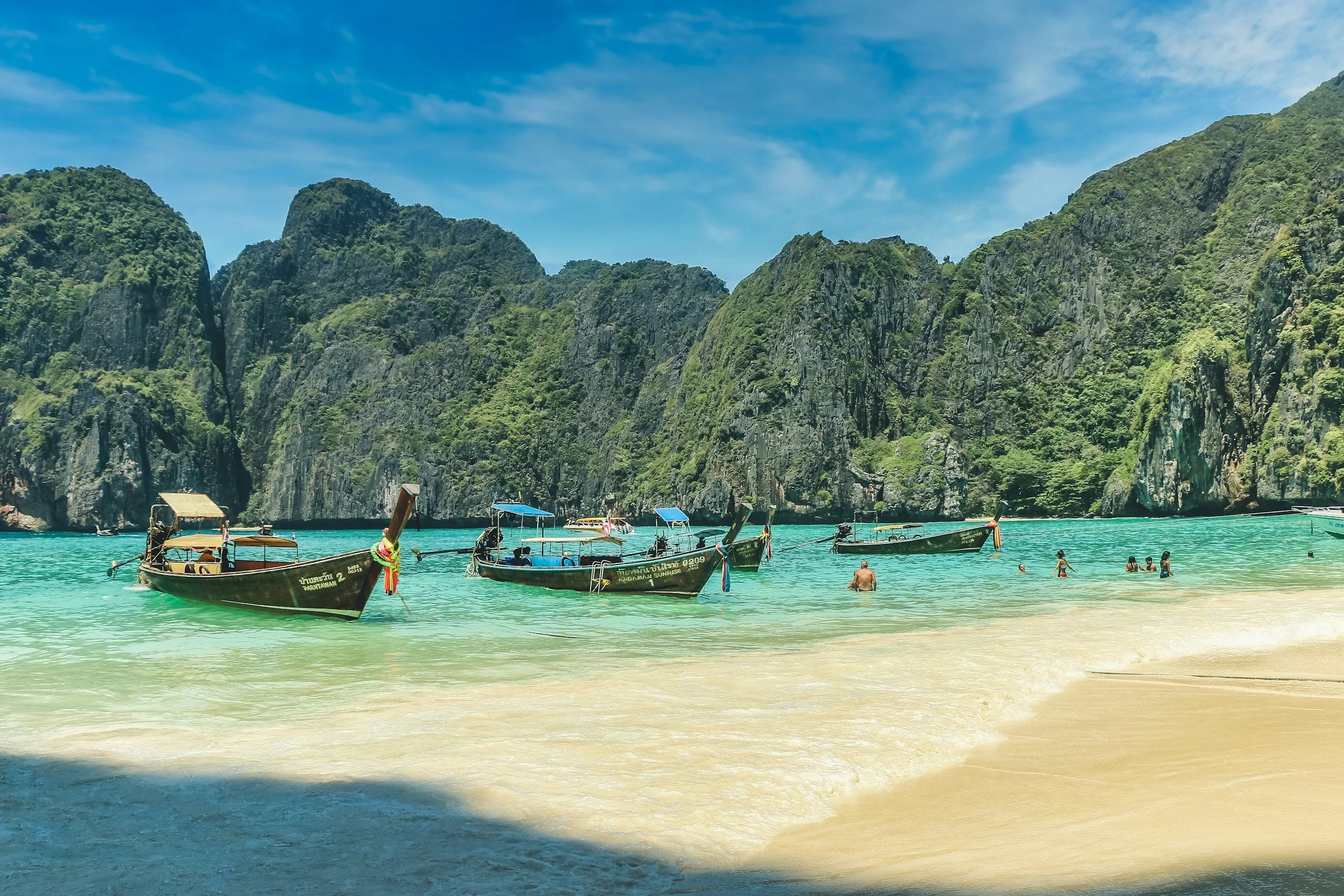
For the most reliable "postcard-perfect" weather, you should aim for the cool season from November to February. During this period, temperatures sit at a comfortable 25°C to 30°C with minimal rainfall and low humidity, which is ideal for Australians looking to escape the intensity of a tropical summer. If you are specifically chasing a beach holiday, the west coast (Phuket, Krabi) is best from December to April, while the east coast (Koh Samui, Koh Phangan) shines brightest from February to June. Avoid the "hot season" in April and May if you struggle with heat, as temperatures can frequently soar above 40°C.
Prices in
Thailand
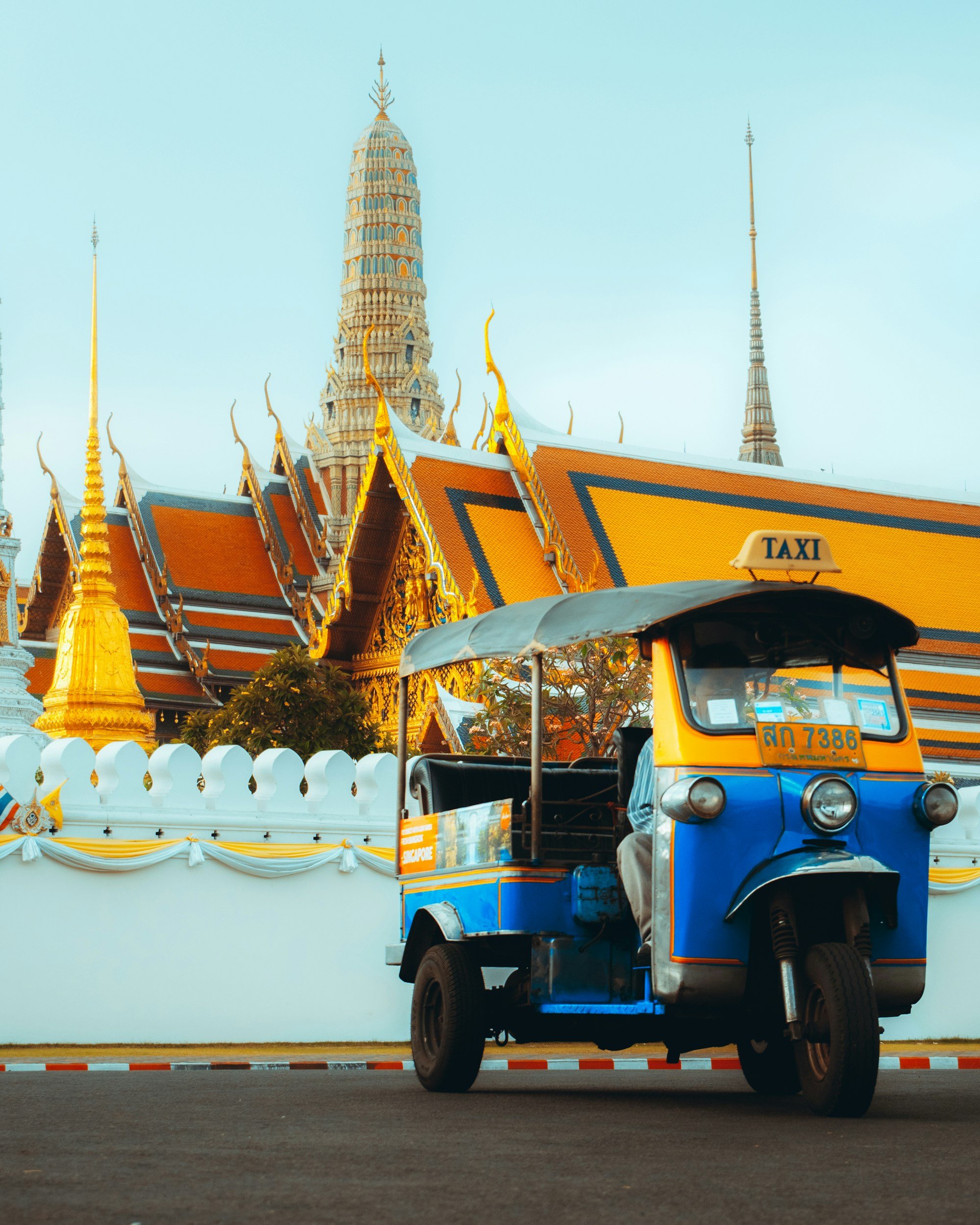
The cheapest time to fly from Australia to Thailand is generally during the rainy season (May to October). Because this coincides with more frequent downpours and higher humidity, many luxury resorts and boutique hotels offer substantial discounts, often up to 50% off peak-season rates. Airfares from cities like Perth, Sydney, and Melbourne typically drop in September and November. To keep your costs down, avoid travelling during the Australian school holiday periods in July and late September, as well as the Christmas and New Year peak, when flight prices and accommodation rates reach their absolute highest.

Crowds in Thailand
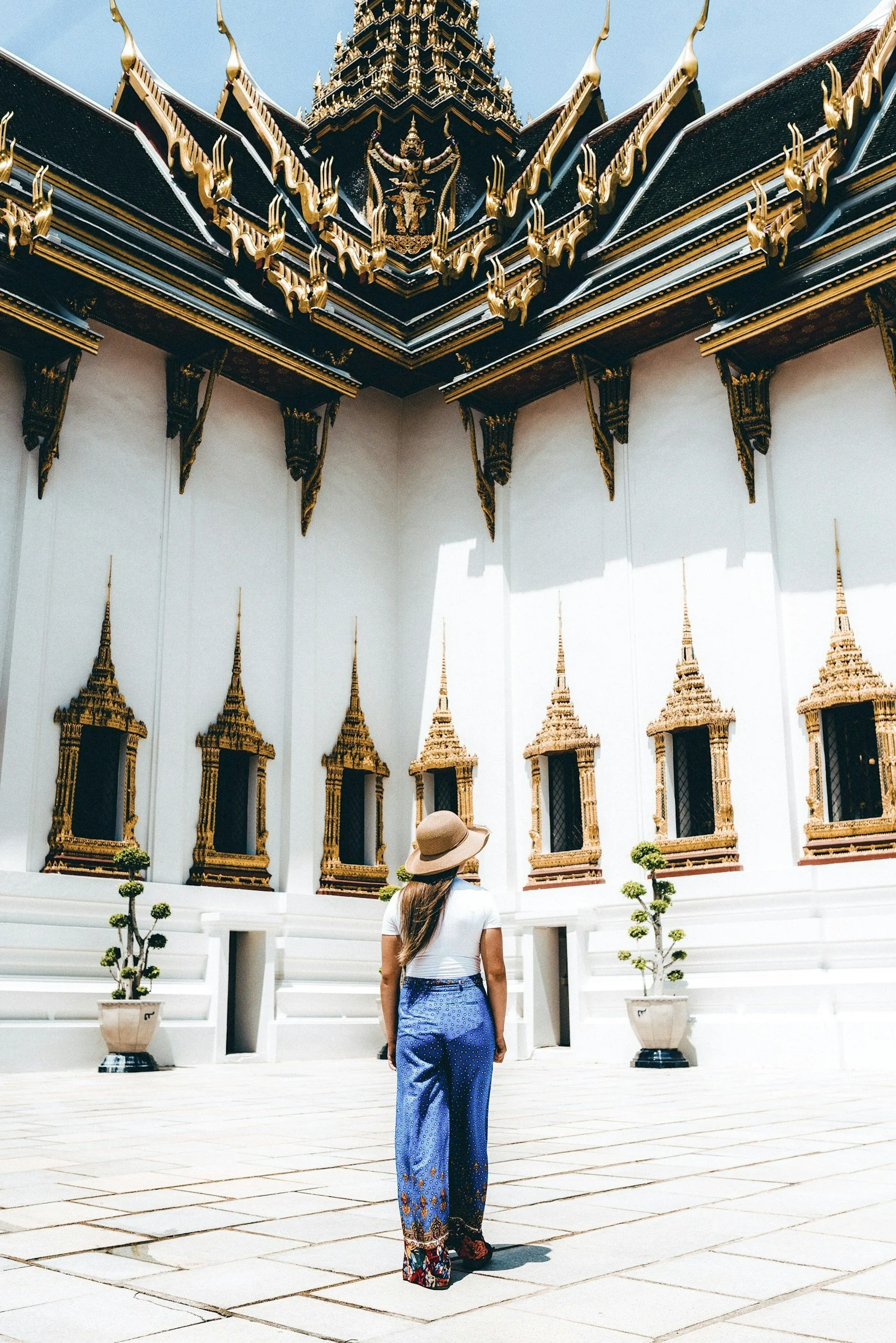
Thailand is at its busiest during the peak season (December and January). Popular spots like Maya Bay and the Grand Palace can feel quite congested, and you will need to book your favourite restaurants and tours well in advance. For a much quieter experience, consider the "shoulder" months of May, June, or October. These windows offer a more authentic look at local life without the heavy tourist traffic. Be mindful that the Songkran festival in mid-April also brings a massive surge in both domestic and international visitors, so while it is a fantastic cultural experience, it is certainly not the time for a quiet getaway.
Events and festivals in Thailand
Thailand’s cultural calendar is incredibly rich, with frequent festivals that celebrate its Buddhist heritage and vibrant local traditions.
-
When is it? April
The Thai New Year, famous for nationwide, high-energy water fights.
-
When is it? November
Famous for the mass release of glowing sky lanterns in Northern Thailand.
-
When is it? December
The world-famous Belgian festival is coming to Thailand, bringing the explosive event to Asia for the first time in 2026.
Travelling to Thailand in each season
Since Thailand is tropical, its "seasons" relate more to rainfall and humidity than temperature. Here is what to expect throughout the year.
Autumn
When is it? September to November
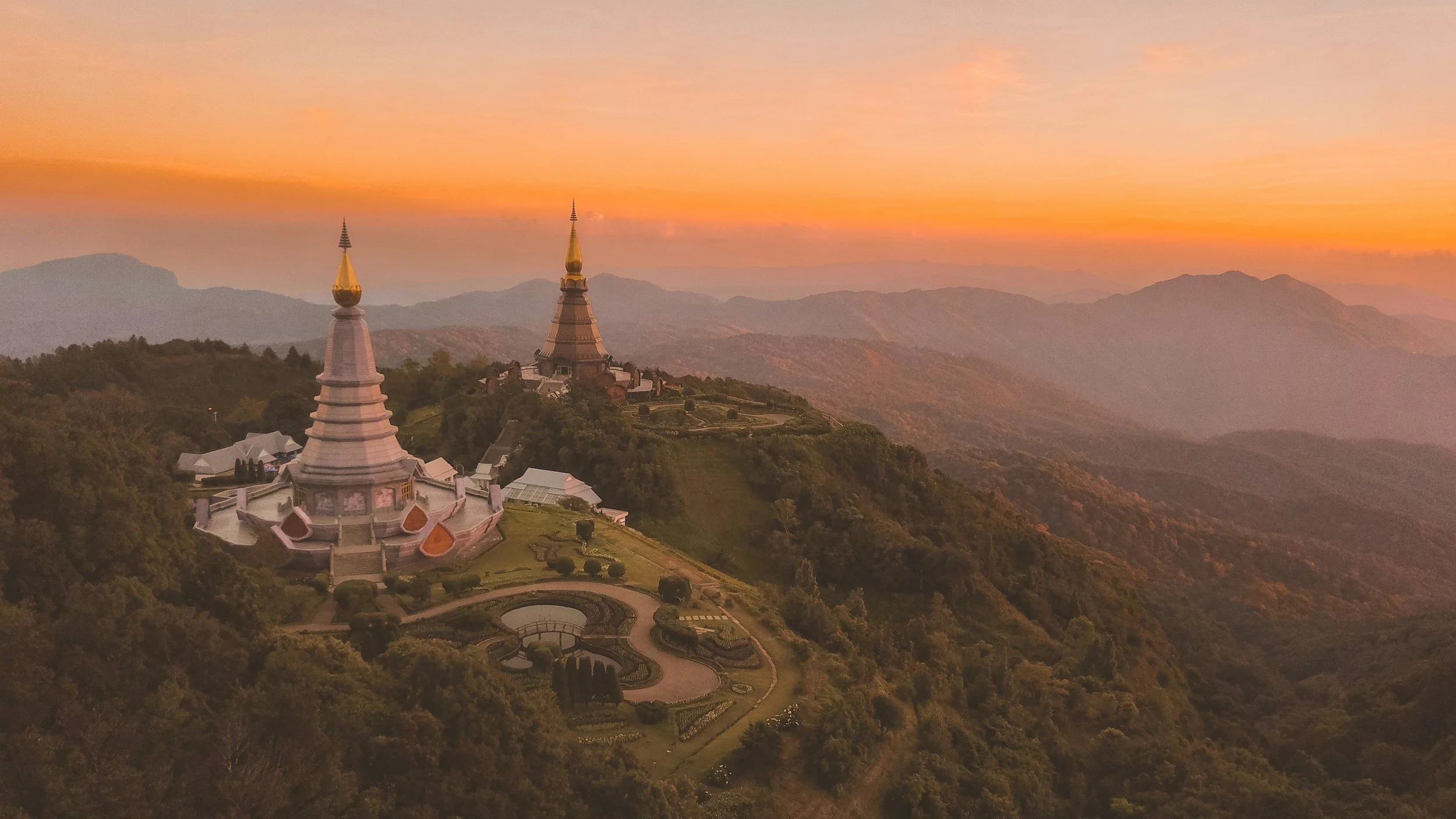
Spring (September to November) marks the tail end of the rainy season and the transition into cooler weather. While September can be quite wet, by November, the skies clear up, the landscapes are incredibly lush and green, and the famous Loy Krathong festival provides a magical atmosphere for travellers.
Winter
When is it? December to February
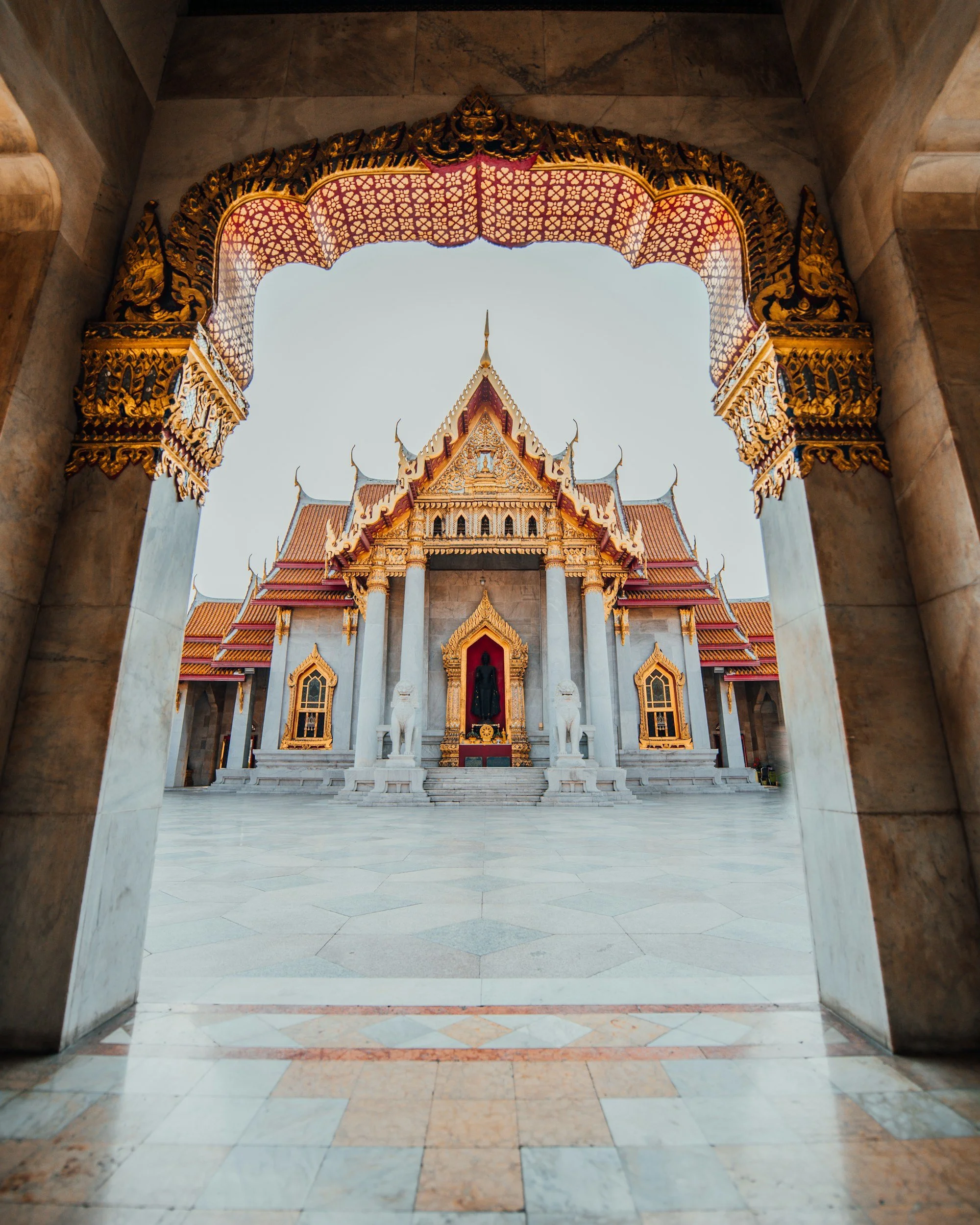
Summer (December to February) coincides with Thailand's peak "cool" season, offering the most stable weather for Australians escaping the heat at home. It is the most expensive time to visit, but the calm seas and bright blue skies make it the ultimate period for diving, snorkelling, and island hopping.
Spring
When is it? March to May
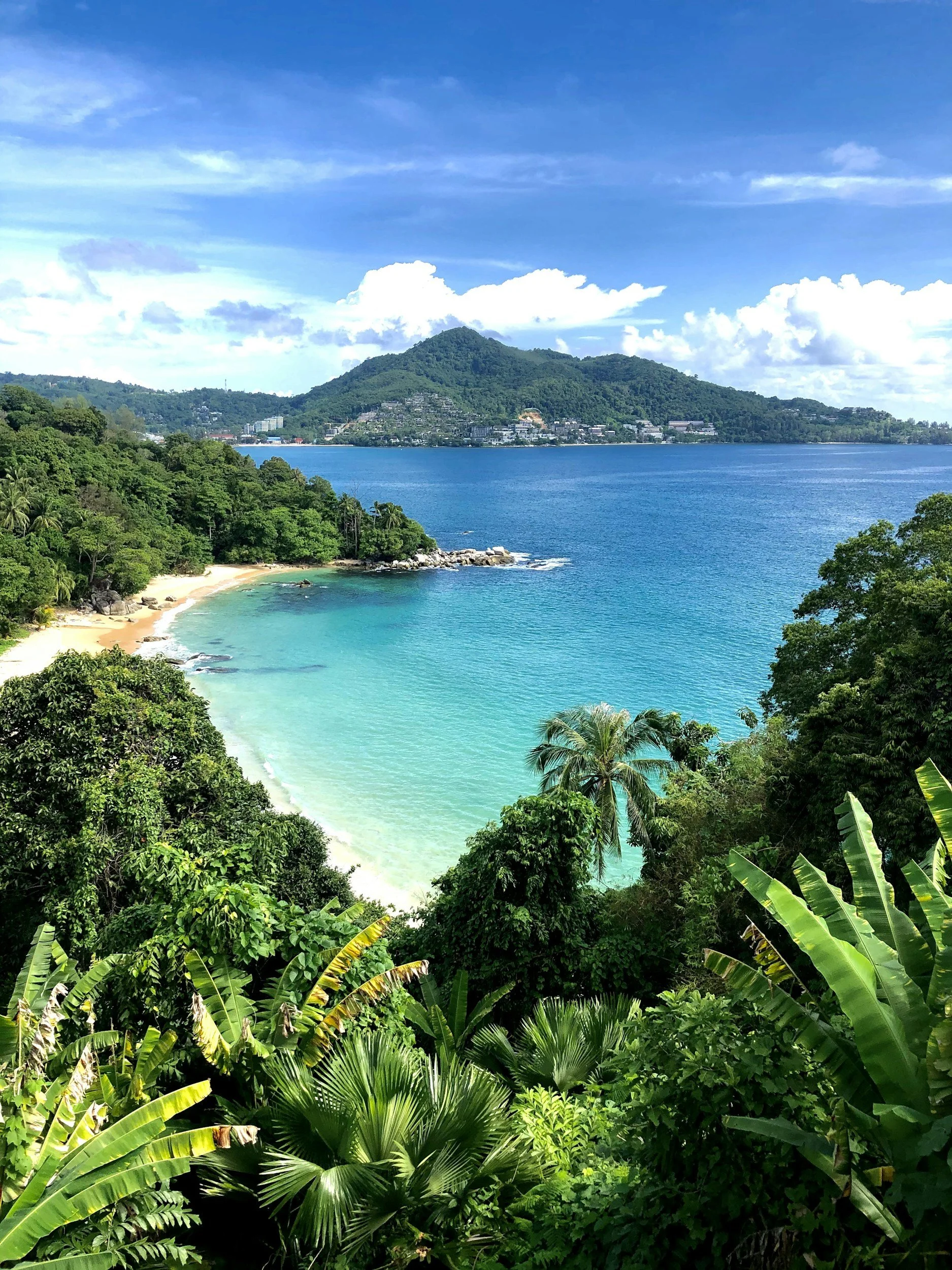
Autumn (March to May) is the hottest time of the year in Thailand, with soaring temperatures and high humidity. While it can be oppressively hot in the cities, it is a great time for beach lovers, and the Songkran water festival in April provides a welcome (and very fun) way to cool down.

Summer
When is it? June to August
Winter (June to August) brings the start of the monsoon season, though rain usually falls in short, dramatic afternoon bursts rather than all day. For Australians, this is a great time for value; you can enjoy world-class resorts at a fraction of the price, and the Gulf of Thailand islands (like Koh Samui) remain relatively dry compared to the west coast.
Overall, when is the best value time to visit Thailand?
For the best overall value, we recommend booking your trip for May or November. These "shoulder" months sit perfectly between the weather extremes and the tourist peaks. In May, you beat the summer school holiday rush and can take advantage of significant low-season discounts on accommodation, even though the weather is still mostly sunny.
November is arguably the best "bang for your buck" month. The rainy season has just finished, leaving the countryside vibrant and the waterfalls at their most impressive, but the massive "peak-season" price hikes for December haven't yet kicked in. By choosing these windows, you will enjoy a much more relaxed pace at iconic sites like Railay Beach or the Ayutthaya ruins, ensuring your Aussie dollars go much further while still enjoying fantastic tropical weather.
71m+
people in Thailand
Country
in Asia