Best time to go to Borneo
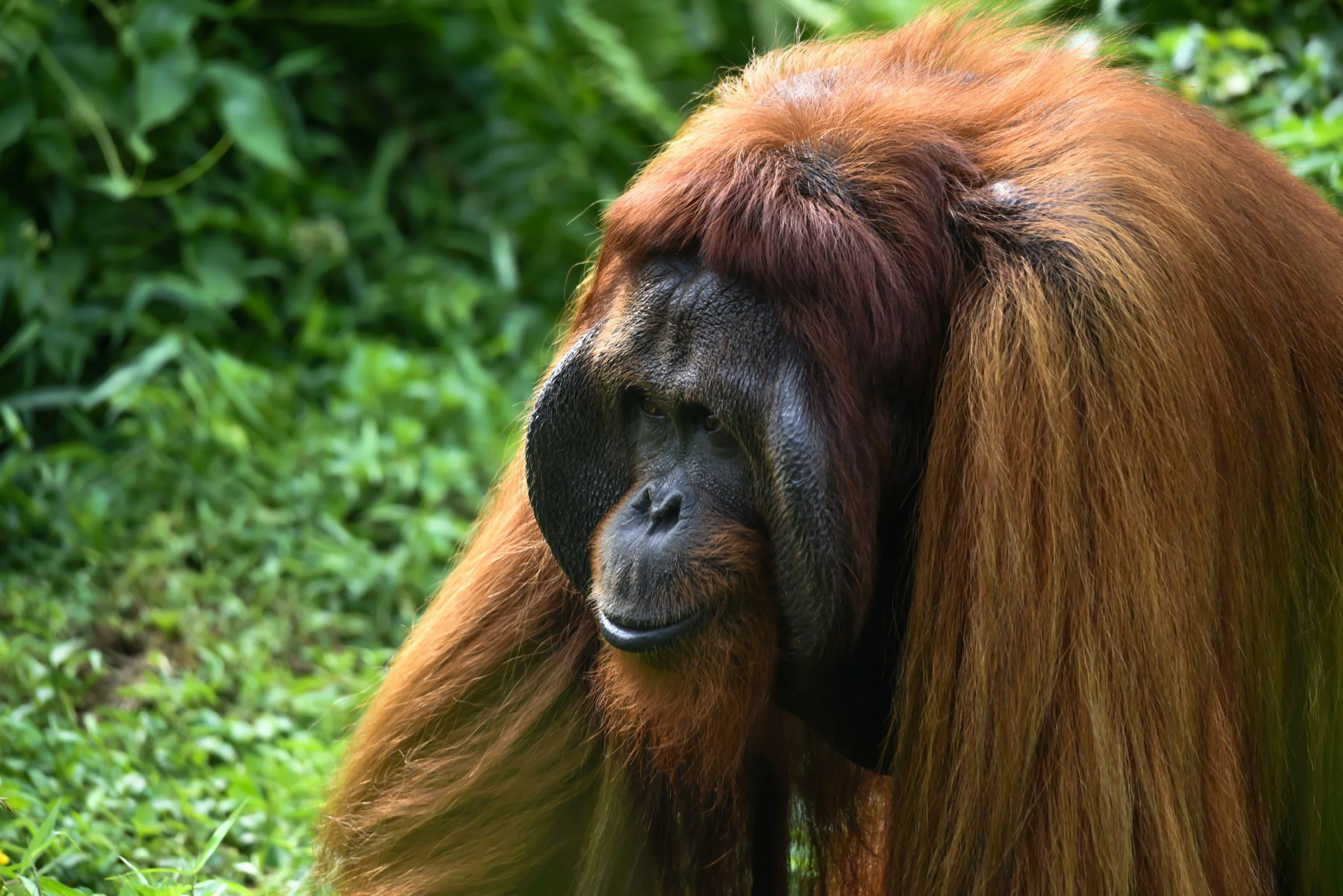
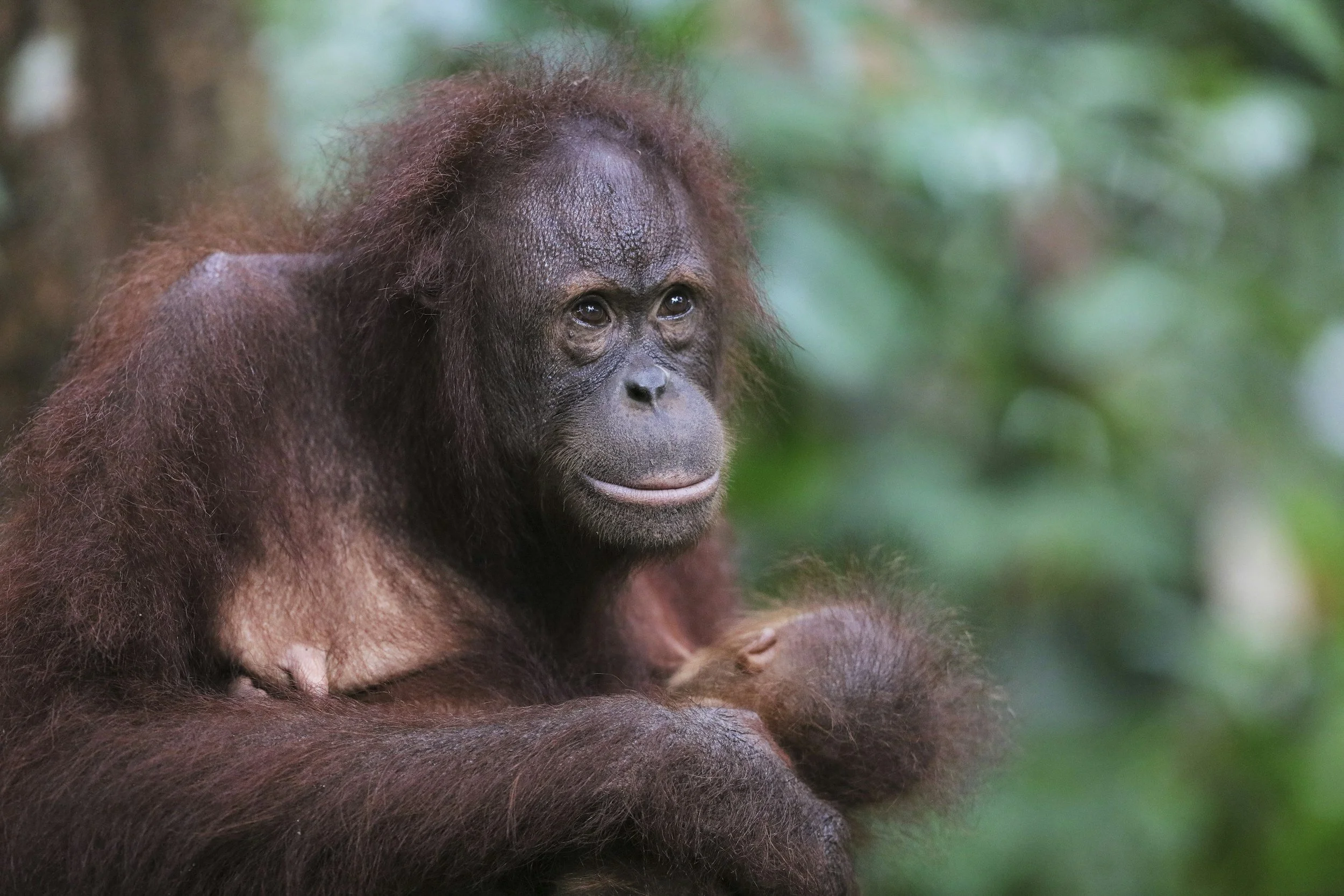
Borneo is one of the world's last great wildlife frontiers — a vast, ancient island shared by Malaysia, Indonesia, and Brunei, where orangutans swing through old-growth rainforest, pygmy elephants wade along jungle rivers, and the diving off islands like Sipadan ranks among the best on the planet. It's a destination that rewards at almost any time of year, but timing your visit well makes a real difference to what you'll see and experience.
TL;DR
When is the best time to visit Borneo?
The best time to visit Borneo is from April to October, when the dry season delivers the most reliable weather, the best wildlife viewing conditions, and the clearest water for diving. April and May are a particularly sweet spot — drier than March, less crowded than the peak June–August window, and excellent for spotting orangutans, whale sharks, and nesting turtles.
Weather in Borneo
Borneo sits near the equator, so temperatures stay warm year-round — typically 27–32°C — but rainfall varies enormously depending on the season and region.
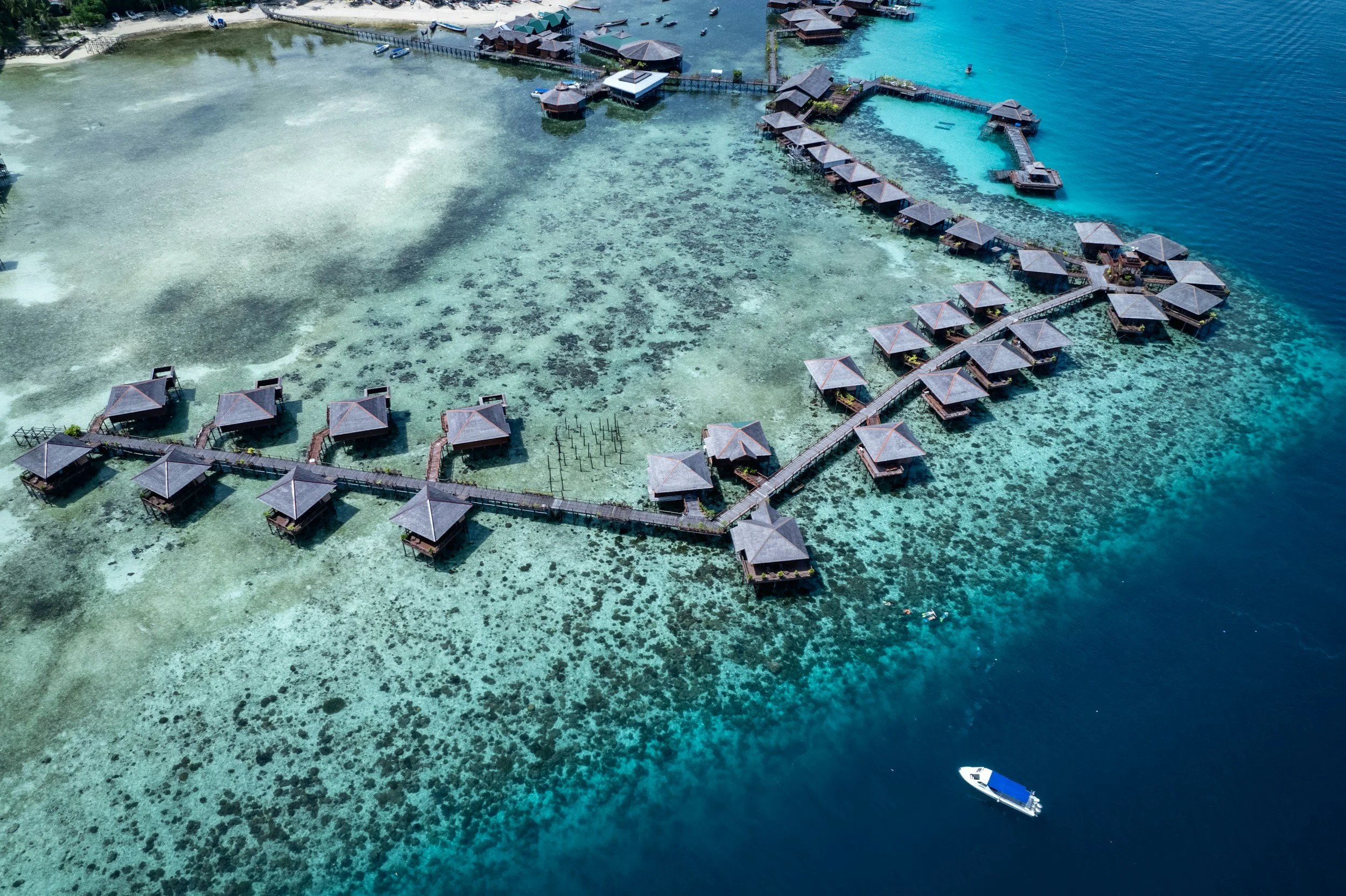
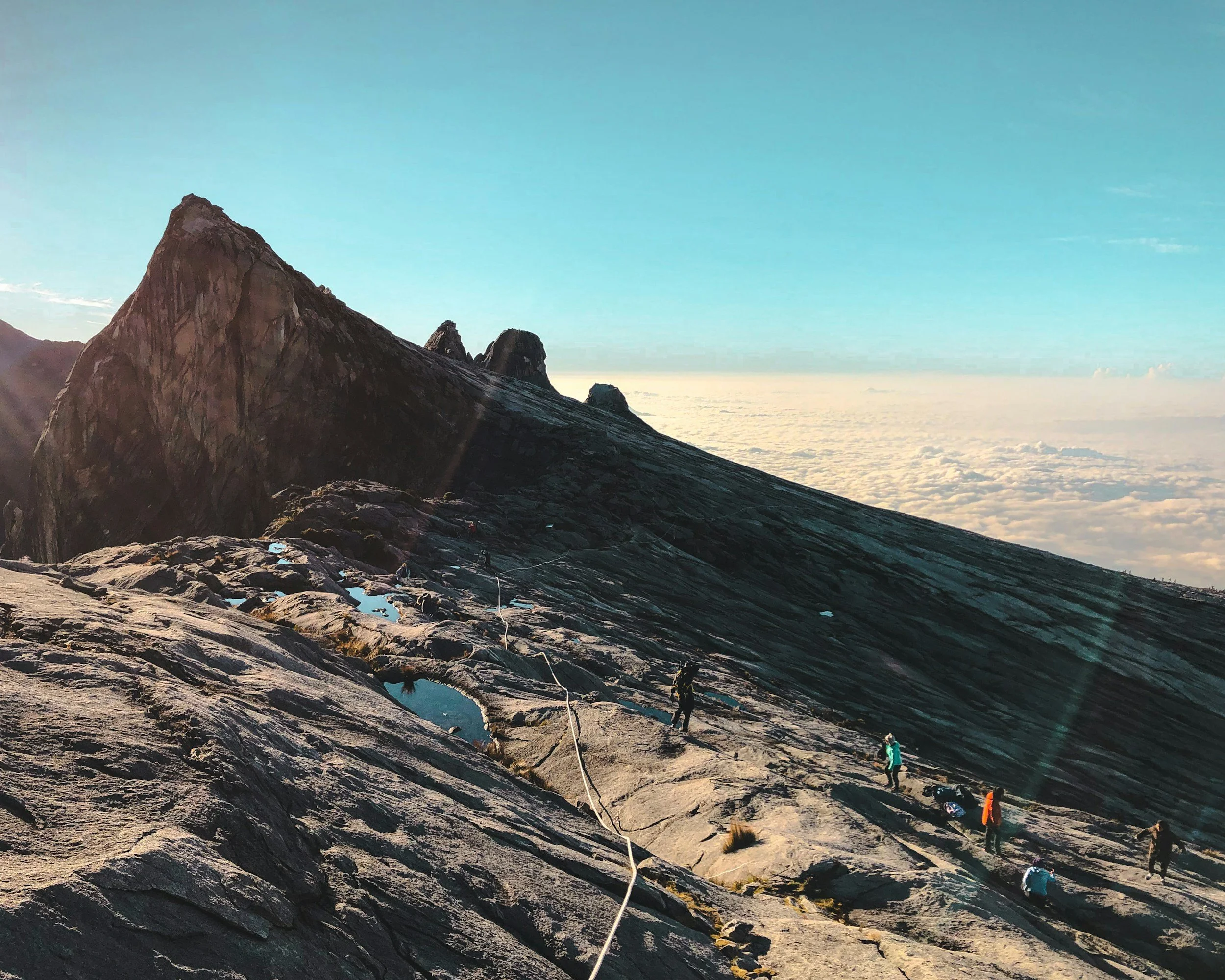
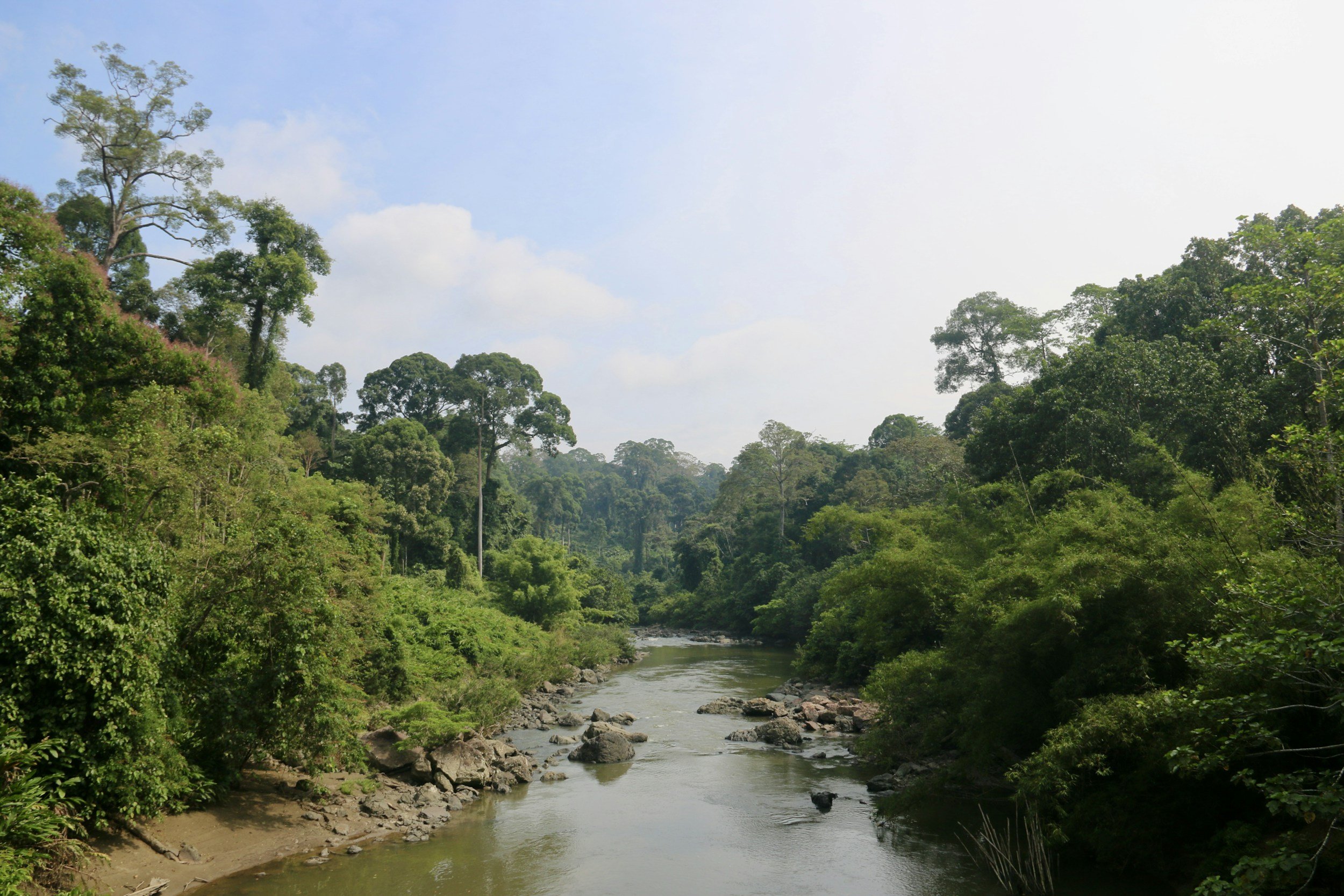
The dry season runs broadly from March to September, with April widely considered the single driest month, averaging fewer than ten rainy days. This is prime time for trekking in places like the Danum Valley, summiting Mount Kinabalu, and taking wildlife cruises along the Kinabatangan River. Orangutans are far easier to spot when the forest canopy thins during drier months, and water visibility for diving and snorkelling peaks between April and October.
The wet season (October to February) brings heavy afternoon downpours, particularly in Sarawak and eastern Sabah, which can make jungle trails muddy and limit wildlife sightings.
Prices in Borneo
Flights from Australia to Kota Kinabalu are generally cheapest in September and October, which sit between the two main visitor peaks. December is the most expensive month for flights, typically 15–20% higher than average, driven by Australian school holiday demand over Christmas and New Year.
June through August also sees elevated prices as European and northern hemisphere summer travellers arrive in numbers. April and May offer solid value — conditions have significantly improved from the wet season but prices haven't yet jumped to match the peak June–August window.
Accommodation follows a similar pattern, with jungle lodges and dive resorts in places like Semporna and Sukau pricing up considerably from June onwards. Book wildlife lodges along the Kinabatangan River well ahead regardless of when you travel, as quality beds are limited.
Crowds in Borneo
Borneo attracts its biggest visitor numbers in two windows: December to February (driven largely by Australian and European Christmas holiday travellers) and June to August (northern hemisphere summer).
The December–January period is particularly busy around Kota Kinabalu, the Tunku Abdul Rahman Marine Park islands, and popular wildlife lodges. June through August brings the year's peak crowds to Sipadan — permit numbers are strictly capped, so dive spots book out months in advance.
The quietest time is during the wet season months of October to February, when some travellers are deterred by rain, though wildlife numbers are lower too.
April and May strike a good balance — visitor numbers are moderate, the crowds from the dry season peak haven't yet built, and the island feels noticeably more spacious than peak months.
Events and festivals in Borneo
Borneo's cultural calendar is rich with indigenous harvest festivals, world-music gatherings, and community celebrations that reflect the island's extraordinary ethnic diversity — spanning over 30 distinct indigenous groups across Sabah and Sarawak alone. Most major events cluster between May and August, aligning with the dry season.
-
When is it? May
The biggest celebration in Sabah's indigenous Kadazan-Dusun calendar, with traditional rituals, rice wine, singing competitions, and the crowning of the Unduk Ngadau (Harvest Queen). Celebrated across Sabah throughout May, with the main event at the Sabah State Cultural Association in Penampang on 30–31 May.
-
When is it? May/June
A popular two-day outdoor jazz festival drawing local and international musicians to the city's waterfront, with workshops and food alongside the performances.
-
When is it? June
One of the most important cultural celebrations in Sarawak, marking the end of the rice harvest for the Iban and other Dayak communities, with open-house hospitality, traditional longhouse visits, music, and dance.
Travelling to Borneo in each season
Borneo doesn't follow the same seasonal patterns as Australia — being near the equator, it's warm and humid year-round — but the experience shifts noticeably depending on when you visit. Here's a brief look at each season, using the Australian and Southern Hemisphere calendar as a guide. (Technically, the seasons are opposite in the northern part of Borneo, but as that can get confusing we keep it simple by sticking to Aussie seasons.)
Spring
When is it? September to November
Spring in Australia coincides with Borneo's transition from the dry season back into the wetter months, making September and October a good shoulder-season window. September still offers reasonable wildlife viewing and the clearest dive conditions of the year around Sipadan, while prices begin to ease from the peak June–August period. By November, rainfall increases noticeably — particularly in Sarawak — and some jungle lodges report reduced wildlife sightings as animals take cover. It's worth checking weather forecasts carefully if planning a late spring trip.
Summer
When is it? December to February
Australian summer aligns with Borneo's wet season, when the northeast monsoon brings heavy rainfall — particularly to eastern Sabah and Sarawak — along with rough seas that can interrupt boat crossings and diving trips. It's also peak price season, driven by Australian Christmas holiday demand, and the most crowded period at coastal resorts and Kota Kinabalu. That said, some parts of Sabah (particularly around Kota Kinabalu and the west coast) receive less monsoon impact, and prices for jungle wildlife lodges can be competitive. If you're travelling this time of year, plan around potential weather disruptions.
Autumn
When is it? March to May
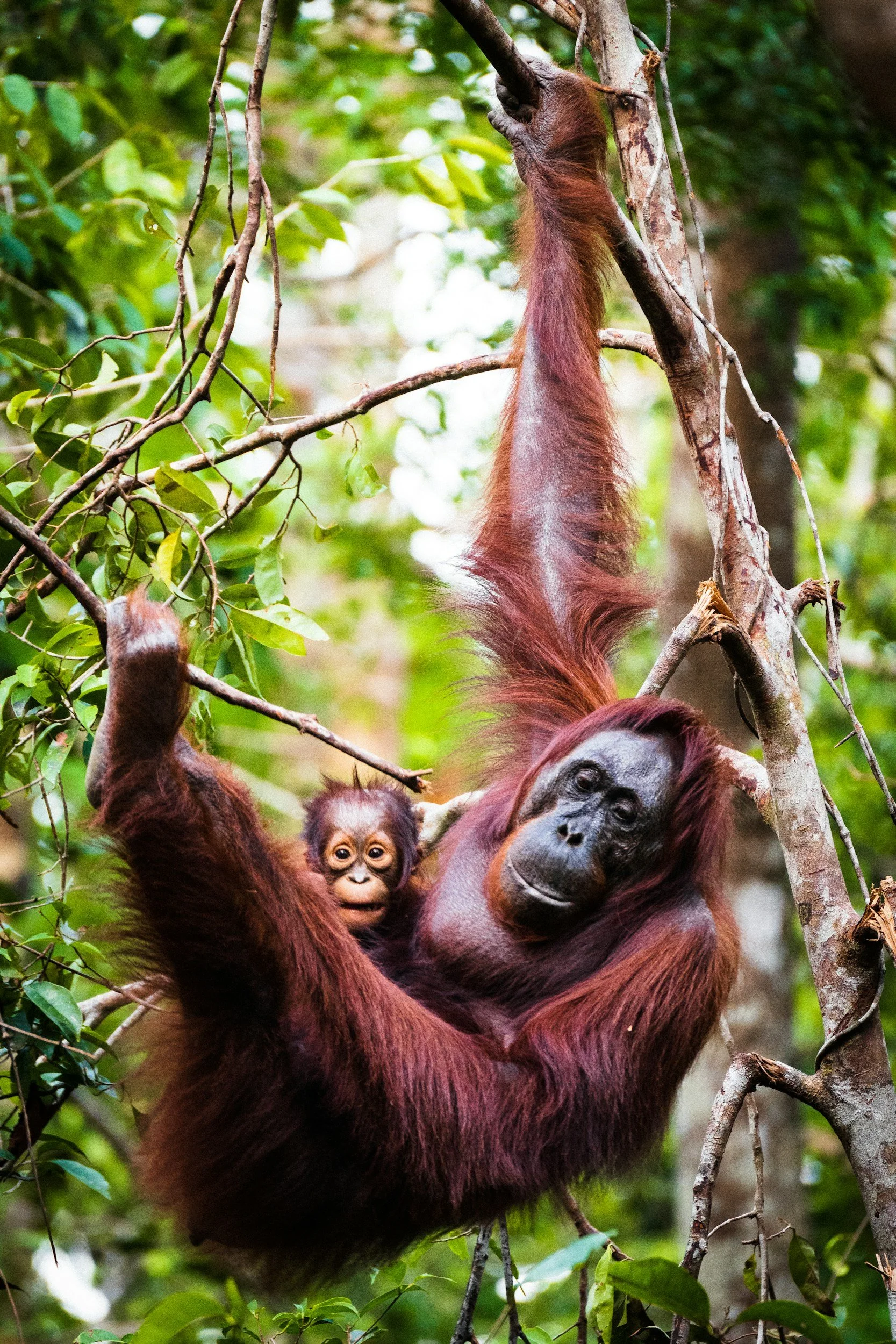
Australian autumn is one of the best times to visit Borneo. March sees rainfall easing significantly, and by April — statistically the driest month on the island — conditions are excellent for trekking, wildlife spotting, and diving. Whale sharks are present off Lankayan Island through to May, and orangutans are becoming increasingly active and visible as the forest dries out. May also brings the festive energy of Pesta Kaamatan and the Borneo Jazz Festival. Prices remain reasonable compared to the June–August peak, and accommodation availability is generally good.
Winter
When is it? June to August
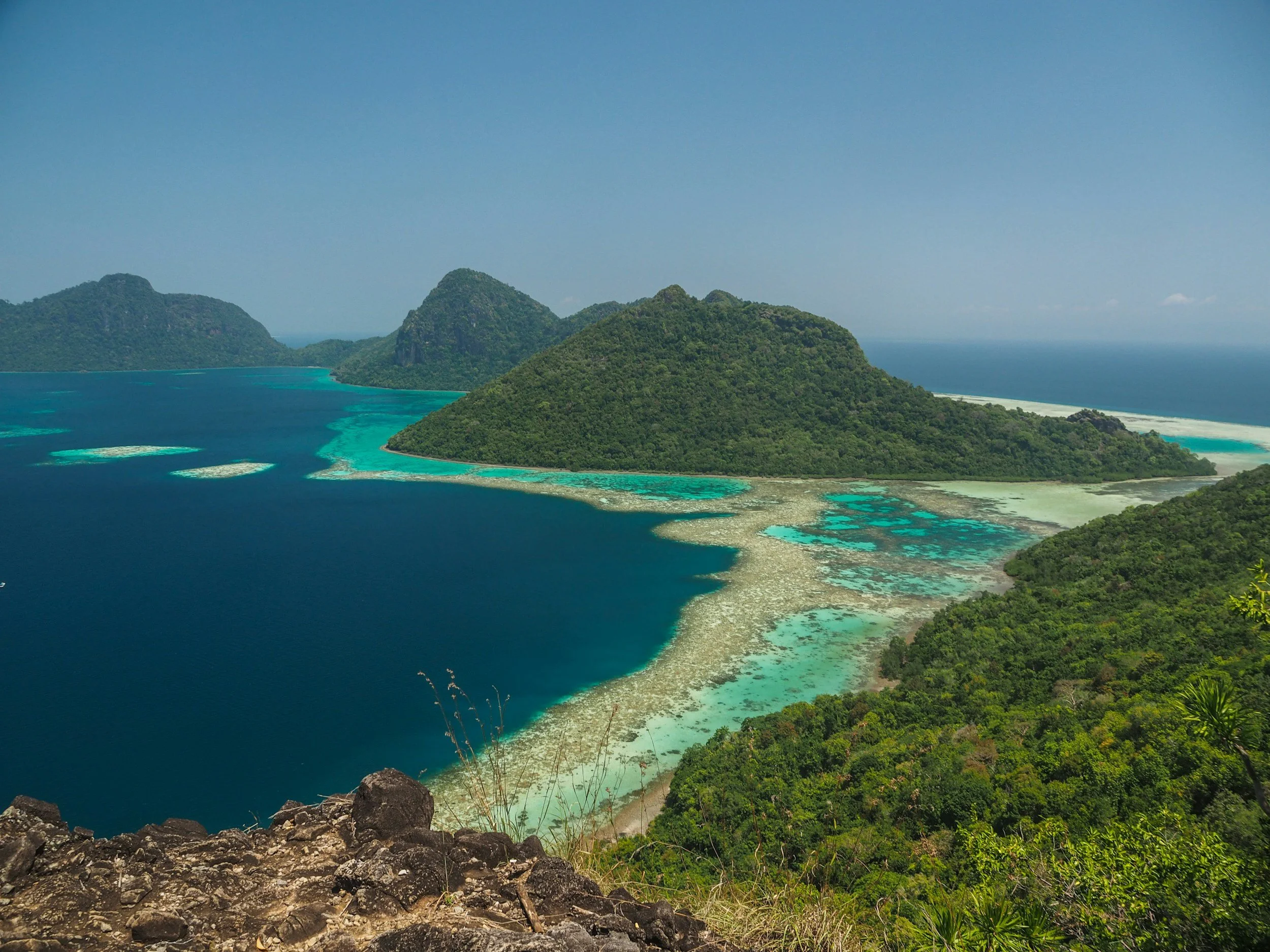
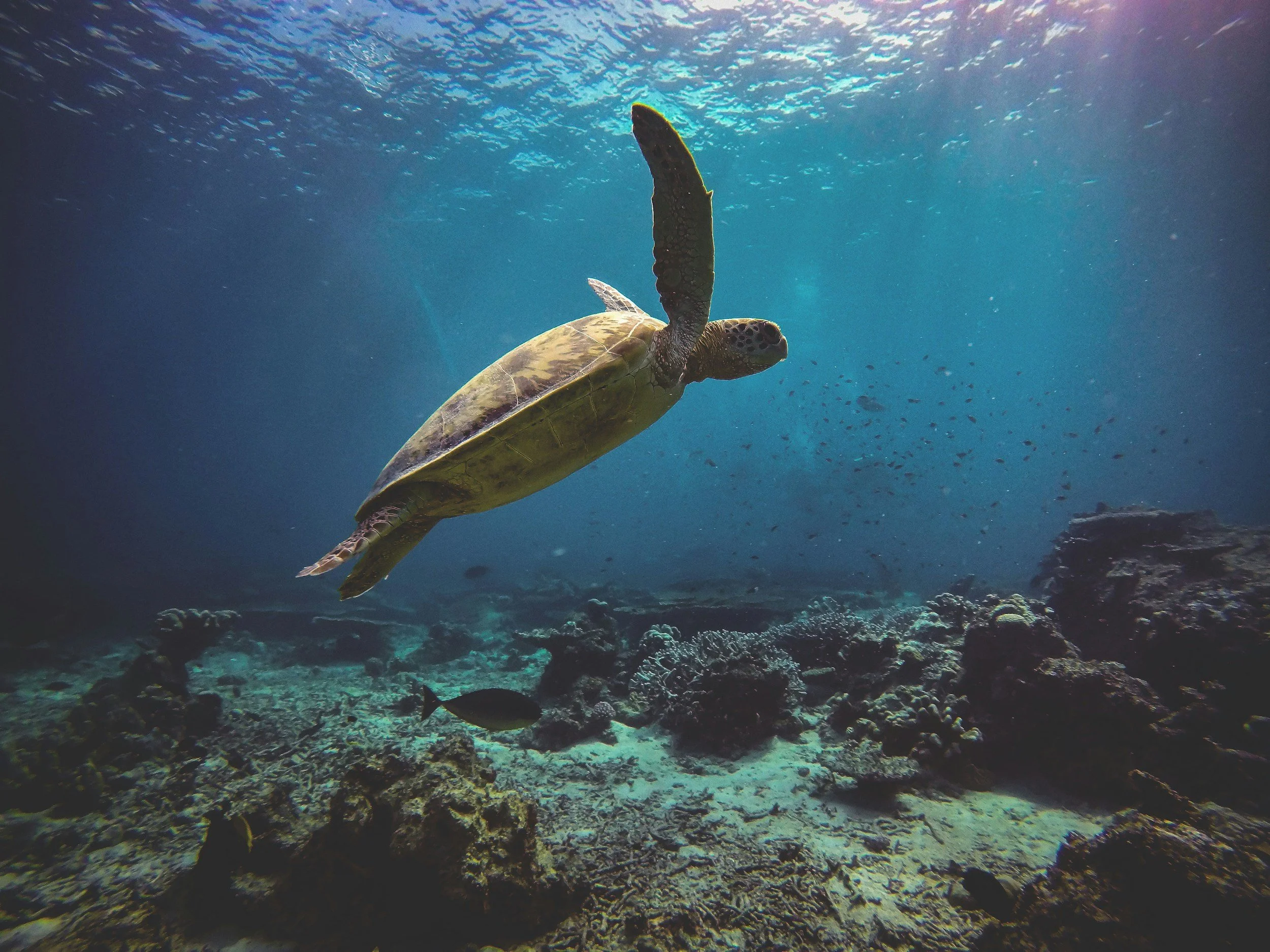
Australian winter is Borneo's peak tourist season, with the dry season in full swing and conditions at their most reliably sunny. It's the best time of year for hiking, beach time, and diving — particularly for sea turtle spotting on Lankayan Island (June–September) — but also the busiest and most expensive period. Sipadan diving permits are particularly competitive and often need to be secured months in advance. June also brings two of Borneo's most celebrated festivals: Gawai Dayak and the Rainforest World Music Festival. If you're planning a winter trip, book everything — flights, lodges, and dive permits — well ahead.
Overall, when is the best value time to visit Borneo?
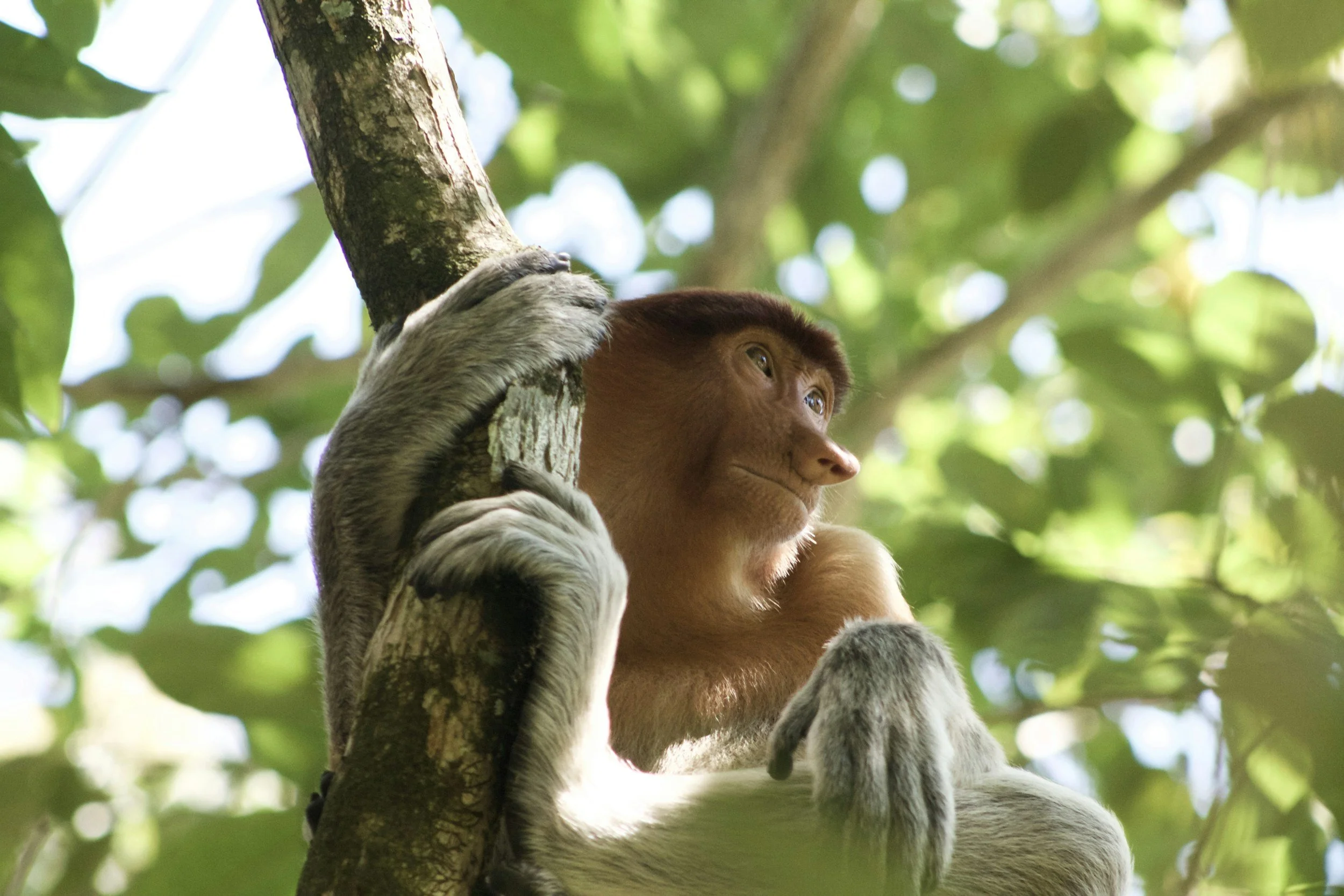
For the best balance of good conditions, reasonable prices, and manageable crowds, April and May are hard to beat. The rains have largely eased, the dry season is well underway, and wildlife activity is picking up as orangutans, proboscis monkeys, and pygmy elephants become easier to spot along the Kinabatangan River. It's also prime whale shark season off Lankayan Island, and the festive atmosphere of Pesta Kaamatan in May adds a memorable cultural layer to any trip.
Flights and accommodation haven't yet jumped to the premium prices of the June–August peak, and jungle lodges are easier to book. If April–May doesn't suit your schedule, late September and October offer a similar shoulder-season value proposition — quieter than the June–August peak, with improving dive visibility and still-acceptable wildlife viewing before the rains build again from November.
23m+
people in Borneo
Island
in Asia