Best time to go to Byron Bay

Byron Bay is more than just a coastal town; it is a lifestyle destination that has captivated Australian travellers for decades. From the iconic lighthouse perched on the country's easternmost point to the world-class surf breaks at The Pass, Byron offers a unique blend of natural beauty and bohemian luxury. Whether you are heading north for a weekend of wellness, a family beach holiday, or to catch a headline act at a major festival, choosing the right time to visit is crucial for the perfect getaway. The region enjoys a temperate subtropical climate, meaning the weather is generally pleasant year-round, but each season brings a distinct vibe to the bay.
TL;DR
When is the best time to visit Byron Bay?
The best time to visit Byron Bay is during autumn (March to May). This period delivers warm, swimmable water and sunny days without the intense humidity or the heavy holiday crowds of summer. For those seeking crisp skies and whale watching, winter (June to August) is an excellent, quieter alternative.

Weather in Byron Bay
The "perfect" weather in Byron Bay typically occurs in spring and autumn. If your primary goal is a classic beach holiday, aim for late spring (October and November) or early autumn (March and April). During these months, the daytime temperatures sit comfortably in the mid-20s, and the ocean is warm enough for long swims. Summer (December to February) can be quite hot and humid, often accompanied by tropical afternoon downpours. Conversely, winter is famously beautiful; while the nights are cool enough for a jumper, the days are often characterized by cloudless blue skies and a mild 20°C, perfect for hiking the Cape Byron Walking Track.

Prices in
Byron Bay
For the best value, the cheapest time to visit Byron Bay is in winter (June to August), specifically outside of the July school holidays. As the temperatures dip, many luxury guesthouses and resorts offer reduced rates to attract domestic travellers. Another affordable window is late May or November, just before the summer rush. Flights into Ballina Byron Gateway Airport or Gold Coast Airport are most expensive during the Christmas and January holidays and the Easter long weekend. To keep your budget in check, avoid booking during major festival dates like Bluesfest, when accommodation prices across the Northern Rivers region spike significantly.

Crowds in Byron Bay
Byron Bay is at its absolute busiest during the Christmas and January school holidays, as well as the Easter break. During these times, the town's infrastructure is stretched, and finding a car park at Wategos or a table at a popular café can be a challenge. "Schoolies" in late November also brings a surge of young revellers. If you are looking for peace and quiet, the low season of May and June is unbeatable. You will find the beaches much emptier, the walking tracks more serene, and the overall pace of the town much closer to its relaxed, original roots.
Events and festivals in Byron Bay
Byron Bay is a cultural heavyweight, hosting some of Australia's most prestigious music, film, and arts festivals throughout the year.
-
When is it? March or April
An internationally acclaimed five-day festival featuring world-class blues and roots artists.
-
When is it? May
One of Australia’s most scenic multi-sport events.
-
When is it? May
Unwing or recharge during this three-day rejeuvenating festi
Travelling to Byron Bay in each season
Every season in Byron Bay offers a different way to experience the region's natural charm. Here is a brief look at what you can expect when visiting the northern New South Wales town at different times of the year.

Spring
When is it? September to November
Spring is a season of renewal, featuring mild temperatures and the lowest rainfall of the year. It is a fantastic time for outdoor activities like kayaking with dolphins, as the water begins to warm up and the humpback whale migration is in full swing. Pricing is generally moderate, though crowds increase during the September school holidays.
Summer
When is it? December to February
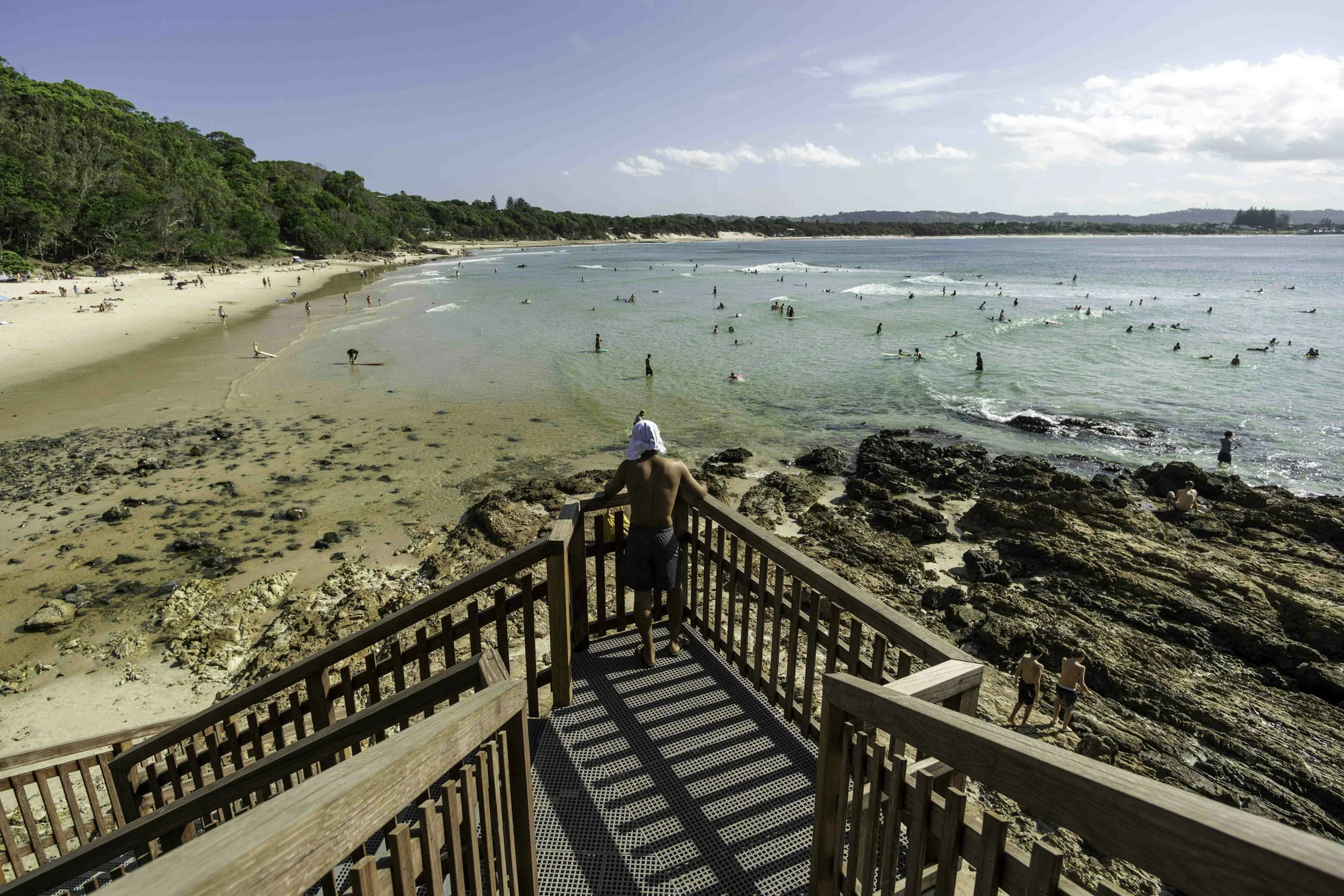
Summer is the peak of the Byron experience, offering long, sun-drenched days and a vibrant, festive atmosphere. While it is the busiest and most expensive time of year, it is also the best for swimming and enjoying the nightlife. Be prepared for high humidity and the occasional tropical thunderstorm that provides a welcome relief from the heat.

Autumn
When is it? March to May
Autumn is widely considered the best time for a visit, as the summer humidity fades but the ocean remains warm and inviting. March can be a wet month, but by April and May, the weather settles into a pattern of beautiful, clear days. Crowds thin out significantly after Easter, offering better value for accommodation and a more relaxed town vibe.

Winter
When is it? June to August
Winter in Byron is a hidden gem, characterized by crisp air, clear skies, and spectacular sunsets. It is the prime time for whale watching from the lighthouse and enjoying the region's excellent dining scene without the summer queues. While the nights are cool, the daytime weather is perfect for hinterland hikes and exploring the local markets.
Overall, when is the best value time to visit Byron Bay?
The best value time to visit Byron Bay is undoubtedly May or September. These shoulder-season months offer the ideal compromise between pleasant weather and lower costs. In May, you can still enjoy the last of the warm ocean temperatures from summer, but you will benefit from the significant price drops in accommodation that occur once the Easter crowds have left.
Similarly, September provides beautiful, dry weather and a fresh energy as the town moves toward summer, yet it lacks the chaotic crowds of the Christmas peak. By choosing these months, you’ll find that the "Byron experience"—from surf lessons to boutique shopping—is much more accessible and affordable. You can enjoy the premium coastal lifestyle that Byron is famous for without the premium peak-season price tag, making it the smartest time for a professional yet relaxed getaway.


30k+
people in Byron Bay
City
of New South Wales