Best time to go to Dublin
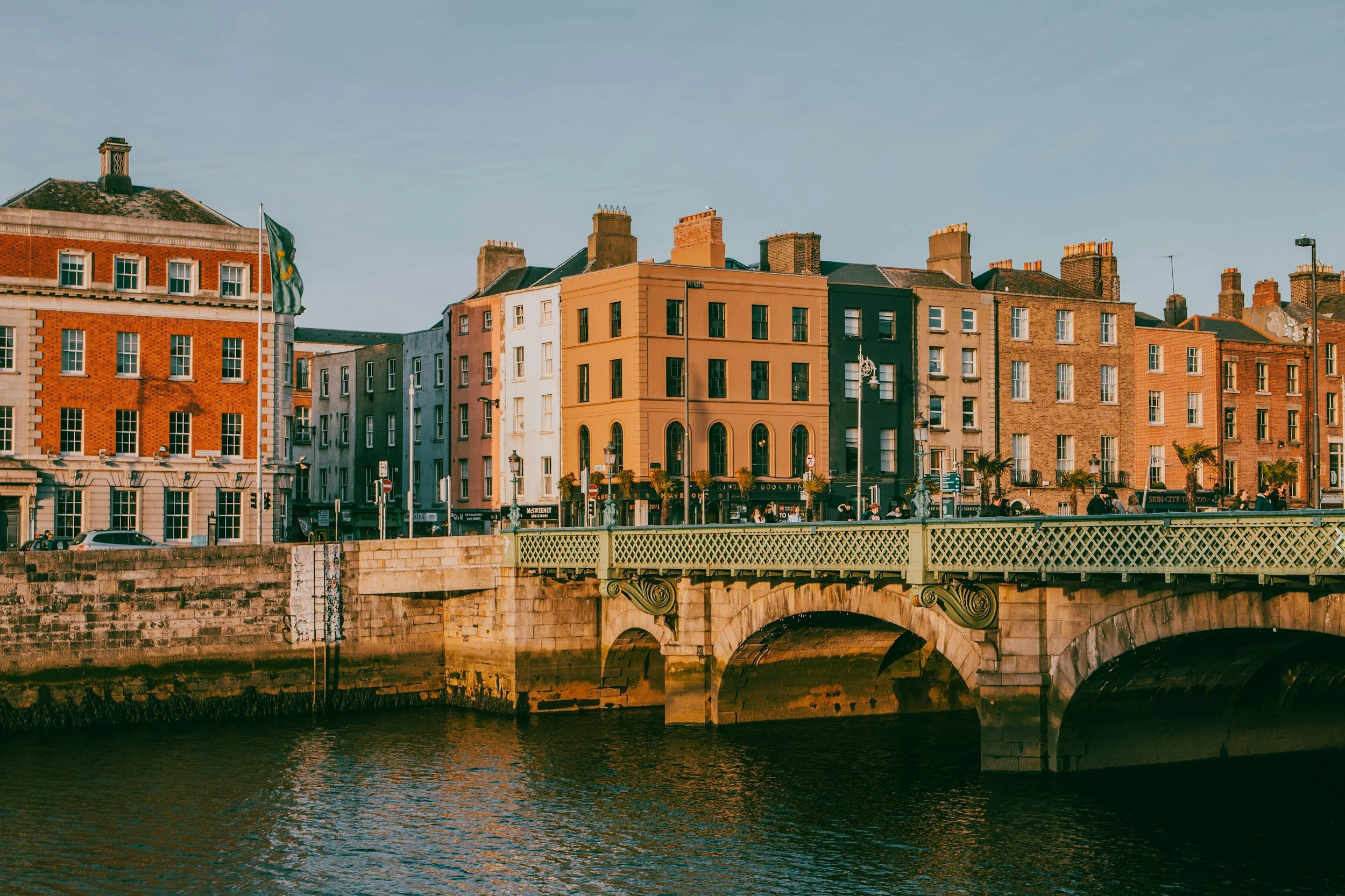
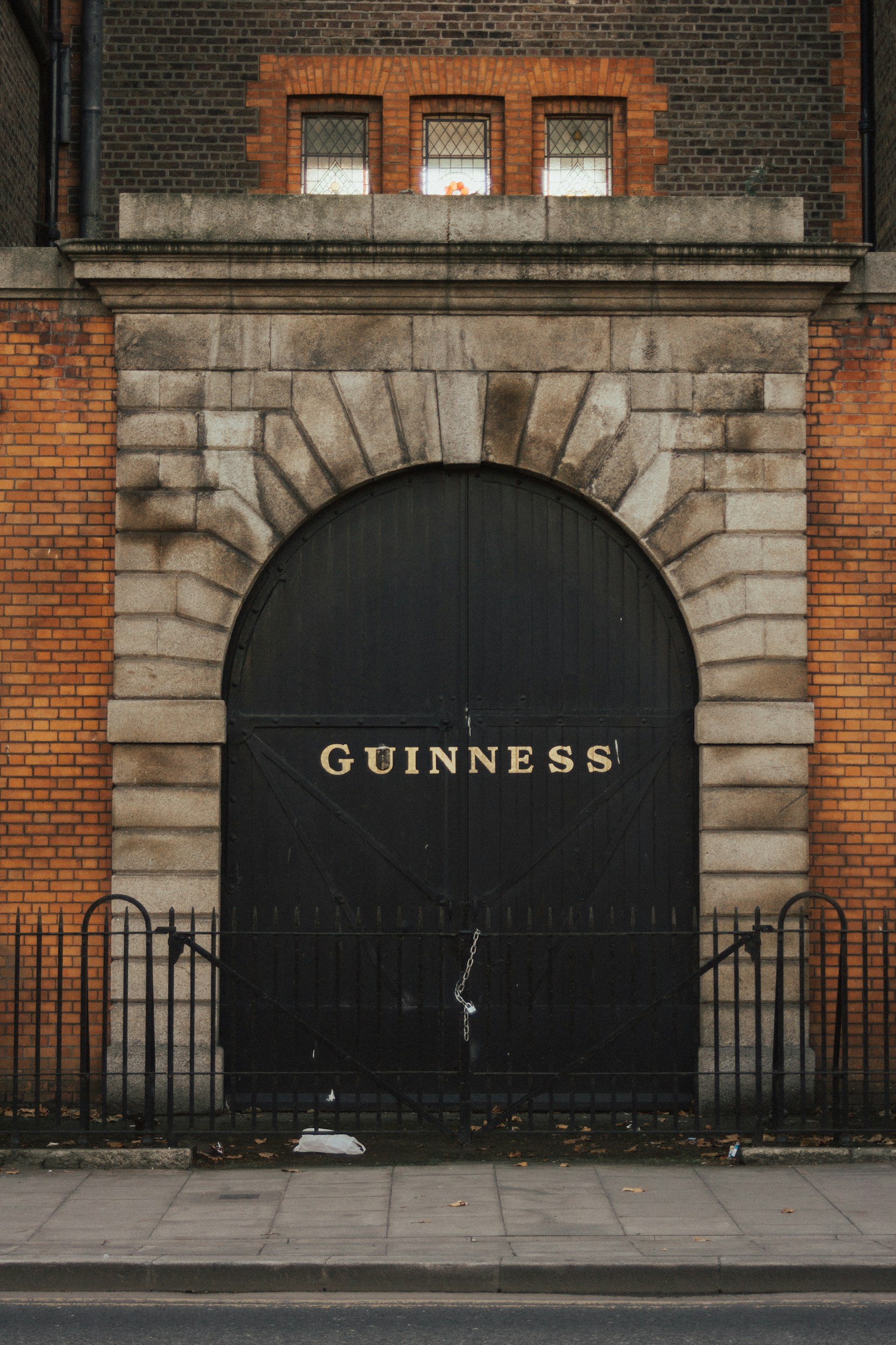
Dublin is Ireland's vibrant capital, famous for its Georgian architecture, literary heritage, friendly locals, and lively pub culture. From Trinity College's historic grounds to the Guinness Storehouse's impressive views, Phoenix Park's green spaces, and the Liffey River's riverside charm, Dublin captivates visitors with history and energy. The city's temperate maritime climate creates mild but frequently rainy conditions year-round. Summer offers longer daylight and milder weather, making it Dublin's most popular season. However, spring and autumn provide lower crowds and reasonable prices, whilst winter offers festive atmosphere and significantly lower costs.
TL;DR
When is the best time to visit Dublin?
Weather in Dublin
May through September offers the most pleasant weather in Dublin, with temperatures around 13–19°C, longer daylight hours, and relatively lower rainfall, though rain remains possible any day. This is genuinely Dublin's best season for comfortable city exploration and outdoor activities.
If you prefer warmer conditions, July and August are warmest (16–19°C). April brings milder temperatures (9–15°C) and increasing daylight – you're trading some warmth for fewer crowds and budget savings. June and September remain pleasant (15–17°C). October is increasingly rainy and cooler. November through March is cool (4–9°C), grey, and rainy with short daylight. For reliable weather, stick to May through September.
Prices in Dublin
December through March is lower season with cheaper accommodation, though December and early January holidays push prices up.
May through September is high season with higher accommodation, dining, attraction, and activity prices. July and August are peak season (school holidays) with the highest prices. April, October, and November are shoulder seasons with moderate pricing. Flight prices from Australia are fairly stable year-round. For best value, visit April or October–November.
Crowds in Dublin
December through March are quiet, particularly January–February. However, Dublin remains a popular destination year-round. For fewer crowds, visit April or October–November.
May through September is busy with international and domestic tourists. July and August is extremely crowded, particularly at major attractions. April, October, and November are moderately busy.
Events and festivals in Dublin
Dublin celebrates unique cultural, musical, sporting, and seasonal events throughout the year.
-
When is it? January-February
Traditional Irish music and culture festival.
-
When is it? 17 March
Celebration of Irish culture with parades, green decorations, and festivities throughout the city.
-
When is it? September-October
Dublin Book Festival (September–October): Literary festival attracting authors, readers, and book lovers.
Travelling to Dublin in each season
Dublin's seasons offer distinct experiences for cultural exploration and urban discovery.
Spring
When is it? March to May
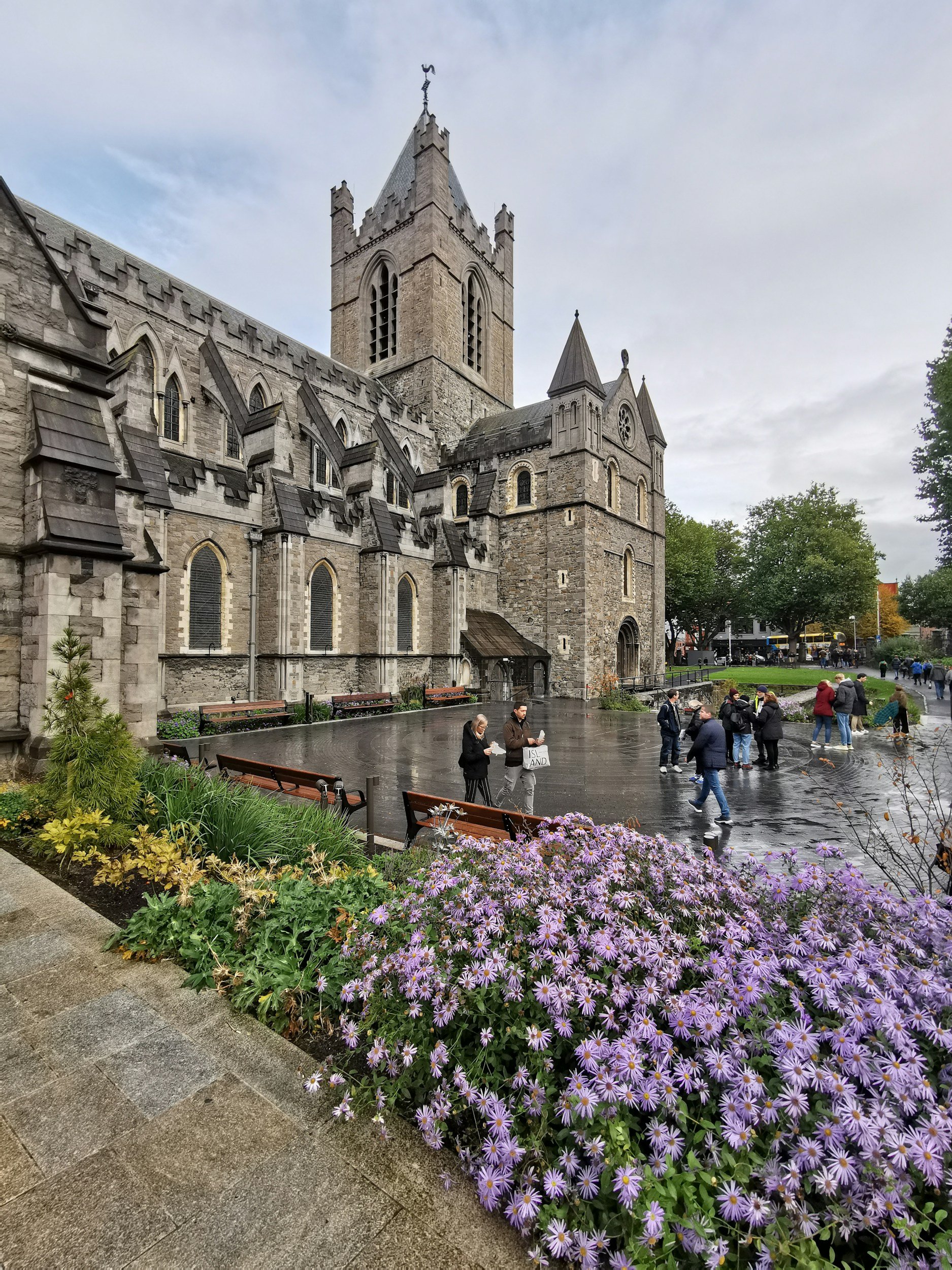
Spring brings gradually warming temperatures (9–18°C), increasing daylight, blooming flowers, and natural energy throughout the city. Crowds are moderate, building towards peak season. Prices are reasonable. Easter holidays bring family crowds. The Liffey riverside becomes more pleasant. This is excellent for exploring Dublin's neighbourhoods and enjoying outdoor café culture.
Summer
When is it? June to August
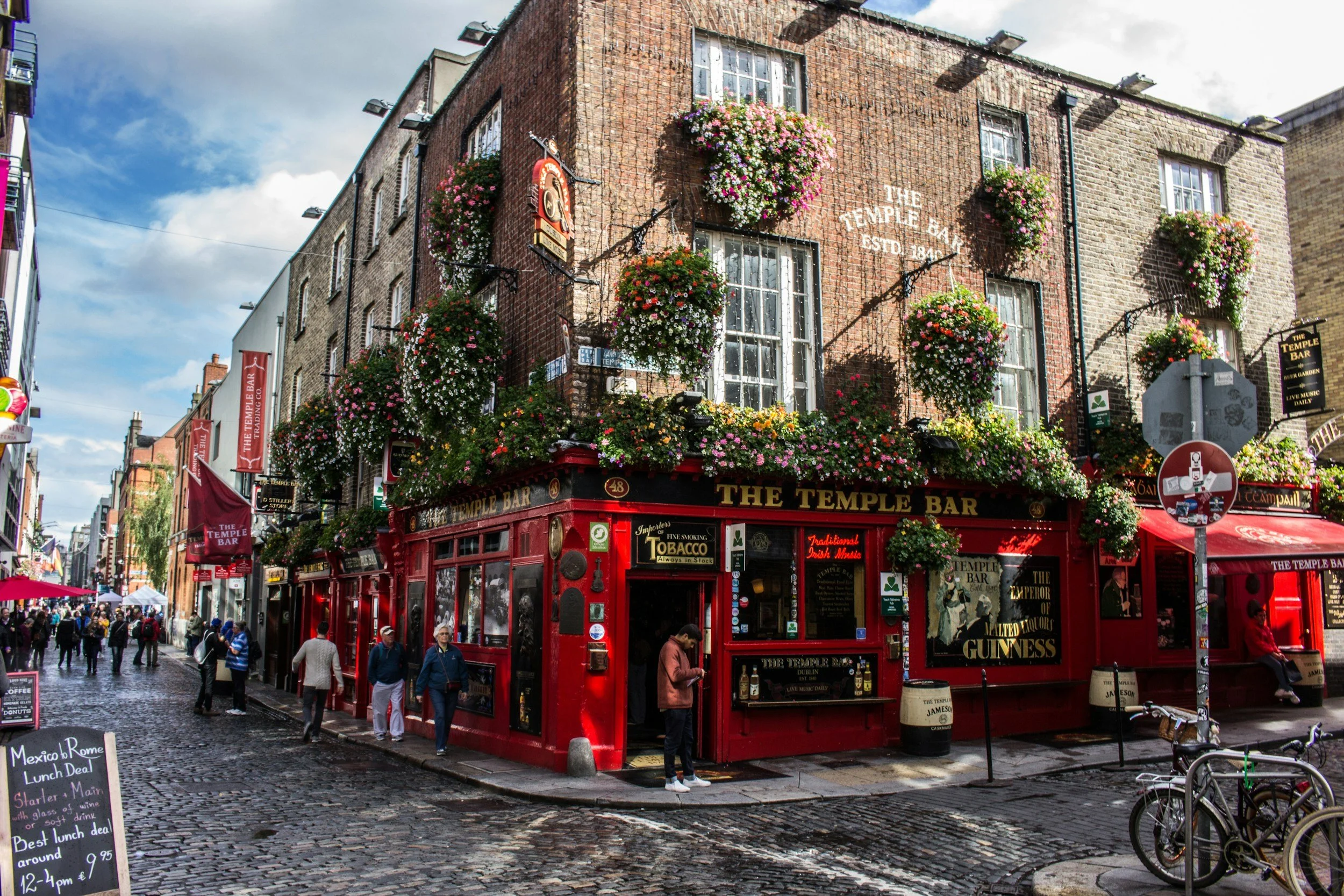
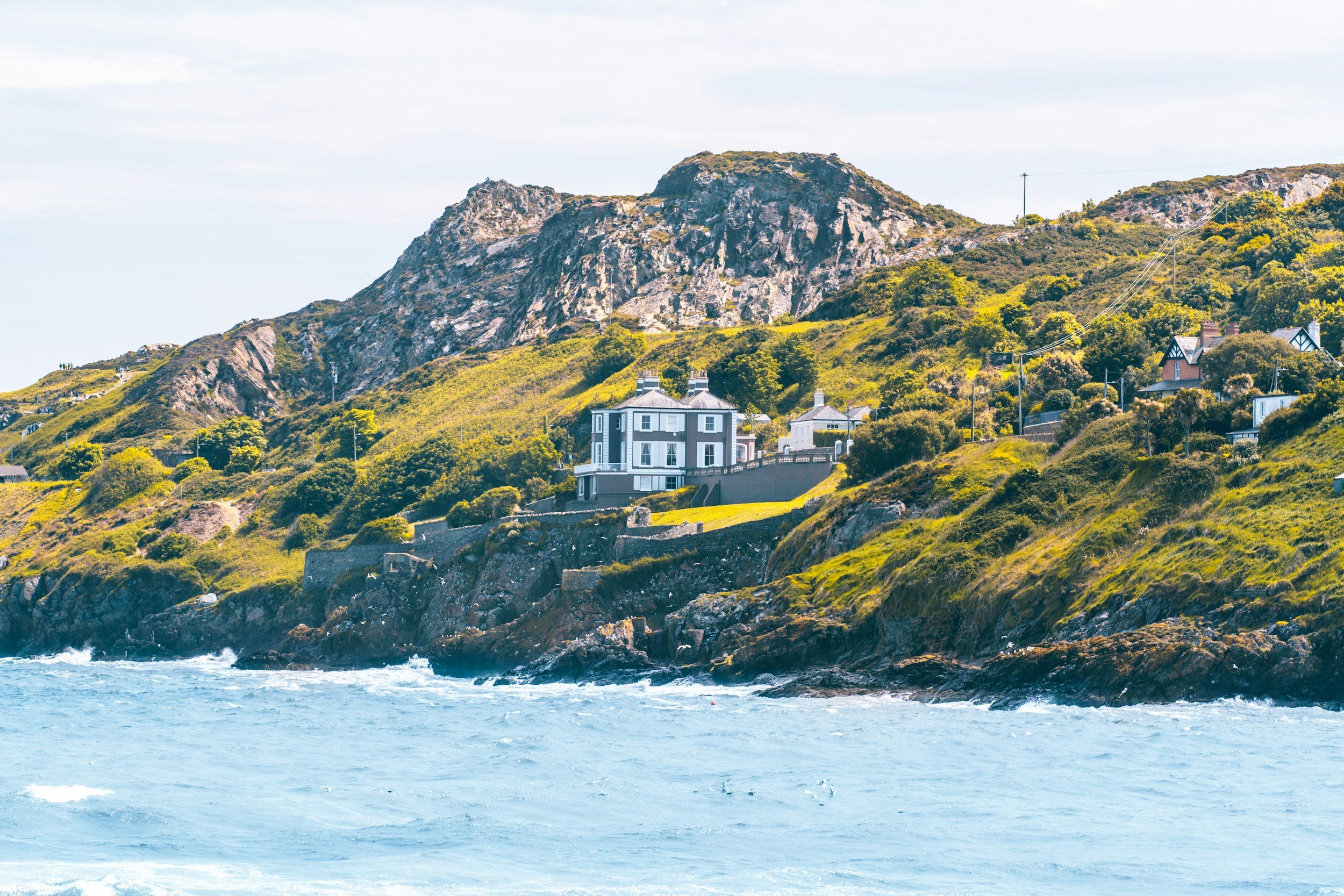
Summer is warmest (16–19°C) with longest daylight and extended evening light for exploration. Crowds are at their peak and prices are highest. Open-air performances and festivals flourish. Temple Bar becomes particularly vibrant. Irish sports championships (August–September) attract enthusiasts. This suits those enjoying Dublin's energy despite crowds.
Autumn
When is it? September to November
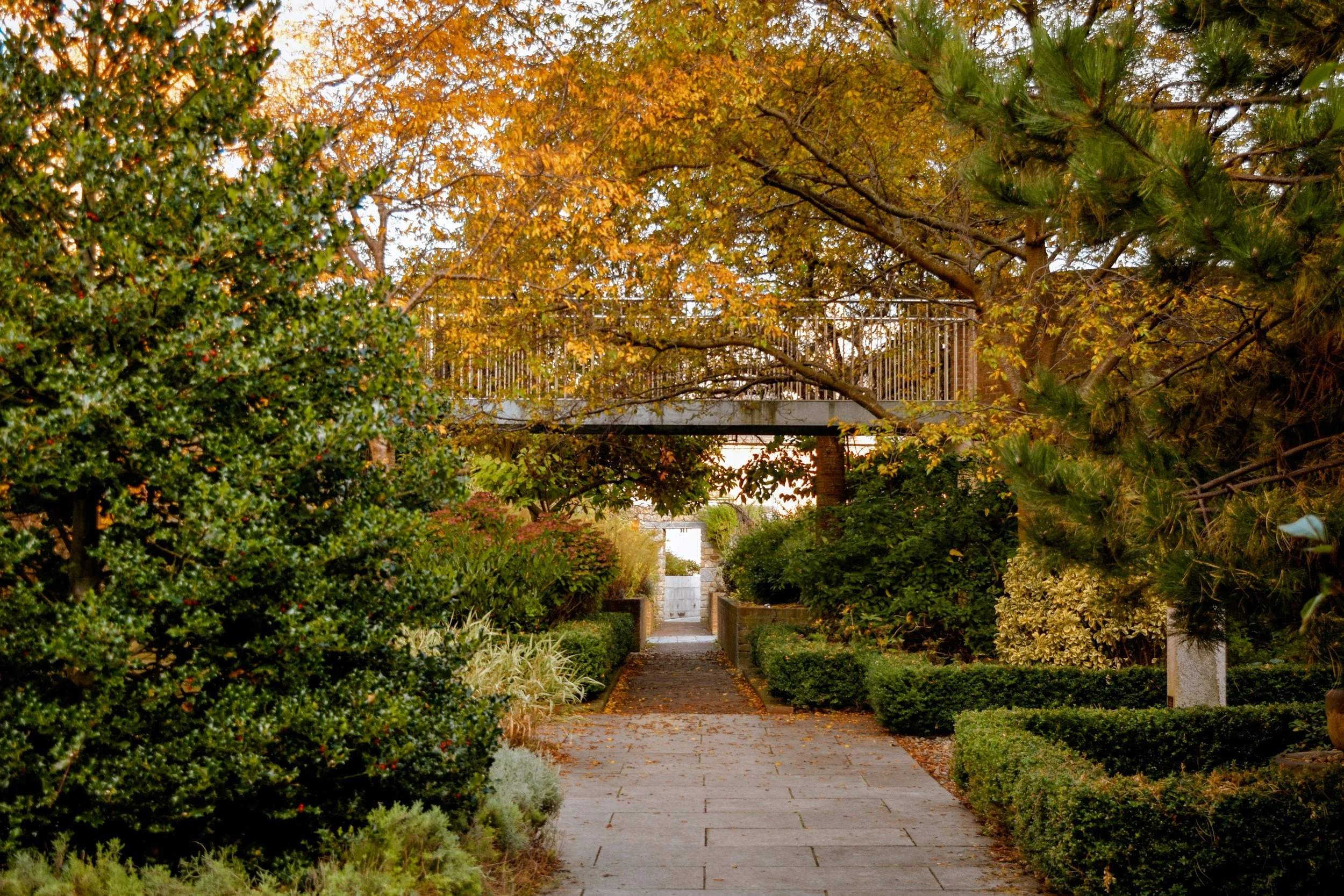
Autumn brings pleasant temperatures (13–17°C), golden light, and significantly decreasing crowds after peak season. Prices are moderate. Dublin Book Festival (September–October) attracts literature lovers. Cultural events remain abundant. This rivals spring for exploring with fewer crowds.
Winter
When is it? December to February
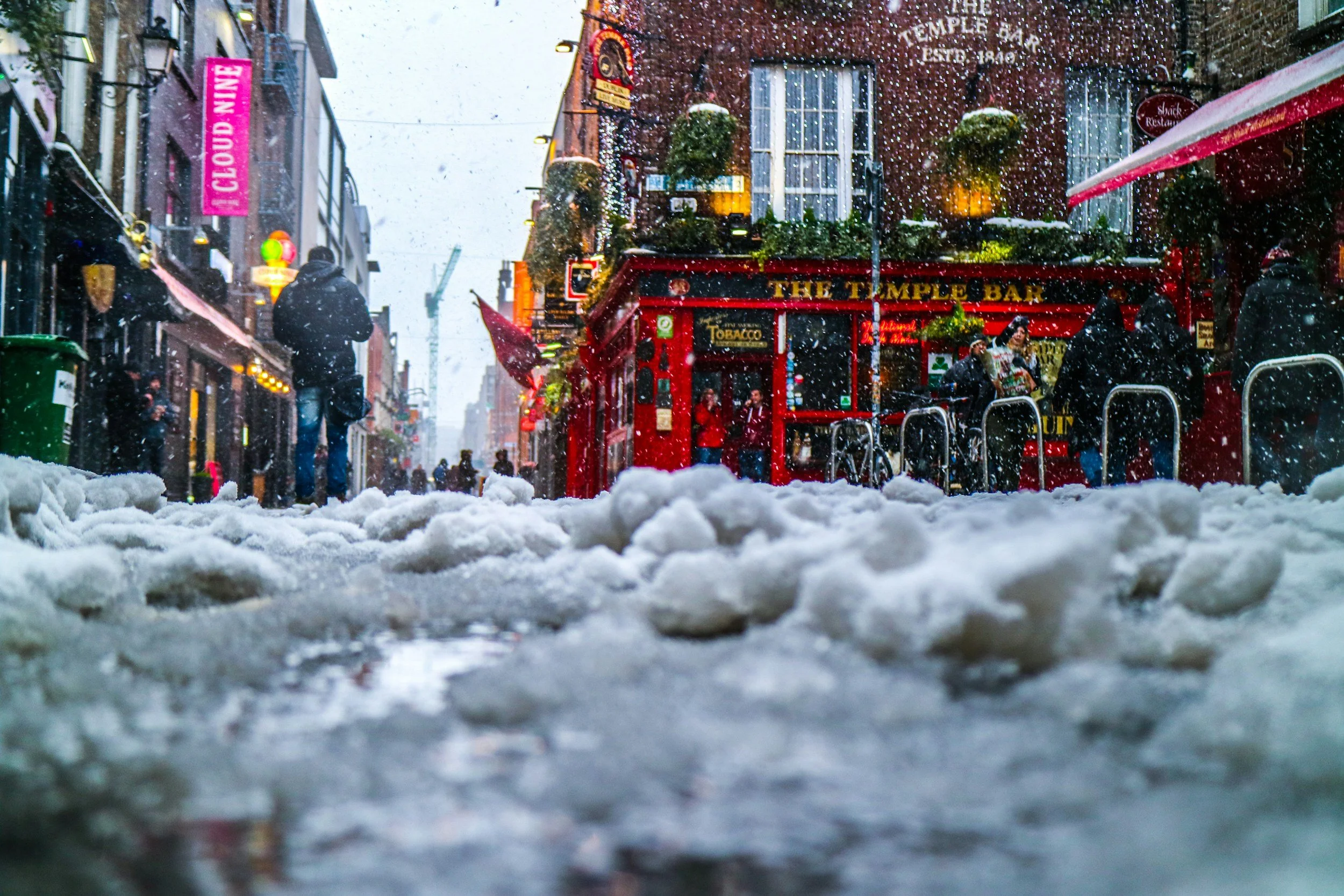
Winter is cool (4–9°C), grey, rainy with short daylight. Crowds are minimal outside December holidays. Prices are lowest. Christmas markets and festive decorations brighten November–December. Temple Bar Tradfest (January–February) features traditional Irish music. However, frequent rain requires indoor attractions. This suits those seeking quieter Dublin and cultural experiences.
Overall, when is the best value time to visit Dublin?
For the best overall value, visit between May and September, accepting higher prices for reliable weather and longer daylight. For excellent value with pleasant weather, visit April or September–October when prices are moderate and crowds are lighter. For maximum budget savings, visit November or January–February for lower accommodation prices, accepting cool, grey, rainy conditions.
1.3m+
people in Dublin
Capital
of Ireland